


Life








General




Support


Resources












Simplifying Life Insurance in India



How Does Your Job Affect Life Insurance Premiums?
Life insurance premiums are affected by several factors, including your occupation. Insurers assess the level of risk associated with your job to determine how likely you are to face life-threatening situations.
High-risk jobs typically result in higher premiums, while low-risk jobs may qualify for lower rates. Understanding how insurers classify risk and what that means for your coverage can help you make informed decisions, especially if your job falls into a high-risk category or changes over time.

Table of Contents


Does Your Occupation Affect Your Life Insurance Rates?
Yes, your occupation can directly affect your life insurance premiums. Insurers evaluate the level of risk associated with your job to determine how likely you are to make a claim. Based on this assessment, they decide not only how much to charge you but also whether to offer full coverage or impose certain limitations.
Insurers assess occupational risk based on:
- Danger level: Whether the job involves working with heavy machinery, handling hazardous materials, performing emergency response duties, working at heights, or operating in remote or unstable locations. These roles carry a higher chance of injury or fatality.
- Work environment: Jobs that expose individuals to physical harm, unpredictable conditions, extreme weather, or consistently high stress levels are considered riskier. The nature of the daily work environment has a direct impact on the likelihood of health issues or accidents.
- Industry data: Insurers rely on statistical data, including claim frequency and mortality rates, associated with specific professions. If a profession shows a history of frequent claims or higher death rates, it’s flagged as high-risk.
If your job is classified as high-risk, you may face higher premiums, additional checks, and limited policy options. If it’s considered low-risk, you’re more likely to receive lower premiums, easier approval, and broader coverage. Insurers use this risk-based approach to balance the likelihood of claims with the cost and terms of the policy they offer.
Illustration on How Your Occupation Affects Life Insurance Rates

Person A: Software Engineer

Person B: Construction Worker
How Insurers Assess Risk Based on Occupation?
When evaluating your life insurance application, insurers closely examine your occupation to understand how likely it is that they’ll need to pay out a claim. Here’s what they typically look at:
- Type of Work: Roles involving heavy machinery, emergency response, or exposure to hazardous materials are considered high-risk.
- Workplace Conditions: Jobs in high altitudes, underground environments, offshore rigs, or remote locations carry added risk.
- Travel Frequency and Destinations: Regular travel, especially to unstable or high-risk regions, increases your risk profile.
- Industry Data: Insurers refer to historical claim data and mortality rates associated with your profession.
- Risk Classification: Occupations are categorised as low, moderate, or high risk based on the above factors.
These assessments help insurers decide whether you qualify for coverage, how much premium you’ll pay, and what kind of policy terms you’ll receive.
On the other hand, desk-based jobs in fields such as education, finance, or technology are often viewed as low-risk. These roles often benefit from simplified processes, fewer policy exclusions, and even wellness-based discounts, especially when paired with a healthy lifestyle.
How Do Life Insurers Classify Low‑Risk and High‑Risk Jobs?
To an insurance company, risk refers to the likelihood that an unexpected event may occur to the person insured, particularly death or disability. That’s why jobs are categorised into risk classes based on their level of danger.
If you work in a high‑risk profession, choosing the right policy and insurer can help you secure strong financial protection without paying more than necessary.
Types of Occupational Risks That Affect Life Insurance Premiums
Insurers break down job risk into four main categories. Each one affects your premium and policy options.
1. Physical Risk
Jobs that involve a high chance of injury or death due to physical tasks. These roles often include handling heavy machinery, working at heights, or responding to emergencies.
Example: Firefighters, construction workers, loggers
2. Environmental Risk
Work done in hazardous or unstable environments increases exposure to accidents or long-term health issues. This includes jobs in extreme conditions or confined spaces.
Example: Miners, offshore oil workers
3. Travel or Field Risk
Jobs that require frequent travel — especially to remote, unstable, or high-risk areas — carry added uncertainty. Field roles also face unpredictable conditions.
Example: Pilots, commercial fishermen, military personnel
4. Stress and Mental Health Risk
Occupations with high emotional strain, exposure to trauma, or constant pressure can impact long-term health and decision-making.
Example: Police officers, emergency responders
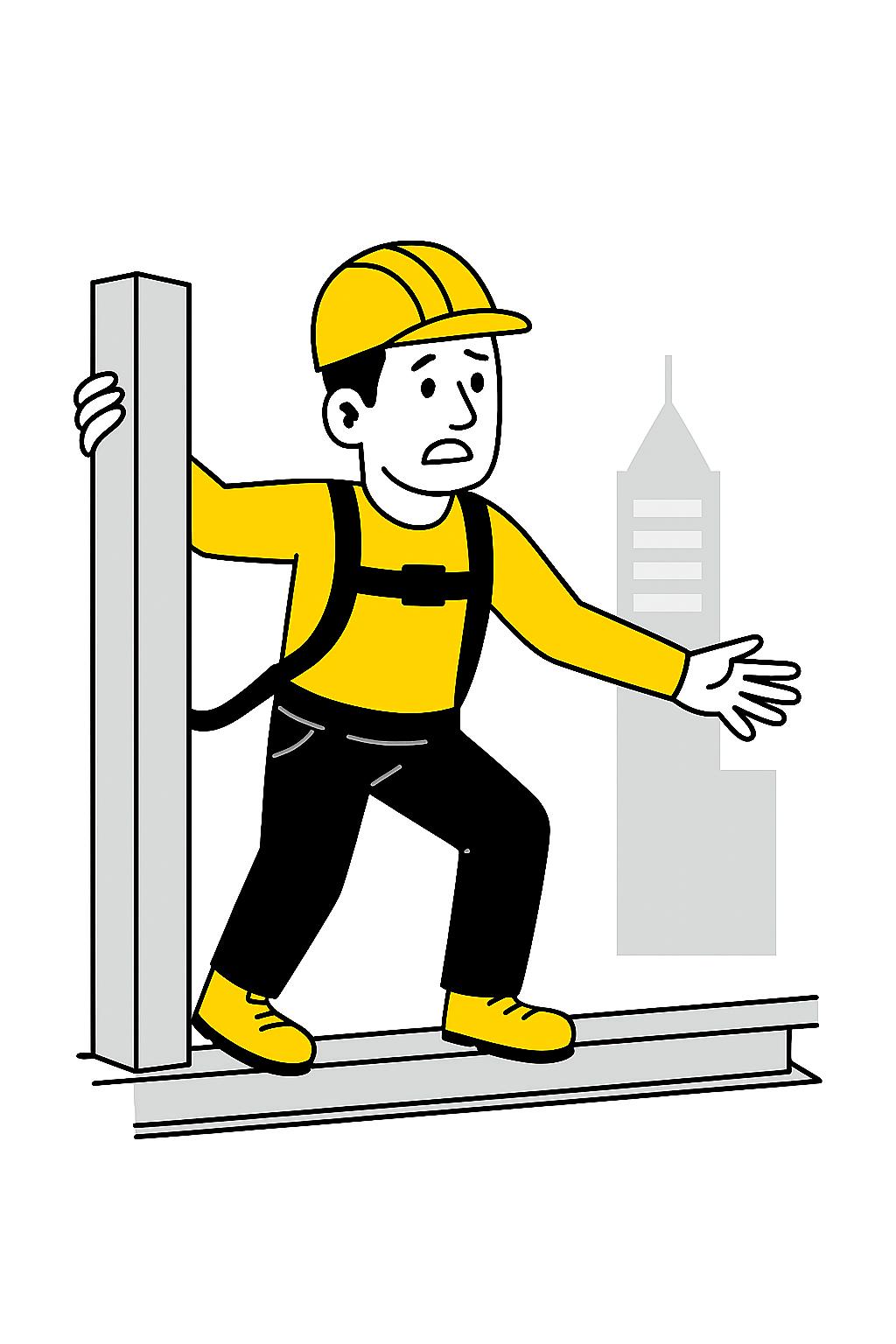
Why are People in High-Risk Occupations Charged a Higher Premium?
Insurers charge higher premiums for risky jobs because the chance of early claims is higher. Here’s why:
Increased chances of early death
Dangerous jobs increase the likelihood that the insured may die before the policy ends, leading to earlier claims.
Greater exposure to accidents
Roles involving heavy machinery, hazardous materials, or unstable environments have a higher rate of workplace injuries.
Frequent travel or remote work
Jobs that require travel to risky or remote areas increase uncertainty and potential exposure to harm.
Limited predictability
Unstable or changing work conditions make it harder for insurers to estimate long-term safety and risk.
Higher claim rates in similar roles
Previous data shows that people in certain occupations file more claims, which affects how insurers price policies for those jobs.
Common Life Insurance Limitations for Risky Occupations
Life insurance policies for high-risk jobs often come with specific limitations. These restrictions help insurance companies balance the increased risk while still providing coverage to individuals working in hazardous or unpredictable environments.
- Job-Related Death Exclusions: Some policies include clauses that prevent payouts if death occurs while performing job duties. For example, a firefighter may not be covered if the fatal incident happens during an emergency response unless specific coverage is added.
- Capped Coverage Amounts: To reduce financial exposure, insurers may limit the maximum benefit available to applicants in hazardous roles. This means your family might receive less than someone in a lower-risk job, even if you pay similar premiums.
- Waiting Periods: Certain policies delay full coverage for a set time after the policy begins, especially for accidental death benefits. This helps insurers manage early claims in high-risk professions.
- Limited Policy Options: Individuals in high-risk occupations may only be eligible for short-term coverage, such as term life insurance. Longer-term plans, such as whole life insurance or universal life, are often unavailable due to the extended risk they pose to insurers.
- Extra Application Requirements: Applicants may be asked to provide detailed information about their job duties, work environment, safety protocols, and employer records. This helps insurers better understand the actual level of risk involved before offering coverage.

Why Low Risk Jobs Get You Better Life Insurance Deals
Low-risk jobs offer several advantages in life insurance, including lower premiums, broader coverage, and faster approvals.
Lower Premiums
Safer occupations reduce the likelihood of workplace accidents or early death, which lowers the insurer’s risk. As a result, individuals in low-risk jobs, like teachers or software engineers, often enjoy significantly lower life insurance premiums.
More Policy Options
Low-risk professionals typically qualify for a broader range of life insurance products, including long-term plans like whole life and ULIPs. Insurers are more willing to offer flexible coverage when the job environment is stable and predictable.
Faster Approval
With fewer occupational hazards, applicants in low-risk roles often undergo basic risk evaluation. This can lead to quicker policy approvals and less documentation compared to those in high-risk professions.
Read More
Can You Reassess Your Premium If Your Job Changes?
In most cases, it depends on your policy and insurer. If you change to a safer job, your risk profile improves. This might help you get lower premiums, but only if you apply for a new policy or ask for a reassessment. Most insurers don’t adjust premiums automatically. Your current policy stays the same unless you make changes.
If you move to a riskier job, some policies may require you to inform the insurer. Failing to do so could impact future claims. Always check your policy terms. If your job changes significantly, it’s smart to review your coverage.
Tips to Obtain Affordable Life Insurance Premium Quotes in Risky Occupations
If you work in a high-risk occupation, there are still ways to improve your eligibility and reduce your life insurance premiums. Here are practical steps to consider:
- Work with a Knowledgeable Insurance Broker: Choose a broker who understands high-risk professions. They can guide you to insurers that are more flexible and experienced in understanding policies for your job type, improving your chances of approval and saving you time.
- Be Transparent about Your Job Duties: Clearly explain your daily responsibilities when applying. Insurers assess risk based on specific tasks, not just job titles. Accurate and detailed information helps avoid delays, misclassification, or denial of coverage.
- Use Group Life Insurance if Available: Employer-sponsored group plans often provide coverage to all employees, regardless of job risk. These policies may not require medical exams or undergo a thorough risk evaluation, making them a valuable option if individual coverage is limited.
- Explore Insurers that Specialise in High-Risk Jobs: Some companies focus on covering hazardous occupations and may offer better terms, fewer exclusions, and a more realistic understanding of your work environment
- Review Policy Exclusions Carefully: Pay close attention to clauses related to job-related incidents. Some policies exclude coverage for deaths that occur while performing work duties. Always clarify what is and isn’t covered before signing.
- Maintain a Healthy Lifestyle: Your overall health and personal habits also influence your premium. Staying fit, avoiding smoking, and managing health conditions can help offset the occupational risk and lead to better rates.
Your job plays a major role in shaping your life insurance, whether high-risk or low-risk. Riskier occupations may lead to higher premiums and stricter checks, while safer roles often enjoy smoother access and better rates. But no matter your profession, understanding how insurers assess occupational risk helps you make informed choices.
With the right plan, provider, and preparation, you can secure coverage that protects your future without compromising your career or peace of mind.
FAQs about How Occupation Impacts Life Insurance Premiums
Can my job affect my life insurance eligibility?
Why do some jobs lead to higher life insurance premiums?
Which occupations are considered high-risk by insurers?
Do office workers pay less for life insurance?
Can I be denied life insurance due to my job?
Do pilots pay more for life insurance?
Are firefighters charged higher life insurance premiums?
What happens if I change my job after buying insurance?
Is military service covered in life insurance?
Can freelancers or self-employed individuals get life insurance?
Do hazardous job duties affect term vs. whole life insurance differently?
How do insurers assess occupational risk?
Can I get life insurance if I work abroad in a dangerous location?
Are healthcare workers considered high-risk?
Does working night shifts or long hours affect life insurance?
Can I get life insurance if I’m a stunt performer or extreme sports instructor?
Do truck drivers or delivery personnel face higher premiums?
Are premiums affected by whether I work full-time or part-time?
Can I reduce my premium by changing jobs?
Do life insurers consider remote work safer?
Important Guides Related to Life Insurance

Renew & Download Policy Document, Check Challan, Credit Score, PUC & more
Anytime, Anywhere. Only on Digit App!

Rated App
Rated App
Scan to Download




IRDA Licensed Life Insurance Company in India - IRDAI Reg. No. 165

Sign-In to Digit Insurance
We have this phone number linked with the email ID in our database. Please login through OTP using this number or logout using below option and login again using new details.
Logout your email login