General
Life
Accessibility Options


General

General Products
Simple & Transparent! Policies that match all your insurance needs.
 Car Insurance
 Two Wheeler Insurance
 Commercial Vehicle Insurance
 Health Insurance
 Home Insurance
 Travel Insurance
 Business Insurance
Car Insurance
Two Wheeler Insurance
Commercial Vehicle Insurance
Health Insurance
Travel Insurance
Business Insurance
Car Insurance
Two Wheeler Insurance
Commercial Vehicle Insurance
Health Insurance
Travel Insurance


Scan to download

Life

Life Products
Digit Life is here! To help you save & secure your loved ones' future in the most simplified way.
 Term Life
 Savings Plan
 Retirement and Pension Plans
 Group Life Products
 Product Documents
Term Life
Savings Plan
Retirement and Pension Plans
Group Life Products
Product Documents
Term Life
Savings Plan
Retirement and Pension Plans
Group Life Products
Scan to download

Claims

Claims
We'll be there! Whenever and however you'll need us.
 Customer Support
 Motor Claims
Health Claims
Motor Claims
Health Claims
 Marine Insurance
 Grievance Redressal
Customer Support
Motor Claims
Health Claims
Marine Insurance
Grievance Redressal
Grievance Redressal
Customer Support
Motor Claims
Health Claims
Marine Insurance
Grievance Redressal
Scan to download
 General
 Life
General
Life
Life
General
Life
Renewals
Resources

Resources
All the more reasons to feel the Digit simplicity in your life!
Exclusive Features
 Transparency Report
Others
Exclusive Features
Transparency Report
Transparency Report
Others
Exclusive Features
Transparency Report
Scan to download


Our WhatsApp number cannot be used for calls. This is a chat only number.

 Grey Scale
 Readable Text
 Reset
Reset



Buy/Renew Comprehensive Car Insurance Policy

10000+
Cashless Garages

5100 Crore+
Paid-in Claims

1.5 Crore+
Policies Sold
I agree to the Terms & Conditions

Buy Online for Huge Savings
Check Price
Car insurance Online, Up to 90% Discount
10000+
Cashless Garages
5100 Crore+
Paid-in Claims
1.5 Crore+
Policies Sold
Comprehensive car insurance combines third‑party liability cover with protection for damage or loss to your own car under a single plan. It protects you against financial losses arising from road accidents, theft of the car, fire, natural disasters such as floods and cyclones, and certain man‑made incidents, subject to the policy terms and conditions.
Unlike basic third‑party insurance, which only fulfils legal requirements, comprehensive insurance also safeguards your own vehicle. The coverage can be further enhanced with add‑ons such as zero depreciation, engine protection, or roadside assistance to reduce out‑of‑pocket costs during repairs or claims, making it a more complete protection option.

Key takeaway: Comprehensive car insurance protects your own car in addition to third‑party liabilities, unlike basic compulsory cover.

Own Damage/Accidents
Repairs or replacement costs for damage to your own car caused by road accidents, collisions, or overturning, irrespective of fault.

Car Theft and Vandalism
Coverage for total loss if the car is stolen, as well as damage caused due to attempted theft or malicious acts such as vandalism.

Damage Due to Natural Calamities
Loss or damage caused by natural events such as floods, cyclones, storms, earthquakes, landslides, and other insured natural disasters.

Fire and Explosion
Damage to the car or its parts caused due to fire, explosion, self‑ignition, or lightning.

Third‑Party Liability
Legal liability arising from injury, death, or property damage caused to a third party due to the insured vehicle.

Personal Injuries/Death
Coverage for accidental death or permanent disability of the owner‑driver, provided the mandatory personal accident (PA) cover is included in the policy.

Man‑Made Hazards
Damage caused due to riots, strikes, civil disturbances, or during transit of the car by road, rail, or inland waterways, as specified in the policy.

Wear and Tear & Maintenance
Aging and maintenance‑related issues such as worn‑out tyres, brake pads, clutch plates, or faded paint are not covered.

Mechanical or Electrical Failures
Mechanical or electrical breakdowns that are not caused by an accident (for example, engine or gearbox failure due to internal malfunction) are generally excluded.

Drunk Driving or Illegal Activities
Claims are not payable if the vehicle was being driven under the influence of alcohol or drugs or was involved in illegal activities at the time of the incident.

Driving Without a Valid License
If the driver did not hold a valid driving license at the time of the accident, the claim may be rejected.

Depreciation of Parts
The depreciation in value of car parts over time is applied during claims. Full reimbursement is usually available only if a zero‑depreciation add‑on is purchased.

Add‑ons Not Purchased
Benefits linked to specific add‑ons cannot be claimed if those add‑ons were not selected while buying or renewing the policy.

Consequential Losses
Indirect damages such as engine damage caused by driving through waterlogged areas are typically not covered unless an appropriate add‑on (like engine protection) is in place.
Contributory or Preventable Negligence
Losses caused due to avoidable actions, such as driving through flooded roads against advisories or ignoring manufacturer guidelines, may not be covered.

Driving without a valid License Holder
In case you have a learner’s license, you should be driving with a valid license holder. Your car insurance won’t cover you otherwise.

Commercial Usage of a Private Vehicle
Using a private car for commercial purposes such as taxi services (Ola/Uber), courier or delivery work can invalidate claims.

Personal Belongings Inside the Car
Theft or damage of personal items inside the vehicle, such as laptops, phones, or bags, is generally not covered unless a personal belongings cover is added at the time of policy purchase.

Undeclared Modifications or Accessories
Customisations or accessories (such as CNG kits or other modifications) that are not declared and insured may lead to claim rejection.
Most comprehensive insurance claim rejections happen due to delayed intimation, missing add‑ons, or violation of policy terms.

Yes, comprehensive car insurance is generally worth it for new cars, high‑value vehicles, or if you cannot afford to repair or replace your car out of pocket. Comprehensive car insurance offers broader protection than mandatory third‑party insurance by covering losses due to accidents, theft, fire, natural disasters, vandalism, and other non‑collision risks, making it especially valuable for cars driven regularly or kept in high‑risk areas.
However, it may not be cost‑effective for older cars with low market value or low IDV, particularly if the annual premium is high compared to the car’s worth or if the owner is financially comfortable handling repair or replacement expenses by themselves.
Comprehensive car insurance is best suited for car owners who want financial protection beyond legal compliance, especially against accidents, theft, and natural disasters. It is particularly suitable for people whose cars have higher value, are used frequently, or are exposed to greater everyday risks, where repair or replacement costs can be significant.
New Car Owners
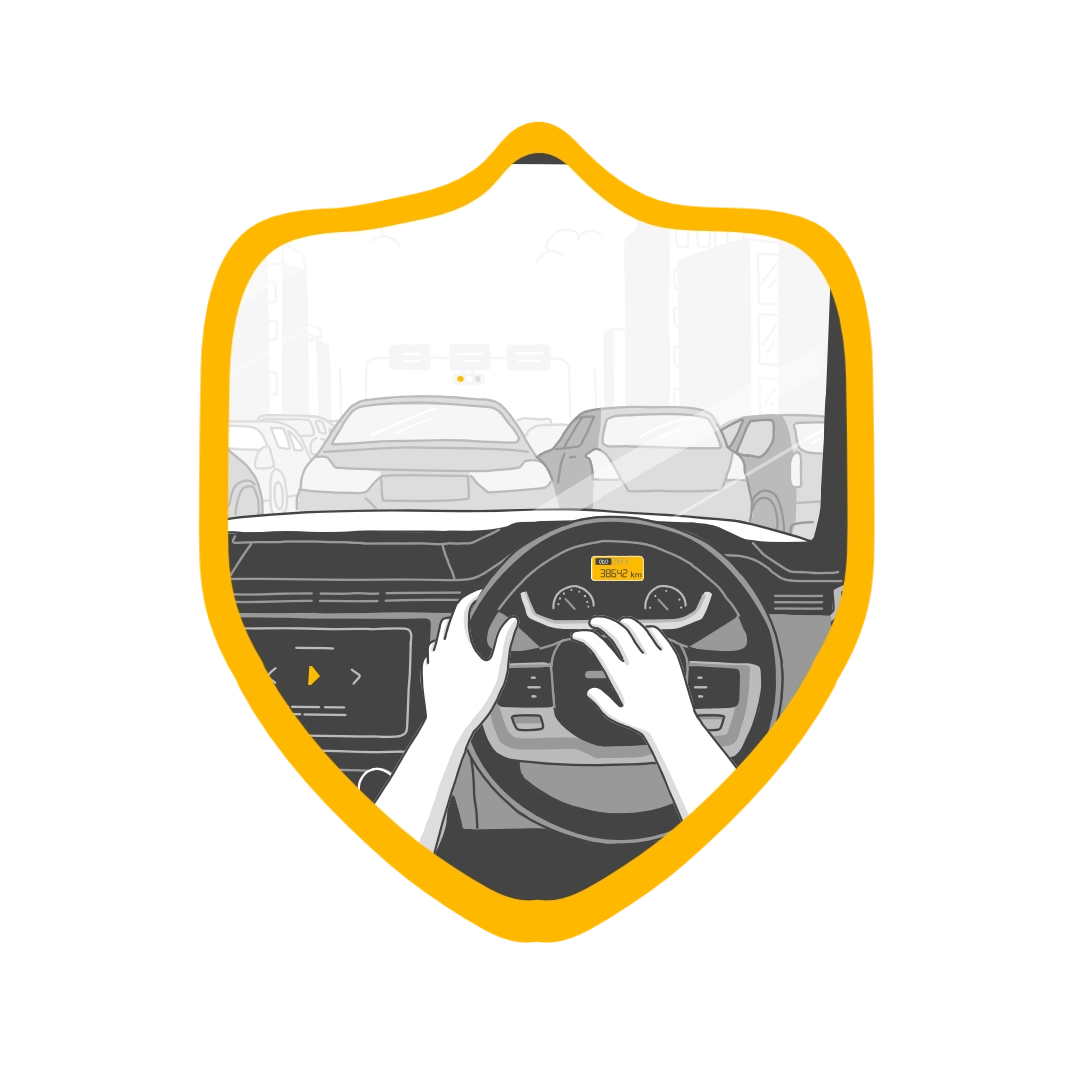
People Living in Metro or High‑Traffic Cities

Owners of Luxury or High‑Value Cars
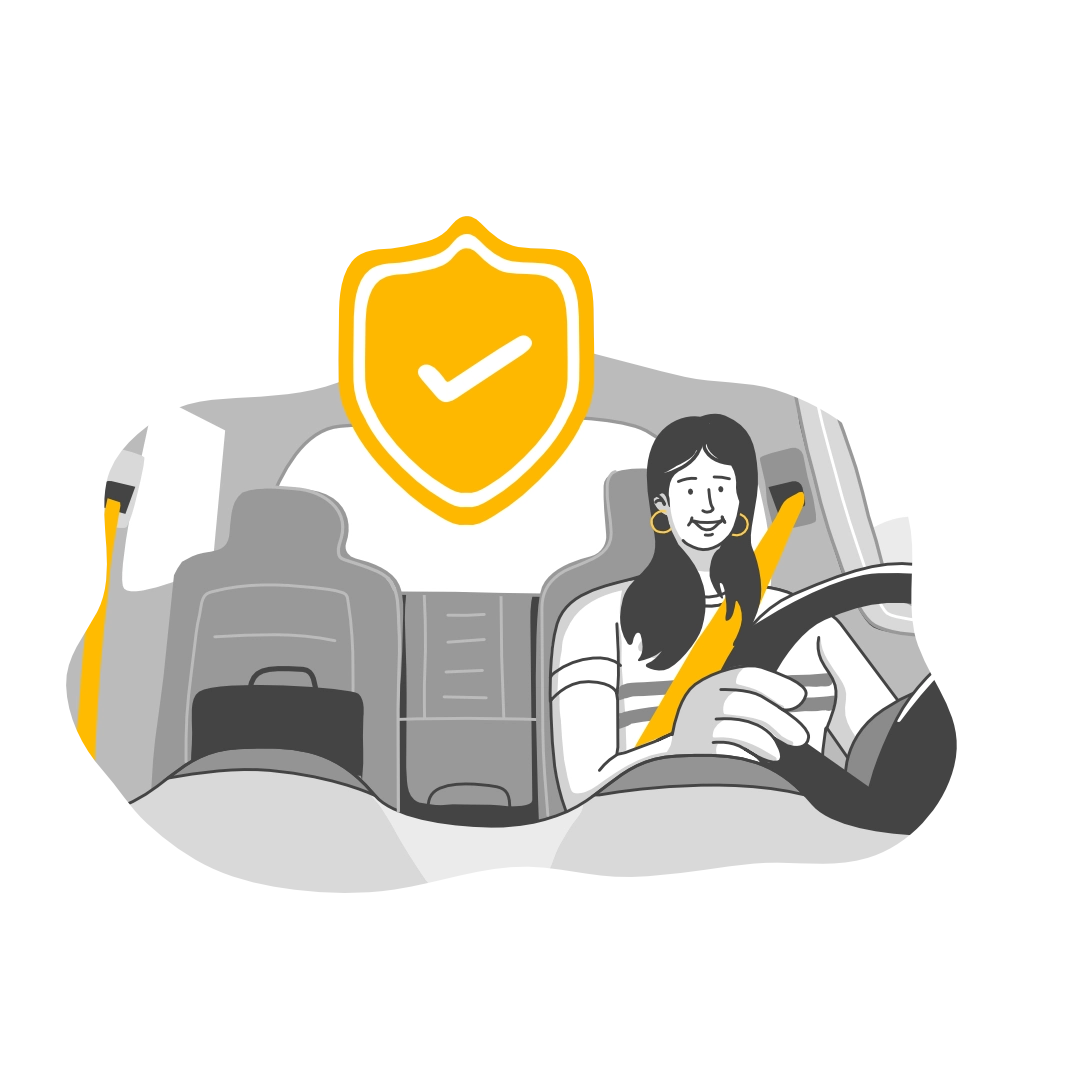
Daily Commuters and Frequent Drivers

Car Owners in High‑Risk Areas

Car Owners Who Want Maximum Financial Protection

No, comprehensive car insurance is not legally mandatory in India; only third‑party insurance is compulsory under the Motor Vehicles Act, 1988 for all vehicles driven on public roads. This mandatory cover protects you against legal liability caused to a third party.
A comprehensive car insurance policy is optional but strongly recommended, as it provides wider financial protection. This makes comprehensive insurance a more practical choice for car owners who want complete protection beyond mere legal compliance.
Comprehensive car insurance may not be the most cost‑effective option for every car owner, especially when the premium does not justify the car’s value or usage. In certain situations, third‑party car insurance may be sufficient when your car has low market value, limited usage, or when you are comfortable paying for repairs yourself.
Owners of Very Old or Low‑Value Cars
If your car is over 10–12 years old and has a very low Insured Declared Value (IDV), the annual premium of comprehensive insurance may be higher than the payout you would realistically receive in case of damage or loss.
Cars with Low Repair or Replacement Costs
When repair costs are manageable and lower than the premium paid or close to the deductible amount, comprehensive insurance may not offer meaningful financial advantage.
People Who Use Their Car Rarely
If your car is driven infrequently, stays parked for long periods, or is kept in a secure location; the overall risk of exposure is lower, making third‑party insurance a more economical choice.
Budget‑Conscious Car Owners
Comprehensive insurance costs more than third‑party cover. If keeping insurance expenses minimal is a priority and you only want to remain legally compliant, comprehensive cover may not be necessary.
Drivers Willing to Self‑Fund Repairs
If you have sufficient savings and are comfortable paying for repairs or even replacement by yourselves, the additional premium for comprehensive insurance may feel unnecessary.
Cars Near End‑of‑Life or Planned for Sale
If the car is close to scrappage, has little resale value, or you plan to sell it in the near future, renewing a full comprehensive policy may not be worth the cost.
While both policies cover third‑party liability, comprehensive car insurance also covers damage to your own car, offering broader financial protection. Here’s a quick comparison to highlight the key differences between comprehensive and third‑party car insurance.
Here’s a clear comparison of the pros and cons of comprehensive car insurance to help you decide if it’s the right choice for your car.
Add‑ons are optional covers that enhance your comprehensive car insurance by protecting against specific risks not included in the base policy. By paying a small additional premium, you can customise your coverage based on your car’s usage, value, and risk exposure.
Below are the add‑on options available with Digit’s IRDAI‑approved comprehensive car insurance policy.

Zero Depreciation Cover
Zero depreciation cover removes depreciation deductions on car parts during a claim. This means with a zero depreciation add-on you receive higher claim payouts and significantly lower out‑of‑pocket expenses for repairs or replacements.

Return to Invoice (RTI) Cover
In the event of total loss or theft, the Return to Invoice add‑on ensure you receive the full invoice value of your car, including ex‑showroom price, road tax, and registration charges, instead of the depreciated IDV.

Tyre Protect Cover
Tyre damage is usually not covered unless caused by an accident. The tyre protect add‑on provides coverage for tyre bursts, cuts, bulges, and other uninsured tyre damages, helping you avoid high replacement costs.

Breakdown Assistance
The breakdown assistance cover provides on‑road assistance during situations such as car breakdowns, towing, flat tyres, dead batteries, or fuel emergencies. It offers 24×7 support and typically does not count as a claim under your policy.

Consumable Cover
The consumable cover pay for the cost of consumable items used during repairs after an accident. This includes engine oil, screws, nuts and bolts, washers, grease, brake fluid, coolant, and similar items that are otherwise not covered under a standard comprehensive policy.

Engine and Gear-box Protection Cover
This add‑on protects your car’s engine and gearbox against consequential damages, such as those caused by water ingression or engine oil leakage after an accident. Since standard policies usually exclude such damages, engine and gear-box protection cover is especially useful in flood‑prone or high‑traffic areas.

Daily Conveyance Benefit
If your insured car is in the garage for repairs due to an approved claim, the daily conveyance benefit add‑on compensates your daily commute expenses. Depending on policy terms, it may provide a fixed daily allowance or a standby vehicle for the repair duration.

Key and Lock Protect
Key and Lock Protect covers the cost of repair or replacement of your car keys and lockset in case of loss, theft, or damage. The key and lock protect add-on is particularly useful for modern cars with electronic or smart key systems that are expensive to replace.

Pay As You Drive Cover
Pay As You Drive (PAYD) is designed for low‑mileage drivers. It offers discounts on the own‑damage premium based on the kilometre slab you select. You also have the flexibility to top up kilometres during the policy period by paying an additional premium.

EV Shield Add‑On Cover
The EV Shield add‑on cover is specifically designed for electric cars. It offers protection for EV‑specific components such as the vehicle charger, charging cable, and electrical panel at the charging point, along with roadside assistance services tailored for electric vehicles.
The right car insurance add‑ons depend on your car’s age, usage, and where you drive it. While add‑on selection varies by use case, covers like Zero Depreciation, Engine Protection, and Roadside Assistance are commonly recommended to strengthen comprehensive car insurance and reduce out‑of‑pocket expenses during claims.
Below are common use‑case scenarios, along with the add‑ons best suited for each and why they make sense.

Comprehensive car insurance premiums are influenced by multiple factors related to your car’s value, usage, location, and claims history. These factors help insurers assess the overall risk involved and determine the final premium payable.
Here are the key factors that affect the cost of comprehensive car insurance:

Insured Declared Value (IDV)
Your car’s IDV is its approximate market value. So, the higher the IDV, the higher the premium of your car insurance policy.

No Claim Bonus (NCB)
Let's understand what is ncb in car insurance. It is the discount you receive on your insurance premium if you haven’t raised any claim in the previous policy year. So, depending on your claims record, your next year’s premium will be lower.
Model/Make of Car
The make and model of your car significantly affect your car insurance premium as the more expensive car model, the higher the premium will be. Similarly, if your car is fitted with expensive parts or powerful engines, they will have higher repair costs, and hence higher premiums.

Car’s Age
Older cars fetch less base premium as the depreciation on their parts increases, making them lose their value over time.

Add-ons
Getting car insurance add-ons from the 11 add-on covers available with comprehensive insurance for cars at Digit increases your base premium amount, as they offer enhanced protection in different scenarios.

RTO Location
Your car’s RTO location or where your vehicle is registered also impacts the insurance premium. If it's a high-traffic metro city or accident-prone area, you are liable to pay a higher premium due to the increased risk.
Modifications to Car
If you’ve made any modifications to your car to enhance its performance or aesthetic, you will have to pay a higher insurance premium amount to cover the costs of these parts.

Engine Capacity and Fuel Type
Cars with larger engine capacity usually have higher premiums due to increased risk of exposure. Fuel type also matters, as diesel, petrol, and electric vehicles have different repair complexities and pricing structures.

Voluntary Deductibles
Opting for a higher voluntary deductible reduces the premium but increases the amount you pay during a claim.

You can use our Car Insurance Premium Calculator to easily estimate the premium of comprehensive car insurance. It considers various factors such as the car's IDV, NCB, add-on covers you bought, RTO location of your four-wheeler, and any modifications made to your car for aesthetic purposes or to enhance performance.
However, the formula to calculate the premium payable for a car insurance policy is:
Premium = Third-party car insurance premium (fixed by IRDAI) + (Own Damage - NCB and other discounts (if applicable)) + add-ons
We treat our customers like VIPs, know how…

Cashless Repairs
With access to over 10000+ cashless garages across India, you can get your car repaired without worrying about upfront payments. Digit also offers pickup and drop, adding convenience to the repair process.

Smartphone-Enabled Self Inspection
Skip the hassle of physical inspections. Digit allows you to upload photos and videos of the damage directly from your smartphone, making the claim process faster and more convenient.

Super-Fast Claims
Quick and hassle-free claim process that's digital and paperless

24*7 Support
Whether it’s a weekday, weekend, or national holiday, Digit’s support team is available round the clock to assist you with queries, claims, or policy updates.

Customize Your Vehicle IDV
You have the flexibility to set your car’s Insured Declared Value (IDV) based on your preference. This helps you balance your coverage and premium according to your needs.

Complimentary Wellness Benefits
As a Digit customer, you get access to exclusive wellness offers & benefits. Top-rated health and wellness partners provide these benefits, adding extra value to your insurance plan.
Choosing the right comprehensive car insurance plan is about finding the right balance between coverage, cost, and claim convenience. Instead of focusing only on the premium, evaluate the plan based on how well it protects your car and how easy it will be to claim when needed.
Here are the key factors you should consider before buying or renewing a comprehensive car insurance policy:
Evaluate the Insured Declared Value (IDV)
Choose an IDV close to your car’s current market value. A higher IDV increases the premium but ensures better compensation in case of theft or total loss, while a very low IDV can reduce claim payouts.

Select Essential Add‑ons Based on Your Needs
Pick add‑ons that match your car’s age, usage, and location, such as Zero Depreciation Cover, Engine Protection Cover, NCB Protection and Roadside Assistance.
Check the Cashless Garage Network
Choose an insurer like Digit with a wide network of cashless garages, to make repairs easier and reduce upfront payments.

Review Claim Settlement Reliability
Consistent claim settlement performance improves the overall claim experience and reduces post‑accident stress.
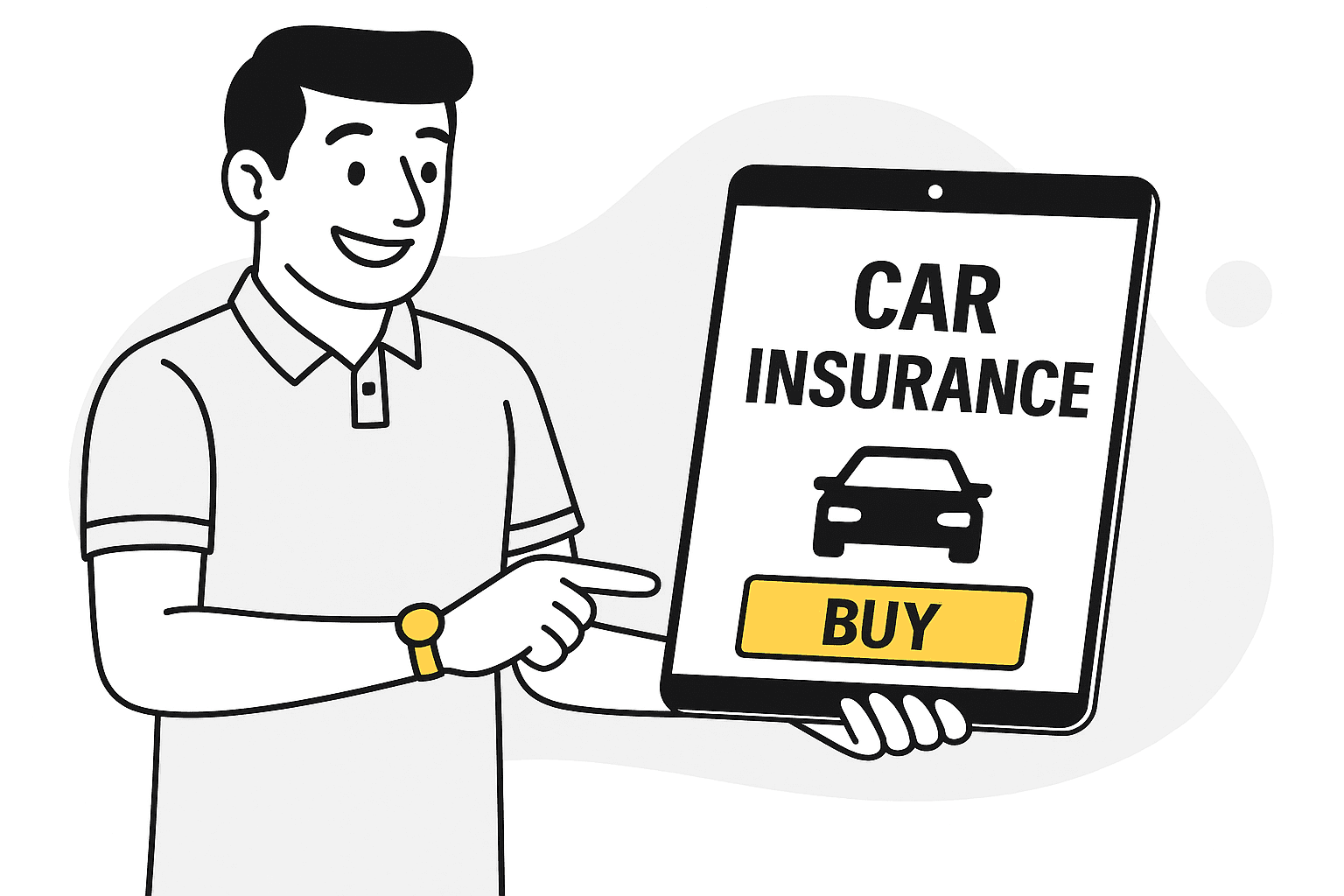
Enter Car Details
On the Digit App or website, enter car registration number and select the policy status.
Choose a Plan
Select the type of car insurance plan and choose desired add-ons.
Enter Personal Details
Enter your personal, nominee and vehicle details, and move to the next step.
Make Payment
Complete the payment and mandatory KYC verification process.
That's It!
You’ll receive the policy document via email, SMS and WhatsApp. Also, you can access it 24X7 on the Digit App.

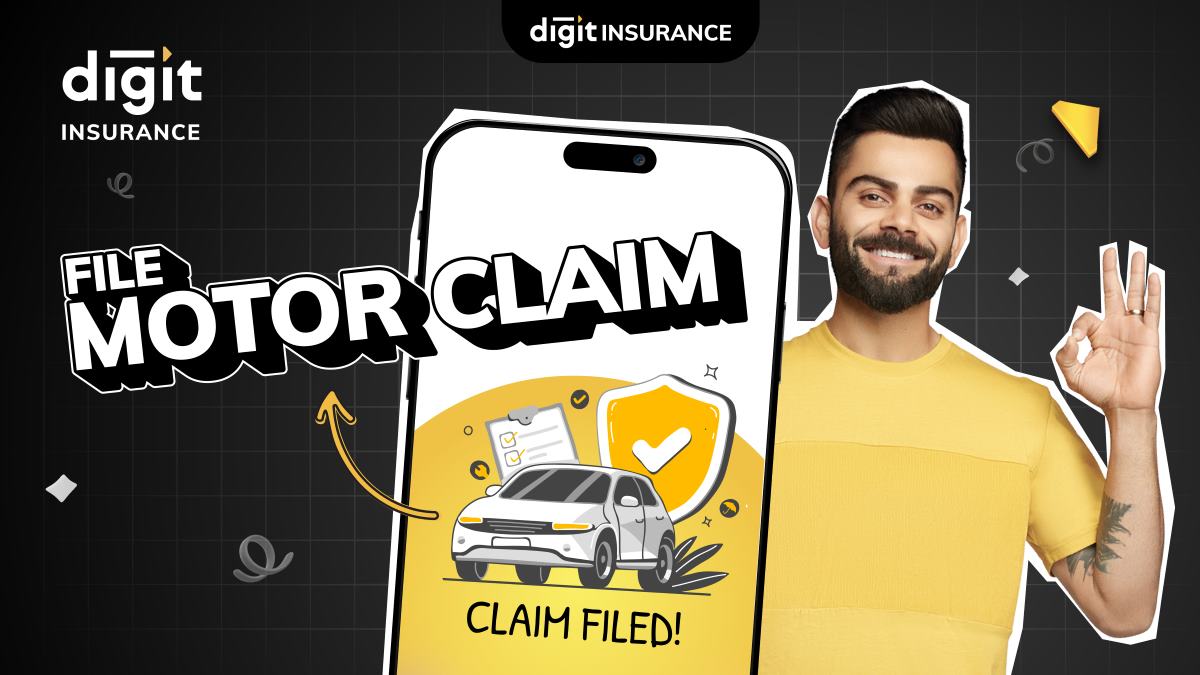
Step 1: Inform the Insurer
Report the incident as soon as possible after the accident, theft, or damage.
Step 2: Capture the Damage
Take photos or videos of the car, location, and visible damage.
Step 3: File an FIR if Required
This is especially important in theft cases or major incidents.
Step 4: Submit the Claim Request
Raise the claim through the app, website, or customer support.
Step 5: Complete Inspection
Proceed with self-inspection or insurer-led inspection depending on the case.
Step 6: Repair the Vehicle
Get the car repaired at a network garage for a cashless claim or proceed through reimbursement, if applicable.
Step 7: Share Required Documents
Submit the necessary documents such as RC, driving license, policy details, repair estimate, and FIR where needed.
Step 8: Track Claim Settlement
Follow the repair and claim approval status until closure.
Comprehensive car insurance protects all kinds of cars- whether luxurious, old, or new. However, most people get a third-party car insurance policy for their old cars when they should get a comprehensive car insurance policy. This is because it is more beneficial and offers enhanced coverage for an old car if you still use it regularly.
Also, before deciding on buying comprehensive insurance coverage for your old car, consider its age as well as how long you plan to continue using it.
For example, if you have a car older than 10 years, but you use it regularly for commuting to work and plan to use it for the next four years.
So, getting comprehensive car insurance would be a wise decision as older cars have lower market value so you can get insured for a lower premium and get enhanced protection.



Content Writer
Storyteller at heart, Manasvi brings 4 years of content and marketing experience to Digit. Whether it's writing SEO-optimised articles or a researched and insightful blog, she strives to transform ideas into creating impactful and engaging content.


Product Head - Motor
Mayur specializes in motor insurance and is responsible for overseeing the development and management of motor insurance products. With expertise in product strategy and market analysis, he focuses on developing customer-centric insurance solutions.