General
Life
Accessibility Options


General

General Products
Simple & Transparent! Policies that match all your insurance needs.
 Car Insurance
 Two Wheeler Insurance
 Commercial Vehicle Insurance
 Health Insurance
 Home Insurance
 Travel Insurance
 Business Insurance
Car Insurance
Two Wheeler Insurance
Commercial Vehicle Insurance
Health Insurance
Travel Insurance
Business Insurance
Car Insurance
Two Wheeler Insurance
Commercial Vehicle Insurance
Health Insurance
Travel Insurance


Scan to download
Life

Life Products
Digit Life is here! To help you save & secure your loved ones' future in the most simplified way.
 Term Life
 Savings Plan
 Retirement and Pension Plans
 Group Life Products
 Product Documents
Term Life
Savings Plan
Retirement and Pension Plans
Group Life Products
Product Documents
Term Life
Savings Plan
Retirement and Pension Plans
Group Life Products
Scan to download

Claims
Claims
We'll be there! Whenever and however you'll need us.
 Customer Support
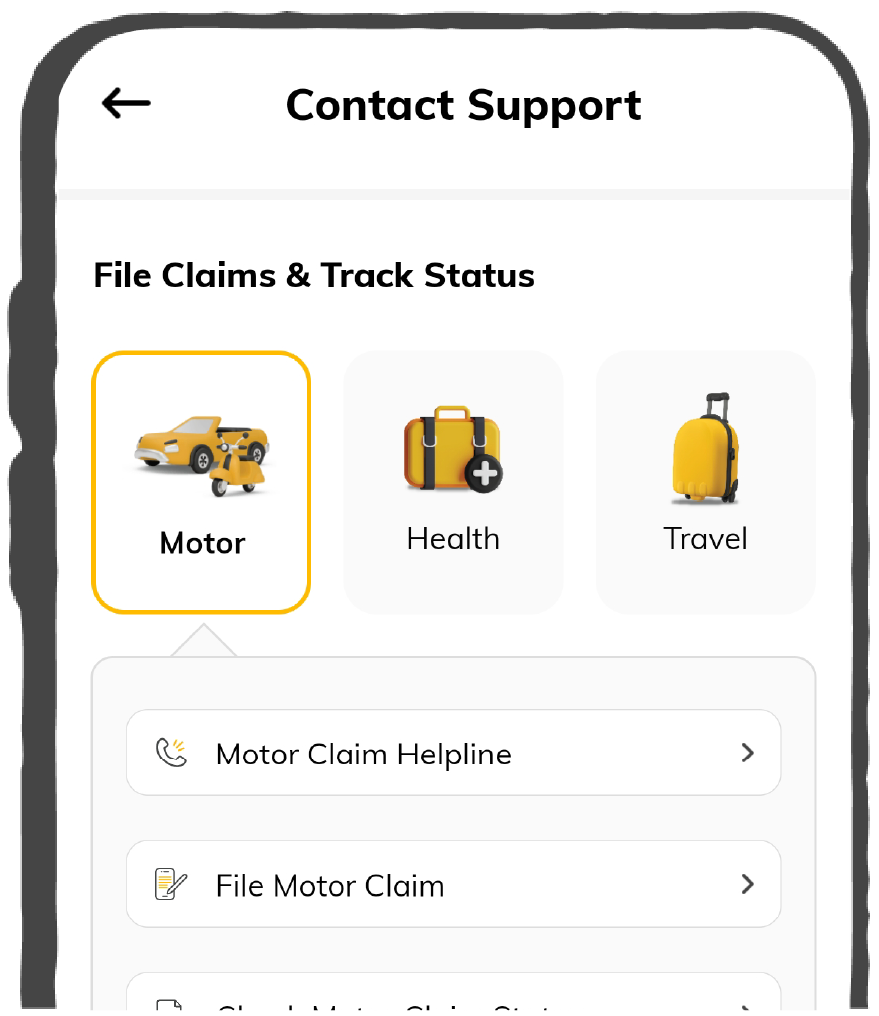
 Motor Claims
Health Claims
Motor Claims
Health Claims
 Marine Insurance
 Grievance Redressal
Customer Support
Motor Claims
Health Claims
Marine Insurance
Grievance Redressal
Grievance Redressal
Customer Support
Motor Claims
Health Claims
Marine Insurance
Grievance Redressal
Scan to download
 General
 Life
General
Life
Life
General
Life
Renewals
Resources
Resources
All the more reasons to feel the Digit simplicity in your life!
Exclusive Features
 Transparency Report
Others
Exclusive Features
Transparency Report
Transparency Report
Others
Exclusive Features
Transparency Report
Scan to download


Our WhatsApp number cannot be used for calls. This is a chat only number.

 Grey Scale
 Readable Text
 Reset
Reset



Buy/Renew Goods Carrying Vehicle Insurance

2000+
Cashless Garages

2400 Crore+
Paid-in Claims

80 Lacs+
Policies Sold
I agree to the Terms & Conditions

Buy Online for Huge Savings

Check Price
Buy Commercial Vehicle Insurance Online
2000+
Cashless Garages
2400 Crore+
Paid-in Claims
80 Lacs+
Policies Sold
Goods carrying vehicle insurance is a type of commercial vehicle insurance that protects your vehicle against damages and covers third‑party liabilities. It helps you stay financially protected from risks such as accidents, theft, fire, and natural disasters, while also ensuring compliance with the Motor Vehicles Act, 1988. The policy covers the vehicle itself, not the goods being transported, which need to be insured separately if you want protection for the cargo as well.
Goods carrying vehicles differ based on how they are used, the type of goods they carry, and the risks they are exposed to on the road.
No, standard goods carrying vehicle insurance usually does not cover the goods or cargo being transported. It covers the insured goods vehicle, third-party liability, and owner-driver cover as per policy terms. Cargo protection generally needs a separate goods-in-transit, carrier’s legal liability, or marine cargo policy.
Goods vehicle insurance and cargo insurance serve completely different purposes, even though both are used in goods transportation.
Goods Vehicle Insurance is meant to protect the vehicle itself. It covers damage to the truck or commercial vehicle due to accidents, fire, theft, or natural disasters, along with third party liability as required under law. The focus here is on the vehicle owner’s financial protection.
Cargo or Goods-in-Transit Insurance, on the other hand, protects the goods being transported. It covers loss or damage to the cargo due to risks like accidents, theft, mishandling, fire, or transit-related incidents. This policy is usually taken by the owner of the goods, not necessarily the vehicle owner.
In simple terms, goods vehicle insurance protects the carrier, while cargo insurance protects the consignment. For complete risk coverage during transportation, especially in commercial operations, both are typically needed together.
A goods carrying vehicle insurance protects your business from financial losses while ensuring you stay legally compliant on the road.
Reduces financial risk for your business:
Insuring your goods carrying vehicle protects you against unexpected losses caused. This ensures that your business operations are not severely impacted by sudden repair or replacement costs.
Legally mandatory in India:
As per the Motor Vehicles Act, all goods carrying vehicles must have at least a third‑party commercial vehicle insurance policy. Driving without it can lead to heavy fines, penalties, or legal consequences.
Covers third‑party liabilities:
If your vehicle causes injury, death, or property damage to a third party, the insurance covers the financial and legal liabilities, protecting you from significant out-of-pocket expenses.
Protects against own vehicle damage:
With a comprehensive policy, you are covered for repair or replacement costs if your vehicle is damaged due to accidents, fires, collisions, or other unforeseen events.
Covers natural and man‑made calamities:
Goods carrying vehicles are constantly on the road and exposed to risks like floods, earthquakes, storms, riots, and strikes. Insurance helps safeguard your finances against such unpredictable situations.
Provides theft protection:
In case your goods carrying vehicle is stolen, the policy compensates you based on the Insured Declared Value (IDV), helping you recover your financial loss.
Personal accident cover for owner/driver:
Insurance also offers compensation in case of accidental injury, disability, or death of the owner-driver while operating the vehicle, adding an extra layer of security.
We treat our customers like VIPs, know how…

Customize your Vehicle IDV
With us, you can customize your vehicle IDV as per your choice!

24*7 Support
24*7 call facility even on National Holidays

Super-Fast claims
Smartphone enabled self-inspection processes takes minutes!
This policy covers damage to the insured vehicle and third-party liability under a comprehensive plan.

Accidents
Damages and losses caused to the goods carrying vehicle due to an accident.

Theft
Any damages and losses caused to the goods carrying vehicle in the case of a theft.

Fire
Any damages or losses caused to the goods carrying vehicle in an unfortunate case of fire.

Natural Disasters
Any damages and losses caused to your goods carrying vehicle due to floods, earthquakes and other natural calamities.

Personal Accident
Covers for any personal injuries or death of the owner-driver of the insured goods carrying vehicle.

Third Party Losses
Covers for losses and damages caused to a third-party vehicle, property or person due to the insured goods carrying vehicle, in the case of an accident or collision.

Towing Disabled Vehicles
Covers for any damages caused to your goods carrying vehicle in cases where it's being towed.
It is equally important to know what’s not covered in your goods carrying vehicle insurance policy so that there are no surprises when you make a claim. Here are some such situations:
Switch to Digit Existing Digit Policy
Enter Vehicle Details
On the Digit App or website, enter the vehicle registration number and select the policy status.
Choose a Plan
Select the type of goods carrying insurance plan and choose desired add-ons.
Enter Personal Details
Enter your personal, nominee and vehicle details, and move to the next step.
Make Payment
Complete the payment and mandatory KYC verification process.
That's It!
You’ll receive the policy document via email, SMS and WhatsApp. Also, you can access it 24X7 on the Digit App.
Based on the type of your heavy-duty vehicle and number of vehicles you want to insure, we offer two primary plans you can choose from.
Liability Only
Standard Package
|
Damages caused by your goods carrying vehicle to any third-party person or property. |
✔
|
✔
|
|
Damages caused to any third-party person or property by the vehicle being towed by your insured goods carrying vehicle. |
✔
|
✔
|
|
Loss or damages to own goods carrying vehicle due to natural calamities, fire, theft or accidents. |
×
|
✔
|
|
Injury/death of goods carrying vehicle owner-driver If the owner-driver doesn’t already have a Personal Accident Cover from before |
✔
|
✔
|
Call us at 1800-258-5956 or drop us an email at hello@godigit.com
Keep your details such as policy number, location of the accident, date & time of the accident, and contact number of the insured/caller handy to make our process easier.
The premium you pay depends on how risky the vehicle is to insure, based on its specifications, usage, and the level of coverage you choose.
Type and size of the vehicle
Larger and heavier vehicles like trucks usually have higher premiums than smaller goods carriers due to higher risk exposure.
Vehicle age and condition
Older vehicles or those in poor condition may attract higher premiums as they are more prone to breakdowns and damage.
Usage and distance covered
Vehicles used for long-distance or frequent trips are considered riskier than those used occasionally or for short distances.
Geographical area of operation
Operating in high-traffic, urban, or accident-prone areas can increase the premium compared to safer regions.
Type of coverage selected
Third-party plans cost less, while comprehensive policies with own damage and add-ons increase the premium.
Add-ons chosen
Optional covers like zero depreciation, engine protection, roadside assistance, etc., raise the overall premium.
Claim history and No Claim Bonus (NCB)
A clean claim history helps reduce the premium, while frequent claims can increase it.
Insured Declared Value (IDV)
A higher IDV (vehicle value) leads to a higher premium, as the insurer’s liability increases.
Nature of goods (risk exposure)
Transporting hazardous or high-value goods can indirectly impact overall risk and pricing.
Claims are typically rejected when policy conditions are not met or when the loss falls outside the scope of coverage.
Driving without a valid licence
If the driver does not hold a valid or appropriate licence for a goods vehicle, the claim can be denied.
Driving under the influence
Any accident involving alcohol or drug influence is excluded under standard policy terms.
Overloading beyond permitted capacity
Carrying goods beyond the vehicle’s approved limit increases risk and can lead to claim rejection.
Invalid or expired vehicle documents
Missing or expired permit, fitness certificate, or registration can make the claim invalid.
Incorrect usage of the vehicle
Using the vehicle for purposes not covered in the policy (for example, passenger transport in a goods vehicle) can lead to rejection.
Route or permit mismatch
Operating outside approved routes or permit conditions can violate policy terms.
Delay in claim intimation
Not informing the insurer within the required time can complicate verification and lead to rejection.
Incomplete or incorrect documentation
Missing key documents like FIR, RC, licence, or claim form can result in denial.
Missing or improper load documents
Absence of valid invoices, e-way bills, or consignment details can raise issues during claim assessment.
Claiming goods damage under vehicle policy
Goods carrying vehicle insurance does not cover cargo; such claims are not admissible.
Attempting own-damage claims under liability-only policy
If you have only third-party insurance, damage to your own vehicle is not covered.
Contributory negligence or preventable damage
If the loss is due to avoidable negligence or mechanical misuse, the insurer may reject the claim.