General
Life
Accessibility Options


General

General Products
Simple & Transparent! Policies that match all your insurance needs.
 Car Insurance
 Two Wheeler Insurance
 Commercial Vehicle Insurance
 Health Insurance
 Home Insurance
 Travel Insurance
 Business Insurance
Car Insurance
Two Wheeler Insurance
Commercial Vehicle Insurance
Health Insurance
Travel Insurance
Business Insurance
Car Insurance
Two Wheeler Insurance
Commercial Vehicle Insurance
Health Insurance
Travel Insurance



Scan to download

Life

Life Products
Digit Life is here! To help you save & secure your loved ones' future in the most simplified way.
 Term Life
 Savings Plan
 Retirement and Pension Plans
 Group Life Products
 Product Documents
Term Life
Savings Plan
Retirement and Pension Plans
Group Life Products
Product Documents
Term Life
Savings Plan
Retirement and Pension Plans
Group Life Products
Scan to download

Claims

Claims
We'll be there! Whenever and however you'll need us.
 Customer Support
 Motor Claims
Health Claims
Motor Claims
Health Claims
 Marine Insurance
 Grievance Redressal
Customer Support
Motor Claims
Health Claims
Marine Insurance
Grievance Redressal
Grievance Redressal
Customer Support
Motor Claims
Health Claims
Marine Insurance
Grievance Redressal

Scan to download
 General
 Life
General
Life
Life
General
Life
Renewals
Resources

Resources
All the more reasons to feel the Digit simplicity in your life!
Exclusive Features
 Transparency Report
Others
Exclusive Features
Transparency Report
Transparency Report
Others
Exclusive Features
Transparency Report
Scan to download


Our WhatsApp number cannot be used for calls. This is a chat only number.

 Grey Scale
 Readable Text
 Reset
Reset



Room rent capping in health insurance refers to the maximum amount your insurer will pay for your hospital room charges during hospitalisation. This limit may be specified as a fixed daily amount, a percentage of the sum insured, or a specific room category.
On the other hand, a health insurance policy with no room rent capping gives you the flexibility to choose a room based on your medical needs and comfort without being restricted by a daily room rent limit. Understanding room rent capping is important because it can directly impact your out-of-pocket expenses and the overall value you receive from your health insurance coverage during hospitalisation.
I agree to the Terms & Conditions

Get Exclusive Porting Benefits
Check Prices

Buy Health Insurance, Up to 20% Discount
Port Existing Policy

9000+
Cashless Hospitals

3.8 Crore+
Lives Insured

8 Lacs+
Claims Settled
No Room Rent Capping means your health insurance policy does not place any limit on the type of hospital room you can choose during hospitalisation.
Whether you stay in a standard room, private room, or a higher-category room, your insurer will cover the eligible hospital expenses according to the policy terms without restricting you to a specific room rent amount.
Suppose your health insurance policy has a room rent limit of ₹5,000 per day, but you choose a room costing ₹8,000 per day. In this situation, the insurer may not only limit reimbursement for room rent but could also apply proportionate deductions to related medical expenses.

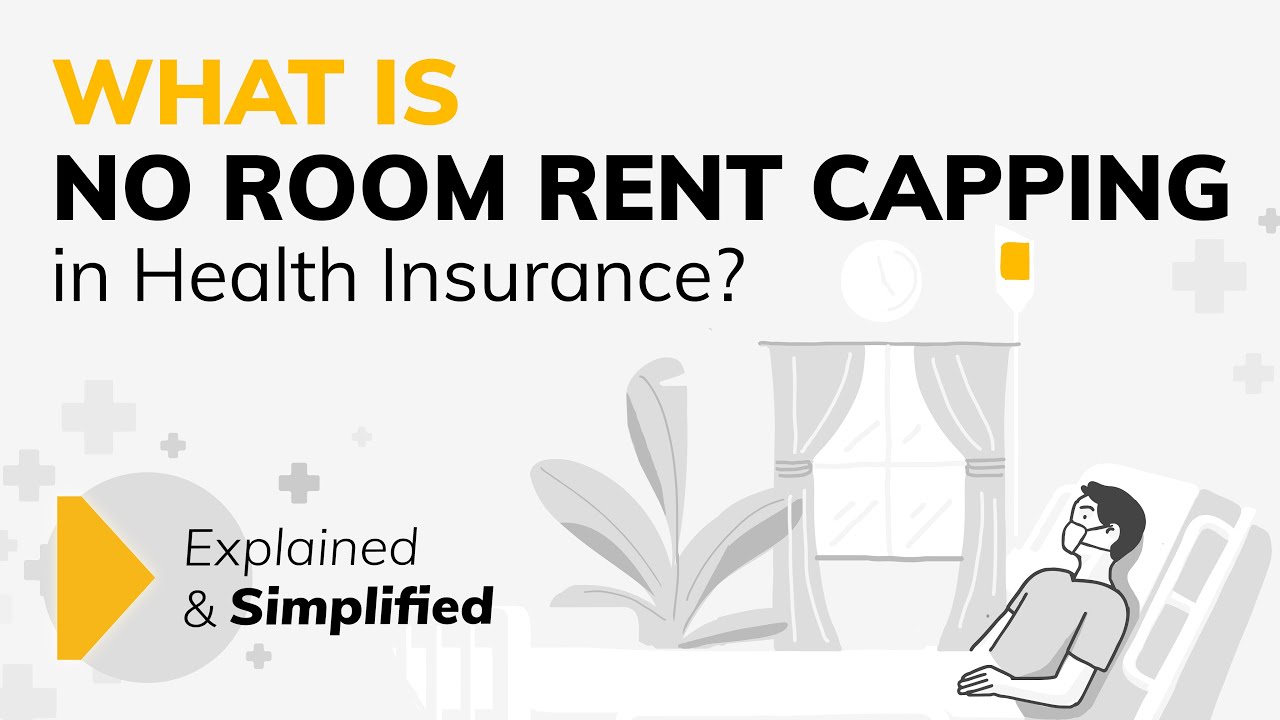
A policy with no room rent cap generally provides greater flexibility and can help you avoid unexpected expenses during hospitalisation compared to a policy having a room rent cap. Here’s an example to help you better understand room rent cap vs no room rent cap in health insurance:
Suppose due to certain reasons, you are being admitted to a hospital in a Tier 1 city like Bangalore for 4 days. You had basic health insurance of Rs 3 lakhs, and your health insurer includes a room rent cap of up to 1% of your Sum insured, i.e. Rs 3,000/day.
Here is a comparison of how your room rent cap will work compared with a policy without a room rent cap:

The difference between a room rent cap and no room rent cap can have a significant impact on your hospital bill. While a room rent cap may help keep premiums lower, choosing a room that exceeds the permitted limit could lead to additional out-of-pocket expenses.
On the other hand, a policy with no room rent cap gives you greater flexibility to choose a room based on your comfort and medical needs without worrying about room-rent-related restrictions.
Room rent capping can affect not just your room charges but also your overall hospital bill. Here's how it typically works:
Not all health insurance policies apply room rent limits in the same way. Some plans set a fixed daily cap, while others link the limit to your sum insured or restrict the type of room you can choose. Understanding these different types of room rent capping can help you avoid unexpected expenses during hospitalisation.
This is the most desired feature of a health insurance policy since it lets you choose the room of your choice without worrying about room costs.
This includes a co-payment clause and a cap on the room rent amount. This implies that the health insurance provider will pay only the amount covered by the policy. The remaining sum will be your co-payment as the policyholder.
For example, if your policy has a 20% co-payment and your room rent bill is ₹30,000, you will pay ₹6,000 and the insurer will cover ₹24,000. This means a part of the hospitalisation cost must always be borne by you.
In this case, the health insurance policy will outline the precise types of covered hospital rooms. You will be responsible for paying the full room rent if you choose a non-covered room.
Example: If your policy allows only a twin-sharing room but you opt for a deluxe private room, you may have to bear the additional costs according to the policy terms.
Certain health insurance plans include a cap on the amount that can be spent on room rent. However, you can purchase an optional rider or add-on in health insurance that permits no room rent caps for an extra premium.
Hospital room rent in India can vary widely depending on the city, hospital type, and room category you choose. While government hospitals generally have lower charges, private hospitals may charge significantly more, especially in metro cities.
These regional healthcare cost differences are also reflected in zone-based health insurance plans offered by many insurers. It includes:
Here are the average room rent costs for different rooms at hospitals in India, including ICU room rents:
Note - The above cost is for representation purposes only. It is the average cost of different types of hospital rooms. The actual price can vary on the basis of hospital room and city. Source
A room rent limit may seem like a small policy condition, but it can have a significant impact on your hospitalisation expenses. As healthcare costs continue to rise, room rent restrictions can leave policyholders with unexpected bills even when they have adequate health insurance coverage.
A no room rent cap policy can be a valuable option for everyone who wants greater flexibility during hospitalisation and avoid unexpected out-of-pocket expenses due to room rent restrictions. While it may come with a higher premium, it can offer broader coverage when you need it most.
| People Living in Metro Cities | Hospital room rents are generally higher in metro cities, making it easier to exceed room rent limits. |
| Individuals with Critical Illnesses | Conditions such as cancer, heart disease, or neurological disorders may require prolonged hospitalisation, specialised care, and treatment at premium healthcare facilities. Hence, consider getting critical illness health insurance with no room rent limit. |
| Families with Young Children | Gives families the flexibility to choose a comfortable room during a child's hospitalisation without worrying about room rent restrictions. |
| Senior Citizens | Older adults may require more frequent hospital visits and longer stays, making senior citizen health insurance along with no room rent beneficial. |
| People Who Prefer Private Hospitals | Private hospitals often have higher room charges, and a no room rent cap policy provides greater flexibility in room selection. |
A health insurance policy without room rent capping gives you greater flexibility during hospitalisation and helps you make treatment decisions based on medical needs rather than room rent restrictions. Here are some of the key advantages:

Freedom to Choose any Hospital Room
The primary benefit of no room rent capping in your health insurance is the fact that you’re not limited with your choice of room. You can choose any room, private, or duplex according to your preference and health requirements.

Better Suited for Treatment at Private Hospitals
Many private hospitals, especially in metro cities, have higher room charges. A health insurance plan with no room rent capping gives you access to a wider range of hospitals and room categories.

Helpful for Long-Term or Critical Illness Treatment
Treatments such as cancer care, cardiac procedures, organ transplants, and major surgeries may require extended hospital stays. A policy without room rent restrictions can offer greater flexibility during such situations.

Preventing Unexpected Costs
Generally, there are additional fees if room rent is exceeded. However, this is not an issue if there is no capping. You do not have to pay any unexpected out-of-pocket costs. It helps you safeguard your finances in times of need.

Streamlined Claim Procedure
The claim procedure is frequently easier when there is no capping. Limits on room rent don't need to be calculated. During the claim procedure, this ease of use might be quite helpful. It means less worry and more attention to your health, which is what really counts.

Improved Availability of High-Quality Care
A no room rent cap helps you access superior facilities. You can use these amenities without being capped. It goes beyond luxury. It concerns high-quality medical care.
A health insurance plan with no room rent cap can offer greater flexibility during hospitalisation, but not all policies provide the same level of coverage. Before purchasing a plan, make sure you check these important factors.
Hospital room rent may seem like a small detail when buying health insurance, but it can have a major impact on your hospitalisation experience and out-of-pocket expenses. A room rent cap can restrict your room choices and potentially increase the amount you need to pay during treatment, especially if you are admitted to a private hospital or require specialised care.
A health insurance plan with no room rent cap offers greater flexibility by allowing you to choose a hospital room based on your medical needs rather than policy restrictions. It can be particularly valuable for people living in metro cities, seeking treatment at private hospitals, managing critical illnesses, or simply looking for more comprehensive health coverage.