General
Life
Accessibility Options


General
General Products
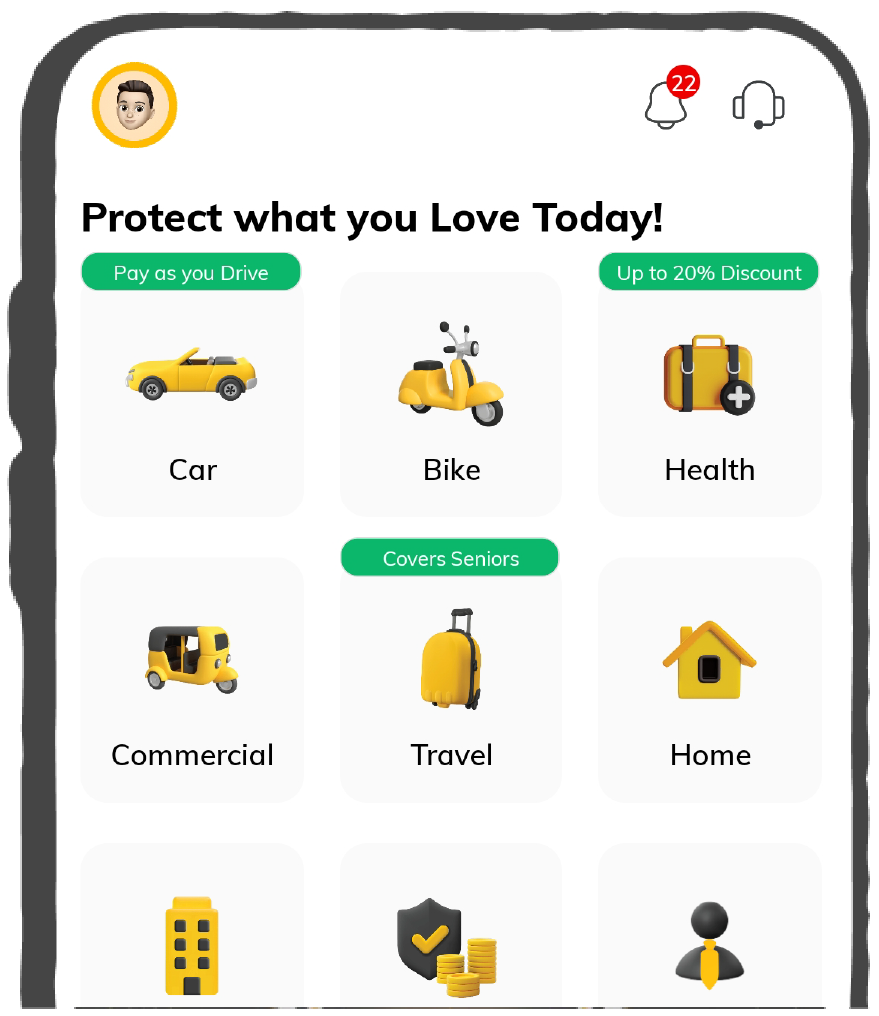
Simple & Transparent! Policies that match all your insurance needs.
 Car Insurance
 Two Wheeler Insurance
 Commercial Vehicle Insurance
 Health Insurance
 Home Insurance
 Travel Insurance
 Business Insurance
Car Insurance
Two Wheeler Insurance
Commercial Vehicle Insurance
Health Insurance
Travel Insurance


Scan to download
Life
Life Products
Digit Life is here! To help you save & secure your loved ones' future in the most simplified way.
 Term Life
 Savings Plan
 Retirement and Pension Plans
 Group Life Products
 Product Documents
Term Life
Savings Plan
Retirement and Pension Plans
Group Life Products
Scan to download
Claims
Claims
We'll be there! Whenever and however you'll need us.
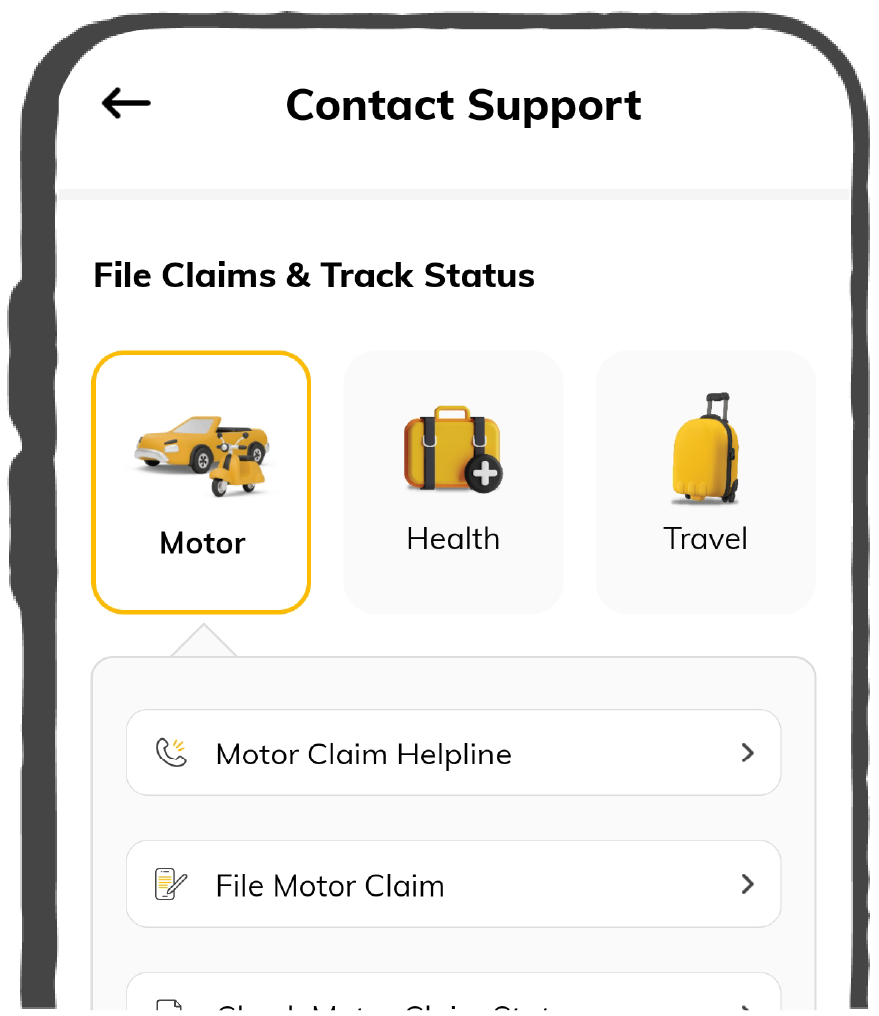
 Customer Support
 Motor Claims
Health Claims
 Marine Insurance
 Grievance Redressal
Customer Support
Motor Claims
Health Claims
Marine Insurance
Grievance Redressal
Scan to download
 General
 Life
General
Life
Renewals
Resources
Resources
All the more reasons to feel the Digit simplicity in your life!
Exclusive Features
 Transparency Report
Others
Exclusive Features
Transparency Report
Scan to download


Our WhatsApp number cannot be used for calls. This is a chat only number.

 Grey Scale
 Readable Text
 Reset


Buy Health Insurance, Up to 20% Discount

9000+
Cashless Hospitals

3.8 Crore+
Lives Insured

8 Lacs+
Claims Settled
I agree to the Terms & Conditions

Get Exclusive Porting Benefits
Check Prices

Buy Health Insurance, Up to 20% Discount
Port Existing Policy
9000+
Cashless Hospitals
3.8 Crore+
Lives Insured
8 Lacs+
Claims Settled
Health insurance claims in India are mainly of two types which is cashless claims and reimbursement claims. In a cashless claim, the insurer directly settles the approved medical expenses with a network hospital, reducing the need for upfront payments. In a reimbursement claim, you pay the hospital bills yourself and later submit the required documents to the insurer for reimbursement of eligible expenses.
Depending on your policy, reimbursement claims may also cover expenses such as OPD treatments, pre and post-hospitalisation costs, annual health check-ups, and other covered medical services. Understanding these claim types can help you choose the right claim process and ensure a smoother claim settlement experience during medical emergencies.
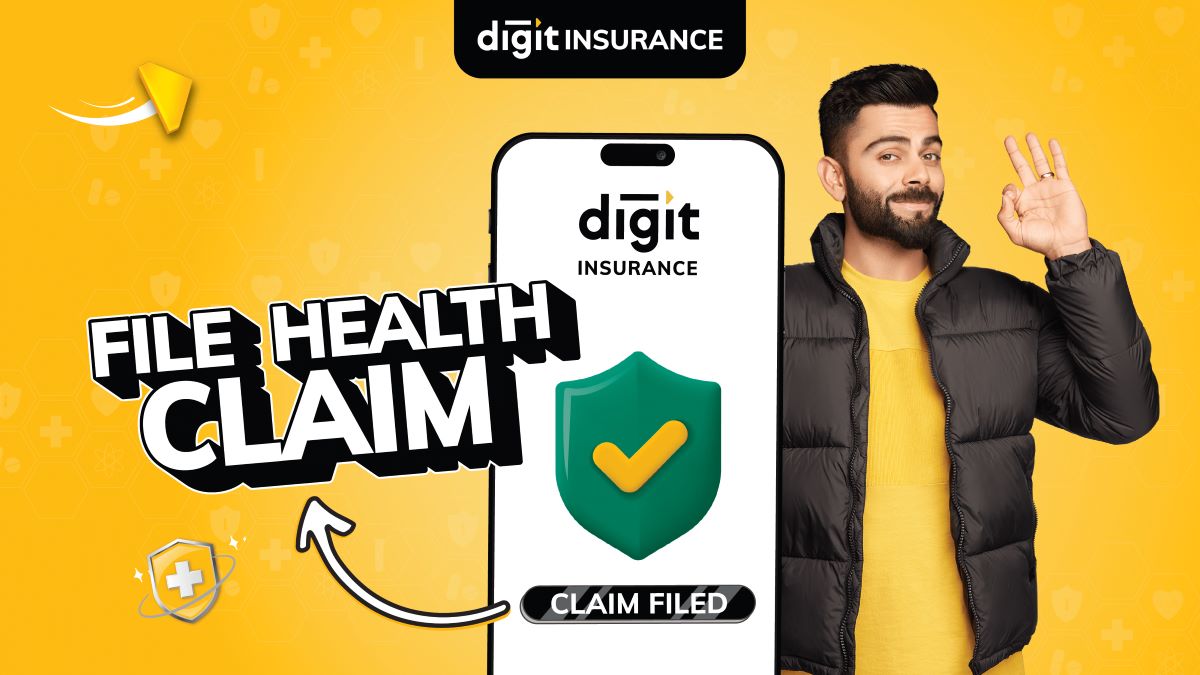
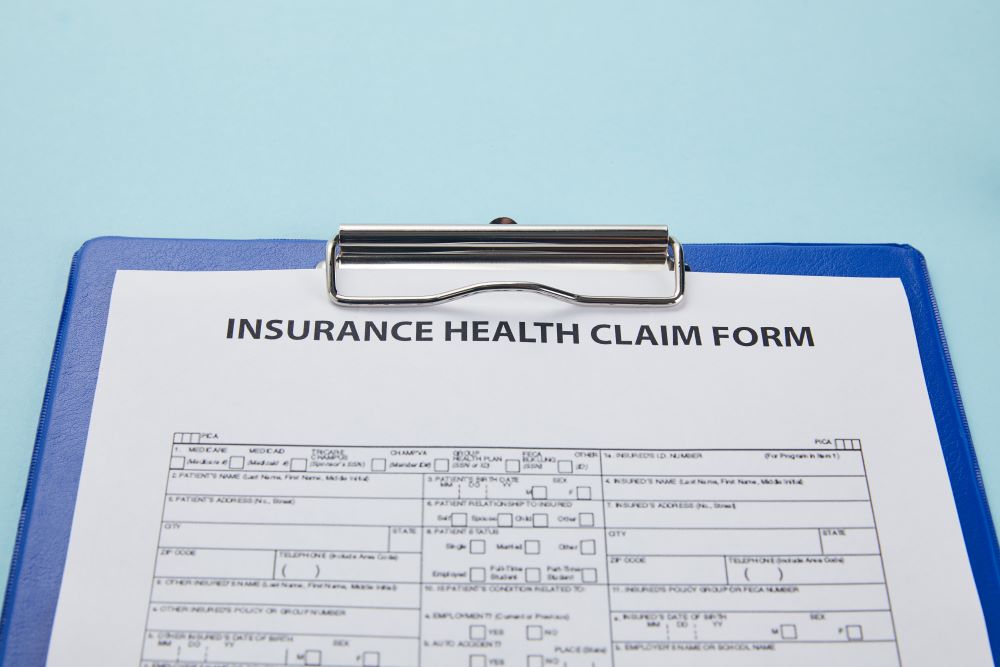
A health insurance claim is the process by which you can request your insurance company to pay medical expenses covered under your health insurance policy. When you receive treatment for an illness, injury, surgery, or any other covered medical condition, a claim helps you recover the treatment costs as per your policy terms.
For example: When you need money to pay for treatment for any major or minor illnesses or any other medical condition covered by your health insurance plan, you can file a claim. You have to provide all information about the medical costs and the necessary paperwork to approve the claim. Once the claim is made, the insurance company reviews and authorises it.
Health insurance claims are generally classified into two main types based on how your medical expenses are settled with the insurer, i.e. cashless claim and reimbursement claim.
A cashless claim is a type of health insurance claim where your insurance company directly settles the eligible medical expenses with the hospital, reducing the need for you to pay the entire hospital bill upfront.
This facility is typically available when you receive treatment at a cashless network hospital which is a hospital that has a tie-up with your insurer.
Remember that timely intimation to the insurer is important:
A reimbursement claim in health insurance is the one in which you pay the hospital bills from your own pocket and later submit the necessary documents to your insurer to recover the eligible expenses. This type of claim is commonly used when you receive treatment at a non-network hospital or when a cashless claim facility is not available.
Once the insurer verifies your claim and confirms that the treatment is covered under your policy, the approved amount is reimbursed to your bank account.
A reimbursement claim is typically used when:
Cashless and reimbursement claims are the two primary ways of settling medical expenses under a health insurance policy. While both help cover eligible healthcare costs, the main difference lies in who pays the hospital bill initially and how the claim is settled.
Here are the main differences between cashless vs reimbursement claim in health insurance:
The type of health insurance claim you should file depends on factors such as the hospital you choose, whether it is part of your insurer's network, and whether the cashless facility is available. Understanding which claim applies in different situations can help you avoid delays and ensure a smoother claims experience.
The process for filing a health insurance claim depends on whether you choose a cashless claim or a reimbursement claim. While both help you cover eligible medical expenses, the steps involved are different. Understanding the process can help you avoid delays and ensure a smoother claim experience.

Check Hospital Eligibility
Check if your hospital is in Digit’s network hospitals (9000+) or in the Anywhere Cashless Hospital list (25000+ hospitals). Confirm directly with the hospital whether they accept Anywhere Cashless.
Inform Digit
Notify Digit at least 48 hours before a planned hospitalisation. For emergencies (e.g., accidents), notify within 24 hours of admission.
Submit Pre-requisite Form
Please ask your hospital to share a duly filled Claim Form, signed by the doctor with a hospital stamp, including treatment and expense details, along with diagnostic reports and the customer’s (yours) KYC and health E-card, via email to nonnetworkhospital.cashless@godigit.com.
To ensure your health insurance claim is processed smoothly, it is important to submit the required documents accurately and within the insurer's specified timeline. Here are the documents required at Digit for filing reimbursement or cashless claim:

Hospitalisation Documents
✔ Original hospital bills & payment receipts
✔ Detailed discharge summary
✔ All diagnosis reports (lab tests, imaging, etc.)
✔ Doctor’s consultation & prescription copies
✔ Pharmacy and medicine bills

Cashless Documents
✔ Duly filled & signed claim form (Available at the hospital or on Digit’s website/app)
✔ Diagnosis report for confirming the need for hospitalisation
✔ Health E-card

KYC Documents
✔ Aadhaar Card (Identity & address proof)
✔ PAN Card (Financial verification)
✔ Photograph
✔ Bank Details (Passbook or cancelled cheque)
A health insurance claim can be rejected when it does not meet the terms and conditions of the policy. While insurers assess each claim individually, many claim rejections occur due to avoidable errors such as incomplete documentation, non-disclosure of medical information, or claims for treatments that are not covered under the policy.
The time taken to settle a health insurance claim depends on whether you are filing a cashless claim or a reimbursement claim. To ensure a faster and more transparent claims experience, the Insurance Regulatory and Development Authority of India (IRDAI) released a regulation in 2024 that insurers must follow:
Note: Health insurance claims are typically settled within the above timelines, provided all required documents and information have been submitted and the claim is admissible as per the policy terms and conditions.
Health insurance claims are the backbone of any health insurance policy, offering financial support when needed. Digit Health Insurance provides two major medical claim types: cashless and reimbursement.
Let's understand the different types of claims offered by Digit:
Health insurance claims are the bridge between your policy and the financial support you receive during a medical emergency. Whether you opt for a cashless claim at a network hospital or a reimbursement claim after paying the medical bills yourself, understanding the claim process can help you avoid delays and unnecessary hassles.
By knowing the required documents, claim timelines, common reasons for claim rejection, and the differences between claim types, you can understand the process with greater confidence and ensure a smoother claim experience when you need it most.
There are several benefits when it comes to having cashless insurance. It includes:
Yes, most health insurance policies have waiting periods before you can file a claim for specific conditions or treatments. While the exact timelines depend entirely on your specific policy, health insurance waiting periods generally fall into these standard categories: