


Life








General




Support



Resources











Term Insurance for Students
Buy Term Insurance for Students

I agree to the Terms & Conditions

Digit Glow Term Life Insurance

Online
Buying Process

Tax Savings
u/s 80C

Simple
Documentation

Should Students Buy Term Insurance?
A term life insurance policy is meant to replace income and protect people who depend financially on the policyholder. Since most students do not yet earn regularly or support dependents, there is often no immediate need for this kind of coverage.
That said, there are certain situations where purchasing a policy makes sense. For example:
- You have an education loan, especially when your parents are co-borrowers.
- Your family depends on you financially, even if only to some extent.
- You already earn an income through stipends, freelancing, or part-time work.
- You want to secure a lower premium early while you are young and in good health.
But if you have no income, no loan, and no one depending on you financially, it is not really required at this stage of your life. In that case, it’s better to wait rather than buying it just for lower premium cost.
Can Students Buy Term Insurance in India?
Yes, students can buy term insurance after the age of 18, but getting approved is not guaranteed. Insurers don’t just look at age, they try to understand why you need the cover. Typically, they look at things like:
- Whether the student has any income now or a clear earning potential
- Any financial responsibilities, especially education loans
- Whether someone depends on them financially
- The amount of coverage requested compared to their profile
If there is no clear financial need, the insurer may either reduce the coverage amount or reject the application.
Even if a student has no income, insurers may still allow the policy if parents are paying the premium. However, since term insurance is meant to support dependents in case of death, insurers prefer situations where there is a clear financial risk to cover.
How Do Insurers Approve Term Insurance for Students?
Approval for student term insurance mainly depends on whether there is a clear financial reason. Here’s how insurers typically look at different student profiles:

Can Students Buy Term Insurance Without Income?
Yes, students can buy term Insurance without income, but it’s not as straightforward as it sounds. If a student doesn’t earn, the insurer will look for some real reason to approve the policy.
For example, approval is more likely if parents are paying the premium, which most insurers are okay with. It also helps if the student has an education loan, especially when parents are involved as co-borrowers. In such cases, there’s a clear financial responsibility. Even a strong education track can work in the student’s favor, as it shows future earning potential.
On the other hand, when there is no income, loan, or financial responsibility, insurers cannot justify a high cover. If a student applies for ₹1 crore term plan without a clear financial need, the insurer will typically question it and may reduce or reject the coverage.
Why Should College Students Get Term Life Insurance?
Getting term insurance as a college student might seem unnecessary at first, but there are some strong, practical reasons why it can be a smart financial move:
1. Cost-Effective Premiums
The younger and healthier you are, the cheaper your term insurance premium will be. Locking in a policy early means paying less for the same coverage than starting later in life without medical checkups.
For example, a 21-year-old non-smoking student can get a ₹50 lakh term insurance policy for as low as ₹300 per month. However, the same policy at age 35 could cost ₹800-₹1,000 per month.
2. Protection for Student Loans
Many students rely on loans to pay for their education. If something were to happen unexpectedly, these loans could become a heavy burden on your family. Having term insurance can help cover costs.
3. Financial Security for Dependents
If a student has dependents, such as younger siblings or a financially dependent parent, term insurance can provide them with financial security in case of the student's untimely demise.
4. Easier Approval when Healthy
Buying early means fewer medical complications, which can make approval smoother and avoid higher premiums later.
5. Supplemental Coverage
Securing term insurance early can also be beneficial for students with existing health conditions, as premiums may increase with age and changes in health status.
What are Factors to Determine Term Insurance Coverage for Students?
To determine your minimum coverage amount, consider adding up your total loans, responsibilities, and future financial goals. This will give you a clear understanding of the minimum financial coverage required:

Educational Loans
Start by checking your total loan amount. Also understand how interest will increase your debt over time. Knowing your repayment period helps you plan monthly payments better.

Family Dependencies
Think about whether your family depends on you financially now or might depend on you in the future. This should be factored into your coverage.

Future Career Plans
Look at the expected salary in your chosen field. This helps you understand how much financial responsibility you can handle and what level of coverage makes sense.

Affordability
As a student, your budget may be limited. Choose a coverage amount where the premium is affordable and does not strain your finances.

Final Expenses
Include a small amount to cover funeral or last expenses, so your family does not face sudden financial stress.

Health and Lifestyle
If you have health issues or follow a risky lifestyle, you may consider slightly higher coverage as risks can be higher.
Types of Term Insurance Policies for Students
Students usually don’t need complex plans. A few simple term insurance types are enough to choose from based on their needs and budget:

Level Term Insurance
Level term insurance is the most straightforward type of term insurance. The coverage amount and premiums remain the same throughout the policy term. It’s ideal for students seeking predictable costs and comprehensive coverage.

Increasing Term Insurance
In increasing term insurance, coverage increases over time, usually to keep pace with inflation or increasing financial responsibilities. This can be beneficial for students who anticipate higher future financial obligations. But premiums are higher compared to level-term insurance.

Convertible Term Insurance
Convertible term insurance policy allows the insured to convert the term insurance into a permanent life insurance policy without undergoing a new medical exam. This flexibility is useful for students who want more comprehensive coverage.
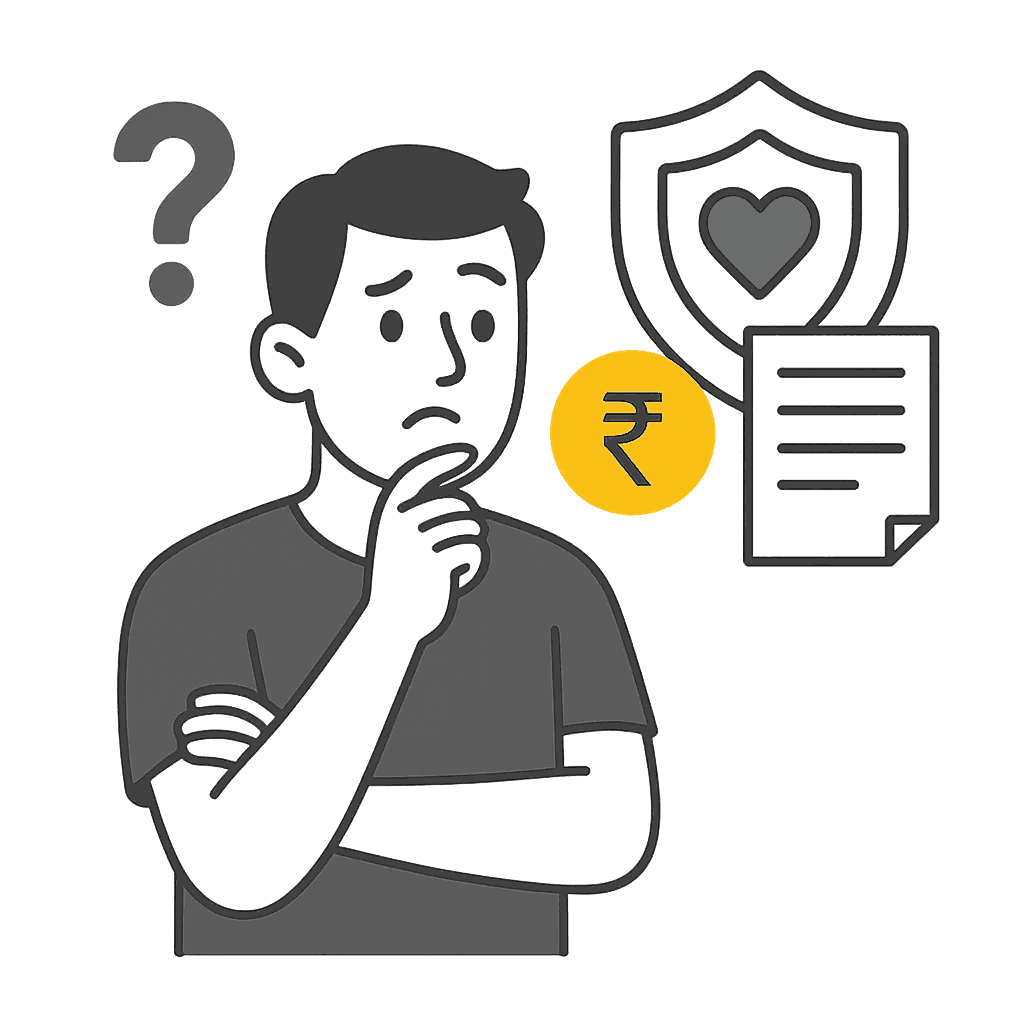
How Can Students Buy Term Insurance?
Students in India can follow these steps to purchase term insurance:
- Research Options: Begin by researching different term insurance plans that cater to students. Look for policies with affordable premiums and adequate coverage.
- Compare Plans: Use online comparison tools to evaluate various policies. Pay attention to premium costs, coverage benefits, and policy terms.
- Check Eligibility: Verify that you meet the eligibility criteria for the chosen policy. Some insurers may have specific requirements for students.
- Seek Guidance: Consider consulting with a life insurance advisor or utilising online tools, such as a term insurance premium calculator, to determine the best options for your financial situation and needs.
- Start Application: Once you have selected a policy, you can apply online through the insurer's website or offline by visiting their office in person. Provide documents such as identity proof, address proof, and educational loan details, if applicable.
- Review and Purchase: Carefully review the policy details before making a purchase. Ensure you understand the terms and conditions before proceeding to purchase the policy.
Documents Required for Students to Buy Term Insurance
To buy term insurance as a student, you will typically need to provide the following documents:

Identity Proof

Age Proof

Address Proof
Student or Income Proof

Photograph

Depending on the insurer's requirements, each section requires one or two documents as proof of term insurance for students.
Term insurance is not a compulsory financial product for students. It becomes relevant only when there is a real financial risk to cover, such as an education loan or dependent family members.
If you fall into one of these categories, term insurance can provide low-cost financial protection and help secure your family’s financial stability. If you do not, it is better to wait until your financial responsibilities increase.
FAQs about Term Insurance For Students
Are students eligible to buy a term insurance policy?
Can students get term insurance without income?
Why should a student consider buying term insurance?
At what age should a student start buying a term insurance policy?
What is the average cost of term insurance for college students?
Does term insurance cover outstanding student loans?
How does buying term insurance benefit students?
What is the process for a student to buy term insurance in India?
Are term insurance policies for students cost-effective?
Is a medical examination necessary?
Does term insurance for students continue if they leave college or graduate?
Are international students eligible to purchase term insurance in India?
Does term insurance cover accidental death for students?
Can students get tax benefits on their term insurance?
Is it necessary for students without loans or dependents to have term insurance?
What happens if I can't pay premiums during my studies?
What riders can students add to their term insurance policy?
How long does term insurance for students last after graduation?
Can international students buy term insurance?


Other Important Articles Related to Term Insurance

Renew & Download Policy Document, Check Challan, Credit Score, PUC & more
Anytime, Anywhere. Only on Digit App!

Rated App
Rated App
Scan to Download




IRDA Licensed Life Insurance Company in India - IRDAI Reg. No. 165

Sign-In to Digit Insurance
We have this phone number linked with the email ID in our database. Please login through OTP using this number or logout using below option and login again using new details.
Logout your email login