


Life







General




Support


Resources







Best Age for Retirement
I agree to the Terms & Conditions


Digit Life Pension Plan

Lifetime
Income Always

Flexible
Pay Your Way

Hybrid
Fixed + Market
When is the Best Age for Retirement in India?
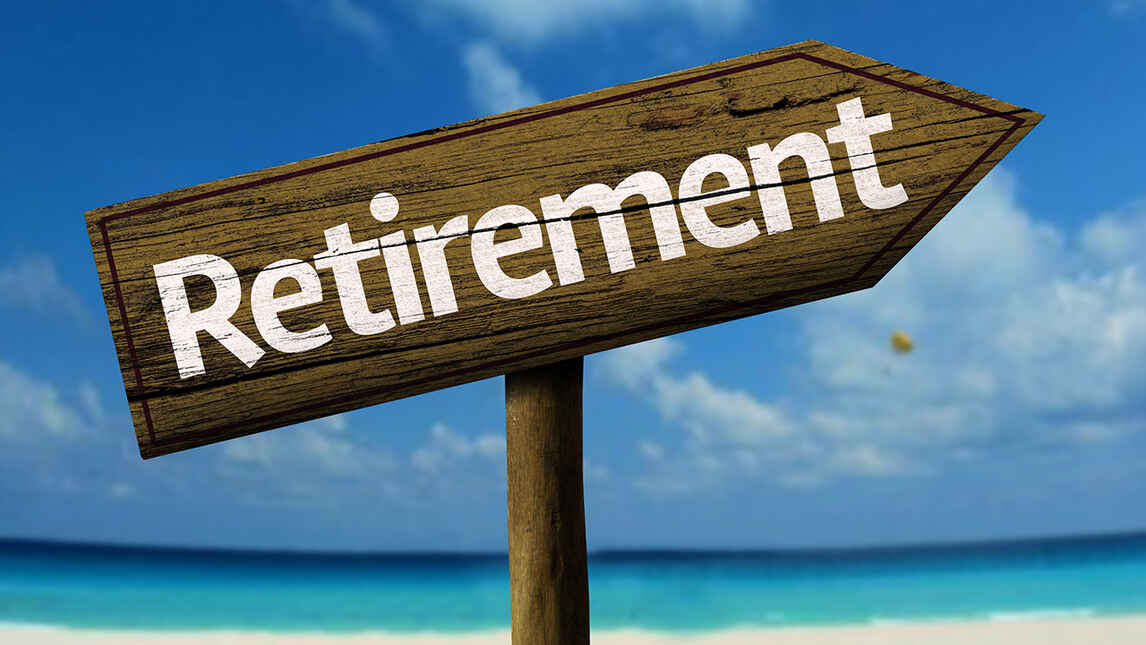
Early Retirement Age: 60 to 65 Years
Early retirement refers to leaving the workforce before the standard retirement age applicable to your profession, employer, or retirement plan. People may choose to retire early for various reasons, such as pursuing personal goals, managing health concerns, reducing work-related stress, or achieving financial independence.
The age considered as early retirement can vary from person to person. In many cases, retiring before the age of 60 is regarded as early retirement, although the ideal retirement age ultimately depends on an individual's financial preparedness, lifestyle preferences, and long-term goals. If you are considering retirement in your 60s, understanding the financial and lifestyle implications beforehand can help you make a more informed decision.
However, before choosing your ideal retirement age, it is important to evaluate both the advantages and disadvantages it may have on your lifestyle and financial well-being.
Advantages of Retiring Early
1. Invest in a New Career/Business
You may have wanted to start your own business but could not due to a lack of funds. Therefore, after saving sufficiently and planning for early retirement, you can do so and live a healthy lifestyle through the profits earned even in your old age.2. Good for Health
During your work life, it is natural to get stressed out, considering the workload and deadlines. You might have a late night shift or a very early morning shift, which can again disturb your sleep cycle, causing various health hazards. Therefore, if you plan to retire early, you can enjoy good health and stress-free life during old age.3. Opportunity to Travel Freely
Everyone likes to travel as it sets you free from your daily routine and helps you gather energy for work after you return. However, travelling whenever you want to is not possible during work life. Therefore, if you plan to retire early, you will get an opportunity to travel whenever you want to.Disadvantages of Retiring Early
1. Difficulty in Maintaining a Lifestyle
Retirement means your work life ends, after which there is no monthly income. After retirement, you will have to survive on your savings or pre-planned retirement schemes, whose income might not be the same as your last salary. This will result in difficulty in maintaining a lifestyle during your old age.2. Saving Needs to Last Longer
As you retire early, there will be a long time between your retirement age and the average life expectancy. Therefore, you will have to accumulate significant funds to survive this period with a healthy lifestyle. If you do not save much, you will not only face a financial crisis, but your lifestyle will also degrade.3. Possibility of Declining Mental Health
As you retire early, there are high chances of facing a financial crisis as your savings have to last longer than usual. The thought of finishing your accumulated funds might create stress. Being under constant stress can decline your mental health, which will later affect your physical health.What Signs to Look for Before Retirement?

1. Savings are Enough
You need to ensure that you have sufficient savings to deal with your post-retirement expenses. It is better if you have assets, like small businesses, rental properties, etc., that can help you earn money. As a result, you will not have to encounter financial difficulties.2. No Outstanding Debt
Debts can put you under financial stress after retirement. Making a post-retirement budget with the burden of ongoing loans can be difficult and unwise. This is why you must ensure that you have closed all your loans while deciding whether it is the best age to retire.3. No Dependent Children
If you do not have children dependent on you financially or if they are employed, it can be your best age to retire. This is because you do not have to worry about your children’s educational fees, medical costs, etc. Additionally, they can also take care of your financial obligations if necessary.4. Health Insurance Coverage
Health insurance plans let you cover your medical expenses. With age, people become vulnerable to sickness and diseases. By staying covered under medical insurance plans, you can ensure that the treatment expenses do not outweigh your life savings. If you have a health cover, you are all set to hang up your boots.Late Retirement Age: 65 to 70 Years
Late retirement is when you work for extra years, even after crossing your ideal retirement age set by the respective company.
As you already know, the average retirement age in India is 60 to 65 years, and any retirement after these years would be considered late retirement. Hence, retirement in someone's early 70s or working even after retirement period is considered late retirement age.
There are plenty of reasons why an individual might choose late retirement, including financial insecurity, no medical corpus, being debt-ridden, etc. Other than this, some people choose late retirement due to their love for work or to get rid of boredom. However, before considering late retirement, understand the advantages and disadvantages it can cause in your lifestyle and financial goals.
Advantages of Retiring Late
1. More Time to Save Money
When retiring late, you work for a few extra years, earning a bit more than usual that provides you with a better lifestyle in the future. Besides, having extra funds for your retirement will help you cope with unexpected emergencies or situations. This situation may be related to health, children's education or marriage, home renovation, etc.2. Save a Lot on Taxes
Depending on the applicable tax regime and prevailing tax laws, senior citizens may be eligible for certain tax benefits and exemptions. Individuals should review the latest income tax provisions or consult a tax professional before making retirement-related financial decisions. Hence, if you are working even after your normal retirement age, you can save a lot on taxes.3. Better Lifestyle
As you continue to work even after your normal retirement age and make a constant earning, you can maintain a better lifestyle. This is because, with time, you earn more and therefore accumulate more funds to live a comfortable life in your old age. In addition, you can lead a stress-free life as there will be a constant inflow of funds to save you during any emergencies.
Disadvantages of Retiring Late
1. Less Time to Enjoy Retirement
Although there is a huge scope of accumulating a lot of funds if you pursue late retirement, you will not get much time to enjoy this period. Retiring significantly later in life may reduce the number of years available to pursue personal interests, travel, hobbies, or other retirement goals.2. No Time to Pursue Dreams
People can have dreams of pursuing something on the grounds of a career which they would like to fulfil after retirement. This dream can be starting a business, being a consultant, etc. However, if you choose to pursue late retirement, you cannot give time or focus to any of your other dreams due to old age.3. No Time to Travel Freely
While working, it is impossible to always get leave and go on a trip, especially for a longer time. Therefore, people usually wish to travel around the world freely after retirement and enjoy this period. Now, if you plan to work for a long time and choose to retire late, there will be no time left to invest in travelling.How to Determine the Best Age to Retire?
Retirement is a crucial life decision, and one needs to ensure that he/she can manage their finances properly after the income flow suddenly stops. Nevertheless, there is no best age to retire. Early retirement can come before or after 50 years.
Before taking this life-changing decision, you need to look for some significant determining factors of retirement, as mentioned below:
Physical & Emotional Burnout
The stress of work may make you physically and mentally burnt out. It may drain out your vitality and energy at the same time. In such conditions, you can retire quite early to enjoy mental peace. Nevertheless, you also need to consider your decision's financial impact in the long run.Financial Goals of Family
It is fine to retire before time if there are no large-ticket expenses like marriage or higher education for your sons and daughters, etc. Otherwise, if you retire early, you may need to deplete your life's savings to meet them. This is why you must consider the long-term consequences of your decision rather than just the best age to retire.Career Goals
You may have professional goals in your life, especially in reaching the executive positions of your organisations.
If you have reached your desired position early in your career and served in that role for a long year, you may retire early. After retiring early, you can also explore other opportunities. For example, you can join as a mentor or consultant in your area of expertise or start a business.
Declining Health Condition
With ageing, health conditions deteriorate gradually. If you see that it is becoming stressful for you to continue your work anymore, you can go for retirement. You can recover your health by taking the required care after retirement.
This is why the best age to retire for health or longevity often comes earlier than the lawful age of superannuation. By retiring early, you will still have physical vigour and mental energy to meet your long-reserved goals in life. Nevertheless, after this decision, you should engage in mental and social activities to stay happy and avoid stress.
Which Retirement Age is Right for You?
The table below provides a broad overview of different retirement approaches, their typical age ranges, and the individuals they may be most suitable for.
Ultimately, the best retirement age is one that aligns with your financial readiness, health, and personal goals. While some individuals may prefer early retirement to pursue personal interests and enjoy more leisure time, others may choose to work longer to strengthen their financial security. Taking the time to evaluate your circumstances and plan ahead can help you enjoy greater financial stability and peace of mind during retirement.
FAQs about the Best Age for Retirement
Are there any tax benefits for people after retirement?
Which is the ideal age to start planning for your retirement?
Is getting medical insurance a part of retirement planning?
What is the best age to retire, and how does it affect my term insurance?
If I retire early, do I need life insurance?
How much money should I have before retiring?
Can I retire before the age of 60?
Other Important Articles Related to Retirement & Pension Plans

Renew & Download Policy Document, Check Challan, Credit Score, PUC & more
Anytime, Anywhere. Only on Digit App!

Rated App
Rated App
Scan to Download


IRDA Licensed Life Insurance Company in India - IRDAI Reg. No. 165

Sign-In to Digit Insurance
We have this phone number linked with the email ID in our database. Please login through OTP using this number or logout using below option and login again using new details.
Logout your email login