General
Life
Accessibility Options


General

General Products
Simple & Transparent! Policies that match all your insurance needs.
 Car Insurance
 Two Wheeler Insurance
 Commercial Vehicle Insurance
 Health Insurance
 Home Insurance
 Travel Insurance
 Business Insurance
Car Insurance
Two Wheeler Insurance
Commercial Vehicle Insurance
Health Insurance
Travel Insurance
Business Insurance
Car Insurance
Two Wheeler Insurance
Commercial Vehicle Insurance
Health Insurance
Travel Insurance


Scan to download

Life

Life Products
Digit Life is here! To help you save & secure your loved ones' future in the most simplified way.
 Term Life
 Savings Plan
 Retirement and Pension Plans
 Group Life Products
 Product Documents
Term Life
Savings Plan
Retirement and Pension Plans
Group Life Products
Product Documents
Term Life
Savings Plan
Retirement and Pension Plans
Group Life Products
Scan to download

Claims

Claims
We'll be there! Whenever and however you'll need us.
 Customer Support
 Motor Claims
Health Claims
Motor Claims
Health Claims
 Marine Insurance
 Grievance Redressal
Customer Support
Motor Claims
Health Claims
Marine Insurance
Grievance Redressal
Grievance Redressal
Customer Support
Motor Claims
Health Claims
Marine Insurance
Grievance Redressal
Scan to download
 General
 Life
General
Life
Life
General
Life
Renewals
Resources

Resources
All the more reasons to feel the Digit simplicity in your life!
Exclusive Features
 Transparency Report
Others
Exclusive Features
Transparency Report
Transparency Report
Others
Exclusive Features
Transparency Report
Scan to download


Our WhatsApp number cannot be used for calls. This is a chat only number.

 Grey Scale
 Readable Text
 Reset
Reset




The improvement of medical infrastructure and treatments over the past few years has been remarkable. However, with this advancement, the cost of healthcare in India is increasing.
India’s healthcare system comprises both public and for-profit private providers. With a substantial presence of private institutions, 69.8% of total outpatient care falls under them. However, treatments from private service providers typically cost more.

Table of Contents

According to NCBI, the estimated annual cost of universal healthcare will be ₹1,713 per person. This cost can increase by 24% for using branded medical supplies and drugs. The Indian government must spend 3.8% of the country’s GDP to universalize healthcare services.
Various factors influence the cost of healthcare for Indian people. Below are some factors that have a greater impact on the cost of healthcare in our country -
The difference between private and public Healthcare also plays a huge role in the cost. Understanding the differences is crucial for making informed decisions about medical care. This comparison highlights the key aspects of cost, quality, and accessibility in both sectors.
With significant growth in infrastructure, the cost of healthcare is shooting up. Although advanced technology has sped up the treatment and curing process, it hasn’t eased the medical expenses for a large belt of Indians.
The current annual rate of medical inflation is 15%. Conversely, India’s overall inflation rate is 6-7% annually. Health expenditure currently stands at 5% of India's private final consumption expenditure. This can increase by a minimum of 11% from the current level of India. Gradually, the cost of healthcare in India is becoming unaffordable for people with financial drawbacks.

Healthcare financing in India involves a range of methods, each with its own implications for individuals and the overall system. Here’s a breakdown of the primary methods:
Out-of-pocket expenses refer to the direct payments made by individuals for medical services and treatments. This method often burdens patients financially, especially in the absence of health insurance. The costs can vary widely depending on the type of treatment and the healthcare facility, leading to financial strain or debt if medical issues arise.
The Indian government provides subsidies to make healthcare more affordable for low-income groups and vulnerable populations. Programs like Ayushman Bharat, which includes the Pradhan Mantri Jan Arogya Yojana (PMJAY), offer financial assistance by covering a portion of healthcare costs for eligible beneficiaries.
Health insurance schemes are designed to share the financial risk associated with medical expenses. Various types of health insurance are available:

As discussed above, healthcare in India is becoming way too expensive for many people. In such a situation, health insurance can be beneficial in many ways.
Here are some advantages:
The sky-rocketing treatment costs can be a huge burden for most individuals. Especially in the case of a fatal disease, these costs continue to exhaust your savings. In such a condition, a health insurance policy can cover your treatment expenses. Thus, you need not spend all your savings on treatment.
Medical costs in India for critical conditions like organ failure or stroke is relatively higher. A health insurance policy will cover certain charges that you may suddenly face in such times.
The cost of healthcare in India is increasing day after day without any doubt. It also becomes an immense distress if you seek treatment from a metropolis. Under such circumstances, a health insurance plan helps you avail yourself of quality treatment without putting your savings at stake.
You can receive cashless treatments if you have insurance since different hospital networks collaborate with your insurance provider.
Depending on the insurance plans chosen, the insurance policy will also pay pre- and post-hospitalisation costs for a maximum of 60 days.
The insurance policy also covers the money paid to the ambulance for the insured person's transportation.
Insurance policies also provide options for health examinations. Certain insurers also offer free health checks based on your prior NCBs.
Insurance policies also provide options for health examinations. Certain insurers also offer free health checks based on your prior NCBs.
Depending on the insured's premium payment history, the insurance policy may additionally cover lodging costs.
Section 80D of the Income Tax Act allows for the tax deduction of health insurance premiums.
By understanding the various health insurance options, you can choose a plan that best suits your individual or family needs, ensuring you receive the coverage required for optimal health and financial protection.
Choosing the right health insurance plan is essential for ensuring you get the coverage that best meets your needs and budget. Carefully evaluating your options can help you select a plan that provides optimal protection and financial peace of mind.
Consider your health status and any medical conditions to choose a plan that covers your needs comprehensively, including any pre-existing conditions.
Evaluate different plans based on coverage for hospitalisation, pre- and post-hospitalisation expenses, and additional benefits.
Balance the cost of premiums with the coverage offered. Include potential copayments and deductibles in your budget to ensure affordability.
Ensure the plan includes a broad network of hospitals, particularly those conveniently located and offering quality care.
Research the insurer’s claim settlement ratio to gauge reliability. Look for positive customer reviews and service ratings.
By evaluating these factors, you can select a health insurance plan that aligns with your needs and budget, providing the coverage and protection you require.
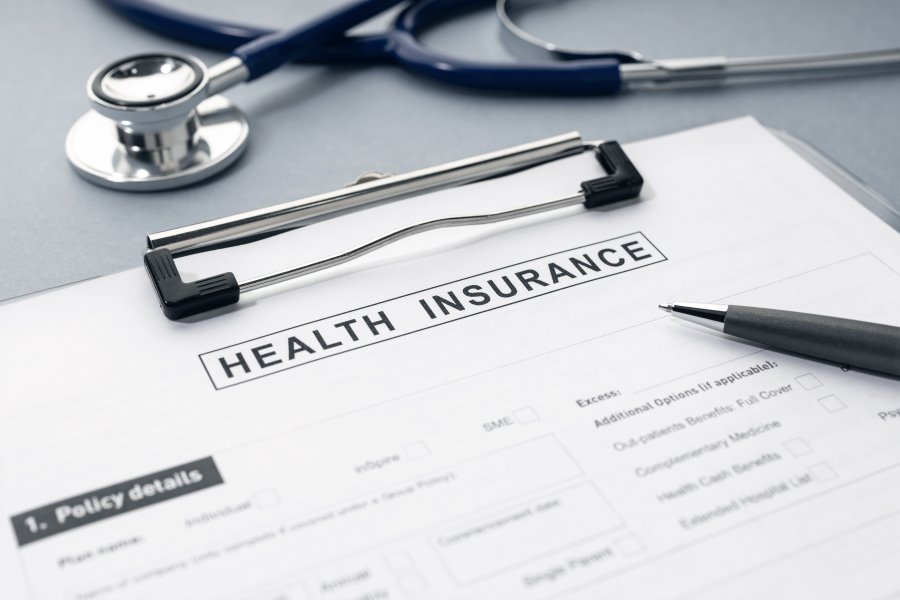
Not buying health insurance can expose you to significant financial and health risks. Understanding these risks is crucial for making informed decisions about your healthcare coverage and protecting your financial stability during difficult times.
Without health insurance, individuals are responsible for the full cost of medical treatments. This can be financially devastating, especially in the case of a serious illness or injury. The burden of these expenses can lead to significant financial strain and stress.
Uninsured individuals may delay or forgo necessary medical care due to concerns about affordability. This can result in poorer health outcomes and the progression of diseases to more advanced stages. Timely medical attention is crucial for effective treatment and recovery.
Medical emergencies can lead to substantial debt and financial instability for those without insurance. Health insurance helps to mitigate this risk by covering a significant portion of medical expenses. This offers financial stability and peace of mind during health crises.
Without insurance, people are less likely to access preventive care such as vaccinations and regular check-ups. This can increase the risk of undiagnosed and untreated health conditions. Preventive care is essential for maintaining long-term health and early detection of issues.
Uninsured people often pay more for medical services compared to those with insurance. This is because they do not benefit from the discounted rates that insurers negotiate with healthcare providers. The lack of negotiated rates can result in higher overall expenses for medical care.
Big medical bills can lead to bankruptcy, which health insurance can help prevent. By covering major healthcare costs, insurance provides financial protection and reduces the risk of falling into financial hardship. This protection is crucial for safeguarding financial stability.
A lack of health insurance can cause constant worry about potential medical emergencies and their costs. This ongoing stress and anxiety can negatively impact mental health and overall well-being. Financial concerns about healthcare can contribute to significant emotional distress.
Uninsured people may find it difficult to afford specialised treatments or medications necessary for managing chronic or severe conditions. Access to these critical treatments is often more feasible with health insurance. Without it, managing complex health issues can become difficult.
The cost of healthcare in India is increasing day after day without any doubt. It also becomes an immense distress if you seek treatment from a metropolis. Under such circumstances, a health insurance policy helps you avail yourself of quality treatment without risking your savings. Understanding which insurance policy to buy is an important decision for people. Take care of yourself and your family with the best insurance policy.
Health insurance can protect you from high out-of-pocket medical expenses by covering a significant portion of your healthcare costs. This financial protection helps you manage your budget and avoid unexpected expenses.
When selecting a health insurance policy, consider factors like coverage options, network hospitals, premium costs, deductibles, and the extent of financial protection provided. Comparing policies helps you find one that best fits your needs.
Yes, the Indian government offers several health insurance schemes, such as Ayushman Bharat, which provides coverage for low-income families. These schemes aim to make healthcare more accessible and affordable for the underprivileged.
Many health insurance policies cover pre-existing conditions, but a waiting period may occur before full coverage kicks in. It’s important to check the terms and conditions of your policy to understand how pre-existing conditions are managed.
A cashless health insurance facility allows you to receive medical treatment without paying out-of-pocket upfront. The insurance company directly settles the bills with the hospital, reducing your financial burden during emergencies.
Review your policy periodically to ensure it meets your current health needs and lifestyle. Assess factors like coverage limits, exclusions, and network hospitals to determine if they are adequate for your needs.
A family floater policy covers the entire family under a single plan, offering cost-effective insurance and simplifying management. It also allows for shared sum insured and often includes added benefits for multiple family members.
Yes, you can switch health insurance providers, but it’s important to review the new policy thoroughly and consider any waiting periods for pre-existing conditions.
Health insurance often covers preventive care services, such as vaccinations and screenings, which can help in the early detection and management of health issues.
Common exclusions in health insurance policies include pre-existing conditions during the waiting period, cosmetic procedures, and treatments for certain chronic illnesses. Reading the policy details carefully helps in understanding what is not covered.
In India, health insurance premiums qualify for tax deductions under Section 80D of the Income Tax Act. This benefit can reduce taxable income and provide financial advantages beyond health coverage.
If your claim is denied, review the policy terms and reasons for denial and contact your insurer for clarification. You can also file a grievance with the insurance company or approach the Insurance Ombudsman if necessary.