General
Life
Accessibility Options


General

General Products
Simple & Transparent! Policies that match all your insurance needs.
 Car Insurance
 Two Wheeler Insurance
 Commercial Vehicle Insurance
 Health Insurance
 Home Insurance
 Travel Insurance
 Business Insurance
Car Insurance
Two Wheeler Insurance
Commercial Vehicle Insurance
Health Insurance
Travel Insurance
Business Insurance
Car Insurance
Two Wheeler Insurance
Commercial Vehicle Insurance
Health Insurance
Travel Insurance



Scan to download

Life

Life Products
Digit Life is here! To help you save & secure your loved ones' future in the most simplified way.
 Term Life
 Savings Plan
 Retirement and Pension Plans
 Group Life Products
 Product Documents
Term Life
Savings Plan
Retirement and Pension Plans
Group Life Products
Product Documents
Term Life
Savings Plan
Retirement and Pension Plans
Group Life Products

Scan to download

Claims

Claims
We'll be there! Whenever and however you'll need us.
 Customer Support
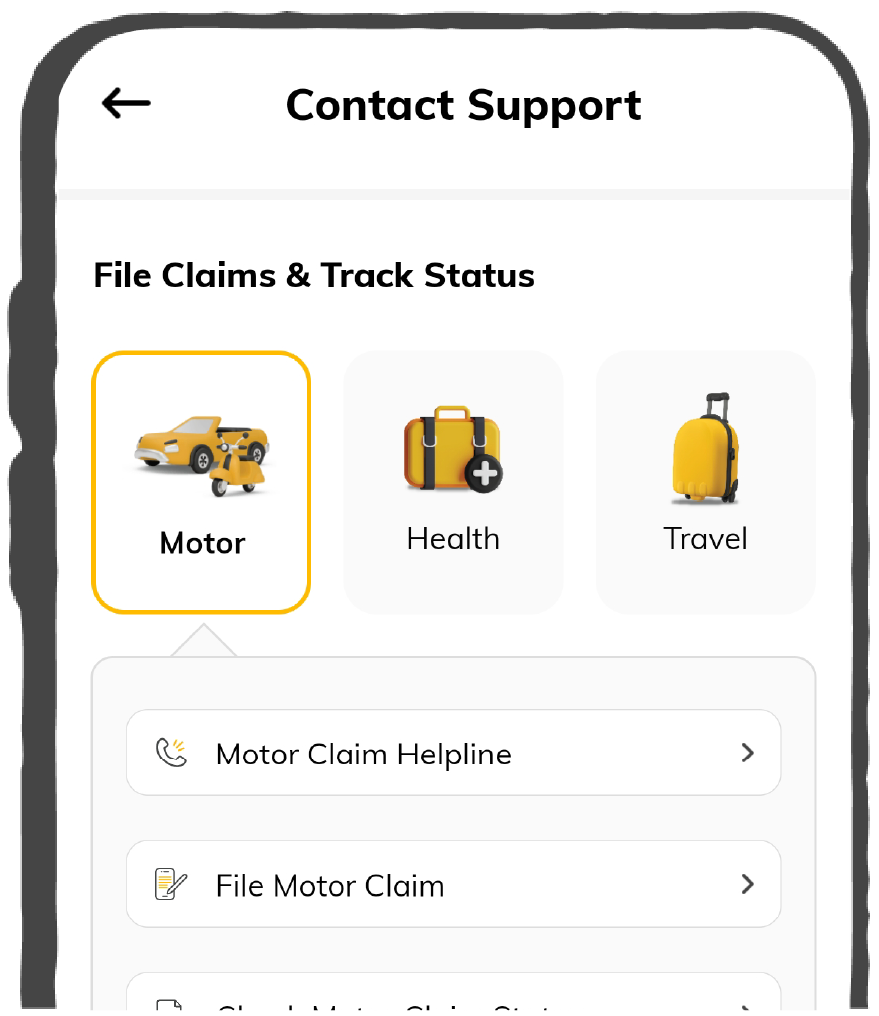
 Motor Claims
Health Claims
Motor Claims
Health Claims
 Marine Insurance
 Grievance Redressal
Customer Support
Motor Claims
Health Claims
Marine Insurance
Grievance Redressal
Grievance Redressal
Customer Support
Motor Claims
Health Claims
Marine Insurance
Grievance Redressal
Scan to download
 General
 Life
General
Life
Life
General
Life
Renewals
Resources

Resources
All the more reasons to feel the Digit simplicity in your life!
Exclusive Features
 Transparency Report
Others
Exclusive Features
Transparency Report
Transparency Report
Others
Exclusive Features
Transparency Report
Scan to download


Our WhatsApp number cannot be used for calls. This is a chat only number.

 Grey Scale
 Readable Text
 Reset
Reset



Corruption is one of the biggest hurdles to India’s progress. It siphons public money, slows projects, bends rules for a few, and punishes honest citizens with delays and “speed money.”
When we give in, even once, we feed a system that undercuts better roads, schools, hospitals, and digital services for everyone. The alternative is simple and powerful: don’t succumb—report it.

Table of Contents

To file an anti-corruption complaint in India, first confirm it’s corruption (a demand for undue advantage or misuse of office) and gather safe, clear evidence—who/when/where, documents/screenshots, and any witnesses.
Raising a corruption complaint does more than flag one bad actor.
Over time, consistent reporting strengthens institutions, shortens service timelines, and rebuilds trust in governance.
As a citizen, you can (and should) report corruption when a public servant misuses their office for private gain or demands an undue advantage (money, gifts, favors). If you encounter any of the situations below, treat it as corruption—not “how things work”—and file a complaint.
Bribe or “speed money” demand: Asked to pay to move a file, issue a certificate, approve a license, clear an inspection, or “avoid a problem.”
Abuse of position: An official blocks, delays, or bends rules unless you pay or “go through a particular agent.”
Procurement/contract fraud: Tender rigging, inside information, inflated bills, acceptance of substandard work in exchange for a payoff.
Conflict of interest/nepotism: Decisions that benefit the official’s own business, relatives, or benami entities.
Embezzlement/asset red flags: Ghost beneficiaries, diverted funds, or wealth far beyond known income.
Extortion/coercion: Threats of fines, closure, raids, or denial of service unless money/favor is given.
Record tampering: Forged certificates, back-dated entries, and manipulated test/recruitment results.