General
Life
Accessibility Options


General
General Products
Simple & Transparent! Policies that match all your insurance needs.
 Car Insurance
 Two Wheeler Insurance
 Commercial Vehicle Insurance
 Health Insurance
 Home Insurance
 Travel Insurance
 Business Insurance
Car Insurance
Two Wheeler Insurance
Commercial Vehicle Insurance
Health Insurance
Travel Insurance
Business Insurance
Car Insurance
Two Wheeler Insurance
Commercial Vehicle Insurance
Health Insurance
Travel Insurance


Scan to download

Life
Life Products
Digit Life is here! To help you save & secure your loved ones' future in the most simplified way.
 Term Life
 Savings Plan
 Retirement and Pension Plans
 Group Life Products
 Product Documents
Term Life
Savings Plan
Retirement and Pension Plans
Group Life Products
Product Documents
Term Life
Savings Plan
Retirement and Pension Plans
Group Life Products
Scan to download

Claims
Claims
We'll be there! Whenever and however you'll need us.
 Customer Support
 Motor Claims
Health Claims
Motor Claims
Health Claims
 Marine Insurance
 Grievance Redressal
Customer Support
Motor Claims
Health Claims
Marine Insurance
Grievance Redressal
Grievance Redressal
Customer Support
Motor Claims
Health Claims
Marine Insurance
Grievance Redressal
Scan to download
 General
 Life
General
Life
Life
General
Life
Renewals
Resources
Resources
All the more reasons to feel the Digit simplicity in your life!
Exclusive Features
 Transparency Report
Others
Exclusive Features
Transparency Report
Transparency Report
Others
Exclusive Features
Transparency Report
Scan to download


Our WhatsApp number cannot be used for calls. This is a chat only number.

 Grey Scale
 Readable Text
 Reset
Reset



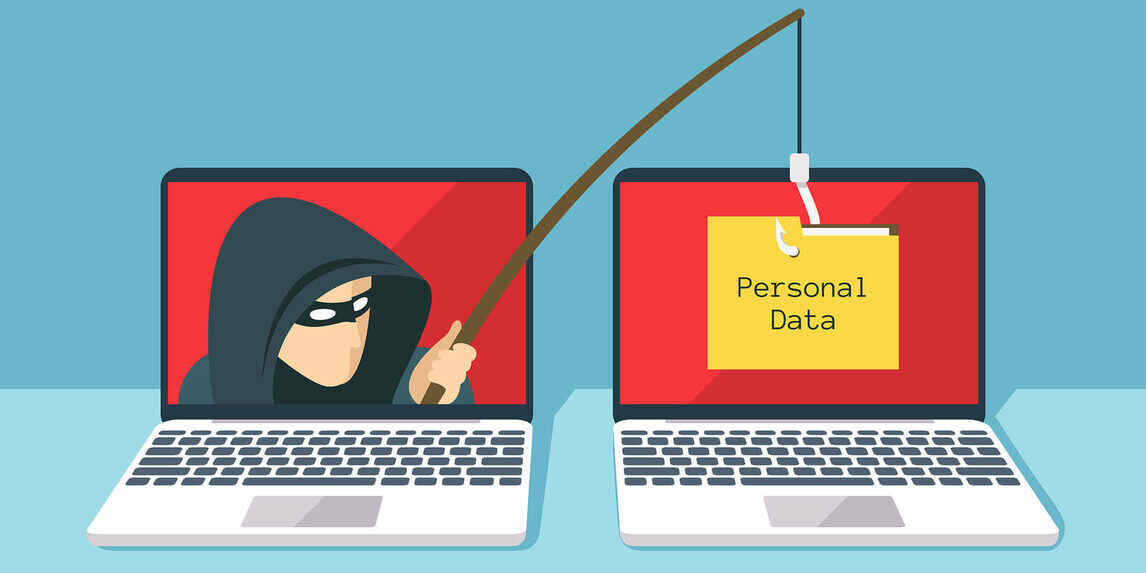
Phishing scams are one of the oldest cyber crimes but still the most unrecognisable ones. Over the years, we may have learned how to dodge spam emails, but phishing emails seem deceivingly credible. This is because they are often received in the voice of someone we trust, like the government, bank and co-workers.
However, just a click can make you lose all your data ranging from bank details and social security numbers to others. So, keep reading this article till the end to know more.
Phishing scams are attacks or attempts to steal your money, identity or personal information for a benefit. These cybercriminals trick you by pretending to be someone you know, like your friend or company that you trust and approach you via mail, text or phone.
For this purpose, the scammers use social engineering schemes to manipulate their bait(you) into trusting them to complete their fraudulent tasks. Moreover, since there are more avenues than ever for scammers to approach you, phishing attacks have become prevalent.
Now that you have understood the meaning of phishing scams, you must know how it works to save yourself from falling into the trap. An important thing to note here is that phishing scammers target those who have phones with the internet. They attack by:
After stealing from you, the scammer may or may not stop. For example, he or she may use your account or mail ID next to reach your contacts and spam them by sending phishing messages pretending to be you.
The biggest difficulty that makes people a victim of phishing attacks is that no one knows in what form they will receive it. For example, it can be a message, phone call or even a hijacked URL. If you have some idea about the types of phishing attacks common among scammers, it can significantly help. Some of them are as follows -
Domain spoofing is a common way of scamming people in which email phishers mimic email addresses of trusted companies to send users fraudulent messages. For example, changing the domain @america.com to @arnerica.com. So, if you are not so attentive, you might fall victim to this scheme.
Phishing emails are sent to your official ID and generally contain a request to send a payment, click a link, open an attachment or reply with your private number. Also, by looking at the email address of this sender, you will not be able to recognise that it is a scam since it will resemble a valid one often of the ones personal to you.
Scammers also use social media posts and messages to hook their bait. Moreover, their way of persuasion is generally very strong, like sending free giveaways or an urgent request from a sketchy official organisation with a limited response time.
Phishers can also approach you through social media while impersonating themselves as your friend. They will build up a relationship until you are easy to attack.
Under clone phishing, attackers will send you a duplicate message you already received earlier. It will contain all legitimate attachments, replacing the links with malicious ones. It is generally sent to you via mail but may also appear on your text box or social media handles.
In smishing, attackers send you a short message imitating a valid organisation to try and fool you. This message generally consists of a link or a phone number scammers want you to use. This scheme also puts mobile messaging services in danger.
Similar to smishing, in vishing, scammers also impersonate a valid person or company and call to deceive you. For this purpose, they might mask their number and redirect you to an automated message. They will keep you on the phone while persuading you to take action.
Phishing texts and emails often tell a story, so you get tricked into clicking or opening an attachment or link. If you notice the following scenarios sent in message or mail, then alarm yourself immediately as it may be a case of phishing:
There are several ways to protect yourself from phishing scams, but the method you choose should apply to the specific problem you may face. So, we have divided the prevention tips for phishing into several categories:
If you have received suspicious mail, protect yourself by taking the following measures:
If you have responded to a suspicious message, follow these steps to save yourself from any scam:
Even if you have not got any mail, call or message, it is best to stay protected by following these below security practices:
Phishing scams have become more common than ever, and many cybercriminals are waiting to get a chance to hack your private data. So, it is important to identify the ways they can approach you, their techniques to hack your account, and how you can dodge these dangers. Thus, in the above sections, we have provided all of this information briefly to help you stay updated and protected.