General
Life
Accessibility Options


General

General Products
Simple & Transparent! Policies that match all your insurance needs.
 Car Insurance
 Two Wheeler Insurance
 Commercial Vehicle Insurance
 Health Insurance
 Home Insurance
 Travel Insurance
 Business Insurance
Car Insurance
Two Wheeler Insurance
Commercial Vehicle Insurance
Health Insurance
Travel Insurance
Business Insurance
Car Insurance
Two Wheeler Insurance
Commercial Vehicle Insurance
Health Insurance
Travel Insurance



Scan to download

Life

Life Products
Digit Life is here! To help you save & secure your loved ones' future in the most simplified way.
 Term Life
 Savings Plan
 Retirement and Pension Plans
 Group Life Products
 Product Documents
Term Life
Savings Plan
Retirement and Pension Plans
Group Life Products
Product Documents
Term Life
Savings Plan
Retirement and Pension Plans
Group Life Products

Scan to download

Claims

Claims
We'll be there! Whenever and however you'll need us.
 Customer Support
 Motor Claims
Health Claims
Motor Claims
Health Claims
 Marine Insurance
 Grievance Redressal
Customer Support
Motor Claims
Health Claims
Marine Insurance
Grievance Redressal
Grievance Redressal
Customer Support
Motor Claims
Health Claims
Marine Insurance
Grievance Redressal
Scan to download
 General
 Life
General
Life
Life
General
Life
Renewals
Resources

Resources
All the more reasons to feel the Digit simplicity in your life!
Exclusive Features
 Transparency Report
Others
Exclusive Features
Transparency Report
Transparency Report
Others
Exclusive Features
Transparency Report
Scan to download


Our WhatsApp number cannot be used for calls. This is a chat only number.

 Grey Scale
 Readable Text
 Reset
Reset



9000+ Cashless Hospitals

Up to 20% Discount


Check Prices
Buy Health Insurance, Up to 20% Discount
Port Existing Policy
Kidney disease is becoming an increasingly important health concern in India, affecting millions of people and developing silently until significant kidney damage has already occurred. Conditions such as diabetes, high blood pressure, ageing, and lifestyle-related health issues are contributing to a growing burden of kidney disease across the country1.
Based on Go Digit General Insurance (Digit) health insurance data for the Calendar year 2025, these 24 insights highlight who may be more vulnerable to kidney disease, the factors that can increase the risk, how treatment patterns vary across different regions, and how long recovery can take. Understanding these trends can help you recognise early warning signs, risk factors and seek timely medical care.

Disclaimer: The insights & data below are derived from external sources (as mentioned in references) and Go Digit General Insurance Limited (“Digit”) internal health insurance claims data for the year Calendar year 2025, along with aggregated historical trends. The information is provided for general informational purposes only and may vary based on policy terms, treatment location, individual medical condition, and other relevant factors. This content does not constitute medical or financial advice.
* GFR - Glomerular Filtration Rate: It is a clinical test that measures how much blood your kidneys filter every minute and is used to assess kidney function.
External Data Sources & References:
Kidney disease is often called a “silent” condition because many people do not experience obvious symptoms until the disease has already progressed. Yet its impact can be far-reaching, affecting daily life, long-term health, recovery timelines, and healthcare costs.
These insights explore real-world patterns related to kidney disease across India, covering who is most affected, how treatment costs vary, what recovery typically looks like, and the factors that can influence disease severity.
The number of people seeking treatment for kidney disease has increased steadily in recent years, highlighting the growing burden of kidney-related health conditions. According to Digit, “the number of reported kidney disease cases shows an increasing trend from 2021 to 2025.”
This rise may be linked to an increase in risk factors such as diabetes, high blood pressure, obesity, sedentary lifestyles, and an ageing population. Improved awareness and better diagnostic testing may also be helping more people identify kidney problems earlier than before2.
Kidney disease is broadly classified into two main types, Acute Kidney Injury (AKI) and Chronic Kidney Disease (CKD). AKI develops suddenly, often due to severe infections, dehydration, certain medications, or a medical emergency, and may improve with timely treatment. CKD, on the other hand, develops gradually over months or years and is usually linked to long-term conditions such as diabetes and high blood pressure.
Chronic Kidney Disease is the more common and long-lasting form of kidney disease in India, affecting an estimated 8.5% of the population3.
Digit data suggests that the highest number of kidney-related treatment is seen among people aged 51 - 65. This is the age group where long-term health conditions such as diabetes, hypertension, obesity, and heart-related issues often become more common.
Hence, people above 50 should monitor kidney health regularly, especially if they have diabetes, high blood pressure, or heart-related conditions.
The risk of kidney disease tends to increase with age, as kidney function naturally declines over time. According to Digit, people above 60 years of age are among the most affected by kidney disease, making regular health check-ups, kidney function tests, and timely management of existing health conditions especially important for senior citizens.
Older adults are also more likely to have health conditions such as diabetes, high blood pressure, and heart disease, which can further increase the risk of developing kidney disease4.
Kidney disease can affect both men and women, but certain risk factors such as diabetes, smoking, and lifestyle-related health conditions may increase the risk among men5.
Digit data shows that, around 70% of kidney disease cases are seen in men, compared to women, highlighting the importance of regular kidney health screenings and early management of risk factors, especially for men.
Digit findings highlight that high blood pressure, diabetes, and heart disease are closely linked to kidney disease. These conditions can gradually damage the blood vessels in the kidneys, reducing their ability to filter waste and excess fluids from the body effectively.
As a result, people living with these conditions should monitor their kidney health regularly through routine check-ups and kidney function tests. Early detection and proper management can help slow disease progression and reduce the risk of serious complications.
Digit findings suggest that Bengaluru reports the highest number of kidney disease cases among major Indian cities, followed by New Delhi, Hyderabad, Gurgaon, Chennai and Mumbai. This highlights the growing burden of kidney disease in large urban centres and the importance of regular kidney health screening.
This can be because of rapid urbanisation, sedentary lifestyles, and the growing prevalence of health conditions
One of the biggest challenges with kidney disease is that symptoms may not appear in the early stages. As kidney function declines, the body may start showing signs such as fatigue, swelling in the feet and ankles, frequent urination (especially at night), difficulty concentrating, loss of appetite, muscle cramps, dry or itchy skin, and persistent high blood pressure7.
Because the symptoms of kidney disease can be mild or easy to overlook, many people do not realize they have a kidney problem until significant damage has already occurred.
Doctors can diagnose kidney disease using simple tests such as a blood test to measure kidney function (GFR), a urine test to check for protein leakage, and imaging tests like ultrasound when needed3.
Detecting kidney disease early can help slow its progression, prevent complications, and reduce the chances of needing dialysis or a kidney transplant in the future.
Chronic Kidney Disease is not a single condition but a progressive disease that is divided into different stages based on how well the kidneys are filtering waste from the blood. Doctors assess this using the Glomerular Filtration Rate (GFR), a measure of how efficiently the kidneys are working. The lower the GFR, the more severe the kidney damage7.
The treatment for kidney disease depends on its type, stage, and underlying cause. In the early stages, doctors usually recommend lifestyle changes, medications, and regular monitoring to slow down further kidney damage. As the disease progresses, more intensive treatment like dialysis or transplant may be needed7.
Early diagnosis and timely treatment can help slow disease progression and improve quality of life.
Digit data shows that over 22% of kidney disease-related claims involve dialysis treatment, highlighting how commonly dialysis becomes part of kidney disease management when kidney function declines significantly.
Unlike many medical procedures, dialysis is often not a one-time treatment. Patients may require repeated dialysis sessions over an extended period, which can affect daily routines, work, travel, and overall healthcare expenses4.
When kidney disease progresses to kidney failure, the kidneys are no longer able to effectively remove waste and excess fluids from the body. A kidney transplant involves replacing a failed kidney with a healthy kidney from a donor, allowing many patients to return to a more active and independent life8.
For people with advanced kidney disease, a timely transplant can improve quality of life, reduce dependence on dialysis, and support better long-term health outcomes.
According to Digit data, the average treatment cost for a kidney disease-related hospitalisation is around ₹29,000 - ₹30,000, highlighting the significant financial burden kidney disease can place on individuals and families.
Early detection, regular health check-ups, and managing risk factors such as diabetes and high blood pressure may help reduce both health complications and treatment expenses3.
Most kidney disease cases can be managed through regular hospitalization, medication, dialysis, and ongoing monitoring. When serious complications such as severe infections, fluid overload, breathing difficulties, or heart-related issues arise, patients may require treatment in the Intensive Care Unit (ICU), where the level of care is much more advanced and resource-intensive9.
According to Digit data, the average cost of ICU treatment for kidney disease is over ₹1.3 - 1.5 lakh. This highlights how quickly treatment expenses can rise when kidney disease becomes severe and requires intensive care.
The cost of treating kidney disease can vary significantly depending on where you receive treatment. Hospitals in metro cities (Tier 1 cities) often have higher healthcare costs due to factors such as advanced medical facilities, access to super-specialists, higher operational expenses, and the availability of specialized treatment options2.
Based on Digit's analysis, the average cost of kidney disease treatment in metro cities is nearly 46% higher than in non-metro cities. This highlights how the location of treatment can have a major impact on overall healthcare expenses.
According to treatment patterns observed by Digit, Hyderabad records the highest kidney disease treatment cost, followed by Bengaluru, Chennai, and Mumbai. The higher costs in these cities may reflect access to advanced medical infrastructure, specialised kidney care, and treatment for more severe cases, highlighting the importance of being financially prepared for kidney-related healthcare expenses.
These cities also tend to treat more complex and severe kidney disease cases, which may require intensive care, specialised procedures, or longer hospital stays.
In severe cases, kidney disease treatment costs can exceed ₹17 lakh as per Digit, highlighting the financial impact that advanced kidney-related complications can have on patients and their families.
The expenses may rise due to prolonged hospital stays, intensive care, dialysis, multiple procedures, and ongoing medical management.
Kidney disease-related hospital stays tend to be much longer than many common infections. Digit's data reveals that the average hospital stays for chronic kidney disease is around 13 – 14 days, suggesting that recovery from severe kidney-related complications can take time and may require consistent medical care and follow-up support.
Kidney disease can sometimes become serious enough to require intensive medical care, particularly when complications affect other organs or vital body functions.
In fact, Digit states that around 5 - 6% of people with chronic kidney disease may require ICU care, highlighting ICU may be needed if the patient develops severe complications such as fluid overload, very high blood pressure, infection, breathing difficulty, electrolyte imbalance, or other organ-related concerns.
Patients may need 8+ days of hospital care intensive monitoring and treatment to manage severe kidney issues such as fluid imbalance, infections, breathing difficulties, or complications affecting the heart and other organs.
ICU treatment may include close monitoring of fluids, blood pressure, oxygen levels, infection markers, dialysis-related support, and other critical parameters10.
Digit claims data shows that nearly 63% of kidney disease claims are settled through cashless treatment. This suggests that many kidney disease patients prefer receiving treatment at network hospitals where insurance claims can be settled directly with the hospital.
The cashless health insurance claim is generally a simpler and more convenient process, as it reduces the need for large upfront payments and extensive claim paperwork during treatment.
Kidney disease symptoms may not show up initially. However, swelling in the feet or face, reduced urine output, foamy urine, high blood pressure, nausea, fatigue, breathlessness, and loss of appetite can all be warning signs3.
These symptoms should not be ignored, especially if they continue or appear along with diabetes or hypertension.
Taking preventive steps early can help protect kidney function and reduce the risk of long-term complications. Few preventive methods can significantly reduce the risk of developing kidney disease or slow its progression if detected early7.
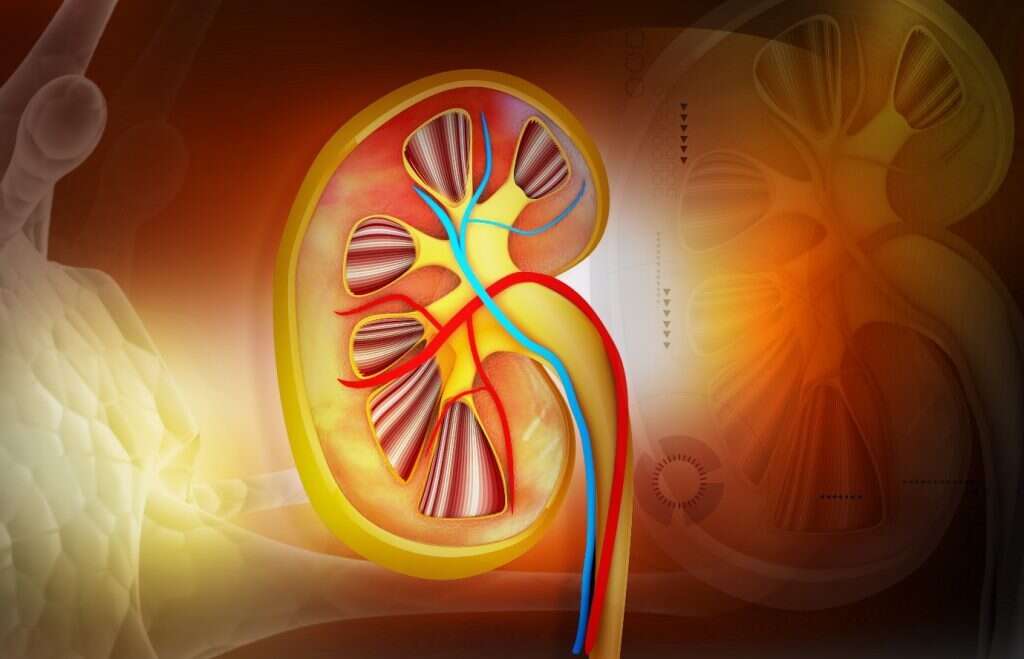
Kidney disease is a growing health concern that can affect people across different age groups, regions, and lifestyles. It is often linked to common health issues such as diabetes, high blood pressure, and heart disease, making early detection and regular health monitoring critical for preventing serious complications. Longer hospital stays, the need for ongoing treatment, ICU admissions in severe cases, dialysis, and even kidney transplants can increase both the physical and financial burden on patients and their families.
Recognising risk factors, paying attention to early warning signs, undergoing regular kidney function tests, and managing underlying conditions such as diabetes and hypertension can help reduce the risk of advanced kidney damage.