General
Life
Accessibility Options


General

General Products
Simple & Transparent! Policies that match all your insurance needs.
 Car Insurance
 Two Wheeler Insurance
 Commercial Vehicle Insurance
 Health Insurance
 Home Insurance
 Travel Insurance
 Business Insurance
Car Insurance
Two Wheeler Insurance
Commercial Vehicle Insurance
Health Insurance
Travel Insurance
Business Insurance
Car Insurance
Two Wheeler Insurance
Commercial Vehicle Insurance
Health Insurance
Travel Insurance



Scan to download

Life

Life Products
Digit Life is here! To help you save & secure your loved ones' future in the most simplified way.
 Term Life
 Savings Plan
 Retirement and Pension Plans
 Group Life Products
 Product Documents
Term Life
Savings Plan
Retirement and Pension Plans
Group Life Products
Product Documents
Term Life
Savings Plan
Retirement and Pension Plans
Group Life Products

Scan to download

Claims

Claims
We'll be there! Whenever and however you'll need us.
 Customer Support
 Motor Claims
Health Claims
Motor Claims
Health Claims
 Marine Insurance
 Grievance Redressal
Customer Support
Motor Claims
Health Claims
Marine Insurance
Grievance Redressal
Grievance Redressal
Customer Support
Motor Claims
Health Claims
Marine Insurance
Grievance Redressal

Scan to download
 General
 Life
General
Life
Life
General
Life
Renewals
Resources

Resources
All the more reasons to feel the Digit simplicity in your life!
Exclusive Features
 Transparency Report
Others
Exclusive Features
Transparency Report
Transparency Report
Others
Exclusive Features
Transparency Report
Scan to download


Our WhatsApp number cannot be used for calls. This is a chat only number.

 Grey Scale
 Readable Text
 Reset
Reset



9000+ Cashless Hospitals

Up to 20% Discount


Check Prices
Buy Health Insurance, Up to 20% Discount
Port Existing Policy
Pneumonia is often seen as a common lung infection, but it can become serious depending on a person’s age, immunity, existing health conditions, and how early treatment begins. In many cases, pneumonia may need hospital care, oxygen support, ICU monitoring, or longer recovery time, increasing the overall cost of treatment1.
Based on Go Digit General Insurance (Digit) health insurance claims data for the Calendar year 2025, these insights explain who may be more vulnerable to pneumonia, when risk may rise, how long hospitalisation can last, and why financial preparedness matters. Understanding these patterns can help you recognise early signs, seek timely treatment, and stay financially prepared for unexpected hospitalisation.

Disclaimer: The insights & data below are derived from external sources (as mentioned in references) and Go Digit General Insurance Limited (“Digit”) internal health insurance claims data for the year Calendar year 2025, along with aggregated historical trends. The information is provided for general informational purposes only and may vary based on policy terms, treatment location, individual medical condition, and other relevant factors. This content does not constitute medical or financial advice.
External Data Sources & References:
Pneumonia continues to be a major health concern across India, affecting people of all age groups and often leading to hospitalisation in more severe cases. These data-backed insights bring together patterns from symptoms, severity, hospitalisation, recovery timelines, and treatment costs to give you a clearer understanding of how pneumonia can impact both your health and expenses.
Digit states that over the recent years, pneumonia cases have shown a clear upward trend, with a noticeable rise each year from 2021 to 2025.
This rise could be linked to factors such as changing weather patterns, pollution levels, post-viral complications, and overall awareness leading to more hospitalisations2.
Pneumonia cases have increased over time, making early precautions and timely treatment more important than ever.
According to Digit, Pneumonia cases are more common during colder months like November to February, as low temperatures, pollution, and indoor crowding can make it easier for infections to spread. Immunity may also drop during this time, increasing the risk of respiratory illnesses.
A rise is also seen during post-monsoon months like September and October, when humidity and sudden weather changes can create conditions that support the spread of infections.
Digit data shows that in cities like Bengaluru, Hyderabad, Pune, and Mumbai with frequent rainfall have higher pneumonia risk during the monsoon months, as damp conditions and moisture can make it easier for infections to spread.
People with young children, elderly family members, or existing conditions like asthma, diabetes, or heart disease should be more careful during this time and pay attention to symptoms like cough, fever, or breathing difficulty3.
Digit states, “Pneumonia is seen more frequently in some regions, especially states like Maharashtra and Karnataka, followed by Telangana and Kerala.” Factors like weather patterns, population density, and seasonal infections can influence how commonly respiratory illnesses spread in these areas.
People living in these regions should be more aware of symptoms like cough, fever, and breathing difficulty, especially during high-risk seasons.
Children below 18 years account for the highest number of pneumonia cases, making them one of the most vulnerable age groups for pneumonia as per Digit. Their developing immune systems can make it harder to fight infections, while exposure to seasonal viruses, school environments, and close contact with others may increase the risk of illness4.
Parents should pay close attention to symptoms such as persistent cough, fever, fast breathing, wheezing, or unusual tiredness, as early diagnosis and treatment can help prevent complications.
People with asthma, COPD, heart disease, kidney issues, or weak immunity may face higher pneumonia complications. In such cases, the infection can take longer to treat and may require oxygen support, ICU care, or extended hospital stay6.
Senior citizens with these conditions should be especially careful during winter, monsoon, and high-pollution periods.
Pneumonia often starts with symptoms that may feel like a regular infection but can gradually become more serious. Common signs include persistent cough, fever, chills, chest pain, fatigue, and difficulty in breathing5.
In some cases, people may also experience faster breathing or low energy levels as the lungs get affected. In severe cases, pneumonia can lead to serious complications such as respiratory failure, where the lungs struggle to provide enough oxygen to the body, or sepsis, a potentially life-threatening condition caused by the body's extreme response to infection6.
The early signs of pneumonia may look different in adults, children, and elderly people, but some common symptoms are usually seen across all age groups5.
Recognising early symptoms across age groups can help you get timely treatment and avoid complications.
In some cases, pneumonia can develop after a person recovers from a viral fever or flu. Digit states that, around 5% of such cases show this pattern, where a viral infection weakens the body and makes it easier for a secondary lung infection like pneumonia to set in.
This highlights the importance of not ignoring symptoms like persistent cough, fever, or breathing difficulty even after a viral illness.
Pneumonia is often treatable with timely medical care, but in some cases, the infection can become more serious. Digit data suggests that around 22% of pneumonia cases may turn severe, highlighting the importance of recognising symptoms early and seeking prompt treatment.
It can become severe when the infection spreads deeper into the lungs and affects oxygen levels. These severe cases may result difficulty in breathing (respiratory failure), severe infection spreading in the body (sepsis), or the need for breathing support like BiPAP or ventilators.
Pneumonia can start with symptoms that look like a regular cough, fever, cold, or viral infection. But if symptoms continue, worsen, or affect breathing, early medical consultation is important.
Doctors may recommend chest examination, oxygen monitoring, blood tests, X-ray, arterial blood gas or other tests depending on severity, such as bronchoscopy (examination procedures on bronchus), immunotherapy, thoracoplasty, and other excision or procedures on the lung or pleura6
Over time, the cost of treating pneumonia has shown a rising trend, even though there may be small fluctuations year to year. Digit data shows that, treatment costs increased noticeably after 2021, due to rising healthcare inflation.
This increase is often due to factors like rising healthcare costs, advanced treatments, diagnostic expenses, and longer or more intensive care in some cases.
According to Digit, treating pneumonia in a hospital can cost around ₹58,000 to ₹60,000, depending on the care required. This usually includes expenses like doctor consultations, diagnostic tests, medicines, and room charges.
The total cost may increase further based on the hospital type, city, severity of the infection, need for oxygen support, and length of stay.
When pneumonia becomes severe and requires intensive care, treatment expenses can increase significantly. On average, severe pneumonia cases needing intensive medical support can cost over ₹1 - ₹2 lakh, as they often involve specialised monitoring, oxygen support, advanced equipment, and round-the-clock medical attention.
The need for higher-level care usually depends on how the infection affects breathing and overall health.
On average, expenses in Tier 1 cities can be around 50% higher than in Tier 2 cities. This is due to factors like higher hospital charges, ICU availability, cost of medical services, and overall healthcare cost7.
For families living in large cities, pneumonia can create a bigger financial burden if hospitalisation or ICU care is needed.
Among the cities analysed by Digit, Noida recorded the highest average pneumonia treatment cost, followed closely by Gurugram and Bhubaneswar. Higher healthcare costs, specialist care requirements, and hospitalisation expenses in these urban centres may contribute to the elevated treatment burden.
Pneumonia is not always treated as a short illness, especially when the infection affects breathing. According to Digit, people need 5 to 6 days of hospital stay, including medicines, rest, and sometimes oxygen support, to recover properly.
Hence, if pneumonia is treated at the right time, it can improve within a few days and help you recover without complications.
Pneumonia does not always require intensive care, but in some cases, it can become serious. According to Digit, around 21% of all pneumonia cases require ICU treatment, while the majority are managed in normal rooms. This means roughly 2 out of every 10 pneumonia patients may need ICU care in severe cases, which makes early treatment and monitoring very important.
ICU care may be required if breathing worsens, oxygen levels fall, or the infection becomes severe. It helps doctors closely monitor the patient and act quickly if needed.
On average, people who require intensive care may need around 6 to 7 days of close monitoring and treatment to recover properly, as per Digit. This is why it’s important to pay attention to early symptoms and not delay treatment.
Taking simple steps like seeking medical help on time, following treatment properly, and allowing your body to rest can help prevent the infection from becoming severe.
Pneumonia can affect older adults more seriously, as immunity tends to be lower with age. As a result, elderly patients may require oxygen support for a longer duration compared to younger individuals to help their lungs recover properly1.
Older adults may need longer breathing support during pneumonia, so early care and extra precautions are especially important for them.
Pneumonia is treated based on its cause and severity, but most cases involve medicines such as antibiotics (if bacterial), along with rest and proper hydration6.
Doctors may also recommend tests and regular monitoring to track recovery. In more serious cases, hospital care or oxygen support may be needed to help with breathing.
Pneumonia hospitalisation can involve room charges, diagnostic tests, medicines, oxygen support, ICU care, and follow-up expenses. Since treatment costs can rise quickly in severe cases, having active health insurance with enough coverage and sum insured can help families manage the financial burden9.
It is also important to check whether your policy includes cashless hospitals nearby, room rent eligibility, ICU coverage, and pre- and post-hospitalisation benefits.
According to Digit, around 3 - 4% people recovering from pneumonia may need to return to the hospital within a few weeks if symptoms come back or don’t improve fully. This can happen if the infection is not completely resolved, treatment is stopped early, or if the person has existing health conditions.
This shows that recovery from pneumonia may require proper follow-up, rest, and completing the full course of treatment as advised by the doctor.
Older adults may take more time to recover from pneumonia, as immunity tends to be lower and the body heals more slowly with age. Even after initial treatment, weakness, fatigue, or breathing issues can continue for some time6.
Because of this, regular follow-up with a doctor, completing medications, and giving the body enough rest become especially important to ensure proper recovery and avoid complications.
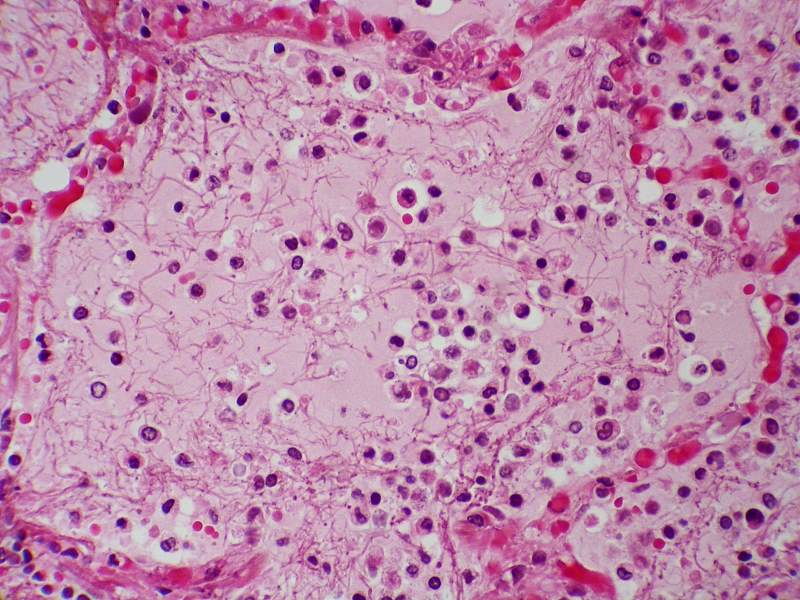
Pneumonia can be prevented or managed early with the right precautions, especially for high-risk groups like children, elderly individuals, and those with weaker immunity. Simple everyday habits, timely vaccinations, and early action when symptoms appear can significantly reduce the risk and severity of pneumonia5. It includes:
Read More
Read Less
Pneumonia in India is influenced by seasonal patterns, environmental factors, and individual risk levels. While many cases can be treated effectively, a significant number may lead to hospitalisation, ICU care, and higher costs, especially for children, elderly individuals, and those with existing health conditions.
Early diagnosis and timely treatment play a critical role in reducing complications. Preventive steps such as vaccination, managing underlying conditions, and maintaining good hygiene can lower risk. At the same time, having adequate health insurance ensures you are financially prepared for unexpected medical expenses.