General
Life
Accessibility Options


General

General Products
Simple & Transparent! Policies that match all your insurance needs.
 Car Insurance
 Two Wheeler Insurance
 Commercial Vehicle Insurance
 Health Insurance
 Home Insurance
 Travel Insurance
 Business Insurance
Car Insurance
Two Wheeler Insurance
Commercial Vehicle Insurance
Health Insurance
Travel Insurance
Business Insurance
Car Insurance
Two Wheeler Insurance
Commercial Vehicle Insurance
Health Insurance
Travel Insurance



Scan to download

Life

Life Products
Digit Life is here! To help you save & secure your loved ones' future in the most simplified way.
 Term Life
 Savings Plan
 Retirement and Pension Plans
 Group Life Products
 Product Documents
Term Life
Savings Plan
Retirement and Pension Plans
Group Life Products
Product Documents
Term Life
Savings Plan
Retirement and Pension Plans
Group Life Products

Scan to download

Claims

Claims
We'll be there! Whenever and however you'll need us.
 Customer Support
 Motor Claims
Health Claims
Motor Claims
Health Claims
 Marine Insurance
 Grievance Redressal
Customer Support
Motor Claims
Health Claims
Marine Insurance
Grievance Redressal
Grievance Redressal
Customer Support
Motor Claims
Health Claims
Marine Insurance
Grievance Redressal

Scan to download
 General
 Life
General
Life
Life
General
Life
Renewals
Resources

Resources
All the more reasons to feel the Digit simplicity in your life!
Exclusive Features
 Transparency Report
Others
Exclusive Features
Transparency Report
Transparency Report
Others
Exclusive Features
Transparency Report

Scan to download


Our WhatsApp number cannot be used for calls. This is a chat only number.

 Grey Scale
 Readable Text
 Reset
Reset



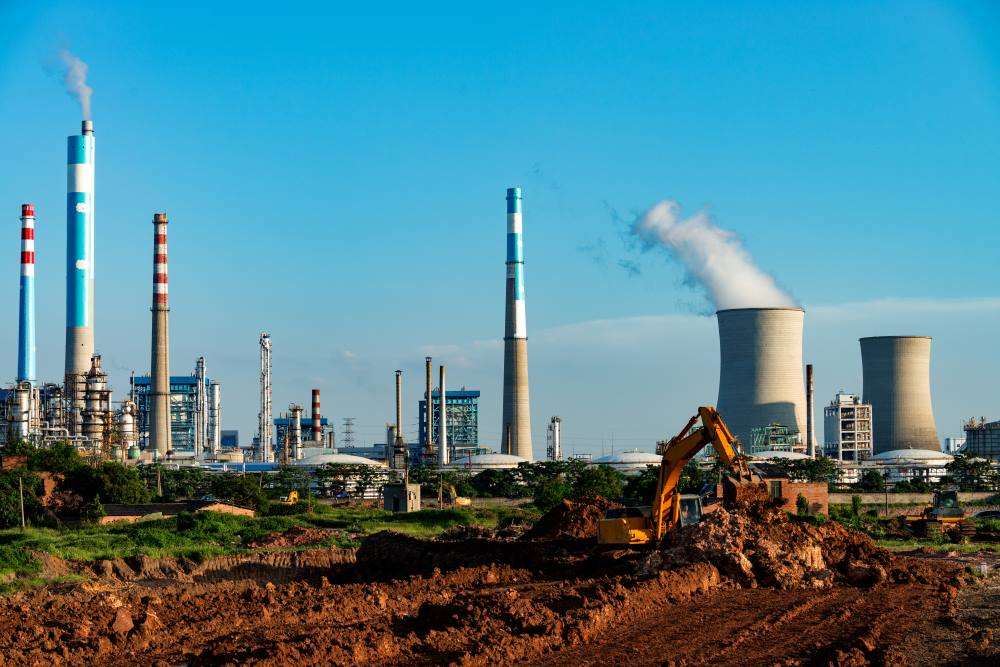
Fossil fuels are made from the remains of plants and animals that died a long time ago. Over millions of years, these remains turned into carbon-rich deposits that we now dig up and burn for energy. But they won't last forever, and presently, they supply about 80% of the world's energy.
Such fuels involve coal, petroleum, natural gas, oil shale, bitumen, heavy oils, etc. This guide will help you learn more about fossil fuels, their types, uses, pros and cons, conservation, and more.

Table of Contents

Fossil fuels refer to the natural energy resources formed from the remains of once-living organisms over millions of years. These remains decayed down the line and were converted into petroleum, natural gas, and coal due to the tremendous heat and pressure within the earth's crust.
Fossil fuels are mainly composed of carbon and hydrogen; their energy is released through combustion (burning). Since they take a long time to replenish, they are also called non-renewable energy sources.
A few million years ago, algae and plants lived in shallow seas. When they died, they settled at the bottom of the sea and mixed with other sediments, getting buried. Later, under high pressure and high temperature, this organic material was transformed into what is considered ‘fossil fuels’ today.
Fossil fuels are classified into three main categories that include:
Coal, also known as black diamond, coal is a sedimentary rock formed from ancient plant remains, primarily composed of carbon and extracted through mining. When burned for electricity and industrial purposes, coal releases carbon dioxide and pollutants, significantly impacting global warming and air quality.
Petroleum, or crude oil, is a liquid found underground, consisting of hydrocarbons used to produce fuels like gasoline and diesel through refining. While it serves as a major energy source for transportation and industry, the combustion of petroleum releases greenhouse gases and pollutants. Petroleum is also known as ‘liquid gold’.
Natural gas, mainly methane, is extracted from underground reservoirs alongside petroleum. It is a clean-burning fuel for heating, electricity, and industry, producing fewer greenhouse gas emissions than coal and oil. However, methane leakage can contribute to climate change as a potent greenhouse gas.
Below are the fossil fuels used in various fields:
Coal was used in the past to produce steam in the railway engines.
Coal is used to cook food.
Coal is used to produce electricity in thermal plants
Coal is used in industrial sectors as fuel.
Petroleum comes in the form of petrol, which runs internal combustion engines.
Petroleum is used for roofing, road pavements, and as a water repellent.
Petroleum is used in the manufacture of detergents, plastics, fibres, polyethene, etc.
Compressed Natural Gas (CNG) is used to generate power.
Natural gas is used as fuel in vehicles.
Natural gas can be used in households for cooking.
Natural gas is a primary ingredient in producing chemicals and fertilisers.
Here are the noteworthy benefits of fossil fuels:
Fossil fuels can produce a significant quantity of electricity in one specific area.
Fossil fuels are found very easily and they are quite cost-effective.
Transportation of fossil fuels like oil and gas can be carried out easily through pipelines.
Fossil fuels remain abundant despite their finite nature.
The usage of fossil fuels has become safer over the years.
Mentioned below are the major drawbacks of fossil fuels:
Fossil fuels are exhaustible due to their finite quantity and extremely slow rate of formation. These substances formed hundreds of millions of years ago and cannot be replenished within a human lifetime. The growing energy demand worldwide has been extracting and exhausting these resources faster than their natural regeneration.
Moreover, the act of extraction itself is potentially harmful to the environment, leading to habitat destruction, water pollution, and greenhouse gas emissions. For truly sustainable energy use, there is an increasing need to switch to renewable energy sources in as much abundance as would not deplete them over time.
Coal and petroleum are known as fossil fuels as they originate from the remains of ancient plants and marine organisms that once existed on the earth millions of years ago. As time passed, these organic materials were buried deep inside the soil and transformed into coal and petroleum owing to the immense heat and pressure of the earth’s crust.
The term ‘fossil’ signifies the organic origin of these fuel minerals and the lengthy geological processes involved in their formation.
Since fossil fuels cannot reproduce themselves after being consumed, we need to save them by using other alternative energy sources. The following are the ways of saving fossil fuels:
Opt for public transportation or carpooling when travelling.
Only use air conditioners or heaters when necessary.
Consider utilising alternative energy sources such as solar, tidal, wind, and so on.
Turn off the car engine at traffic lights to conserve fuel.
Replace ordinary incandescent bulbs with energy-saving CFL bulbs.
Take the stairs instead of using elevators, especially when going down.
Use pressure cookers for cooking to save LPG or kerosene.
Switch off lights, fans, television, and other electrical appliances when not in use.
Encourage the use of biogas as a domestic fuel.
Avoid deforestation and plant more trees to ensure a proper oxygen balance in the atmosphere.
Recycle and reuse old products and thus save energy.
Properly insulate homes as it can reduce the amount of energy needed for heating and cooling.
Fossil fuels, as they naturally occur (coal, petroleum, natural gas), cannot be artificially created in a laboratory by the same geological and biological processes that occur over millions of years underground. However, there is burgeoning research into synthetic fuels aiming for replicas of the performance of fossil fuels but through alternative processes such as biomass conversion or chemical synthesis.
These synthetic fuels can be produced in laboratory conditions or specialised industrial premises but with totally different production methods compared to naturally extracted fossil fuels.
Examples of fossil fuels include the following:
Coal: Including varieties like lignite, bituminous, and anthracite.
Petroleum: Also known as crude oil, extracted from underground reservoirs.
Natural Gas: Primarily methane, which is found in natural gas fields and associated with oil deposits.
Peat: Partly decayed plant material, a precursor to coal.
Sub-Bituminous Coal: Intermediate grade of coal containing 35–45% carbon.
Oil Shale: Sedimentary rock comprising kerogen can be transformed into synthetic crude oil.
Tar Sands (Oil Sands): A mixture of sand, clay, water, and bitumen, a heavy oil that can be processed into synthetic crude oil.
Methane Hydrates: Ice-like deposits of methane and water found in Arctic regions and beneath ocean sediments.
Lignite: Lowest grade of coal, often used in power plants.
Bitumen: Thick, sticky form of petroleum, often found in tar sands.
Fossil fuels originated from decaying plants and animals millions of years ago and have been transformed into crude oil, coal, natural gas, or heavy oils. Today, humans extract fossil fuels through coal mining and the drilling of oil and gas wells both on land and offshore.
They are the natural sources of energy and have expansive applications in the industrial as well as domestic sectors.
Explore Insurance Coverage for Your Vehicle