General
Life
Accessibility Options


General

General Products
Simple & Transparent! Policies that match all your insurance needs.
 Car Insurance
 Two Wheeler Insurance
 Commercial Vehicle Insurance
 Health Insurance
 Home Insurance
 Travel Insurance
 Business Insurance
Car Insurance
Two Wheeler Insurance
Commercial Vehicle Insurance
Health Insurance
Travel Insurance
Business Insurance
Car Insurance
Two Wheeler Insurance
Commercial Vehicle Insurance
Health Insurance
Travel Insurance



Scan to download

Life

Life Products
Digit Life is here! To help you save & secure your loved ones' future in the most simplified way.
 Term Life
 Savings Plan
 Retirement and Pension Plans
 Group Life Products
 Product Documents
Term Life
Savings Plan
Retirement and Pension Plans
Group Life Products
Product Documents
Term Life
Savings Plan
Retirement and Pension Plans
Group Life Products

Scan to download

Claims

Claims
We'll be there! Whenever and however you'll need us.
 Customer Support
 Motor Claims
Health Claims
Motor Claims
Health Claims
 Marine Insurance
 Grievance Redressal
Customer Support
Motor Claims
Health Claims
Marine Insurance
Grievance Redressal
Grievance Redressal
Customer Support
Motor Claims
Health Claims
Marine Insurance
Grievance Redressal

Scan to download
 General
 Life
General
Life
Life
General
Life
Renewals
Resources

Resources
All the more reasons to feel the Digit simplicity in your life!
Exclusive Features
 Transparency Report
Others
Exclusive Features
Transparency Report
Transparency Report
Others
Exclusive Features
Transparency Report

Scan to download


Our WhatsApp number cannot be used for calls. This is a chat only number.

 Grey Scale
 Readable Text
 Reset
Reset



Home Insurance Online starting ₹150/year*

Zero
Documentation

24x7
Support

Affordable
Premiums
I agree to the Terms & Conditions

Check Price

Home Insurance Online starting ₹150/year*
Bringing plants to your home, as per Vastu Shastra, not only adds natural beauty but also provides a cheerful ambience to your living spaces. Plants not only purify the air but also offer a range of advantages known for a long time in the Vedic concept of architecture.
Some of the plants for the house mentioned in Vastu Shastra are the money plant, snake plant, rubber plant, Jasmine, and more.
This blog discusses Vastu plants suitable for the home, their benefits, and relevant alignment instructions for using them naturally in your interior design.

Table of Contents

The old Indian Vastu scripture, which is based on architectural science, considers the presence of plants essential in the human environment. Plants are believed to be living entities that possess life force and vibrations of their own sheath or atmosphere.
According to Vastu Shastras, plants have the potential to absorb and eliminate distorted energies and promote balanced and auspicious energies. They are believed to enhance and harmonize their environment, making it balanced and bright, as they symbolize the Earth element from the five essential elements of Vastu.
According to Vastu Shastra, incorporating plants into the home and office can offer the following benefits:
The plants of Vastu are thought to engross and remove the negative energies or doshas from the home setting. A few Vastu plants are believed to attract and direct positive cosmic energies into the home. Vastu adopts the practice of Varshaya Bhukti, which provides for a natural flow of energy (prana) in various sectors and directions of the home.
When a money plant, bamboo or jade is placed based on Vastu guidelines, it is believed that these plants can attract wealth, growth in finances and abundance.
Several Vastu plants, such as the jasmine, are believed to enhance togetherness, partnership and marital bliss.
Vastu plants, such as tulsi and snake plants, help students sharpen their focus, concentration, study-related activities and intellectual abilities.
The following is the list of vastu plants and their vastu directions:
Plant |
Vastu Direction |
| Tulsi | East, NorthEast and North |
| Bamboo | Est or SouthEast |
| Money | SouthEast |
| Snake | South, East, SouthEastern |
| Rubber | SouthEast |
| Lavender | North, East, NorthEast |
| Orchids | SouthWest |
| Jade | NorthEast |
| Aloe Vera | East or North |
| Jasmine | East, North, NorthEast |
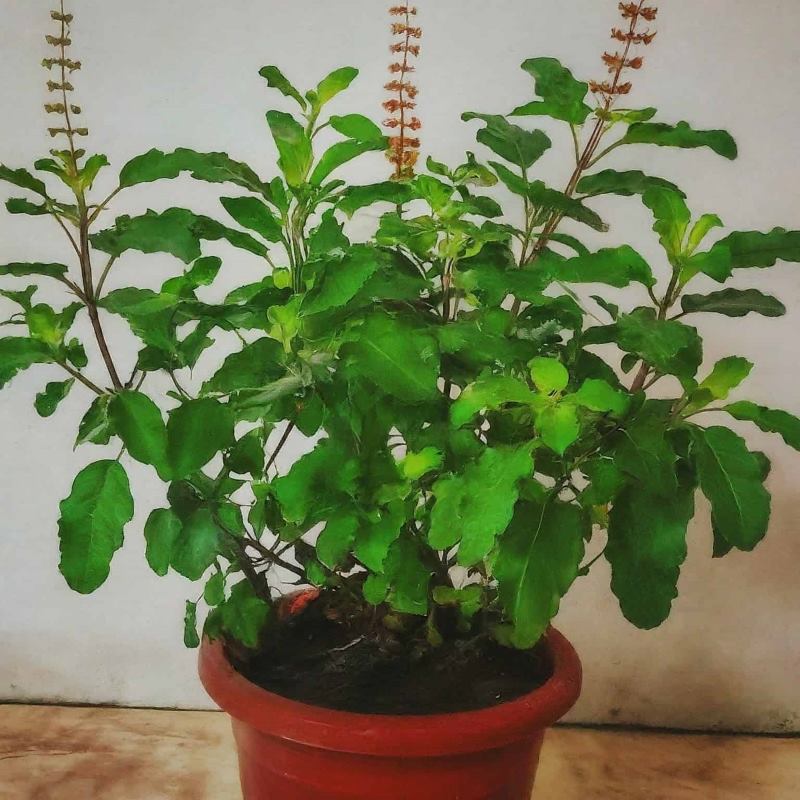
Tulsi is an essential aromatic herb in Hindu belief, and its association with the most sacred and influential position in Vastu is unparalleled.
It has its Vastu benefits, such as dispelling negative energies, bringing harmony and peace, raising spiritual vibrations, and cleansing the environment.
Tulsi, or Holy Basil, is commonly planted in courtyard areas or near the entry exit to greet all the auspicious cosmic energies and drive away the bad ones.
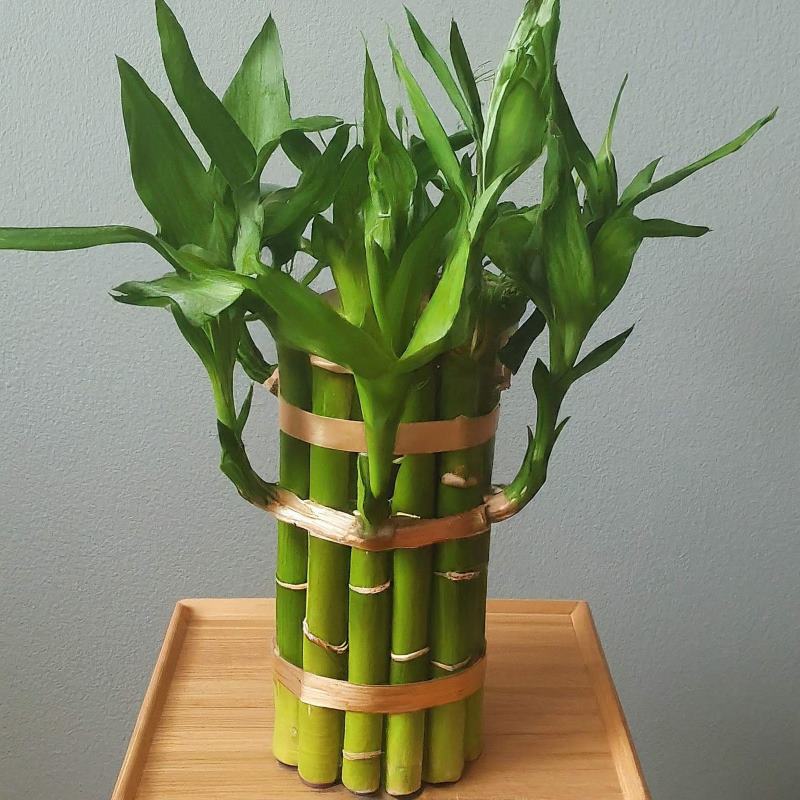
Based on the Vastu Shastra philosophy, bamboo stands for prosperity and positive energy as its straight, growing stems always point upward and reach the sky very soon.
Its Vastu effects include attracting positive energies, abundance and wealth into your life by placing it in the eastern or southeastern directions of your home or office.
Bamboo is not only good at reducing clutter and negativity, but it is also believed to promote calmness and stability.
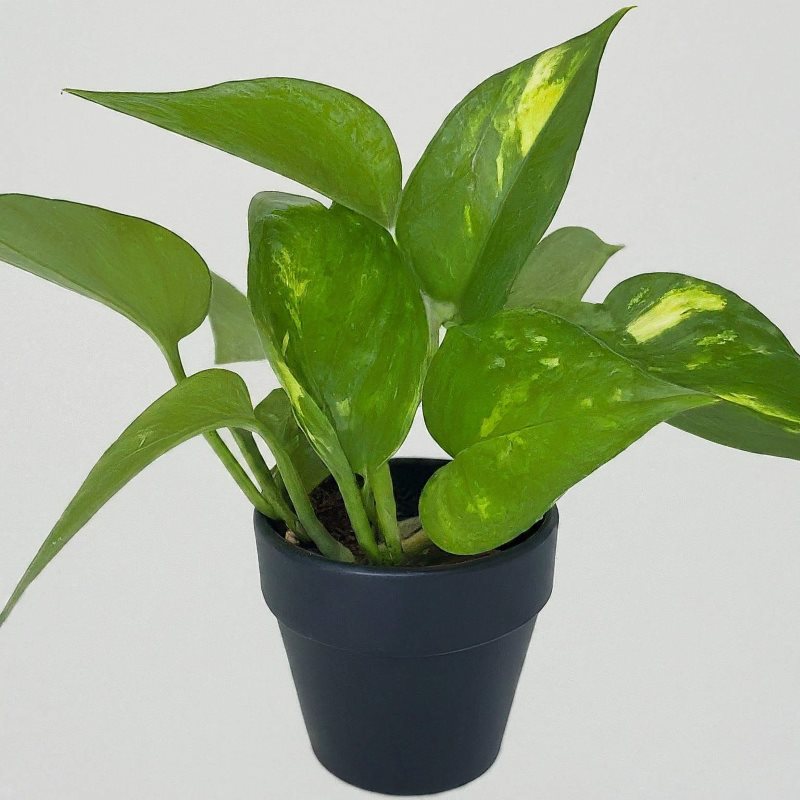
Living up to its name, the epiphytic plant, Epipremnum aureum, is scientifically known as 'Epipremnum aureum'. It is believed to facilitate attaining financial independence, abundance, and fortune by growing according to the Vastu principles of plant growth.
Its Vastu effects are wealth attraction, removing financial obstacles, and enhancing money flow.
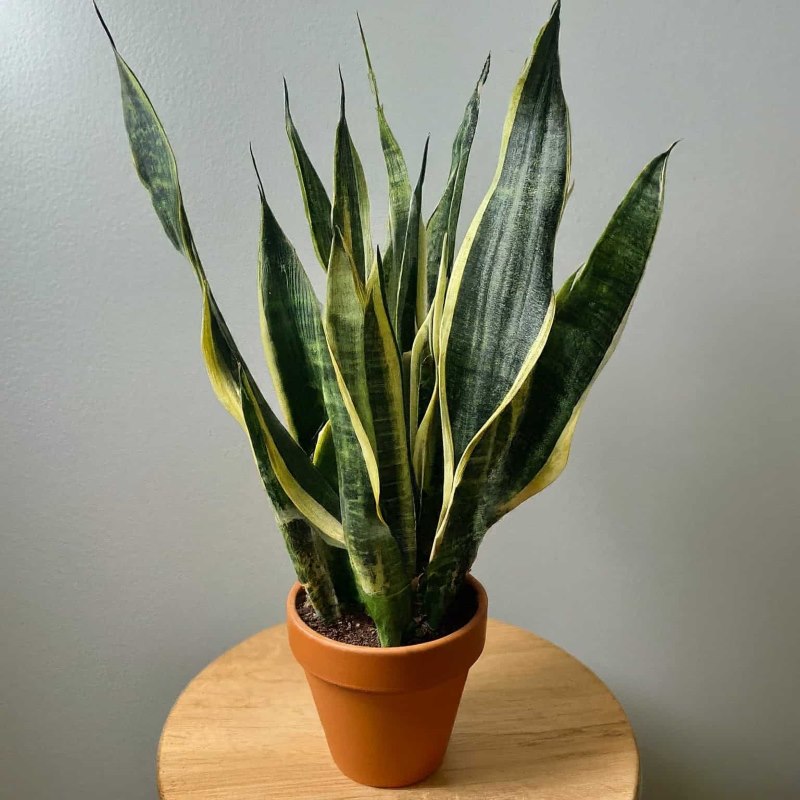
This plant, also called Mother-in-law's Tongue (Sansevieria), is a well-known protector resistant to various pollutants, such as environmental pollution and electromagnetic radiation.
Its Vastu perks include air purification, mental acuity and concentration enhancement, and balanced sleep patterns in bedrooms or study rooms.
The snake plant is also regarded as a source of strengthening harmony and understanding in families.
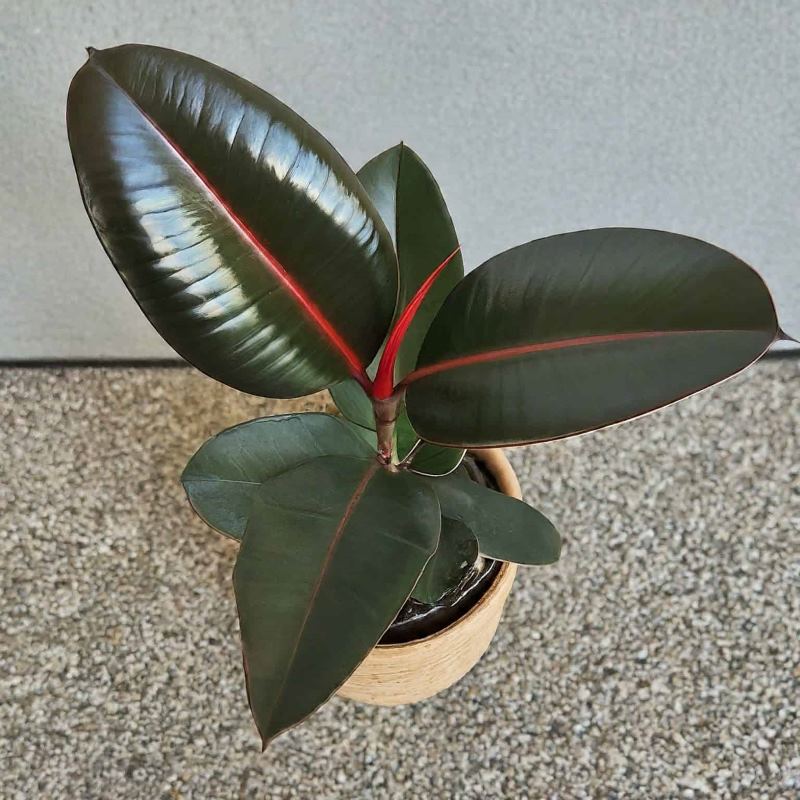
As per Vastu, the rubber plant or Ficus elastica is the best plant for removing harmful radiation, purifying the air, bringing good luck with its thick, glossy leaves, and staying well in low-light conditions.
Vastu advantages include wealth and prosperity when it is located in the southeast or a specific area directly in front of your business. The rubber plants are mainly popular due to their ability to improve focus, memory, and decision-making.
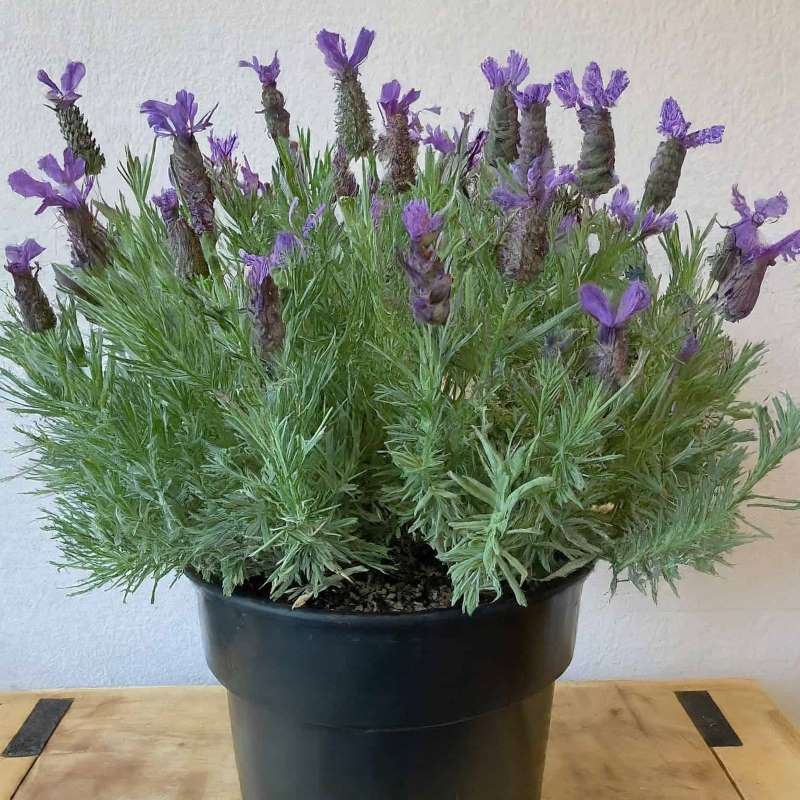
According to Vastu Shastra practices, the lavender plant, with its delightful purple shades and very soothing smell, influences people in the best possible way, enabling relaxation, easing stressed minds, and bringing clear-headedness.
When kept in a bedroom or meditation place, it has Vastu positive effects, including decreasing stress levels, giving sound sleep, and making room for the good energies of the universe.
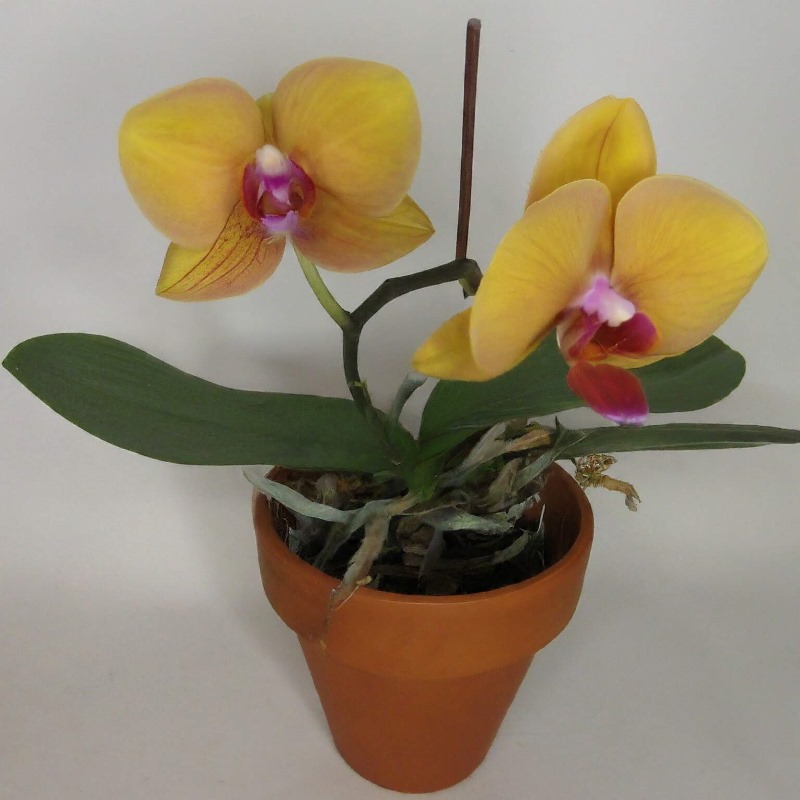
Seen as the epitome of intriguing and lovely, orchids are appreciated in Vastu Shastra as helpful in adding elevated beauty, grace, and prosperity.
The Vastu benefits of these plants include inviting favourable cosmic energy, inspiring creativity and artistic efforts, and having good luck and getting fertility with their placement in the southeast or east portions of the house.
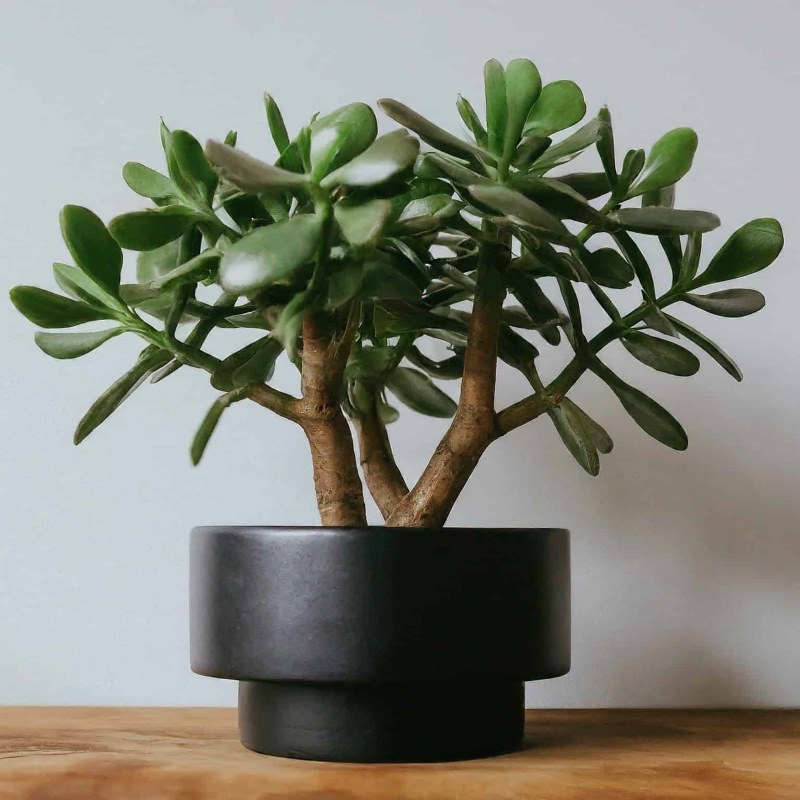
This pudgy Vastu plant with broad and round leaves is considered the most influential symbol of well-being and prosperity in Vastu Shastra. Its Vastu effects include attracting money, destroying financial difficulties, and leading to general prosperity if placed in the southeast direction or the areas associated with money and business.
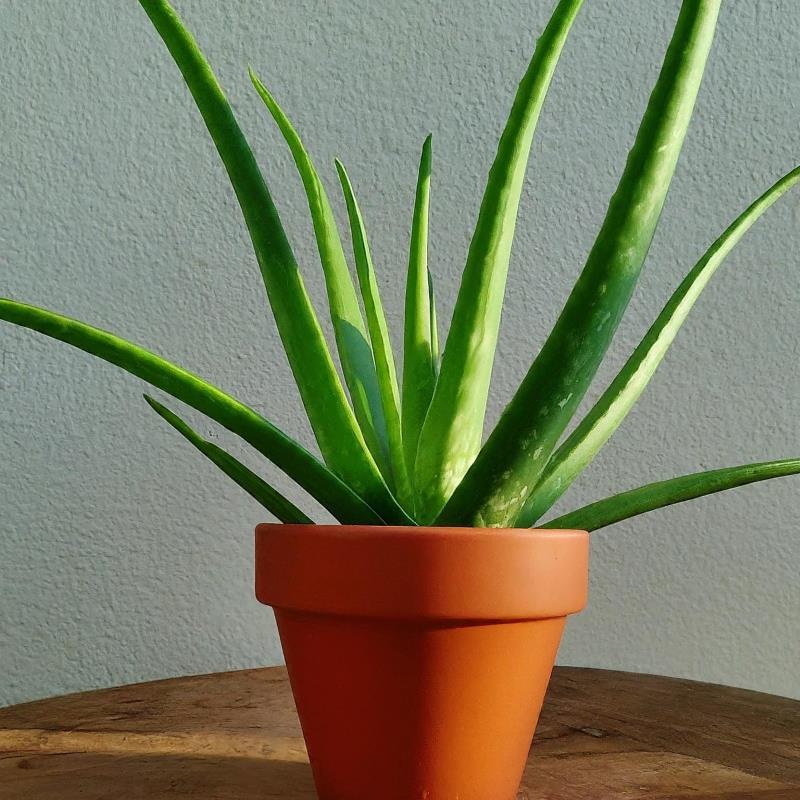
The medicinal properties of the aloe vera plant are the reason for its popularity yet the plant is prized more for its capability to clean the environment and promote health. Its Vastu Power comprises harmful energy elimination, clean air supply and positive vibrations related to good health and wellness in eastern or north-eastern directions of the home.
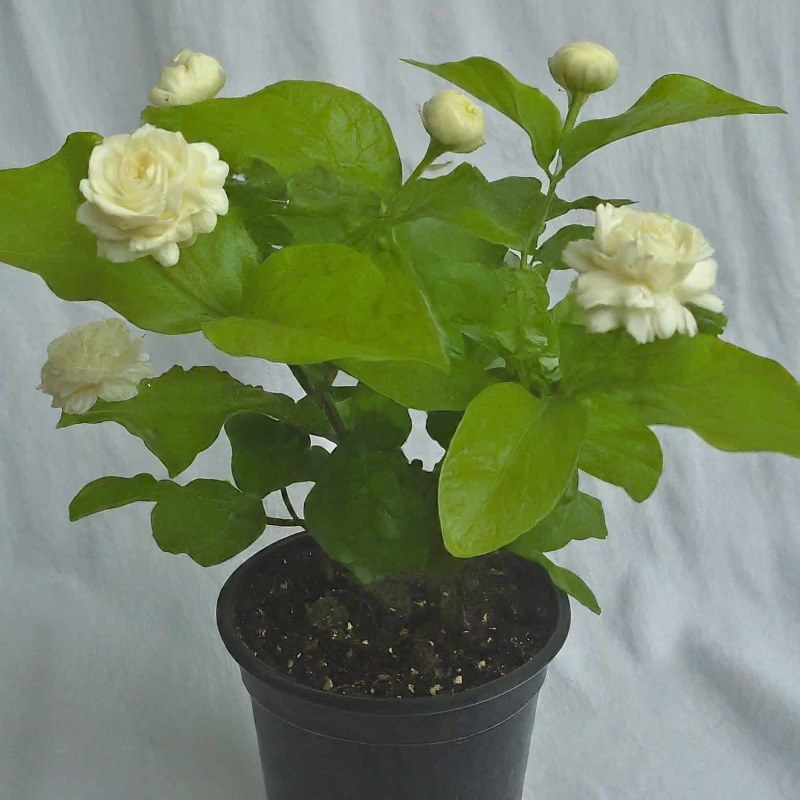
With its unique appearance of white flowers and pleasant fragrance, the jasmine plant is believed in Vastu Shastra it brings positivity and prosperity. Its Vastu effects include mutual and peaceful feelings and a proper husband-wife relationship whenever it is placed in the southwest direction or in the bedroom area. Jasmine is also stated to attract positivity and enhance the ambience and scent of the home.
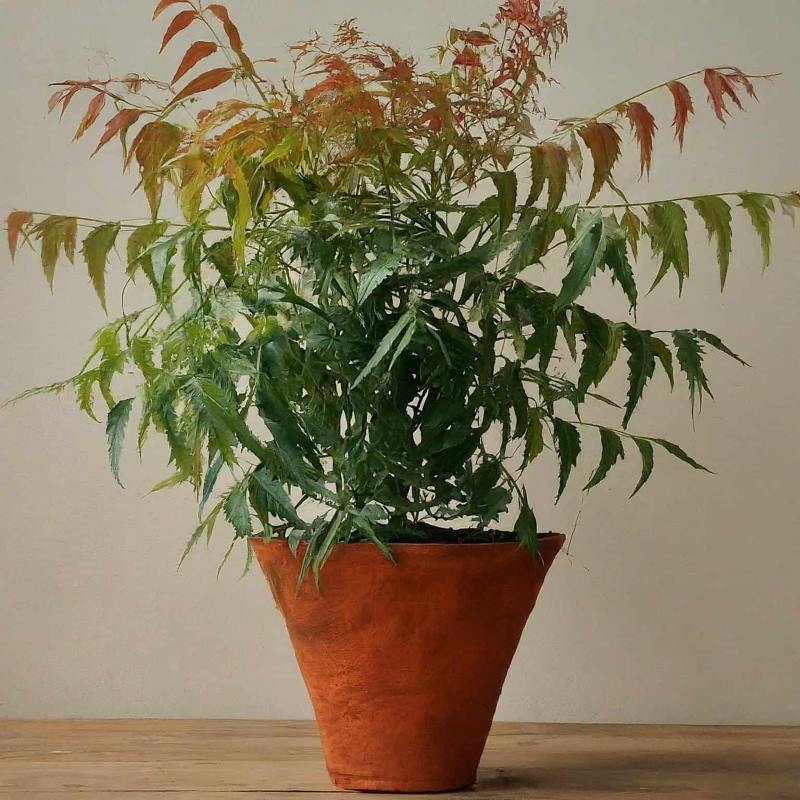
Neem is essential in Vastu Shastra because of the medicinal benefits of bitter leaves. Its Vastu benefits include protecting against negative energies, insects, and diseases.
According to the Vastu Shastra, the neem tree produces optimal conditions in the surroundings that enable the occupants to enjoy good health and well-being when planted in the northeastern or eastern directions of the home.
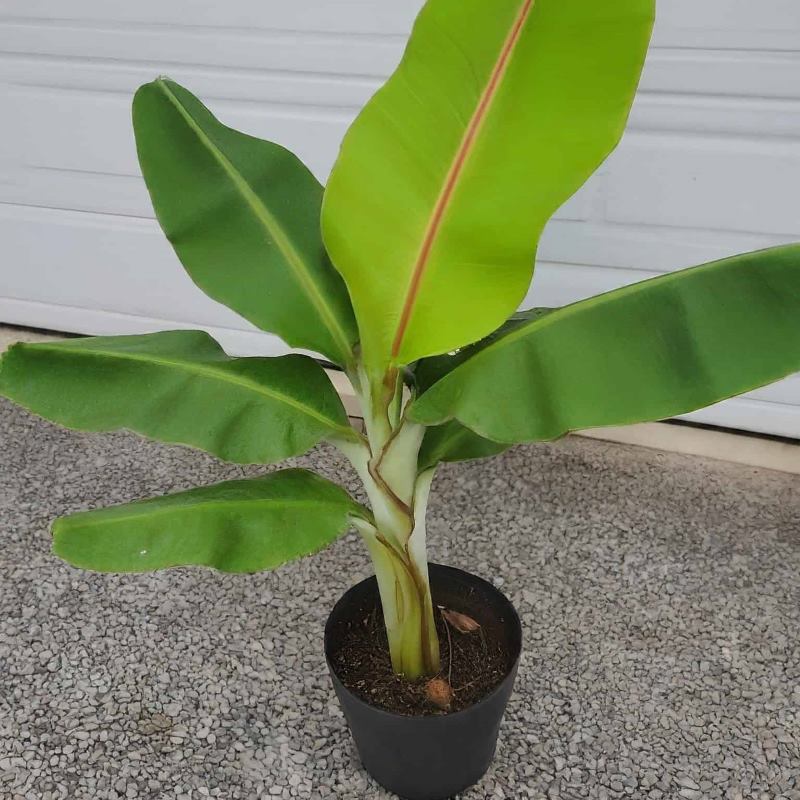
In Vastu Shastra, the banana tree is associated with abundance, prosperity, and fecundity due to its rich foliage and graceful arching trunk.
This plant's Vastu benefits include attracting auspicious forces from different sky locations, gaining domestic harmony, and manifesting abundance and wealth when planted in the east or northeast of the house and park.
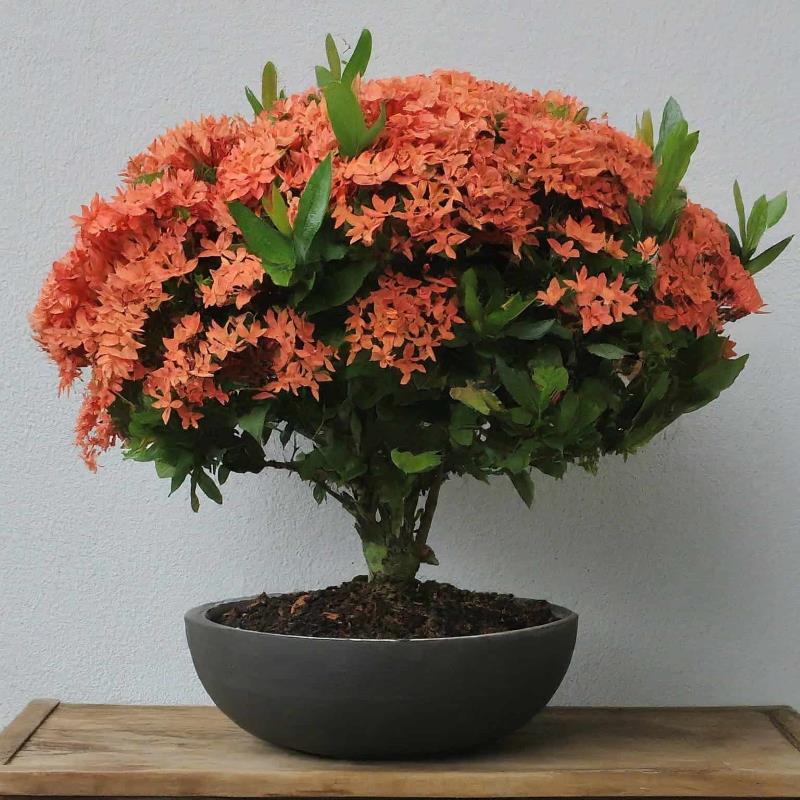
Because the Ashoka tree is considered a deity in Hindu mythology, it is the most crucial tree in Vastu Shastra, as it helps to invoke love and happiness, marital bliss, and well-being. Its Vastu virtue is to increase bonding and union of people in the home and reduce fight and harmony in the house when planted in the southwest direction or near the front door.
Given below are the key do’s and don’ts to keep in mind for vastu plants.
Therefore, to bring positive energies, abundance, and harmony into your home environment, merely indulging in home décor with Vastu plants is a truly sensible strategy. Following the age-old system of Vaastu Shastra and with the reasonable selection and placement of plants, you can avail yourself of their natural power to purify the environs, draw auspicious cosmic energy, and generate a friendly environment with tranquillity.