General
Life
Accessibility Options


General

General Products
Simple & Transparent! Policies that match all your insurance needs.
 Car Insurance
 Two Wheeler Insurance
 Commercial Vehicle Insurance
 Health Insurance
 Home Insurance
 Travel Insurance
 Business Insurance
Car Insurance
Two Wheeler Insurance
Commercial Vehicle Insurance
Health Insurance
Travel Insurance
Business Insurance
Car Insurance
Two Wheeler Insurance
Commercial Vehicle Insurance
Health Insurance
Travel Insurance



Scan to download

Life

Life Products
Digit Life is here! To help you save & secure your loved ones' future in the most simplified way.
 Term Life
 Savings Plan
 Retirement and Pension Plans
 Group Life Products
 Product Documents
Term Life
Savings Plan
Group Life Products
Product Documents
Term Life
Savings Plan
Group Life Products

Scan to download

Claims

Claims
We'll be there! Whenever and however you'll need us.
 Customer Support
 Motor Claims
Health Claims
Motor Claims
Health Claims
 Marine Insurance
 Grievance Redressal
Customer Support
Motor Claims
Health Claims
Marine Insurance
Grievance Redressal
Grievance Redressal
Customer Support
Motor Claims
Health Claims
Marine Insurance
Grievance Redressal
Scan to download
 General
 Life
General
Life
Life
General
Life
Renewals
Resources

Resources
All the more reasons to feel the Digit simplicity in your life!
Exclusive Features
 Transparency Report
Others
Exclusive Features
Transparency Report
Transparency Report
Others
Exclusive Features
Transparency Report
Scan to download


Our WhatsApp number cannot be used for calls. This is a chat only number.

 Grey Scale
 Readable Text
 Reset
Reset



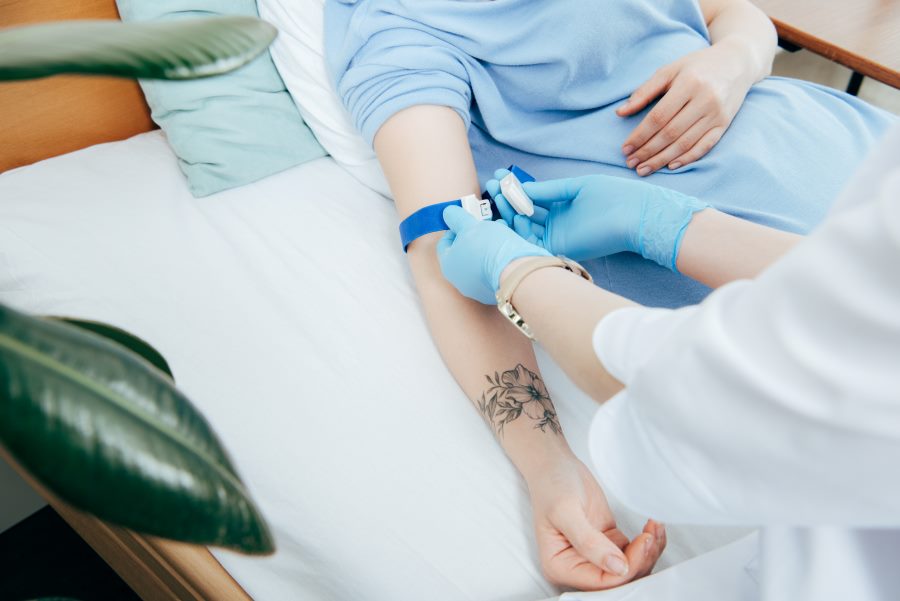
Donating blood if you have a tattoo is possible, but some conditions exist. Typically, you must wait 6-12 months after getting the tattoo, depending on where it was done. Blood donation is the noblest way to help people in dire need.
Misconceptions associated with having tattoos are among the popular myths that have prevented many people from donating blood. Come! Let’s quash the myth and know more about blood donation criteria and the time period for which one should wait after getting a tattoo.

Table of Contents

Most people are misled by the fact that they cannot donate blood if they have a tattoo.
However, the truth is most people who get a tattoo can donate blood. Getting a tattoo does not disqualify you from donating blood. You don’t have to compromise your lifestyle choices, style and individuality to become a donor. In addition, there are no such sources claiming that you cannot donate blood if you have a tattoo.
In other words, people with tattoos are eligible for blood donation. However, individuals need to wait for a particular time and meet specific criteria. Blood donation and tattoos do not have any connection.
If you recently got yourself inked, you must wait at least for six months before donating blood.
According to the American Red Cross, a person who did not get a tattoo from a licensed facility needs to wait for 12 months before donating blood to ensure that they are free from any infectious diseases possibly acquired after getting a tattoo. Rules around tattoos and blood donation criteria have changed over the years.
Even if you have a tattoo, do not hesitate to donate blood as that’s the most pressing priority ever.
Health concerns associated with a tattoo are escalating. As a result, bulks of potential donors have turned away from the blood bank as they are under continuous threat of acquiring multiple contagious diseases like hepatitis, HIV, etc.
If the needle used in the process is not sterilised or has residue of infected blood, one can get infected with diseases like hepatitis or HIV. The bloodstream can easily transmit hepatitis. There is a prevalent risk of transferring that to the person on the receiving end during a blood transfusion. Hepatitis B and Hepatitis C can be deadly. So, people who are HIV positive or affected by any of the above-mentioned diseases should not donate blood.
Likewise, people should refrain from giving blood right after getting a tattoo to prevent cross-contamination and blood-borne diseases. Instead, they can donate blood after a deferral period of 12 months as it is longer than the incubation period of hepatitis B. This deferral period also makes sure that the tattoo has adequate time to heal.
Getting your tattoo done from an authorised place is vital as there are high chances of contracting infectious diseases otherwise. Make sure the needles and other tools are new and sterilised. Furthermore, any foreign substance like metals or inks can disrupt the immunity system.
In addition to this, skin infections, inflammations are common side effects of getting a tattoo. Individuals who underwent surgeries or have injuries should not donate blood. Tattooing and piercing are highly risky since both are associated with needles.
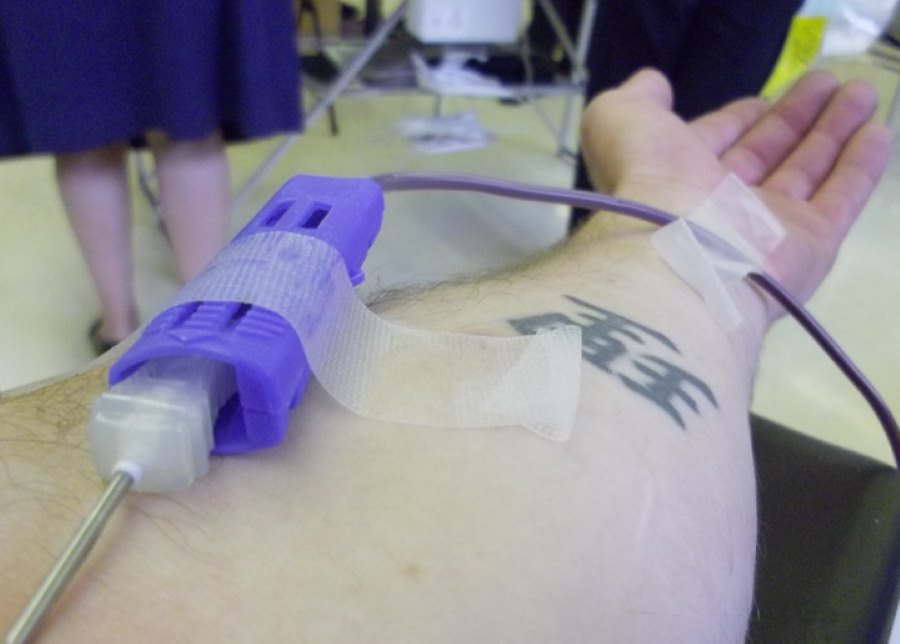
Before donating blood with a tattoo, it is important to consider certain factors to ensure your safety and eligibility. Tattoos can affect your ability to donate blood, especially if they are recent or not done in a licensed facility. Following these guidelines will help ensure a smooth donation process.
After donating blood, people with tattoos should follow specific care guidelines to ensure their health and well-being. These recommendations help prevent complications and ensure that the tattoo and donation site heal properly.
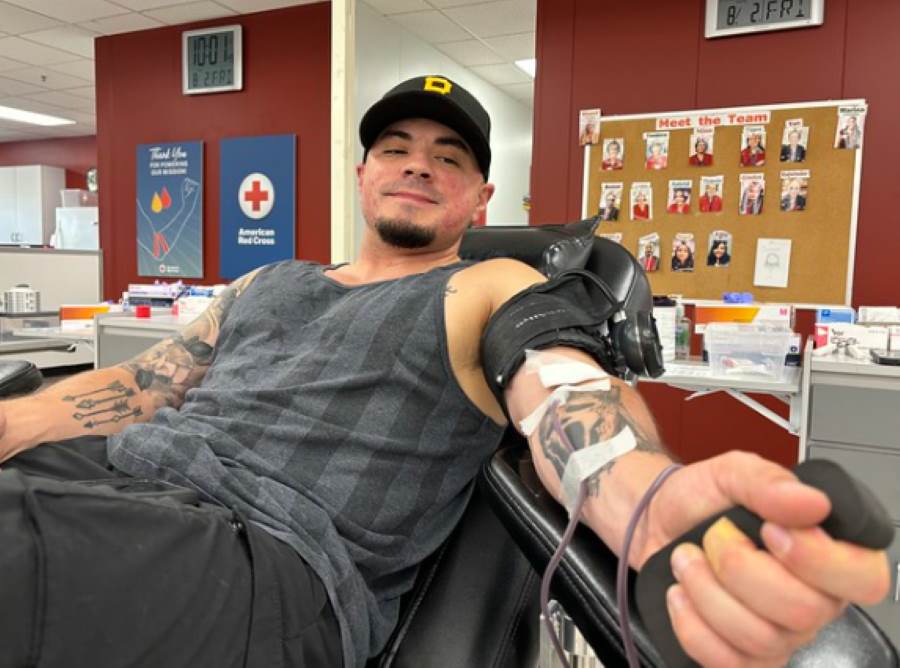
People generally give in to the myths and start believing them. But, blood donation after getting a tattoo is possible and safe. However, you will have to wait for six months after getting a tattoo to prevent transmitting severe ailments. The following span of 6 months will allow the tattoo to heal completely.
Moreover, the blood donated by a tattooed person undergoes additional testing to eliminate even the slightest chance of contracting a deadly disease.
Tattoos can lead to certain conditions, such as infections or allergic reactions, which may disqualify you from certain activities or procedures, including blood donation and specific medical treatments.
A fresh tattoo can cause skin infections if not properly cared for. This risk can disqualify you from activities like blood donation or certain surgeries until the infection is fully healed.
Some individuals may develop allergic reactions to tattoo ink, leading to chronic skin irritation. Severe reactions may disqualify you from certain jobs that require frequent skin exposure.
If a tattoo is done with non-sterile equipment, there's a risk of contracting bloodborne diseases like Hepatitis B or C. This can disqualify you from donating blood or participating in certain medical procedures.
Some people are prone to keloid scars, which are raised, thickened areas of skin. Large or visible keloids from tattoos can disqualify you from careers that have strict appearance standards.
Tattoos can sometimes cause complications such as burning sensations or skin irritation during MRI scans. These complications might disqualify you from undergoing certain medical imaging procedures.
The body's immune response to tattoo ink can cause long-term health issues like chronic inflammation. This can disqualify you from activities or jobs that require optimal immune system function.
While donating blood is safe and beneficial, individuals with tattoos may experience specific side effects. Awareness of these effects can help in taking necessary precautions.
Understanding these side effects helps tattooed individuals prepare and care for themselves after donating blood. They can ensure a smooth recovery by monitoring their condition and following post-donation care.
A tattoo can temporarily affect your eligibility to donate blood due to the potential risk of bloodborne infections. However, this impact is usually short-term and varies by location and health regulations.
Overall, donating blood is a noble act since one donation can save up to three lives. It is a sign of selflessness and shows your contribution to improving someone’s health condition and saving a life.
So, a person with a tattoo can donate blood without hesitation if he or she is free from any severe ailments. Now that you have gone through this article don’t let hoaxes overpower your wish to donate blood.
Protect What Matters - Explore Other Insurance Options
Yes, you can donate blood if you have a tattoo. However, depending on local regulations, you may need to wait a certain period before you can donate after getting the tattoo.
The waiting period ensures that any potential infections from the tattooing process, such as hepatitis or HIV, do not contaminate the blood supply.
Yes, but if you have a new tattoo, the same waiting period applies for plasma donation as for whole blood donation.
No, the location of the tattoo on your body doesn’t typically change the guidelines, but proper healing and hygiene are essential for all tattoos.
Yes, as long as you adhere to the required waiting periods after each new tattoo, you can continue to be a regular blood donor.