General
Life
Accessibility Options


General

General Products
Simple & Transparent! Policies that match all your insurance needs.
 Car Insurance
 Two Wheeler Insurance
 Commercial Vehicle Insurance
 Health Insurance
 Home Insurance
 Travel Insurance
 Business Insurance
Car Insurance
Two Wheeler Insurance
Commercial Vehicle Insurance
Health Insurance
Travel Insurance
Business Insurance
Car Insurance
Two Wheeler Insurance
Commercial Vehicle Insurance
Health Insurance
Travel Insurance



Scan to download

Life

Life Products
Digit Life is here! To help you save & secure your loved ones' future in the most simplified way.
 Term Life
 Savings Plan
 Retirement and Pension Plans
 Group Life Products
 Product Documents
Term Life
Savings Plan
Retirement and Pension Plans
Group Life Products
Product Documents
Term Life
Savings Plan
Retirement and Pension Plans
Group Life Products

Scan to download

Claims

Claims
We'll be there! Whenever and however you'll need us.
 Customer Support
 Motor Claims
Health Claims
Motor Claims
Health Claims
 Marine Insurance
 Grievance Redressal
Customer Support
Motor Claims
Health Claims
Marine Insurance
Grievance Redressal
Grievance Redressal
Customer Support
Motor Claims
Health Claims
Marine Insurance
Grievance Redressal
Scan to download
 General
 Life
General
Life
Life
General
Life
Renewals
Resources

Resources
All the more reasons to feel the Digit simplicity in your life!
Exclusive Features
 Transparency Report
Others
Exclusive Features
Transparency Report
Transparency Report
Others
Exclusive Features
Transparency Report
Scan to download


Our WhatsApp number cannot be used for calls. This is a chat only number.

 Grey Scale
 Readable Text
 Reset
Reset



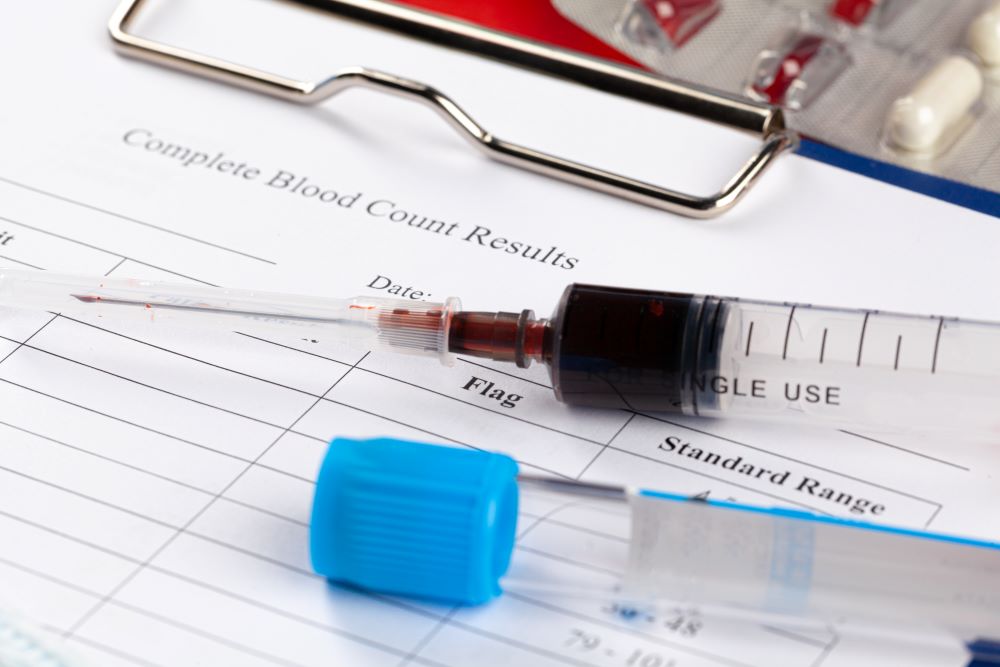
The red blood cells have haemoglobin which is primarily responsible for carrying oxygen to different body parts. The overall functioning of the tissues and different organs in a human body depends on the amount of oxygen they receive. Hence, it is very important to assess the RBC count of one’s body. This can be easily done with the help of an RBC count test.
In a blood test, an RBC count helps assess overall health and detect conditions such as anaemia or polycythemia. A normal RBC count varies depending on age, sex, and health status. Continue reading this piece to know more about the same.

Table of Contents

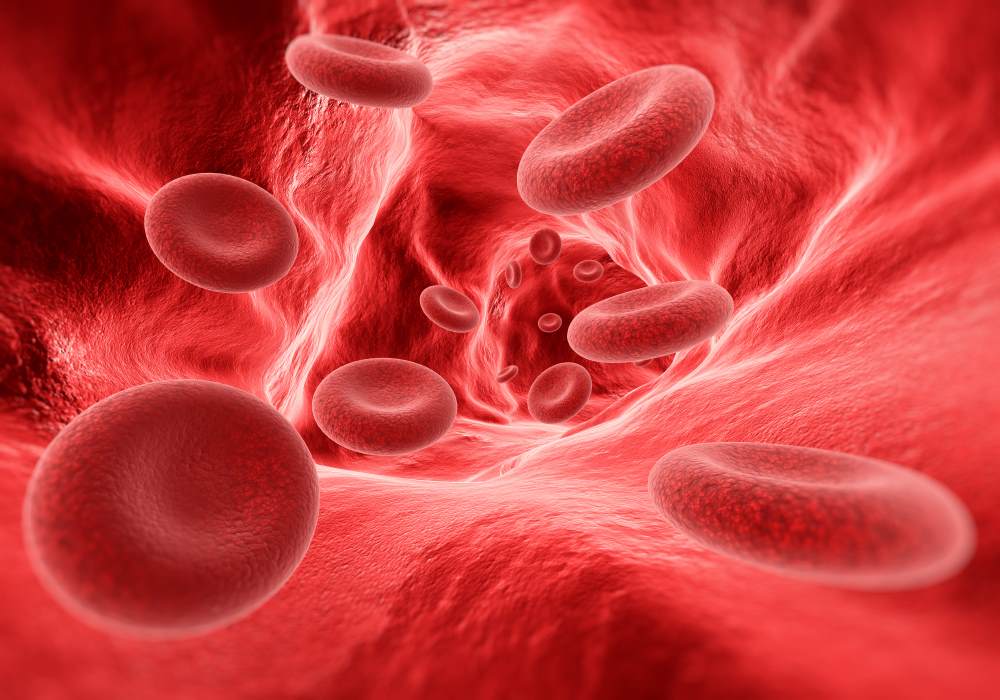
An RBC count is a measurement of the number of red blood cells or erythrocytes in an individual's blood sample. These red blood cells are responsible for carrying oxygen from the lungs to the different organs in the human body. An inappropriate red blood cell count is one of the first signs of illness. Hence, this test allows an individual to get treatment even before the onset of symptoms.
An RBC count test is usually a part of the complete blood count (CBC) test. This test is usually done with the motive of assessing the change in the normal range of RBC. Plus, an RBC count is needed in the diagnosis of various blood-related conditions, such as iron deficiency anaemia. Additionally, a lower RBC count also indicates kidney disease, malnutrition, internal bleeding and deficiency of vitamin B12 and vitamin B6.
An RBC test should be done when you need to assess your overall health or when any of the below conditions takes place:
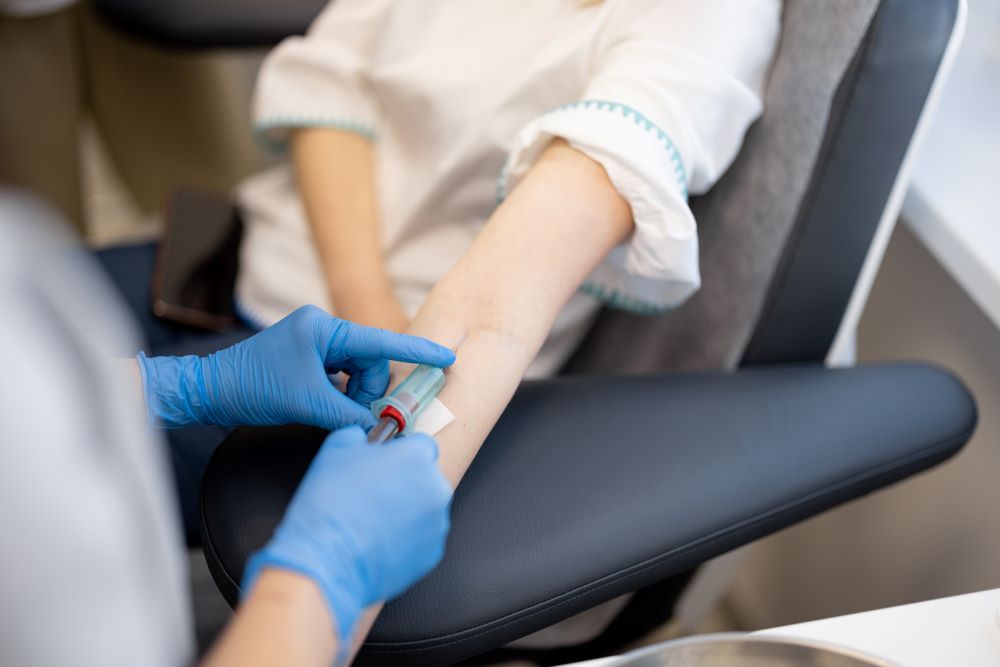
Red blood cell count is a basic blood test that can be easily performed in a doctor’s office. The steps involved in an RBC count are as follows:
Step 1: They will first clean the area using an antiseptic. A small quantity of blood is drawn from the patient's vein for the RBC test.
Step 2: Following this, they will wrap a rubber band around the upper arm to make the vein swell with blood.
Step 3: Then, they will insert a needle in the vein and draw out blood in a tube or vial, and blood is drawn into a tube or vial for testing.
Step 4: Finally, they will remove the needle and the elastic band from the person’s arm.
Medical professionals will then send the collected blood sample to the laboratory for analysis.
Usually, there are no special preparations needed before an RBC count test. However, the doctor might ask you to:
Do Not Do Intense Exercise Or Workouts: Refrain from intense physical activity before the test, as it can temporarily elevate your RBC count.
Reduce And Relax Stress: Stress and anxiety can affect blood test results. Try to stay calm and relaxed before the procedure.
Drink A Lot Of Water: Drink plenty of water before the test to ensure easy blood flow and an accurate result. Avoid excessive caffeine or alcohol, which can dehydrate you.
Delay Or Avoid Certain Drugs Or Medications: Inform your doctor about any medications or supplements you take, as some may affect your RBC count.
Relax Before the Test: Stress and anxiety can affect blood test results. Try to stay calm and relaxed before the procedure.
Follow Fasting Instructions (if required): Some blood tests may require fasting for a certain period before the test.
Note: Make sure to inform your doctors about the supplements and medicines you are taking.
Following these steps ensures your RBC test results are as accurate as possible. Proper preparation helps your doctor assess your health and detect any issues early. If you have any concerns, discussing them with your healthcare provider beforehand is always a good idea.
RBC (red blood cell) count in blood tests is measured by analysing a blood sample in a laboratory. The laboratory uses automated equipment to count the number of red blood cells in a specific blood volume. This count is typically reported as the number of cells per microliter.
The measurement helps assess the efficiency of oxygen transport in the body and aids in diagnosing various health conditions related to blood and overall health.
Reading RBC results in a blood test helps you understand your red blood cell count and its implications for your health. The results are typically presented numerically compared to the normal range.
Comparing your RBC count with these reference ranges helps determine if your levels are normal or if further evaluation is needed. Abnormal values may indicate conditions like anaemia or polycythemia. Always consult your doctor for a detailed interpretation of your results.
The normal red blood cell count for men is 4.7 - 6.1 million RBCs per microliter of blood. Further, for women, the normal RBC count is 4.0 - 5.5 million RBCs per microliter of blood. The table below shows the normal range of RBC count for different age groups and gender:
A high RBC count, known as polycythemia, can lead to various symptoms that may affect your overall health. These symptoms arise from the increased thickness of the blood, which can impact circulation.
These symptoms indicate that a high RBC count might affect your body's ability to function normally. If you experience any of these, consulting with a healthcare provider is important.
In case an individual has a high RBC count, it means they have erythrocytosis. This leads to the blood getting thicker than usual and increases the odds of blood clots. A higher RBC count is caused due to the following reasons:

High RBC counts, known as erythrocytosis or polycythemia, can be caused by various factors. Identifying the underlying cause is essential for appropriate treatment and management.
Low RBC count can result in certain chronic illnesses. Here are a few ways in which you can increase your RBC count:
Low RBC count, or anaemia, can lead to symptoms due to reduced oxygen delivery to the body’s tissues. Recognising these symptoms can help in seeking timely medical attention.
In case an individual has a low RBC count, it means they have anaemia. This is generally caused by a decrease in the production of RBCs or a loss of RBCs. However, some of the most common causes of low RBC count are as follows:
Low RBC count, or anaemia, can result from various underlying conditions or factors. Identifying the cause is essential for effective treatment and management.
A high red blood cell (RBC) count can lead to various health issues, such as an increased risk of blood clots. Managing and reducing elevated RBC levels is essential for maintaining overall health. Here are several methods to decrease RBC count:
There exists more than one factor that, other than iron and vitamin supplementation, can affect the numbers of red blood cells (RBCs), such as:
To summarise, high and low RBC counts can lead to several health conditions. Understanding the various factors influencing RBC levels is crucial for effectively managing health. By addressing these factors, individuals can better maintain balanced RBC levels and overall well-being. Hence, it is always a wise decision to go for an RBC count test if you have any symptoms of anaemia or erythrocytosis.
Protect What Matters - Explore Other Insurance Options