General
Life
Accessibility Options


General

General Products
Simple & Transparent! Policies that match all your insurance needs.
 Car Insurance
 Two Wheeler Insurance
 Commercial Vehicle Insurance
 Health Insurance
 Home Insurance
 Travel Insurance
 Business Insurance
Car Insurance
Two Wheeler Insurance
Commercial Vehicle Insurance
Health Insurance
Travel Insurance
Business Insurance
Car Insurance
Two Wheeler Insurance
Commercial Vehicle Insurance
Health Insurance
Travel Insurance


Scan to download

Life

Life Products
Digit Life is here! To help you save & secure your loved ones' future in the most simplified way.
 Term Life
 Savings Plan
 Retirement and Pension Plans
 Group Life Products
 Product Documents
Term Life
Savings Plan
Retirement and Pension Plans
Group Life Products
Product Documents
Term Life
Savings Plan
Retirement and Pension Plans
Group Life Products
Scan to download

Claims

Claims
We'll be there! Whenever and however you'll need us.
 Customer Support
 Motor Claims
Health Claims
Motor Claims
Health Claims
 Marine Insurance
 Grievance Redressal
Customer Support
Motor Claims
Health Claims
Marine Insurance
Grievance Redressal
Grievance Redressal
Customer Support
Motor Claims
Health Claims
Marine Insurance
Grievance Redressal
Scan to download
 General
 Life
General
Life
Life
General
Life
Renewals
Resources

Resources
All the more reasons to feel the Digit simplicity in your life!
Exclusive Features
 Transparency Report
Others
Exclusive Features
Transparency Report
Transparency Report
Others
Exclusive Features
Transparency Report
Scan to download


Our WhatsApp number cannot be used for calls. This is a chat only number.

 Grey Scale
 Readable Text
 Reset
Reset



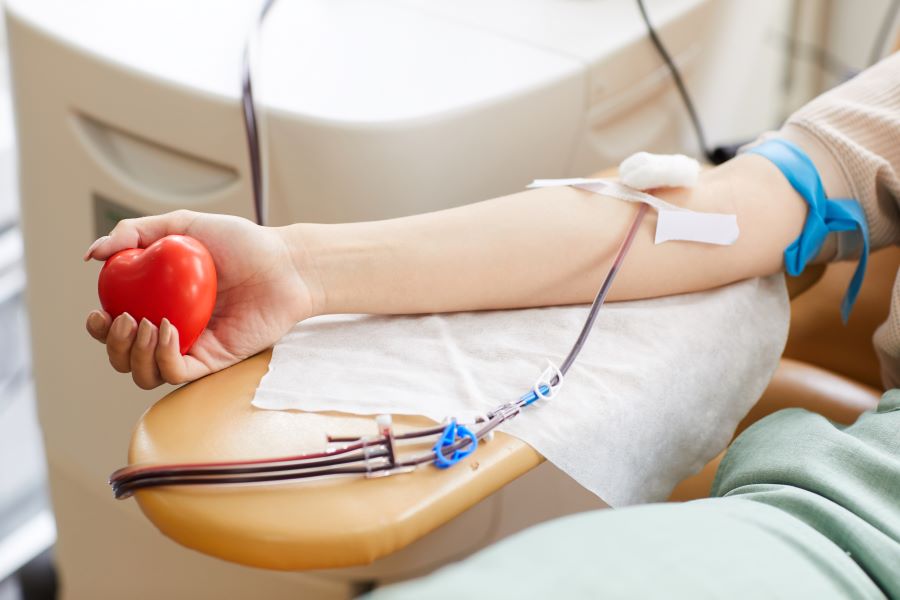
Blood donation can lead to weakness and side effects like anaemia and fatigue. Therefore, it is essential to consume the right food items and fluids before and after donating blood to avoid health issues. Recognising how important it is to eat well before and after donating blood is vital for your health as a donor and for making your donation count.
Eating the right foods keeps you feeling strong and helps you recover faster afterwards. Keep reading to learn what to eat after donating blood and the foods to consume before it.

Table of Contents

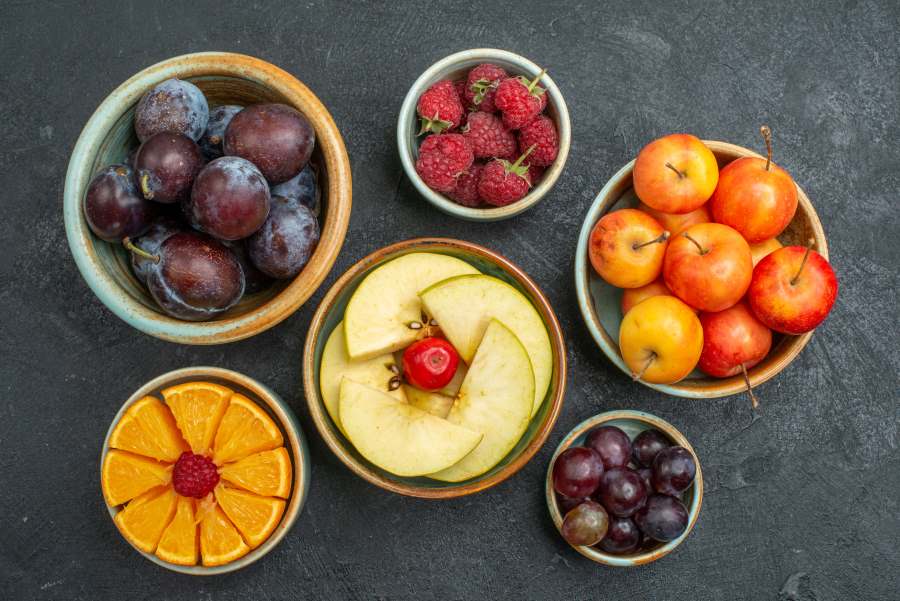
Firstly, keeping yourself hydrated before and after blood donation is very important. Individuals should drink plenty of water or fresh juices to replenish the loss of fluid due to blood donation. The recommended consumption level is nearly two cups before donating blood and 9-13 cups daily to keep the body healthy and active.
Now, here are some suggestions on what to eat before blood donation.
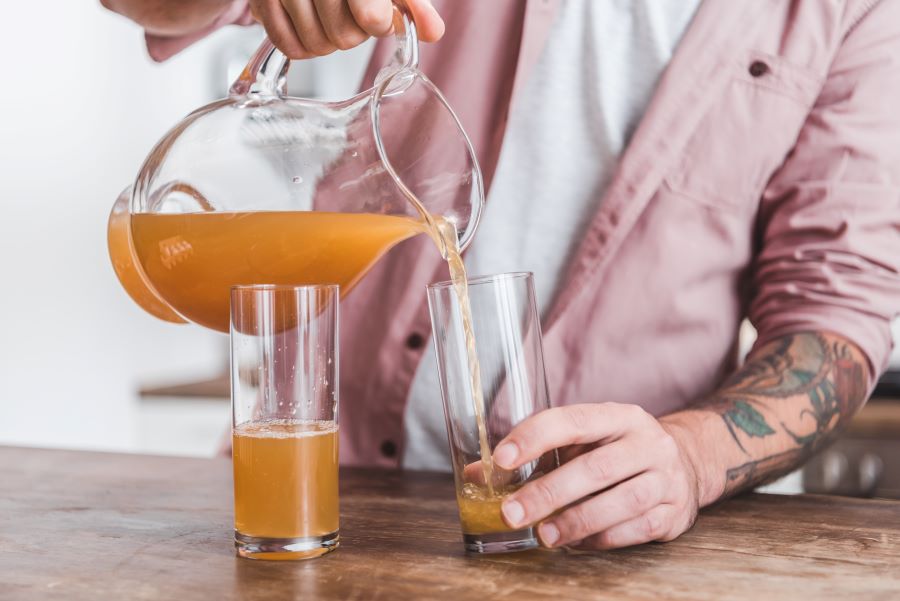
After donating blood, individuals should keep themselves hydrated and eat a light snack. This would help stabilise the fluid levels and blood sugar.
Now that you know what to eat after you donate blood, you can consult a doctor or dietician regarding what to avoid after donating blood.
This would remove risks like fainting, weakness, or other health issues. For instance, individuals with a medical history should donate blood under a doctor’s supervision.
There are a lot of things that need to be clarified about what to eat and not eat when it concerns blood donation. Read ahead to debunk a few popular myths:
There are several benefits to donating blood, mentally and physically. Here are a few advantages that may encourage you to donate:
Regular blood donation can help reduce excess iron levels, lowering the risk of conditions like hemochromatosis. This reduction in iron stores also benefits cardiovascular health by decreasing oxidative stress.
The body replenishes the lost blood after donation, stimulating the production of new blood cells and promoting overall health. This process supports the immune system and ensures efficient oxygen transport throughout the body.
One blood donation can save up to three lives by providing crucial support for surgeries, cancer treatments, chronic illnesses, and traumatic injuries. This lifesaving impact underscores the importance of regular blood donations in medical emergencies and ongoing patient care.
Donating blood can provide a sense of fulfilment and emotional well-being, fostering a sense of community and altruism. Knowing that your donation can make a significant difference in someone else's life can boost self-esteem and create a positive outlook.
Regular donations ensure a stable and sufficient blood supply for hospitals and medical facilities, which is crucial during emergencies and disasters. By donating regularly, individuals contribute to the ongoing availability of blood products needed.
While donating blood is generally safe, it's important to be aware of potential side effects that some donors may experience, especially in the context of managing nutrition before and after donation:
After donating blood, individuals should sit in the observation area and rest. It is beneficial to wait for at least fifteen minutes to stabilise the blood loss.
Being impatient and leaving immediately after donating blood can lead to significant health issues. Here are certain things to avoid after donating blood-
A nurse may check a blood donor’s vitals and RBC count before inserting a sterile needle to draw blood. This is when any health issue due to improper diet may show up. Additionally, blood donors should keep a tab on the bodily changes after donating blood. For instance, they should contact the blood donation centre if they have a fever for a week or more after blood donation.
Individuals should keep their bandages intact after donating blood and consult a medical practitioner if they have bleeding. They can apply cold packs if bruising occurs. It is righteous to inform the department when a patient is diagnosed with covid after a blood donation. This practice can prevent the spreading of the virus.
Hopefully, this discussion will help you understand what to eat after donating blood and prior. Blood donation is a noble act that should be practised and preached by healthy individuals. Remembering to consume nutrient-rich foods before donation helps maintain your health and prepares your body for the process, while following guidelines for post-donation meals supports recovery and replenishes lost nutrients.
Blood donation is a vital medical procedure that provides health benefits and is a profoundly generous act. It is a tangible expression of empathy and solidarity.
Protect What Matters - Explore Other Insurance Options
It’s generally recommended to take it easy for the rest of the day after donating blood. While light activities are usually fine, you should avoid strenuous exercise or heavy lifting, like going to the gym, for at least 24 hours. Your body needs time to recover and replenish the lost fluids and red blood cells.
If you experience unusual fatigue, dizziness, or weakness beyond the typical recovery time, some health insurance plans offer cashless consultations or telemedicine options for quick follow-up care. These can be convenient ways to get medical advice without visiting a clinic.