General
Life
Accessibility Options


General

General Products
Simple & Transparent! Policies that match all your insurance needs.
 Car Insurance
 Two Wheeler Insurance
 Commercial Vehicle Insurance
 Health Insurance
 Home Insurance
 Travel Insurance
 Business Insurance
Car Insurance
Two Wheeler Insurance
Commercial Vehicle Insurance
Health Insurance
Travel Insurance
Business Insurance
Car Insurance
Two Wheeler Insurance
Commercial Vehicle Insurance
Health Insurance
Travel Insurance



Scan to download

Life

Life Products
Digit Life is here! To help you save & secure your loved ones' future in the most simplified way.
 Term Life
 Savings Plan
 Retirement and Pension Plans
 Group Life Products
 Product Documents
Term Life
Savings Plan
Retirement and Pension Plans
Group Life Products
Product Documents
Term Life
Savings Plan
Retirement and Pension Plans
Group Life Products

Scan to download

Claims

Claims
We'll be there! Whenever and however you'll need us.
 Customer Support
 Motor Claims
Health Claims
Motor Claims
Health Claims
 Marine Insurance
 Grievance Redressal
Customer Support
Motor Claims
Health Claims
Marine Insurance
Grievance Redressal
Grievance Redressal
Customer Support
Motor Claims
Health Claims
Marine Insurance
Grievance Redressal
Scan to download
 General
 Life
General
Life
Life
General
Life
Renewals
Resources

Resources
All the more reasons to feel the Digit simplicity in your life!
Exclusive Features
 Transparency Report
Others
Exclusive Features
Transparency Report
Transparency Report
Others
Exclusive Features
Transparency Report
Scan to download


Our WhatsApp number cannot be used for calls. This is a chat only number.

 Grey Scale
 Readable Text
 Reset
Reset



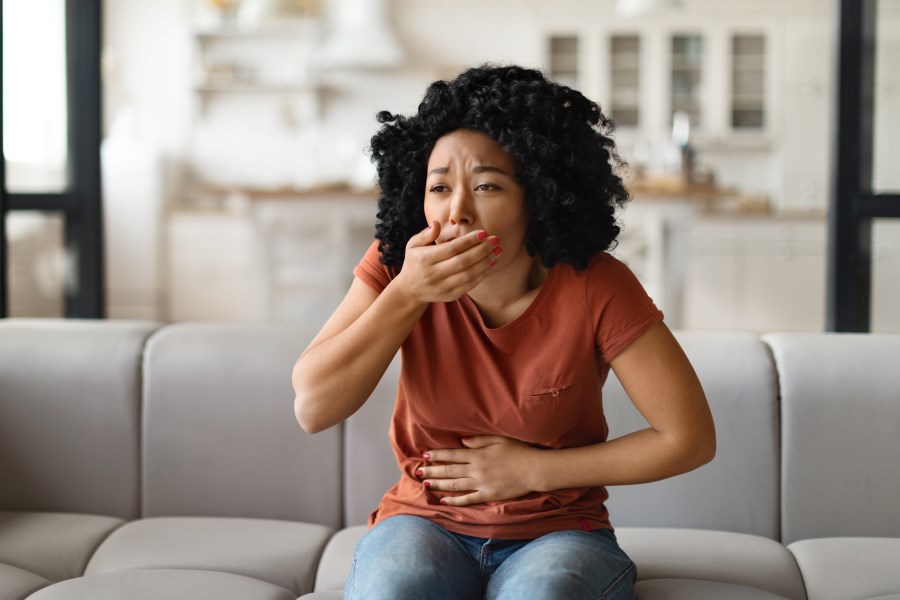
In Ayurveda, there are five therapies associated with Panchakarma. The Vamana therapy involves medicated emesis. Generally conducted for issues related to Kapha dosha, this treatment successfully removes toxins in one’s respiratory or gastrointestinal tract.
Therefore, as a preventive and curative measure, one can induce Vamana therapy to expel any chances of getting affected. Continue reading this article to gain insight into this Ayurvedic treatment, especially if you are considering it.

Table of Contents

Vamana therapy is a therapeutic emesis technique used in Ayurveda to cure Kapha disorders. It involves purging toxins from the body through artificial vomiting, which cleanses the respiratory and digestive systems. The primary purpose of this therapy is to treat asthma, bronchitis, obesity, and skin diseases by removing excessive Kapha and restoring balance in the body.
This treatment not only helps to get rid of physical toxins but also purifications of mental strain and emotional grief are possible. Because of the pushing-out of surplus mucus and phlegm, the effectiveness of the lungs increases, the immune system is strengthened, and overall life quality is considerably improved.
According to Vamana in Ayurveda, it is believed that each season has a distinctive effect on our doshas. The spring season (Hemant) influences Kapha; winter (Sharada) tends to influence pitta, and summer (Greeshma) is known to influence Vata.
Vamana therapy aims to eliminate excess Kapha in our bodies. Higher levels of Kapha can cause multiple issues, such as asthma, diabetes, chronic colds, acne, and arthritis. Sometimes, if this amount is not majorly harmful, oral medicines are given as a preventive step.
However, if the amount is exorbitant, it needs to be removed from the system. Expelling the excess often cures the illness. As Kapha is generally present in the chest, oral expulsion is the easiest route to go. For the therapy to be a success, Kapha must be terminated out of the body by inducing vomiting.
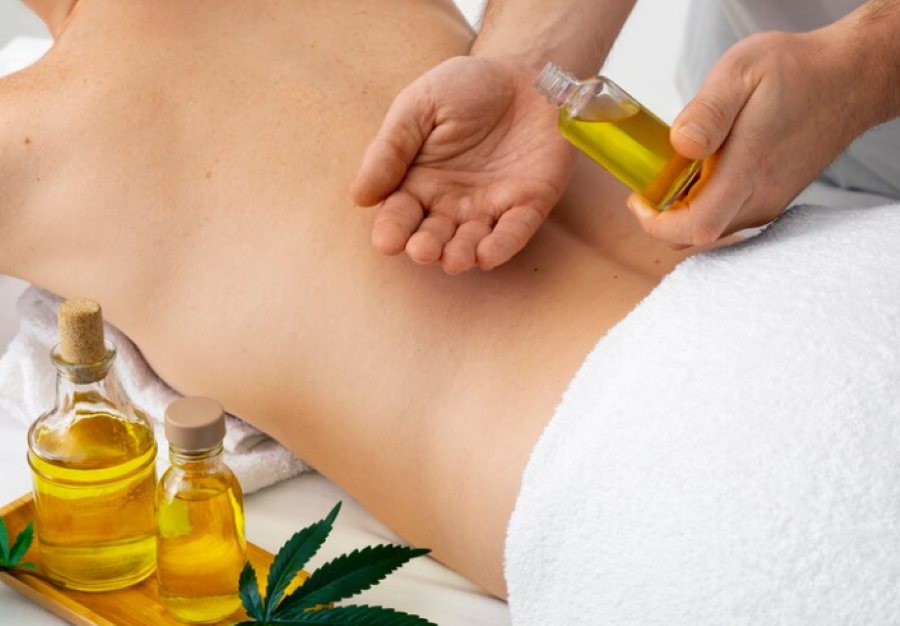
Vamana Ayurvedic treatments are important when taking precautions to prevent getting infected by any disease. This therapy applies to patients with severe health conditions and those wanting health and a good life.
The therapy begins at Amashaya (stomach), where the accumulation of Kapha is the most common. This is where the process of digestion begins. Extreme build-up of Kapha restricts the proper digestion process. Vamana Karma influences Amashaya Shuddhi to help improve digestion.
The benefits of Vamana therapy are evident and easily noticeable. A successful procedure will lead to the following benefits:
Vamana therapy can be highly advantageous for people suffering from certain health problems, especially those related to imbalances in Kapha dosha. Here are some groups that may need it:
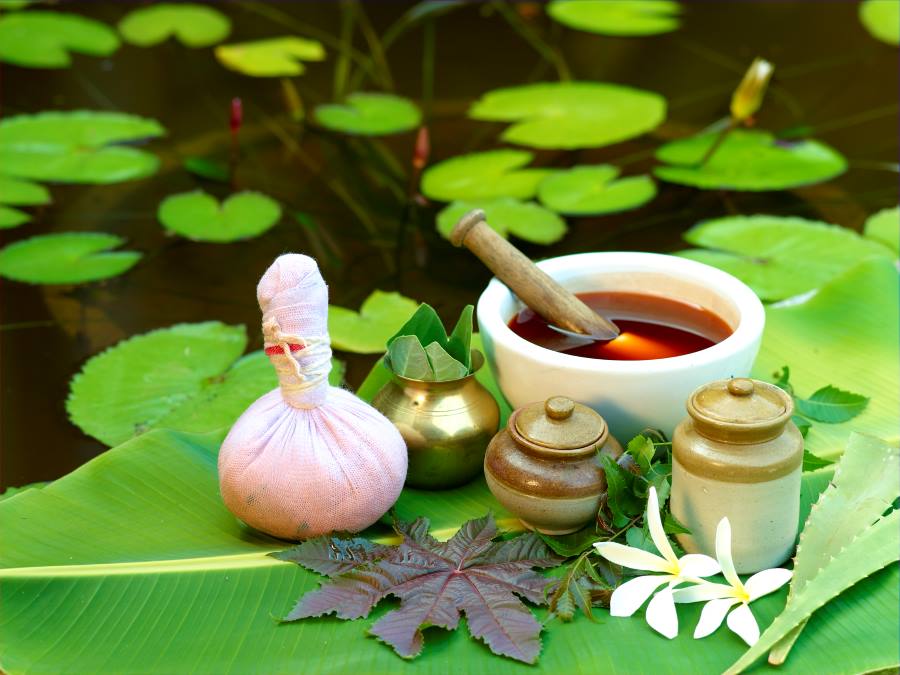
The Vamana therapy has the following steps which a patient is required to follow, and these include:
In Vamana, Purvakarma is the initial preparatory process that lasts up to three to seven days. During this phase, the process of oleation (both internal and external) takes place. Medicated ghee or oil helps to induce perspiration in the patient's body. This provokes the Kapha to increase in the stomach.
Pradhanakarma is the next step that constitutes the main therapy. The Ayurveda practitioner provides a concoction of different herbal elements like Madana (Randia Dumetorum), which forces the process of emission of Kapha by vomiting. This step is crucial as it directly targets the accumulated Kapha and eliminates it from the body.
Other ingredients such as black gram and sesame also help to speed up the process. After six to eight episodes of expulsion, puking subsides on its own.
Vamana procedure’s final step is Paschatkarma. During this phase, the patient needs to stick to particular dietary restrictions. Other important points to adhere to are:
Vamana therapy is usually done in the spring season, when the Kapha dosha in the body is at its most aggravating. Early morning is considered a favourable time for the procedure, especially before sunrise, as Kapha is predominant at that time.
Furthermore, vamana is most beneficial when the stomach is empty. Nevertheless, the exact timing should always be decided by the ayurvedic practitioner for the patient’s dosha-predominant and diseased condition.
Before undergoing the Vamana procedure, it is always best to guarantee that you are not too sick or weak to undertake this therapy. Follow instructions regarding the preparation for therapy, i.e. oleation and sweating, and also follow diet restrictions.
Avoid heavy activities and strain before, during, and after the therapy. Adhere to dietary restrictions and obtain sufficient rest to recuperate. Drink water and speak to your doctor if any unusual symptoms occur.
The side effects of this treatment can include temporary weakness, dehydration, dizziness, or fatigue due to the induced vomiting process. It's crucial to undergo Vamana Therapy under the guidance of a qualified Ayurvedic practitioner.
This procedure is not suitable for every person. If you fall into any of the categories given below, it is advisable for you to avoid Vamana Karma therapy.
Vamana Therapy is clearly the most comprehensive approach to detoxification and healing, based on ancient Ayurvedic wisdom. However, it is essential to approach Vamana Therapy under the guidance of a qualified Ayurvedic practitioner to ensure safety and effectiveness. While the benefits can be profound, this therapy may not suit everyone.
Protect What Matters - Explore Other Insurance Options