General
Life
Accessibility Options


General

General Products
Simple & Transparent! Policies that match all your insurance needs.
 Car Insurance
 Two Wheeler Insurance
 Commercial Vehicle Insurance
 Health Insurance
 Home Insurance
 Travel Insurance
 Business Insurance
Car Insurance
Two Wheeler Insurance
Commercial Vehicle Insurance
Health Insurance
Travel Insurance
Business Insurance
Car Insurance
Two Wheeler Insurance
Commercial Vehicle Insurance
Health Insurance
Travel Insurance


Scan to download

Life

Life Products
Digit Life is here! To help you save & secure your loved ones' future in the most simplified way.
 Term Life
 Savings Plan
 Retirement and Pension Plans
 Group Life Products
 Product Documents
Term Life
Savings Plan
Retirement and Pension Plans
Group Life Products
Product Documents
Term Life
Savings Plan
Retirement and Pension Plans
Group Life Products
Scan to download

Claims
Claims
We'll be there! Whenever and however you'll need us.
 Customer Support
 Motor Claims
Health Claims
Motor Claims
Health Claims
 Marine Insurance
 Grievance Redressal
Customer Support
Motor Claims
Health Claims
Marine Insurance
Grievance Redressal
Grievance Redressal
Customer Support
Motor Claims
Health Claims
Marine Insurance
Grievance Redressal
Scan to download
 General
 Life
General
Life
Life
General
Life
Renewals
Resources
Resources
All the more reasons to feel the Digit simplicity in your life!
Exclusive Features
 Transparency Report
Others
Exclusive Features
Transparency Report
Transparency Report
Others
Exclusive Features
Transparency Report
Scan to download


Our WhatsApp number cannot be used for calls. This is a chat only number.

 Grey Scale
 Readable Text
 Reset
Reset



With India tightening its emission norms to combat rising air pollution, the Pollution Under Control (PUC) certificate has become an essential document for vehicle owners. However, with the popularity of electric two-wheelers, many riders are unsure if EVs also need a PUC certificate, as they do not release carbon emissions.
In this article, we’ll break down everything you need to know — from whether electric scooters and bikes in India actually require a PUC, to penalties for non-compliance, and more details.

Table of Contents

Yes, a PUC certificate is mandatory for electric two-wheelers. Although they produce zero tailpipe emissions and run entirely on electric power, obtaining a PUC certificate is still mandatory as per legal and manufacturing standards. It acts as proof that the vehicle is fully electric and compliant with government norms.
While no emission test is conducted for EVs, the certificate remains essential for insurance renewal and regulatory compliance, especially for commercial vehicles. The certificate is valid for one year and demonstrates adherence to the emission standards set by the government, ensuring the car remains environmentally safe and compliant with regulations.
Mentioned below is the simple step-by-step process to obtain your vehicle pollution certificate online:
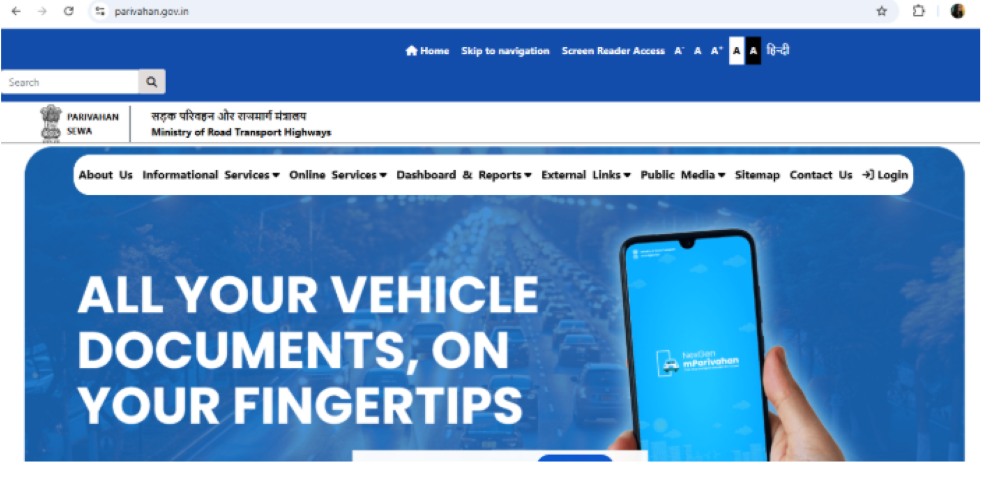
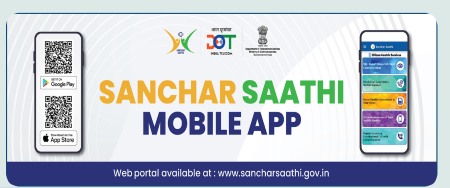
If your vehicle passes the test, you’ll receive a Pollution Under Control certificate, which can be downloaded directly from the Parivahan portal.
To obtain your PUC offline, please adhere to the following steps:
Carrying a valid Pollution Under Control (PUC) certificate is mandatory under the Motor Vehicles Act, 1988. Riding a two-wheeler, including EVs, without one can result in fines ranging from ₹1,000 to ₹2,000 for first or repeated offences, depending on the state.
In some regions, penalties can go up to ₹10,000 for non-compliance. Apart from fines, not having a PUC certificate can cause other issues. Insurance renewals may be denied, and claims could be affected. In certain areas, vehicles without a valid certificate may be refused fuel at petrol stations.
Electric two-wheelers, including scooters and bikes, are eco-friendly and do not produce harmful emissions. However, in India, it is still mandatory to obtain a Pollution Under Control (PUC) certificate for all vehicles, including electric ones. The rules and regulations are as follows:
Note: These regulations may be updated or revised in accordance with changes in laws and government policies.
Electric two-wheelers, such as e-scooters and e-bikes, do not produce carbon emissions because they run entirely on electricity. However, according to the Motor Vehicles Act and the Central Motor Vehicles Rules, PUC certification remains legally applicable to all vehicles, including electric ones.
Obtaining a PUC for an electric vehicle confirms that it runs on electrical energy and meets the required legal standards, ensuring your responsible citizenship.
Electric two-wheelers are exempt from traditional PUC testing because they produce zero tailpipe emissions. However, it is still recommended to obtain a PUC certificate for these vehicles.
Doing so ensures compliance with legal standards, supports insurance processes, and provides official proof that the vehicle meets all environmental and safety regulations.