General
Life
Accessibility Options


General

General Products
Simple & Transparent! Policies that match all your insurance needs.
 Car Insurance
 Two Wheeler Insurance
 Commercial Vehicle Insurance
 Health Insurance
 Home Insurance
 Travel Insurance
 Business Insurance
Car Insurance
Two Wheeler Insurance
Commercial Vehicle Insurance
Health Insurance
Travel Insurance
Business Insurance
Car Insurance
Two Wheeler Insurance
Commercial Vehicle Insurance
Health Insurance
Travel Insurance


Scan to download

Life

Life Products
Digit Life is here! To help you save & secure your loved ones' future in the most simplified way.
 Term Life
 Savings Plan
 Retirement and Pension Plans
 Group Life Products
 Product Documents
Term Life
Savings Plan
Retirement and Pension Plans
Group Life Products
Product Documents
Term Life
Savings Plan
Retirement and Pension Plans
Group Life Products

Scan to download

Claims

Claims
We'll be there! Whenever and however you'll need us.
 Customer Support
 Motor Claims
Health Claims
Motor Claims
Health Claims
 Marine Insurance
 Grievance Redressal
Customer Support
Motor Claims
Health Claims
Marine Insurance
Grievance Redressal
Grievance Redressal
Customer Support
Motor Claims
Health Claims
Marine Insurance
Grievance Redressal
Scan to download
 General
 Life
General
Life
Life
General
Life
Renewals
Resources

Resources
All the more reasons to feel the Digit simplicity in your life!
Exclusive Features
 Transparency Report
Others
Exclusive Features
Transparency Report
Transparency Report
Others
Exclusive Features
Transparency Report
Scan to download


Our WhatsApp number cannot be used for calls. This is a chat only number.

 Grey Scale
 Readable Text
 Reset
Reset




10000+ Cashless Garages
7 Cr+ Policies Sold


Check Price
Bike insurance Online, starting ₹752
It's a brand new Bike
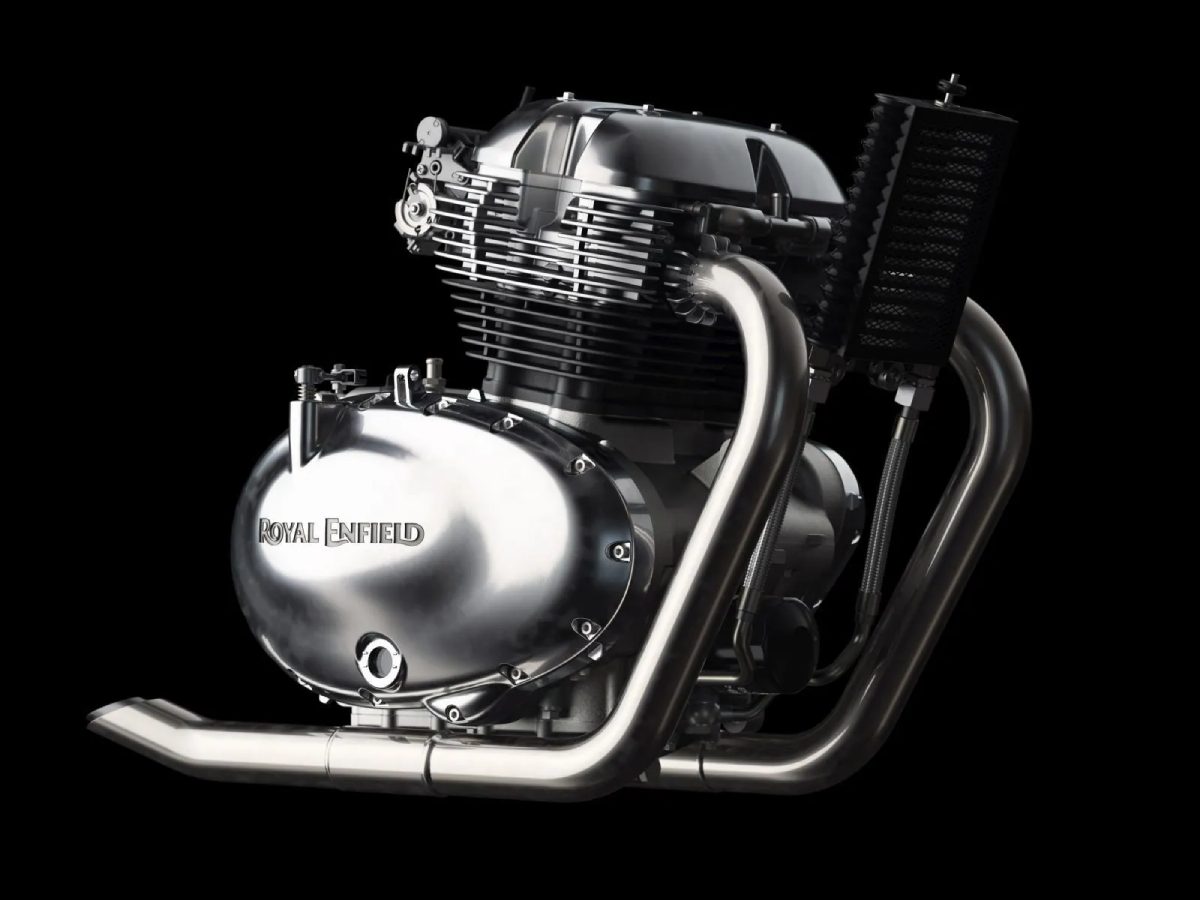
The usage of water cooled engines has become quite common in modern bikes, providing efficient heat management. These engines use a mixture of water and coolant to efficiently regulate temperature during operation, accounting for higher thermal efficiency and more consistent performance.
In this blog, we will delve into their construction, advantages in temperature control and more.

A liquid cooled engine, also called a water cooled engine is an internal combustion engine that requires liquid, typically water, to manage its operating temperature. Most modern high-end bikes use liquid/water cooled engines.
In the past, engines relied solely on pure or distilled water for engine cooling. However, with technological advancement, manufacturers started using a mixture of water and coolant. This led to the popularity of liquid cooled engine bikes. The coolant used is a combination of water and concentrated coolant, usually in a 1:1 proportion.
In modern times, most engines use a closed water cooling system to regulate the engine temperature effectively.
A water cooled system utilises a cold and pressurised cooling system which helps increase the boiling point of water to temperatures above 110 degrees Celsius. As a result, the water does not evaporate quickly and can be used for extended periods of time. The hot engine components, like the block and cylinder head, transfer their heat to the circulating water.
The heat dissipation here depends upon several factors, like the surface area of the metal in contact with water, rate of water flow, and airflow, to name a few. Thereafter, a cooling fan assists in cooling the water as it passes through the radiator.
In a water cooled engine, the construction includes water jackets within the cylinder head and engine block. These water jackets are passages carved out to allow coolant circulation. By having the coolant in direct contact with the hot surface, it effectively absorbs the heat generated during combustion.
Further, a water pump is incorporated into the cooling system to enhance coolant flow, thus ensuring temperature regulation and optimal heat transfer.
The engine coolant, better known as antifreeze in some geolocation, helps prevent the engine overheating and keeps it running in optimal condition. But this is not the only role a coolant plays. It also performs some other crucial tasks, as listed below:
The primary role of a thermostat is to regulate the engine’s temperature within the desired range for optimal operation. It basically acts as a valve that opens and closes based on the engine’s temperature. The thermostat is closed when the engine is cold, thereby stopping the coolant from flowing to the radiator.
Once the engine reaches a desired operating temperature, the thermostat opens up, enabling the coolant to enter into the radiator. The flow is adjusted to maintain a stable temperature, preventing the engine from either overheating or excessive cooling!
Here are some of the key advantages of liquid/water cooled engines:
So, water cooled engines offer various advantages, including efficient temperature control and improved performance. Despite a few drawbacks, they remain a renowned choice for their ability to maintain stable operating temperatures in bikes.