General
Life
Accessibility Options


General

General Products
Simple & Transparent! Policies that match all your insurance needs.
 Car Insurance
 Two Wheeler Insurance
 Commercial Vehicle Insurance
 Health Insurance
 Home Insurance
 Travel Insurance
 Business Insurance
Car Insurance
Two Wheeler Insurance
Commercial Vehicle Insurance
Health Insurance
Travel Insurance
Business Insurance
Car Insurance
Two Wheeler Insurance
Commercial Vehicle Insurance
Health Insurance
Travel Insurance


Scan to download

Life

Life Products
Digit Life is here! To help you save & secure your loved ones' future in the most simplified way.
 Term Life
 Savings Plan
 Retirement and Pension Plans
 Group Life Products
 Product Documents
Term Life
Savings Plan
Retirement and Pension Plans
Group Life Products
Product Documents
Term Life
Savings Plan
Retirement and Pension Plans
Group Life Products

Scan to download

Claims

Claims
We'll be there! Whenever and however you'll need us.
 Customer Support
 Motor Claims
Health Claims
Motor Claims
Health Claims
 Marine Insurance
 Grievance Redressal
Customer Support
Motor Claims
Health Claims
Marine Insurance
Grievance Redressal
Grievance Redressal
Customer Support
Motor Claims
Health Claims
Marine Insurance
Grievance Redressal
Scan to download
 General
 Life
General
Life
Life
General
Life
Renewals
Resources

Resources
All the more reasons to feel the Digit simplicity in your life!
Exclusive Features
 Transparency Report
Others
Exclusive Features
Transparency Report
Transparency Report
Others
Exclusive Features
Transparency Report
Scan to download


Our WhatsApp number cannot be used for calls. This is a chat only number.

 Grey Scale
 Readable Text
 Reset
Reset




8 Crore+ Customers

Affordable Premium


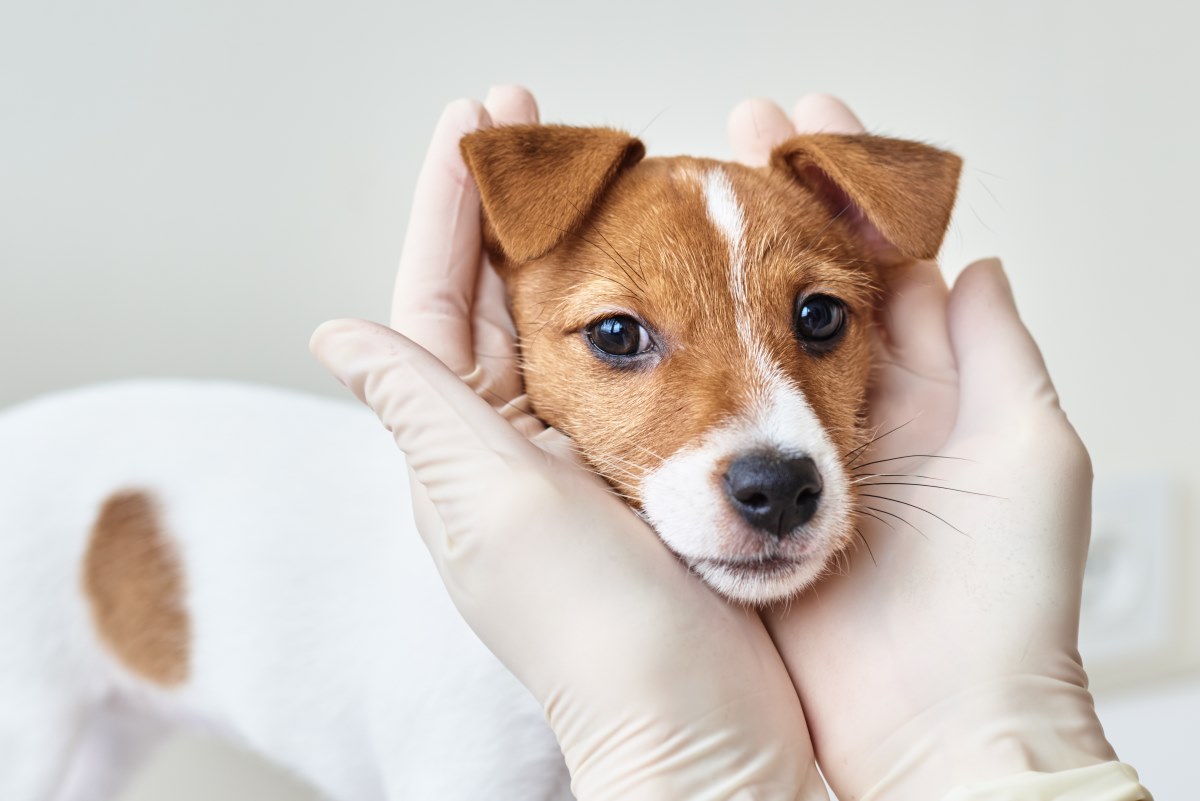
Canine parvovirus, or CPV, is a notorious and highly contagious virus that targets our canine companions with a vengeance. Its preferred victims are puppies, typically between the ages of six and 20 weeks, but it's a threat that can extend its reach to dogs of all ages.
In this comprehensive guide, you will learn about canine parvovirus, its causes, symptoms, prevention, and treatment options.
Canine Parvovirus presents in two primary forms, each with its distinct characteristics:
Understanding distinct causes for each type of Canine Parvovirus is essential for recognising and preventing the disease.
Recognising the signs of parvo in dogs is essential for early intervention. Common symptoms include:
Canine Parvovirus (CPV) is a serious and potentially life-threatening disease requiring prompt and intensive treatment. Here's an overview of the essential components of CPV treatment:
Therefore, Canine Parvovirus, or parvo, remains a formidable threat to our canine companions. It is highly contagious, persistent in the environment, and can cause severe illness, especially in puppies and poorly vaccinated dogs.
However, we can protect our beloved pets from this devastating disease with awareness, proactive preventive measures, and swift veterinary intervention.