General
Life
Accessibility Options


General

General Products
Simple & Transparent! Policies that match all your insurance needs.
 Car Insurance
 Two Wheeler Insurance
 Commercial Vehicle Insurance
 Health Insurance
 Home Insurance
 Travel Insurance
 Business Insurance
Car Insurance
Two Wheeler Insurance
Commercial Vehicle Insurance
Health Insurance
Travel Insurance
Business Insurance
Car Insurance
Two Wheeler Insurance
Commercial Vehicle Insurance
Health Insurance
Travel Insurance



Scan to download

Life

Life Products
Digit Life is here! To help you save & secure your loved ones' future in the most simplified way.
 Term Life
 Savings Plan
 Retirement and Pension Plans
 Group Life Products
 Product Documents
Term Life
Savings Plan
Group Life Products
Product Documents
Term Life
Savings Plan
Group Life Products

Scan to download

Claims

Claims
We'll be there! Whenever and however you'll need us.
 Customer Support
 Motor Claims
Health Claims
Motor Claims
Health Claims
 Marine Insurance
 Grievance Redressal
Customer Support
Motor Claims
Health Claims
Marine Insurance
Grievance Redressal
Grievance Redressal
Customer Support
Motor Claims
Health Claims
Marine Insurance
Grievance Redressal

Scan to download
 General
 Life
General
Life
Life
General
Life
Renewals
Resources

Resources
All the more reasons to feel the Digit simplicity in your life!
Exclusive Features
 Transparency Report
Others
Exclusive Features
Transparency Report
Transparency Report
Others
Exclusive Features
Transparency Report

Scan to download


Our WhatsApp number cannot be used for calls. This is a chat only number.

 Grey Scale
 Readable Text
 Reset
Reset




8 Crore+ Customers

Affordable Premium


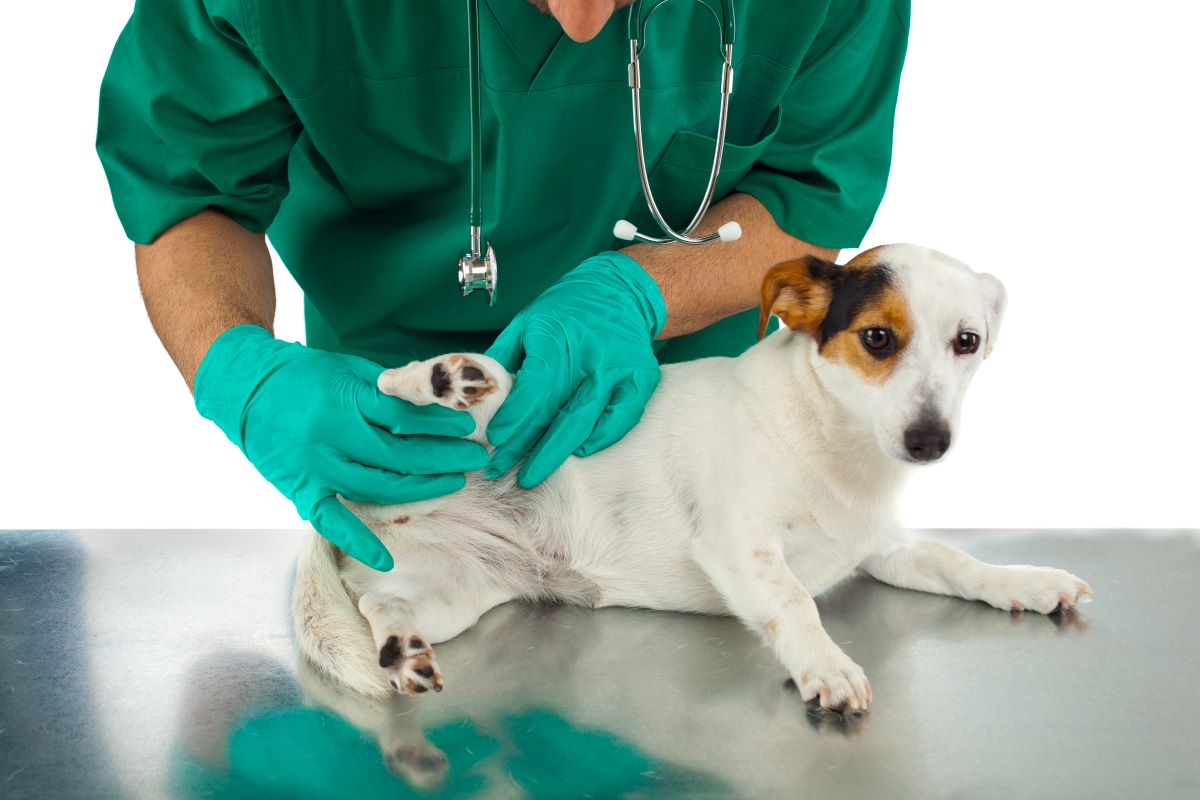
Hip dysplasia is a common orthopaedic condition that affects both dogs and puppies. It's a term used to describe abnormal hip joint development, which can lead to various health issues and discomfort for our canine companions.
This article aims to comprehensively understand hip dysplasia in dogs, including its causes, diagnosis, symptoms, treatment options, and preventive measures.
Hip dysplasia occurs when there is an abnormality in the development of the hip joint. The hip joint is a ball-and-socket joint where the "ball" (the head of the femur or thigh bone) fits into the "socket" (the acetabulum, a part of the pelvis). These two components in a healthy hip joint fit together snugly, allowing for smooth and pain-free movement.
This abnormality can manifest in various ways, but it often involves:
Hip dysplasia is a multifaceted condition with both genetic and environmental factors contributing to its development. Its causes include:
Hip dysplasia can manifest through various symptoms, and early recognition is crucial for timely intervention. The common symptoms of hip dysplasia that dogs can experience are:
Accurate diagnosis is crucial to determine the extent of hip dysplasia and plan the appropriate treatment. Veterinary professionals use a combination of methods for diagnosis.
The treatment of hip dysplasia in dogs aims to manage pain, improve joint function, and enhance the dog's overall quality of life. Here are common treatment options for hip dysplasia in dogs:
Surgery may be recommended for dogs with severe hip dysplasia or when conservative treatments do not provide sufficient relief. Surgical options include:
After initiating treatment, your dog will require specific care and attention to ensure a smooth recovery.
Preventing hip dysplasia in dogs is essential for their overall well-being and quality of life. Here are some important steps you can take to prevent hip dysplasia in dogs:
Hip dysplasia is a condition that requires diligent care and attention. It's crucial to be aware of the risk factors, maintain a healthy weight, provide proper nutrition, and exercise in moderation to support your dog's joint health.
Regular veterinary care and responsible breeding practices play a crucial role in addressing and reducing the prevalence of hip dysplasia.