General
Life
Accessibility Options


General

General Products
Simple & Transparent! Policies that match all your insurance needs.
 Car Insurance
 Two Wheeler Insurance
 Commercial Vehicle Insurance
 Health Insurance
 Home Insurance
 Travel Insurance
 Business Insurance
Car Insurance
Two Wheeler Insurance
Commercial Vehicle Insurance
Health Insurance
Travel Insurance
Business Insurance
Car Insurance
Two Wheeler Insurance
Commercial Vehicle Insurance
Health Insurance
Travel Insurance


Scan to download

Life

Life Products
Digit Life is here! To help you save & secure your loved ones' future in the most simplified way.
 Term Life
 Savings Plan
 Retirement and Pension Plans
 Group Life Products
 Product Documents
Term Life
Savings Plan
Retirement and Pension Plans
Group Life Products
Product Documents
Term Life
Savings Plan
Retirement and Pension Plans
Group Life Products
Scan to download

Claims

Claims
We'll be there! Whenever and however you'll need us.
 Customer Support
 Motor Claims
Health Claims
Motor Claims
Health Claims
 Marine Insurance
 Grievance Redressal
Customer Support
Motor Claims
Health Claims
Marine Insurance
Grievance Redressal
Grievance Redressal
Customer Support
Motor Claims
Health Claims
Marine Insurance
Grievance Redressal
Scan to download
 General
 Life
General
Life
Life
General
Life
Renewals
Resources
Resources
All the more reasons to feel the Digit simplicity in your life!
Exclusive Features
 Transparency Report
Others
Exclusive Features
Transparency Report
Transparency Report
Others
Exclusive Features
Transparency Report
Scan to download


Our WhatsApp number cannot be used for calls. This is a chat only number.

 Grey Scale
 Readable Text
 Reset
Reset



Health Insurance Portability

9000+
Cashless Hospitals

3.8 Crore+
Lives Insured

8 Lacs+
Claims Settled
Check Prices

Buy Health Insurance, Up to 20% Discount
Port Existing Policy
9000+
Cashless Hospitals
3.8 Crore+
Lives Insured
8 Lacs+
Claims Settled
Health insurance portability is a process through which you can transfer your current health insurance plan to another insurance provider of your choice, without losing any existing benefits, such as waiting period, cumulative bonus, etc.
In simple words, if you are not happy with your current policy, you don’t have to start from zero again. You can move to a new insurance company, keep your waiting period benefits and continue your coverage without a break.
You should port your health insurance policy at the time of renewal if your current plan is no longer meeting your needs. Instead of continuing with a policy that’s causing issues, porting allows you to switch insurers without losing waiting period & cumulative bonus benefits.
Here are the most common situations when you should consider porting your health policy:
Below are the things you can typically port while switching to a new health insurance provider:

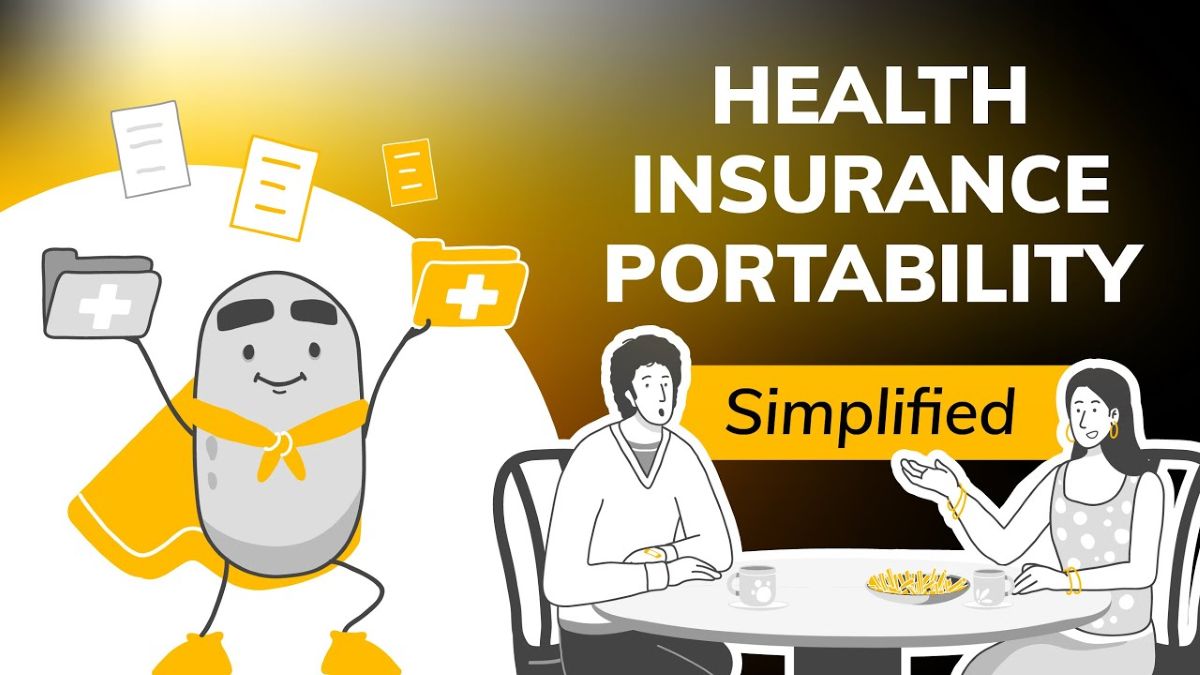
If you apply for portability within the required timeline before your policy renewal, you can transfer to a new insurer while retaining continuity benefits such as credits for waiting periods already served. Here is how you can switch correctly without loosing the benefits:
Yes, porting your health insurance can be the right choice for you if your current plan is not meeting your needs or feels too expensive. If your plan is working well and you are satisfied, you may not need to switch.
Here’s a simple way to decide:
Disclaimer: This table is for informational purposes only. Porting decisions depend on policy terms, medical history, insurer underwriting, and IRDAI rules. Please review policy documents or seek expert advice before switching insurers.

You should port your health insurance only when your current plan is no longer meeting your needs. Porting is a useful option, but it should be done with a clear reason, not just for small changes.
In most cases, porting makes sense if:
- Your coverage feels too low for today’s medical costs
- You’ve had a poor claim experience
- Your plan lacks important benefits you now need
- You’re paying a high premium without getting enough value
Don’t switch just because another plan looks slightly cheaper or different. Switch only when the new plan clearly offers you better coverage, better benefits, and a better overall experience.

Shubham Sinha
Product Manager - Health
You should port your existing health insurance policy if you want to retain waiting‑period benefits and cumulative bonus, while buying a new policy may be suitable if you are entering health insurance for the first time or do not need past benefits to continue.
However, here’s a simple comparison to help you decide:

A simple way to decide between buying vs porting health insurance is, if your current plan is not working for you, porting can be a smart move and if you want a completely new start, buying a new policy may suit you better.
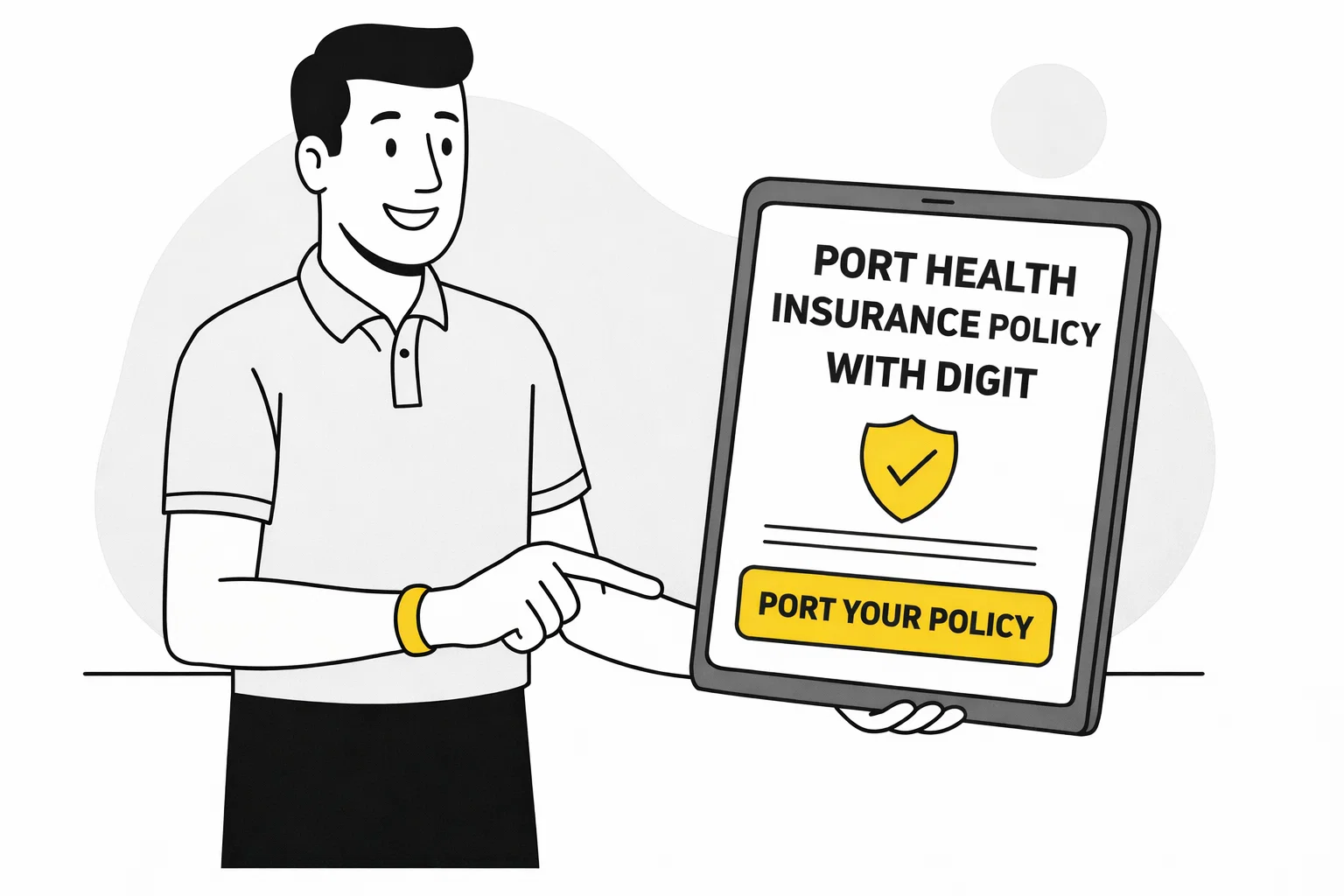
You can port health insurance policy online through Digit’s website or app, 45 – 60 days before your renewal date. Here’s how you can go for health insurance portability at Digit:
Provide Your Details
Start your request for porting of health insurance by providing your name and mobile number in the above form or directly through Digit app.
Get a Call from Digit’s Team
A Digit representative will contact you within 48 hours to understand your needs and will guide you with documents, plan options, and complete the process smoothly.
Review and Policy Issuance
Digit will review your porting request and verify your policy and claim details with your previous insurer, as per IRDAI guidelines. Based on this evaluation, your application may be approved as requested or with revised terms, after which your new health insurance policy will be issued.
To port your health insurance policy, you’ll need to keep a few documents handy. This helps make the process quicker and smoother for you. Here’s what you may need:

Existing policy document

KYC documents (Aadhaar card, PAN card, DL, Passport, etc.)
Medical details about your current or previous health condition

Claim history details under your existing policy (if any)
Porting a health insurance policy usually takes around 7 to 15 days. The timeline depends on how quickly your policy details, claim history, and medical information are verified.
Here’s what affects the timeline of porting health insurance:
Before you port health insurance, you should make sure the new plan is actually better for you and fits your needs. Here are a few things you must check before poring your health insurance:

Sum Insured Amount
Check if the sum insured is enough for today’s medical costs. If your current cover feels low, choose a higher one while porting. However, there will be a new waiting period on your increased sum insured amount.

Waiting Periods
Find out how much waiting period you’ve already completed and how much will carry forward. This is important, especially for pre-existing diseases or any specific illness.

Benefits and Features
Look closely at what the new plan offers, like no room rent limit, OPD cover, free health check-ups, or add-on covers in health insurance. Make sure these features are useful for you.

Network Hospitals
Check if hospitals near your home or preferred ones are part of the new insurer’s network. This helps you get cashless treatment easily.

Premium vs Value
Don’t choose a plan just because it is cheaper. Compare what you are getting in return, such as coverage, benefits, and service.

Claim Process and Support
Go for an insurer that is known for smooth and quick claim settlement. A good claim experience matters the most during emergencies.

Application Timing
Apply at least 45–60 days before renewal if you plan to port health insurance smoothly without rejection.
The Insurance Regulatory and Development Authority of India (IRDAI) have set certain rules to protect policyholders from restarting waiting periods or losing earned benefits when changing insurers. It includes:
Yes, your request for health insurance portability can be rejected if you do not comply with the necessary formalities and don’t meet the risk and coverage norms of the insurer for the chosen plan.

IRDAI regulations outline specific reasons for rejection of porting of your health insurance policy, such as:
Note: This information is based on general knowledge and IRDAI guidelines. Specific reasons for rejection can vary depending on the insurer's policies.
Before porting your health insurance policy, it's important to evaluate your coverage, sum insured, waiting periods, exclusions, network hospitals, claim settlement experience, and any additional benefits offered by the new insurer.
Here are the important things to keep in mind before porting your health insurance policy:

Compare Coverage and Premiums
Carefully analyse the coverage offered by the new insurer and compare it to your existing policy, considering factors like sum insured, waiting periods, exclusions, and network hospitals.

Check for Claim Settlement Ratio
Research the new insurer’s claim settlement ratio to assess its claim handling efficiency.
Understand Waiting Periods
Be aware of the waiting periods for pre-existing disease in health insurance and other conditions in both your current and potential policy.

Policy Terms
Ensure the new policy’s terms and conditions are comparable to your current one, as different insurers might have different coverage and benefits.

Documentation
Provide all necessary documents and information about your existing policy to the new insurer to facilitate a smooth transition.

Porting Timeline
Start the porting process well in advance of your current policy’s renewal date to avoid any coverage gaps.
Health needs, family size, and financial priorities can change over time. If your current health insurance policy no longer meets your expectations, portability gives you an opportunity to move to a more suitable plan while retaining important continuity benefits.
By carefully comparing policies and understanding the portability process, you can make an informed decision that helps you stay protected without compromising on the benefits you have already earned.
Here’s how you can port your health insurance from one insurer to another:
Please note that the process might differ from company to company.