General
Life
Accessibility Options


General
General Products
Simple & Transparent! Policies that match all your insurance needs.
 Car Insurance
 Two Wheeler Insurance
 Commercial Vehicle Insurance
 Health Insurance
 Home Insurance
 Travel Insurance
 Business Insurance
Car Insurance
Two Wheeler Insurance
Commercial Vehicle Insurance
Health Insurance
Travel Insurance
Business Insurance
Car Insurance
Two Wheeler Insurance
Commercial Vehicle Insurance
Health Insurance
Travel Insurance


Scan to download
Life

Life Products
Digit Life is here! To help you save & secure your loved ones' future in the most simplified way.
 Term Life
 Savings Plan
 Retirement and Pension Plans
 Group Life Products
 Product Documents
Term Life
Savings Plan
Retirement and Pension Plans
Group Life Products
Product Documents
Term Life
Savings Plan
Retirement and Pension Plans
Group Life Products
Scan to download

Claims
Claims
We'll be there! Whenever and however you'll need us.
 Customer Support
 Motor Claims
Health Claims
Motor Claims
Health Claims
 Marine Insurance
 Grievance Redressal
Customer Support
Motor Claims
Health Claims
Marine Insurance
Grievance Redressal
Grievance Redressal
Customer Support
Motor Claims
Health Claims
Marine Insurance
Grievance Redressal
Scan to download
 General
 Life
General
Life
Life
General
Life
Renewals
Resources
Resources
All the more reasons to feel the Digit simplicity in your life!
Exclusive Features
 Transparency Report
Others
Exclusive Features
Transparency Report
Transparency Report
Others
Exclusive Features
Transparency Report
Scan to download


Our WhatsApp number cannot be used for calls. This is a chat only number.

 Grey Scale
 Readable Text
 Reset
Reset



Have you ever heard someone say they got a call claiming their “health insurance policy is expiring today,”? These are not just random stories. These are real health insurance frauds happening around you every single day.
Health insurance fraud has become one of the biggest challenges in today’s healthcare system. These frauds occur when false, misleading, or exaggerated information is used to obtain benefits from a health insurance policy.
Understanding how these frauds work is important because they directly impact your premiums, claim approvals, and overall financial security.
I agree to the Terms & Conditions

Get Exclusive Porting Benefits
Check Prices

Buy Health Insurance, Up to 20% Discount
Port Existing Policy

9000+
Cashless Hospitals

3.8 Crore+
Lives Insured

8 Lacs+
Claims Settled
Health insurance frauds are tricks, scams or dishonest activities done to get money or benefits from a health insurance policy. This means someone is trying to cheat the insurance company.
These health insurance frauds can be done by anyone, either a customer, a hospital, an agent, or even a fake insurance company. It could be something small, like showing a fake medical bill, or something big, like a hospital charging for a treatment that never happened.
A person gets admitted to a hospital for a minor fever. The actual treatment cost is ₹5,000, but the hospital and the patient decide to increase the bill to ₹25,000 by adding extra charges for tests that were never done or the medicines that were never used.
Why is this fraud?
Because both the patient and hospital knowingly lied and increased the expenses to obtain extra money from the insurance company.
What happens next?
When the insurance company finds this out during verification, they can reject the claim, cancel the policy, and may even take legal action against both the patient and the hospital for committing fraud.
Health insurance scams and frauds can happen in many ways, and they can be committed by different people involved in the insurance process. Here are the most common types of health insurance frauds in India:
Fraud by policyholders is done when customers try to misuse their health insurance policy to get money or benefits they are not eligible for. It can involve lying, hiding information, or submitting false documents to the insurance company. Here are a few frauds done by Policyholders:
Fraud by hospitals happens when healthcare providers overcharge, mislead, or misuse insurance claims to make extra money. These actions are done knowingly and directly impact both the insurance company and the patient.
Here are the main ways hospitals commit fraud:
Fraud by agents or intermediaries happen when insurance agents mislead, cheat, or misuse customer information to earn extra commission or sell fake policies. Here are the common ways agents commit fraud:
Fraud by fake insurance companies happen when scammers pretend to be real insurers and trick people into buying policies that do not exist. These fraudsters create professional-looking websites, use fake customer support numbers, and even send fake policy documents to make their scams look genuine. Here are the common ways fake insurance companies cheat people:
Digital or online health insurance frauds happen when scammers use the internet, mobile phones, or social media to trick people into sharing personal information, making payments, or buying fake policies. It is done by:
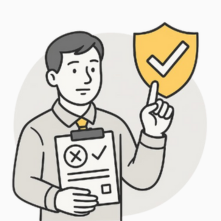
Health insurance frauds can be tricky, but there are always warning signs. If you pay attention to these red flags, you can protect yourself from scams. Here are some common signs to watch out for:
Staying safe from health insurance frauds becomes easy when you know what to look out for and how to respond. By taking a few smart steps, you can avoid scams, protect your money, and make sure your policy stays active and genuine.
Buy Policies Only from Official Sources: Always purchase health insurance from trusted and official sources. This includes the insurer’s official website, mobile app, or verified customer support channels. You can also find the website or company registered on IRDAI.
Verify Agent Credentials: Before you trust any agent, always ask for their IRDAI license number or ID card. A genuine agent will be open about their credentials and ready to share proof.
Do Not Share Personal Information: Your personal details like OTP, bank account information, Aadhaar, PAN, or login passwords should never be shared over calls, messages, or social media. Health insurance companies never ask for sensitive information through random calls or SMS.
Review Bills and Documents Before Submitting Claims: Whether you are visiting a hospital for treatment or filing a claim, reviewing the bill carefully is crucial. Sometimes unnecessary tests or extra charges get added, either by mistake or intentionally. Cross‑checking your bills is always a better option.
Make Payments Only Through Secure Channels: Always make premium payments through verified and secure channels like the insurer’s official website, app, or authorised payment gateways. Avoid scanning unknown QR codes or transferring money to personal accounts shared by strangers.
Read More
Read Less
Health insurance fraud is a serious legal offence. Whether the fraud is committed by a policyholder, hospital, agent, or a fake insurance company, the law treats it as a crime. In India, such frauds fall under cheating, forgery, and misrepresentation, and can lead to strict actions from both the insurer and legal authorities:

If you ever feel something is not right, it’s important to act quickly. Here's what you should do:
Health insurance frauds in India are becoming increasingly common, and they can affect anyone. The best way to protect yourself is by staying alert, understanding how these frauds work, and always choosing official and trustworthy sources for anything related to your policy. By staying informed and cautious, you can ensure that your health insurance actually protects you.
Stay aware, Stay secure!



Senior Marketing Associate
Srishti is a skilled content writer with 4+ years of experience in the insurance world. She simplifies tricky terms, explains policies clearly, and writes content that instantly connects with customers. Her skills make insurance easy to understand and truly helpful for everyone.


Chief Marketing Officer
Vivek comes with over 15 years of experience across different industries like FMCG, e-commerce and insurance. His expertise in the online space and consumer behaviour understanding is bringing new insights to Digit in making insurance simple.