General
Life
Accessibility Options


General

General Products
Simple & Transparent! Policies that match all your insurance needs.
 Car Insurance
 Two Wheeler Insurance
 Commercial Vehicle Insurance
 Health Insurance
 Home Insurance
 Travel Insurance
 Business Insurance
Car Insurance
Two Wheeler Insurance
Commercial Vehicle Insurance
Health Insurance
Travel Insurance
Business Insurance
Car Insurance
Two Wheeler Insurance
Commercial Vehicle Insurance
Health Insurance
Travel Insurance



Scan to download

Life

Life Products
Digit Life is here! To help you save & secure your loved ones' future in the most simplified way.
 Term Life
 Savings Plan
 Retirement and Pension Plans
 Group Life Products
 Product Documents
Term Life
Savings Plan
Retirement and Pension Plans
Group Life Products
Product Documents
Term Life
Savings Plan
Retirement and Pension Plans
Group Life Products

Scan to download

Claims

Claims
We'll be there! Whenever and however you'll need us.
 Customer Support
 Motor Claims
Health Claims
Motor Claims
Health Claims
 Marine Insurance
 Grievance Redressal
Customer Support
Motor Claims
Health Claims
Marine Insurance
Grievance Redressal
Grievance Redressal
Customer Support
Motor Claims
Health Claims
Marine Insurance
Grievance Redressal

Scan to download
 General
 Life
General
Life
Life
General
Life
Renewals
Resources

Resources
All the more reasons to feel the Digit simplicity in your life!
Exclusive Features
 Transparency Report
Others
Exclusive Features
Transparency Report
Transparency Report
Others
Exclusive Features
Transparency Report

Scan to download


Our WhatsApp number cannot be used for calls. This is a chat only number.

 Grey Scale
 Readable Text
 Reset
Reset



Bacteria are unicellular microorganisms, known as one of the earliest living beings on the earth. They can exist in any possible place in the environment, even inside your body.
Most bacteria that dwell in your body are usually harmless and beneficial. However, some (less than 1%) can invade your body from the outer environment and make you ill, leading to diseases caused by bacteria.
If you want to learn about such diseases and their symptoms, prevention and treatment, keep reading.

Table of Contents

Bacterial diseases are illnesses caused by harmful bacteria, which are single-celled microorganisms. These diseases can affect various body parts and are often spread through direct contact with contaminated food, water, or air.
Symptoms and severity vary widely, ranging from mild infections to severe, life-threatening conditions. Bacterial diseases are typically treated with antibiotics, though resistance to these medications is a growing concern.
Bacterial diseases primarily arise due to pathogenic bacteria that invade the body and interfere with normal functioning. These microorganisms find their way into the body via different routes, including food or water that is contaminated, direct contact with infected persons, and vectors such as insects.
Poor sanitary practices, substandard hygiene, and compromised immune systems can also heighten the risk of acquiring bacterial infections. It is essential to understand these causes to prevent and effectively manage bacterial diseases.
Bacterial infections are caused by different strains of bacteria that can lead to various health issues. Below is a list of diseases caused by bacteria:

It is a contagious infection in the respiratory system that causes severe cough and difficulty breathing. It is caused by Bordetella pertussis. Immediate medical treatment is essential to manage symptoms and prevent severe complications. Vaccination is also crucial in preventing outbreaks, particularly in vulnerable populations.
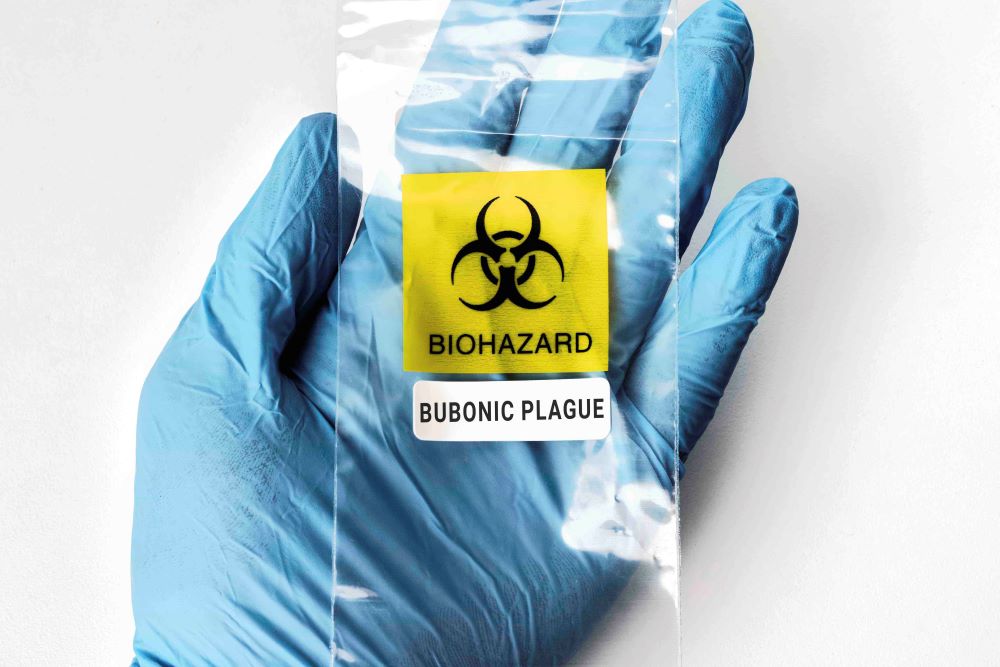
This contagious disease causes swollen lymph nodes in the neck, groyne, and armpit. Yersinia pestis causes this serious infection and requires prompt medical intervention to avoid life-threatening outcomes. It can also spread through flea bites or contact with infected animals, making early detection and treatment critical.
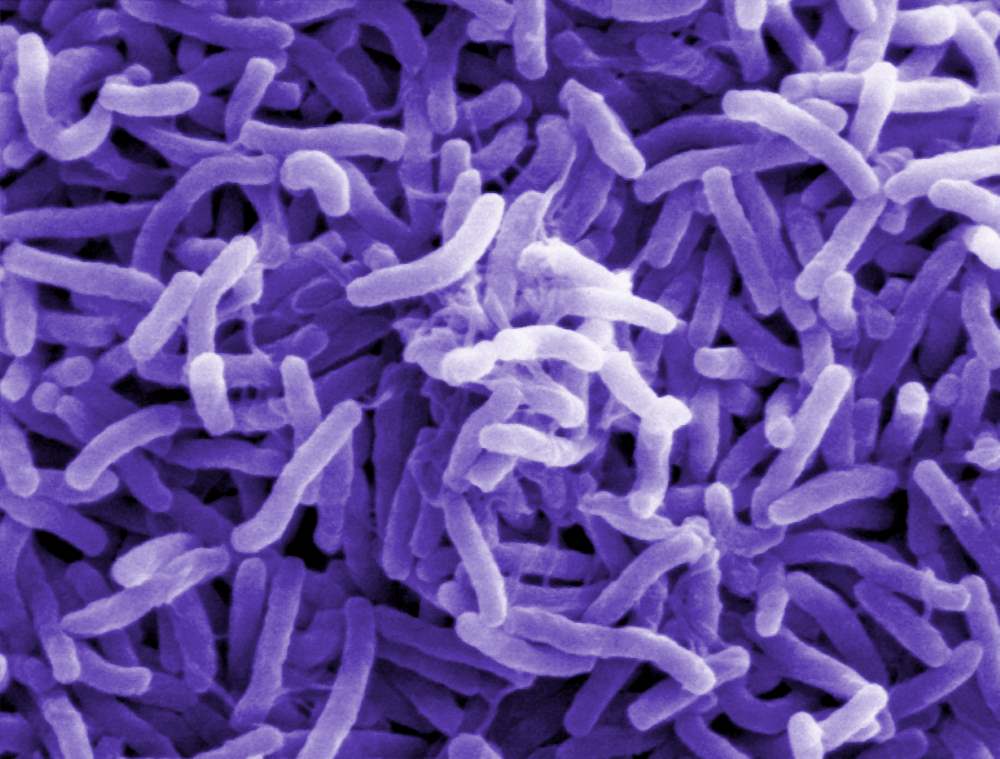
It falls under the examples of bacterial diseases that affect the intestine and cause diarrhoeal sickness. Vibrio cholerae causes it. Proper hydration and medical care are crucial to treat this disease and prevent dehydration. Improved sanitation and access to clean water are key preventive measures.
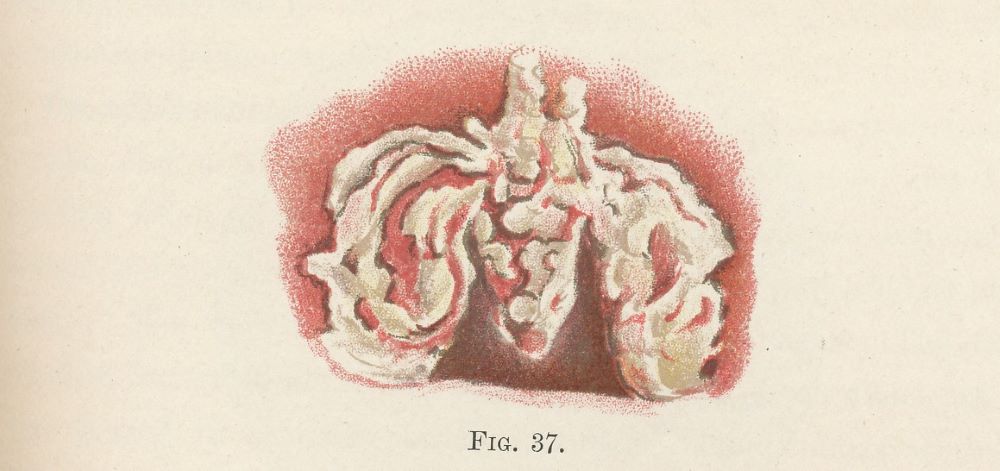
This infectious disease affects the mucous membranes of your throat and nose. Caused by Corynebacterium diphtheriae, it requires timely antibiotic treatment to avoid severe respiratory complications. Vaccination is highly effective in preventing diphtheria and controlling its spread through the body.
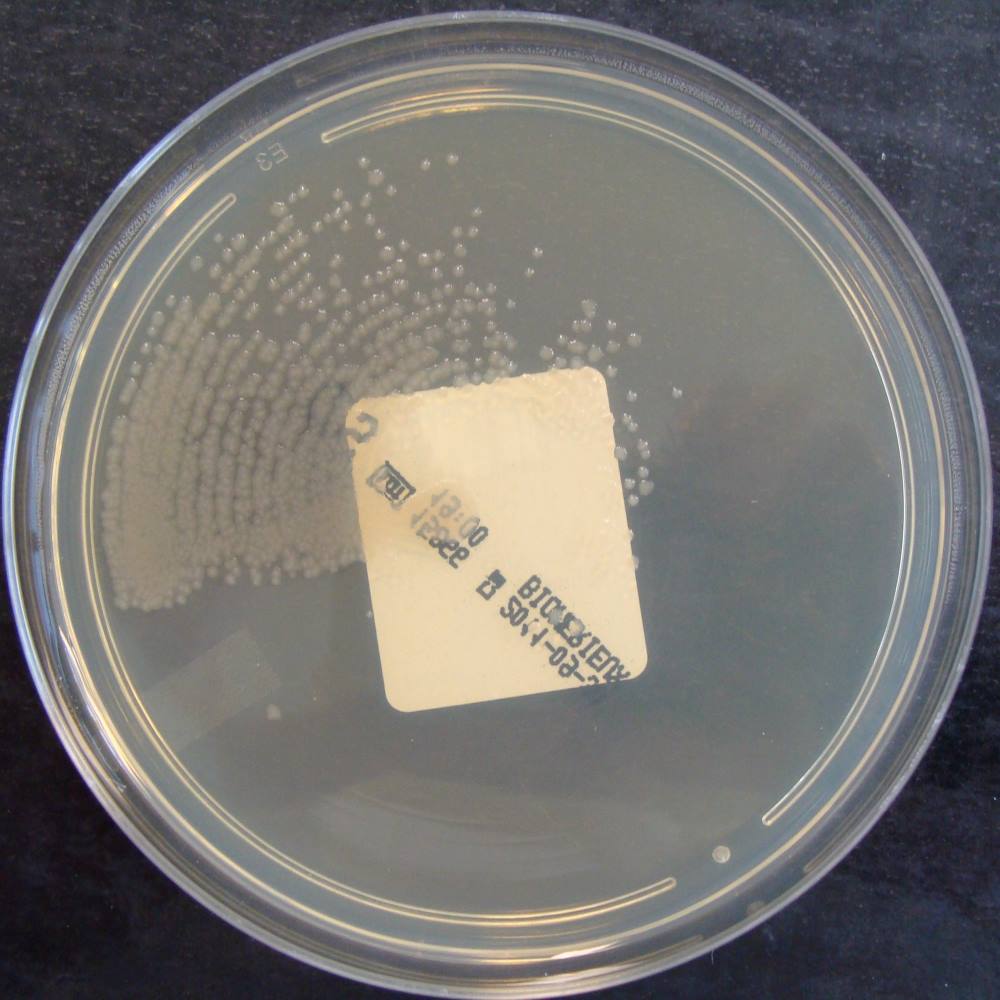
This infection affects your lungs, blood, stomach, tendons, and urinary tract. It also can spread over a wound or burn. Effective treatment is critical to manage this versatile infection caused by Pseudomonas aeruginosa. It is often resistant to multiple antibiotics, making treatment challenging.

It happens due to slow bacterial growth and affects the eyes, skin, nasal cavity, and peripheral nerve. Caused by Mycobacterium leprae, it requires long-term antibiotic therapy to prevent disability and spread. Early diagnosis is essential to minimise the risk of complications and long-term effects.

It is an infection that causes painful stiffness and muscle shrinkage, mainly in the neck and jaw. It is caused by Clostridium tetani. Immediate medical treatment with antitoxin and antibiotics is necessary to manage this serious infection. Proper wound care and vaccination are important preventive measures.
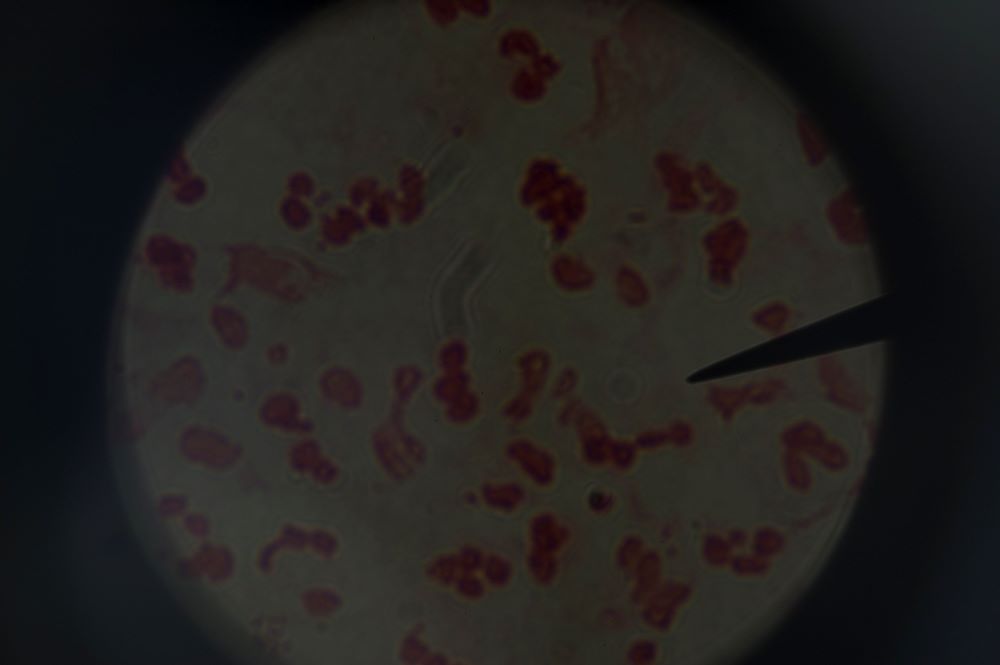
It is one of the diseases caused by bacteria that causes infertility. Caused by Neisseria gonorrhoeae, prompt treatment with antibiotics is required to prevent long-term complications. It can lead to serious health issues, including pelvic inflammatory disease and chronic pain. Safe sex practices are crucial for prevention.
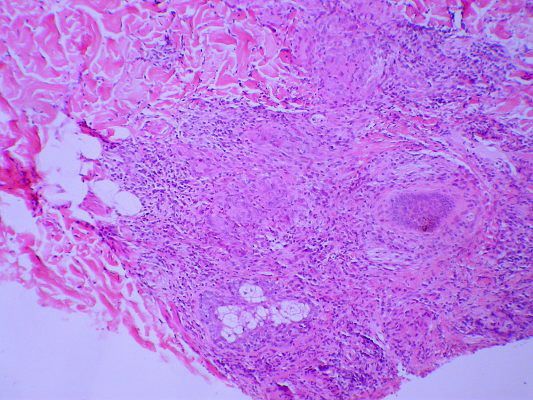
This is a sexually transmitted disease that can initially cause soreness in your mouth, rectum, and genital. However, the final stage can affect your heart, eyes, brain, and nerve. Caused by Treponema pallidum, early diagnosis and treatment are essential. Regular screening and practising safe sex can reduce the risk of syphilis.

This infection affects the intestine and causes diarrhoea, abdominal pain, and fever. Caused by Salmonella enteritis, it requires proper medical treatment and hydration to manage symptoms. If left untreated, it can lead to severe dehydration and more serious complications. Safe food handling and hygiene are key to prevention.
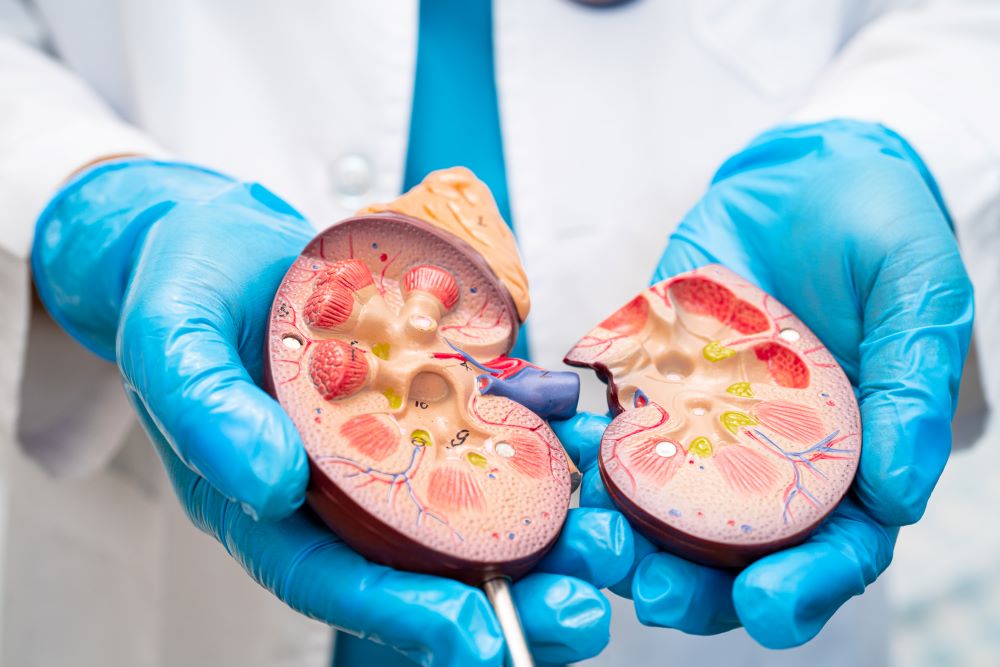
It affects any part of your lower urinary tract, including the uterus, bladder, and kidneys. Caused by coliform bacteria, antibiotic treatment is required to resolve symptoms and prevent complications. Safe food handling and hygiene are key to prevention. Proper hydration and personal hygiene can help prevent recurrent infections.
It is one of the bacterial diseases that primarily affects your lungs, causing cough, bleeding, and chest pain. It is caused by Mycobacterium tuberculosis and requires a long course of antibiotics for effective treatment. Public health measures and vaccination are critical in controlling its spread.
It is an infection that affects the muscles of your eyes, mouth, face, neck, throat, arms, and legs. Caused by Clostridium botulinum, it requires immediate medical attention to manage symptoms and prevent severe complications. Early treatment with antitoxins and supportive care is crucial for recovery.
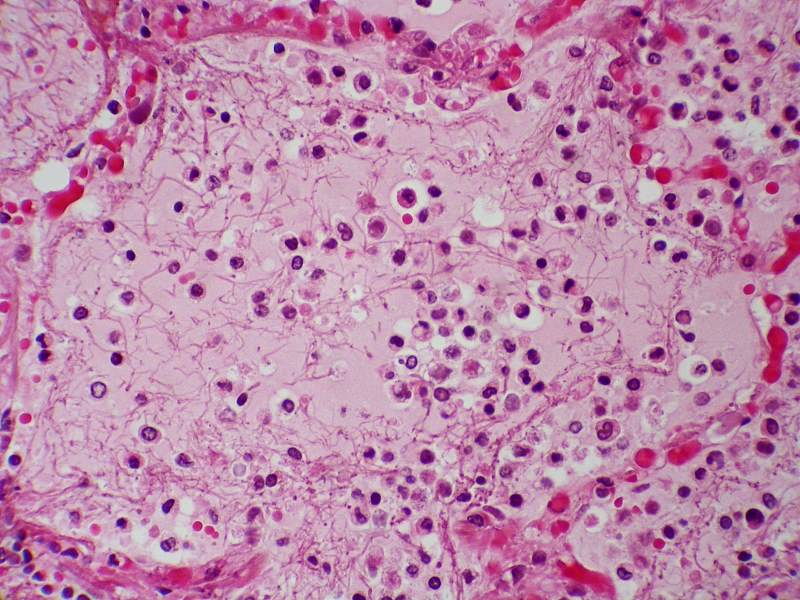
It is an infection that affects your lungs directly and causes severe cough and sneeze. It is caused by Streptococcus pneumoniae and requires antibiotics for effective treatment. Without timely intervention, it can lead to serious complications such as pneumonia or respiratory failure. Vaccination and prompt medical care are important for prevention and management.
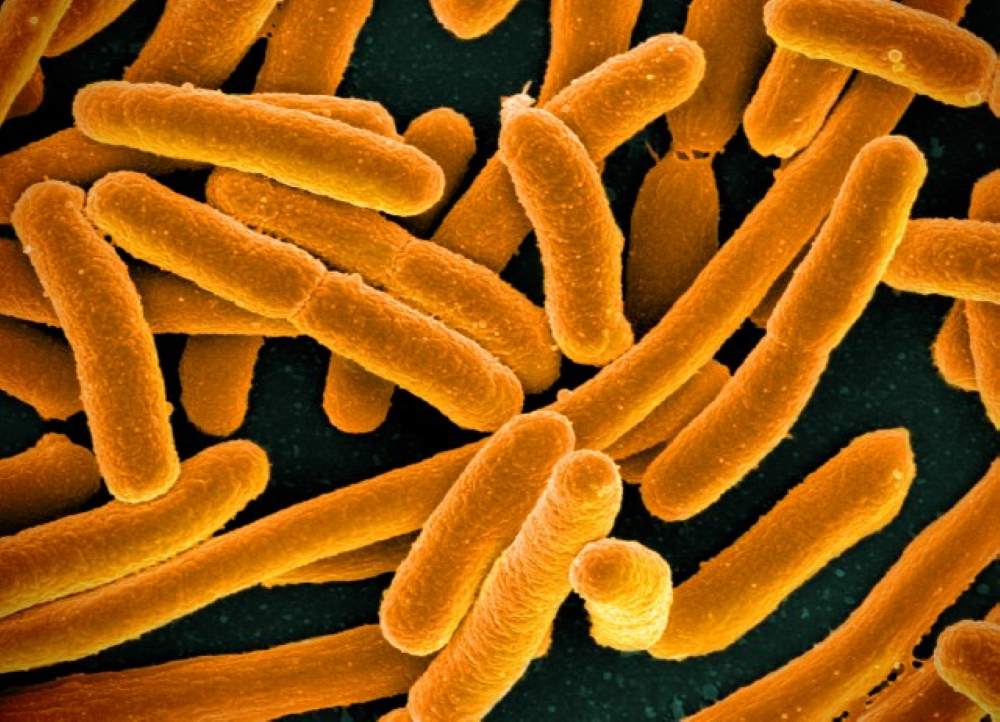
Caused by various strains of Escherichia coli, it can lead to gastrointestinal symptoms such as diarrhoea, abdominal cramps, and nausea. Some strains can cause severe complications like hemolytic uremic syndrome (HUS). Proper food handling and hygiene are essential to prevent E. coli infections.
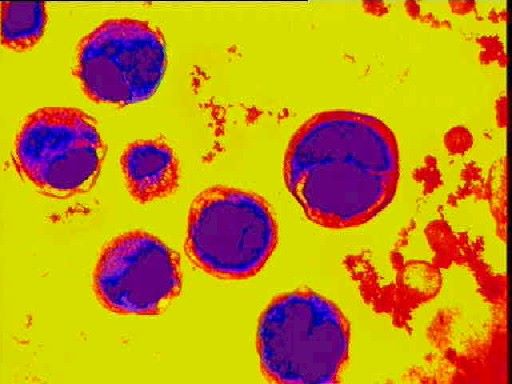
A common sexually transmitted infection caused by Chlamydia trachomatis leads to symptoms like discharge, pain during urination, and, in women, pelvic pain. If untreated, it can cause serious reproductive issues. Regular screenings and safe sex practices are important for prevention and early detection.

Bacterial diseases primarily arise due to pathogenic bacteria that invade the body and interfere with normal functioning. These microorganisms find their way into the body via different routes, including food or water that is contaminated, direct contact with infected persons, and vectors such as insects.
Poor sanitary practices, substandard hygiene, and compromised immune systems can also heighten the risk of acquiring bacterial infections. It is essential to understand these causes to prevent and effectively manage bacterial diseases.
All the infections mentioned above have significant symptoms. However, some general signs of diseases caused by bacteria are as follows:
Understanding the impacts of bacterial infections is crucial for effective management and prevention. Illustrated below are the various damages caused by bacterial infections:
The following conditions increase the risk of bacterial diseases in humans -
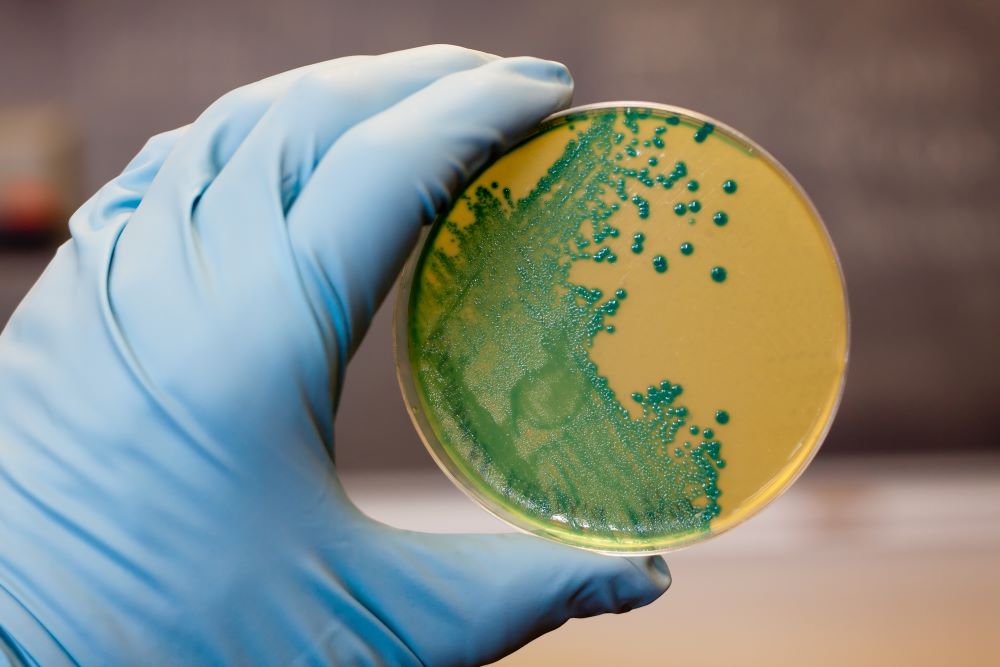
Usually, a doctor can name the disease caused by bacteria by analysing your symptoms thoroughly. However, sometimes your doctor may need confirmation through some tests. Below are some tests that your doctor may prescribe you.
Other than this, your doctor may opt for an imaging study such as an X-ray, endoscopy, USG, etc.
Although often bacterial infections get cured on their own, you may need treatment once they become severe. Following are some generic cures to diseases caused by bacteria:
Your doctor will prescribe you antibiotics according to the type of bacterial infection. Most antibiotics can fight several types of bacteria, but not all. You can take antibiotics through your mouth, the surface of your eyes and skin or your veins (intravenous therapy).
You may need some anti-inflammatory or pain killer medication. These drugs help you relax your pain and prevent the infection from spreading. In addition, your doctor may add medicine to control your fever and painful cough during the treatment.
You may need a surgical procedure if you have a blister. The process can be simple in case of an abscess on your skin. However, the surgery can be complicated if the bump is deep-rooted in your body.
Microbes are not easy to prevent completely from affecting animals or human beings. Nevertheless, following preventive measures can mitigate the risk of bacterial infections.
Yes, health insurance typically covers bacterial diseases, including the costs for doctor visits, diagnostic tests, and necessary medications. Most comprehensive health insurance plans, especially those under the Affordable Care Act (ACA), provide coverage for essential health benefits, which generally include treatments for bacterial infections.
However, the extent of coverage and out-of-pocket costs can vary depending on your specific plan. Some plans, like short-term or limited-duration health plans, may have more restrictions and may not cover all treatments for bacterial diseases. It's important to review your insurance policy or speak with your provider to understand what is covered and any potential costs you may incur.
Bacterial diseases present a significant health challenge, affecting various parts of the body and leading to a range of symptoms from mild to severe. Understanding the causes, symptoms, and treatment options for bacterial infections is crucial for effective management and prevention. Timely medical intervention, proper hygiene practices, and adherence to prescribed treatments can significantly reduce the risk of complications and improve overall health outcomes.