General
Life
Accessibility Options


General

General Products
Simple & Transparent! Policies that match all your insurance needs.
 Car Insurance
 Two Wheeler Insurance
 Commercial Vehicle Insurance
 Health Insurance
 Home Insurance
 Travel Insurance
 Business Insurance
Car Insurance
Two Wheeler Insurance
Commercial Vehicle Insurance
Health Insurance
Travel Insurance
Business Insurance
Car Insurance
Two Wheeler Insurance
Commercial Vehicle Insurance
Health Insurance
Travel Insurance



Scan to download

Life

Life Products
Digit Life is here! To help you save & secure your loved ones' future in the most simplified way.
 Term Life
 Savings Plan
 Retirement and Pension Plans
 Group Life Products
 Product Documents
Term Life
Savings Plan
Retirement and Pension Plans
Group Life Products
Product Documents
Term Life
Savings Plan
Retirement and Pension Plans
Group Life Products

Scan to download

Claims

Claims
We'll be there! Whenever and however you'll need us.
 Customer Support
 Motor Claims
Health Claims
Motor Claims
Health Claims
 Marine Insurance
 Grievance Redressal
Customer Support
Motor Claims
Health Claims
Marine Insurance
Grievance Redressal
Grievance Redressal
Customer Support
Motor Claims
Health Claims
Marine Insurance
Grievance Redressal

Scan to download
 General
 Life
General
Life
Life
General
Life
Renewals
Resources

Resources
All the more reasons to feel the Digit simplicity in your life!
Exclusive Features
 Transparency Report
Others
Exclusive Features
Transparency Report
Transparency Report
Others
Exclusive Features
Transparency Report
Scan to download


Our WhatsApp number cannot be used for calls. This is a chat only number.

 Grey Scale
 Readable Text
 Reset
Reset




Mica Sood, Pediatric NP at Tangipahoa Community Health Center in Hammond, LA, says that drinking adequate amounts of water is essential for maintaining hydration as it helps to improve the function of your brain, heart and muscles.
The top five benefits of drinking water include –
Drinking water helps in the overall functioning of the human body. Therefore, every individual needs to drink an adequate amount of water daily to avoid the diseases caused by drinking less water.

Table of Contents

Dehydration occurs when the body loses more fluids than it has taken in, thereby leading to insufficient water for normal functioning. In addition, it can result from drinking less water than your body needs, mostly in hot weather or during some physical activity.
Early signs are thirst, dry mouth, and dark urine. If uncorrected, dehydration can cause dizziness, tiredness and confusion. Drinking enough water daily to maintain overall health and stay hydrated is important.
Dehydration occurs primarily when the body loses more water than it takes in. The major cause of this is failure to drink enough water, which can occur due to several reasons:
When someone drinks below his/her hydration needs, an imbalance of fluid results, leading to dehydration with its potential consequences.
Drinking insufficient water can lead to several serious health conditions. Proper hydration is essential for maintaining bodily functions and preventing diseases that arise from dehydration. The diseases caused by drinking less water and their symptoms are:
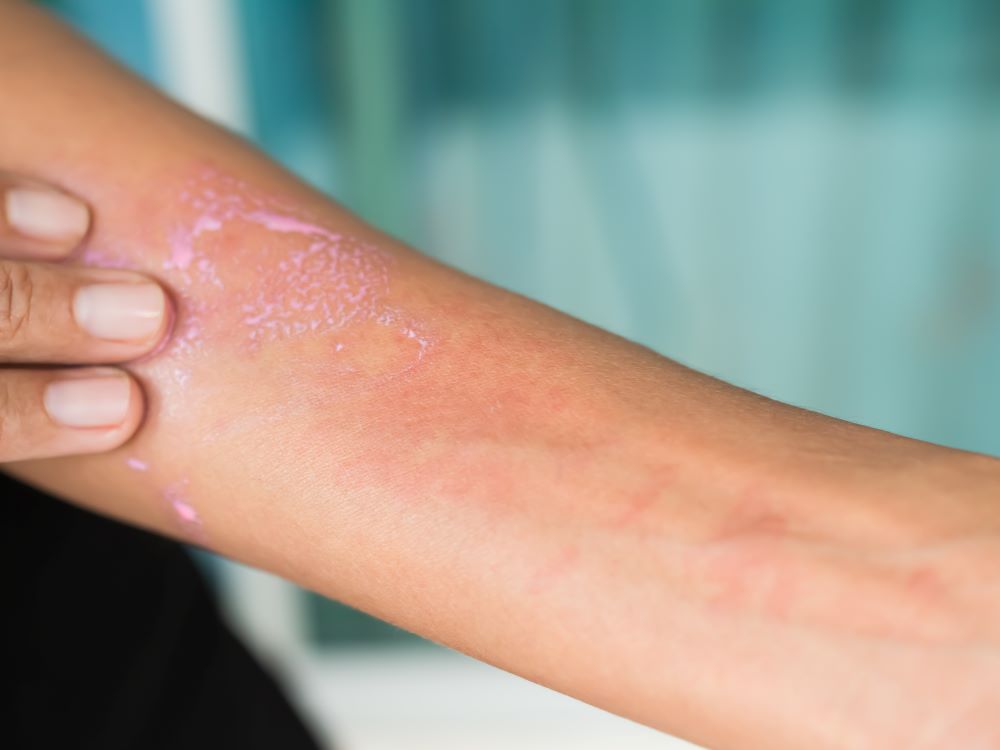
A human body requires an adequate amount of water for sweating out 500-700 ml of water. The sweat secreted by the sweat glands, carry out the toxins and waste from our body. If you do not drink enough water, these waste products do not come out of the body and cause skin irritation such as eczema.
Symptoms – Dry and itchy skin, bumps on the skin, red rashes, scaly and leathery patches of skin, crusting skin and swelling.

needs an adequate amount of water for overall functioning. Blood pressure fluctuations can result from stress, lifestyle changes, or underlying health conditions. These fluctuations can increase the risk of cardiovascular issues and require careful monitoring
.Symptoms – Severe headaches, nosebleeds, fatigue, chest pain, vision problems, irregular heartbeat, blood in urine, and difficulty breathing.
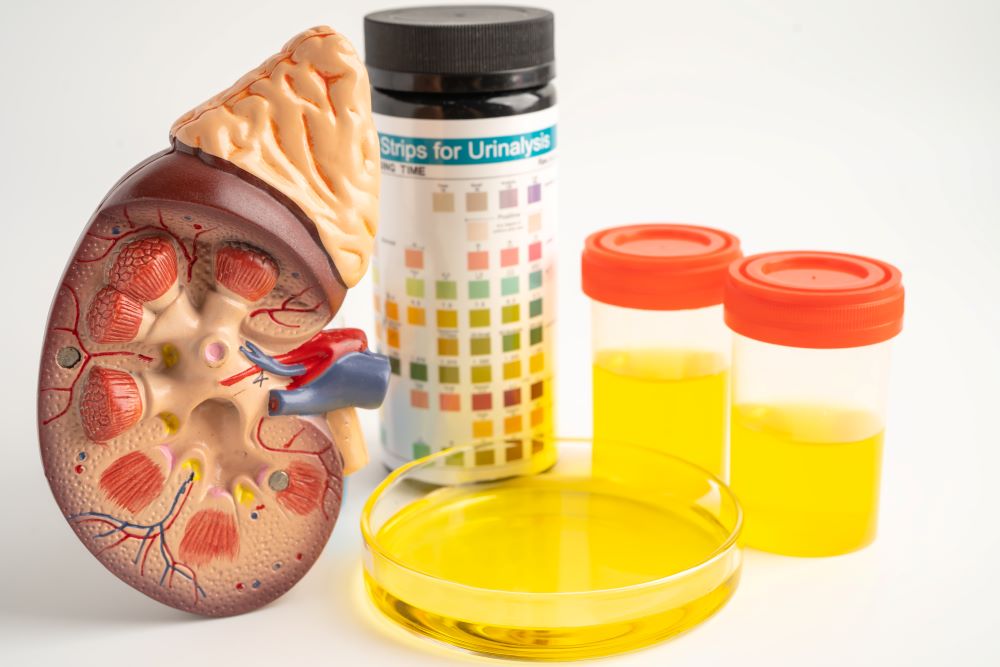
One of the significant side effects of drinking less water is urine infection. UTIs can affect any part of the urinary system, including the urethra, bladder, ureters, and kidneys. A urine infection occurs when bacteria enter the urinary tract, causing pain, frequent urination, and discomfort. If left untreated, it can lead to more severe complications, such as kidney infections.
Symptoms – Burning sensation during urination, dark and smelly urine, strong urge to urinate and urine appears cloudy.

When the body is dehydrated, the production of digestive juices is lower. This results in diseases like gastritis and ulcers. Gastritis involves inflammation of the stomach lining, often leading to discomfort and indigestion. Ulcers are open sores that develop in the stomach or intestines, often due to excessive acid production.
Symptoms – Nausea, abdominal bloating, abdominal pain, vomiting, indigestion, burning feeling in the stomach, hiccups and loss of appetite.

Due to the lack of water, there is a loss of energy, and the body feels tired. To cater to this feeling, we tend to eat more, leading to weight gain, leading to increased risk of chronic diseases like diabetes, heart disease, and certain cancers. It is often linked to lifestyle factors and requires comprehensive management.
Symptoms – Excess body fat, shortness of breath, snoring, trouble sleeping and not being able to perform simple physical tasks.
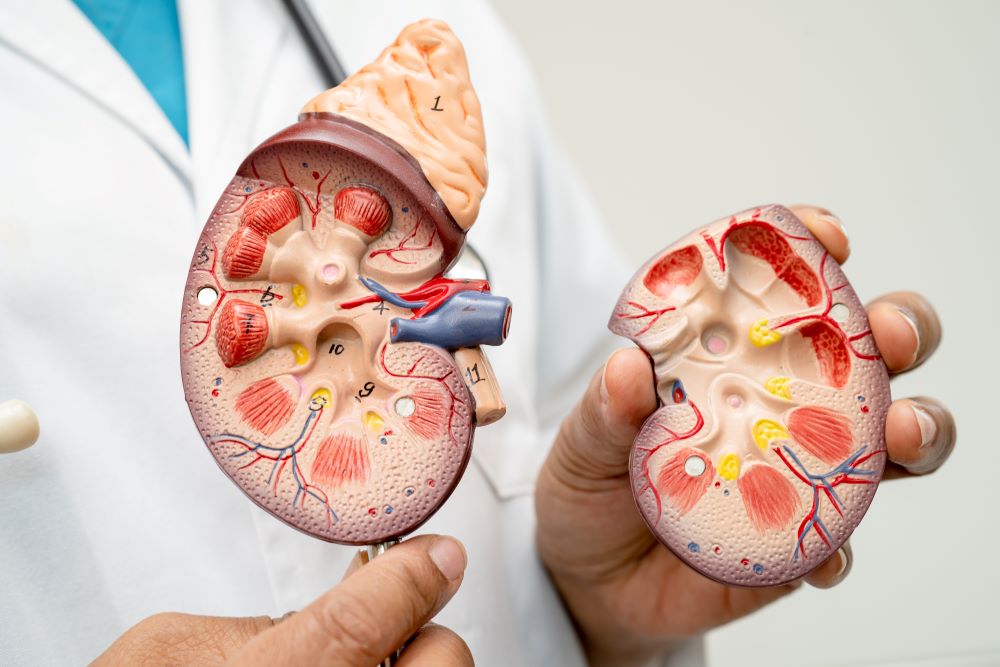
Kidney stones are hard mineral and salt deposits that form inside the kidneys. They develop when urine becomes concentrated, allowing minerals like calcium and oxalate to stick together, causing severe pain and discomfort when they pass through the urinary tract. They can be influenced by diet, dehydration, and certain medical conditions.
Symptoms: Severe pain in the lower back or side, blood in the urine, nausea, and frequent urination.

Water is essential for smooth bowel movements. When the body is dehydrated, the colon absorbs more water from waste, leading to hard and dry stools. This can cause chronic constipation, making bowel movements infrequent and difficult.
Symptoms: Persistent fatigue and swelling in the feet and ankles. Nausea, vomiting, loss of appetite, and changes in urination patterns.

Dehydration reduces skin elasticity and moisture, leading to dry, flaky, and irritated skin. Chronic dehydration can exacerbate skin conditions such as eczema and psoriasis. Proper hydration keeps the skin healthy and resilient against environmental stressors.
Symptoms: Dry, flaky, or itchy skin, often accompanied by redness. Cracked, rough patches and increased sensitivity to environmental factors.

Dehydration can cause headaches due to reduced blood flow and oxygen to the brain. It can also lead to the narrowing of blood vessels in the brain, triggering a headache. Staying hydrated can prevent these headaches from occurring.
Symptoms: Throbbing or pressure-like pain, often around the forehead, temples, or back of the head. It may be accompanied by dizziness or sensitivity to light and sound.
In this section, we are going to throw some light on the harmful effects diseases caused due to drinking less water -
Inadequate water intake increases the risk of various health conditions. Understanding these risk factors helps in the prevention and management of dehydration-related diseases.
Understanding the signs that you are not drinking enough water is the key to preventing the diseases caused by drinking less water.
Let us see how to diagnose the diseases arising due to drinking less water –
Treatment for diseases caused by drinking less water focuses on restoring adequate hydration and addressing related health issues. The diseases caused by drinking less water can be treated in the following ways:
The side effects of drinking less water can be prevented by drinking adequate amounts of fluid every day. The U.S. National Academies of Sciences, Engineering and Medicine suggest that an adult male should drink 3.7 litres of water daily. In contrast, an adult woman should drink at least 2.7 litres of the same every day to avoid discrepancies due to lack of water consumption.
Bowel movement, precipitation, breathing and urination causes loss of water from the human body. Therefore, it is essential to replenish the loss of water by drinking an adequate amount of fluid every day. This helps in the smooth and proper functioning of all the body parts. Failing to abide by this can lead to the aforementioned diseases caused by drinking less water.
Coverage of health insurance for diseases resulting from reduced water consumption varies with the specific policy in question and the nature of the ailment. Most health insurance plans cover medical treatment for diseases that occur as a result of dehydration, such as renal stones, urinary tract infections and heat stroke, since these are considered to be severe medical emergencies or essential, contributing cases.
However, routine treatments or preventive care related to hydration might not be covered. Read through your policy details or consult an agent who will advise you on what is included.
Some policies may include nutritionist consultations or preventive health services if they are medically necessary.
Drinking less water can result in dehydration, kidney stones, urinary tract infections, and electrolyte disorders. Early identification of symptoms is vital for good health. Diseases can be avoided by lifestyle changes such as drinking more water and helping one’s body perform its crucial functions. Periodic testing and knowledge about how much you need to drink are the key to preventing the consequences of insufficient hydration over a long period.