General
Life
Accessibility Options


General

General Products
Simple & Transparent! Policies that match all your insurance needs.
 Car Insurance
 Two Wheeler Insurance
 Commercial Vehicle Insurance
 Health Insurance
 Home Insurance
 Travel Insurance
 Business Insurance
Car Insurance
Two Wheeler Insurance
Commercial Vehicle Insurance
Health Insurance
Travel Insurance
Business Insurance
Car Insurance
Two Wheeler Insurance
Commercial Vehicle Insurance
Health Insurance
Travel Insurance



Scan to download

Life

Life Products
Digit Life is here! To help you save & secure your loved ones' future in the most simplified way.
 Term Life
 Savings Plan
 Retirement and Pension Plans
 Group Life Products
 Product Documents
Term Life
Savings Plan
Retirement and Pension Plans
Group Life Products
Product Documents
Term Life
Savings Plan
Retirement and Pension Plans
Group Life Products

Scan to download

Claims

Claims
We'll be there! Whenever and however you'll need us.
 Customer Support
 Motor Claims
Health Claims
Motor Claims
Health Claims
 Marine Insurance
 Grievance Redressal
Customer Support
Motor Claims
Health Claims
Marine Insurance
Grievance Redressal
Grievance Redressal
Customer Support
Motor Claims
Health Claims
Marine Insurance
Grievance Redressal

Scan to download
 General
 Life
General
Life
Life
General
Life
Renewals
Resources

Resources
All the more reasons to feel the Digit simplicity in your life!
Exclusive Features
 Transparency Report
Others
Exclusive Features
Transparency Report
Transparency Report
Others
Exclusive Features
Transparency Report

Scan to download


Our WhatsApp number cannot be used for calls. This is a chat only number.

 Grey Scale
 Readable Text
 Reset
Reset



A virus is a type of microbe that can exist in any conceivable place in the environment. It is a single-celled microorganism that needs another cell of a living organism to replicate.
Usually, it enters the body through the mouth, nose, eyes, skin, genitals, or exposed wounds. Then, it invades a healthy cell in your body and multiplies itself. That is how diseases caused by viruses develop in the human body.Read ahead to understand the various types of viruses and the diseases they cause to protect yourself better.

Table of Contents

Any disease resulting from a viral infection is called viral disease. Not all viral diseases are transmissible, which means they do not spread from direct contact. But many of those are highly contagious such as flu, cold, HIV, etc.
Different parts of the body, such as the respiratory and digestive systems, skin, nervous system, etc., can be affected by viral infections. They may present with symptoms like fever, fatigue, and muscle pain, but these particular signs can vary depending on the virus. The way these diseases spread and appear is essential for effective prevention and treatment.
Viruses spread through the body due to a variety of reasons and factors. Understanding how these infections spread is very important to prevent them.
Here’s a brief overview of some frequently encountered viral illnesses. Below are some common viral diseases and their symptoms.

These types of viral diseases affect your digestive system, causing gastroenteritis. In addition, stomach flues are highly contagious, spread through contaminated water and food.
Common Symptoms
Examples
Names of some diseases caused by viruses in your digestive system are as follows:
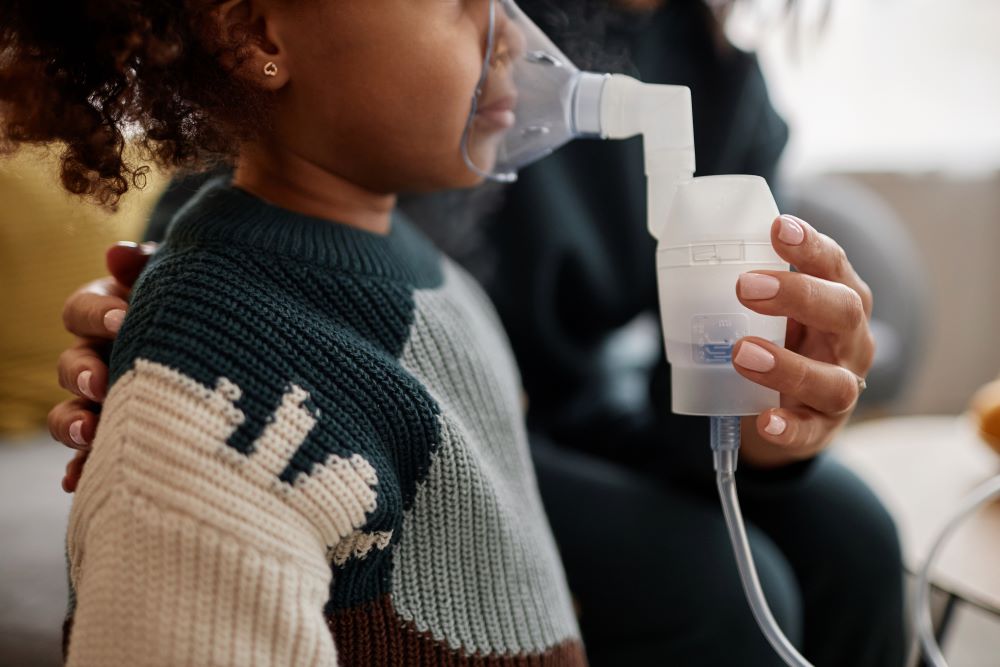
Respiratory diseases are some of the most common diseases caused by viruses. These are highly contagious and spread through the sneeze droplet in the air. It starts affecting the upper respiratory tract and can escalate to the lower respiratory tract.
Common Symptoms
Examples
Below are some names of viral respiratory diseases:
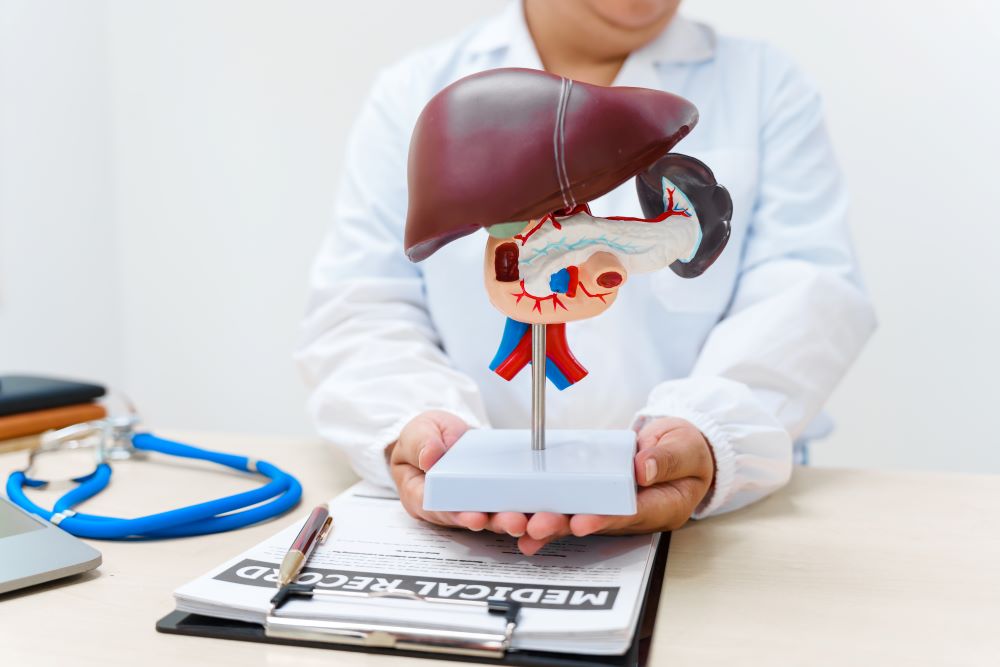
Hepatitis A, B and C viruses affect the human liver and cause inflammation. The disease can worsen if a patient continues with a poor diet and alcohol intake.
Common Symptoms
Examples
Hepatitis A, B, C, D and E are some hepatic diseases caused by the virus in humans.

These viral diseases are acute conditions caused by a damaged cardiovascular system. Hemorrhagic illnesses or fevers can be life-threatening and attack many other organs of your body.
Common Symptoms
Examples
Below are some examples of viral hemorrhagic illness:
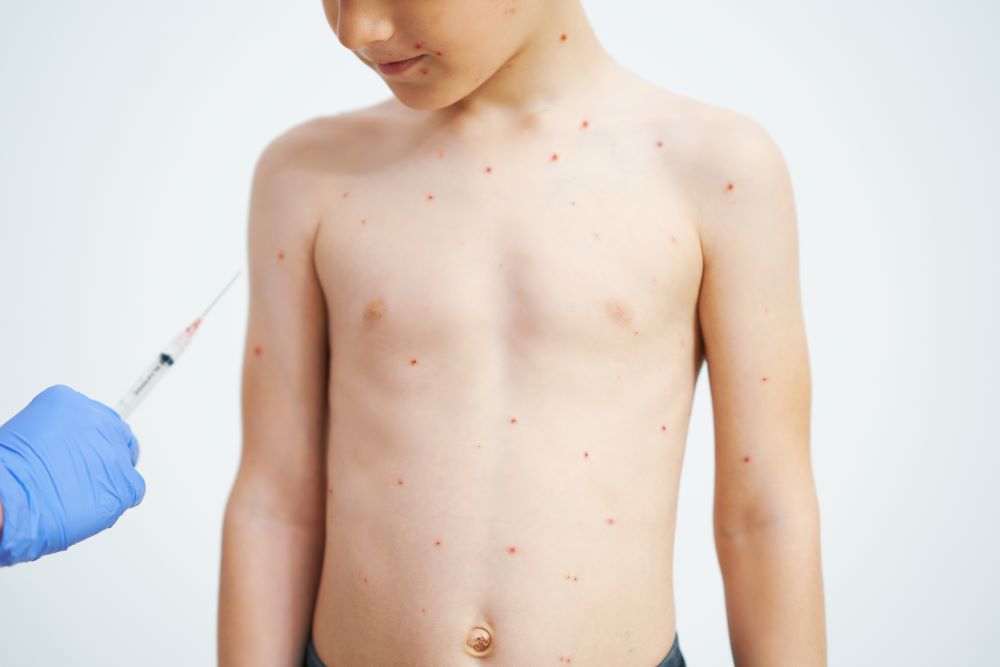
Cutaneous diseases constitute another type of diseases caused by viruses that affect the integumentary system or epidermis. It causes skin lesions that may be persisting for a long while.
Common Symptoms
Examples
The followings are some examples of cutaneous diseases -
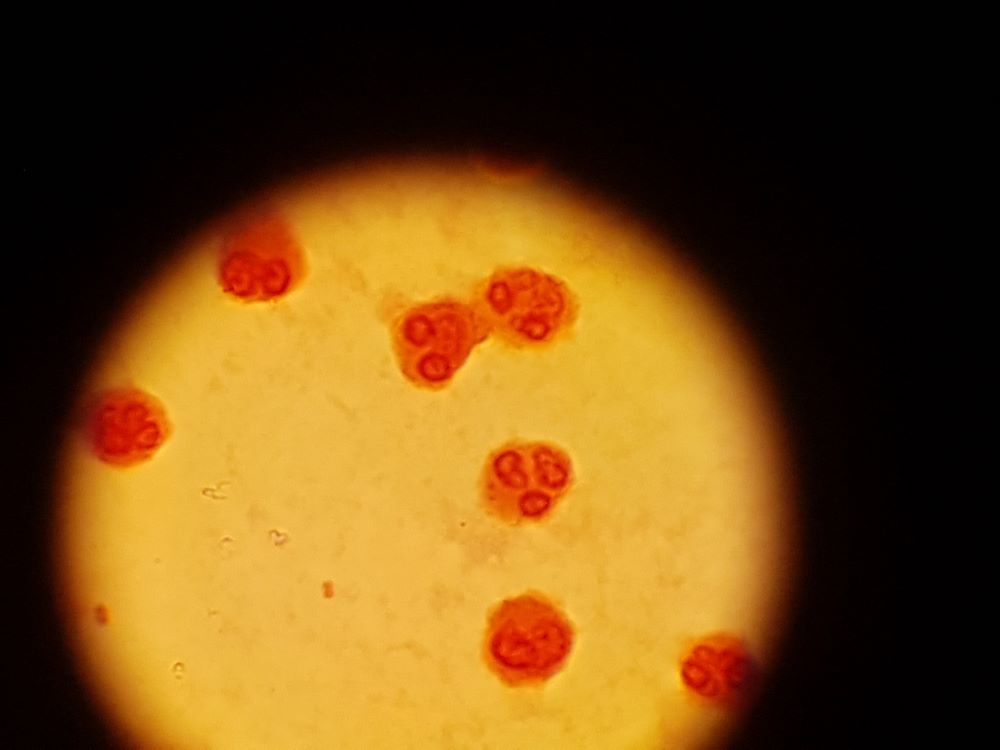
These diseases take place once the virus attacks your central nervous system. It can cause severe damage to your brain and spinal cord. Most of these viral infections are asymptomatic but can have life-threatening consequences.
Common Symptoms
Examples
Below are some neurological diseases caused by viruses:
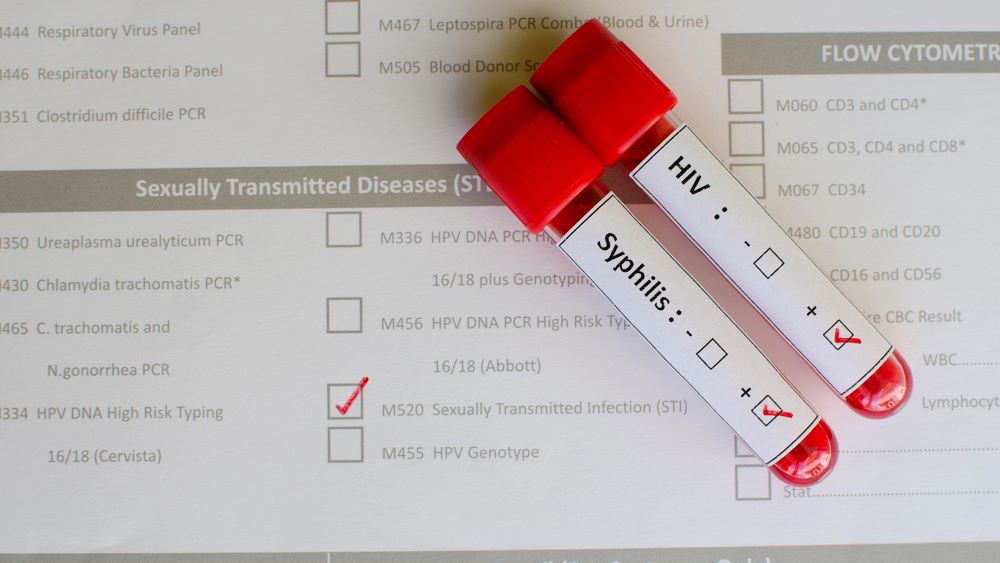
Primarily, these viral diseases are sexually transmitted infections that can influence the genital, genitourinary, and reproductive systems. In the respective areas, they often lead to localised manifestations and may also compromise sexual well-being in general.
Common Symptoms
Examples

These viral infections affect numerous body systems, resulting in generalized symptoms and possible complications. Systemic reactions like fever and rash can occur as the infections impact different organs and systems.
Common Symptoms
Examples
Encephalitides are grave viral infections that prompt brain inflammation, causing various signs, from mild influenza-like symptoms to severe neurological impairments. These diseases can severely influence cognitive and nervous function.
Common Symptoms
Examples
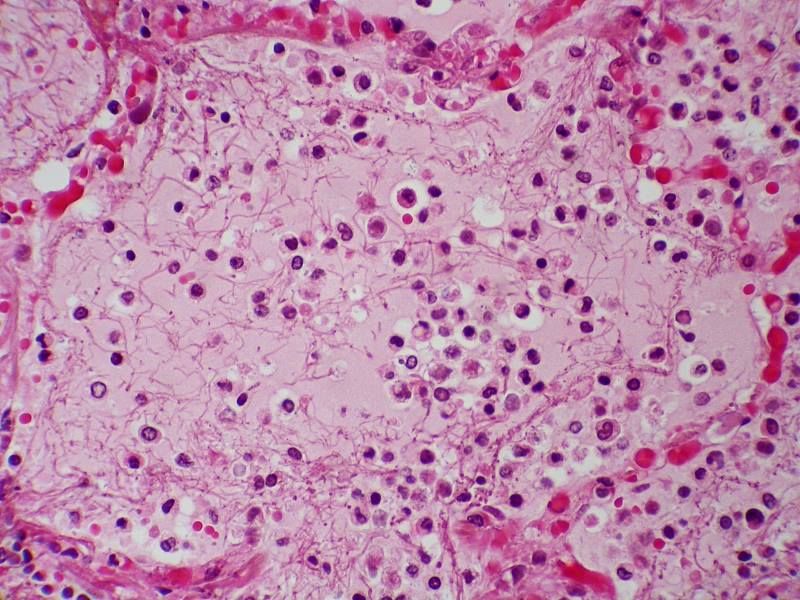
These are frequently severe types of infection that rarely occur among healthy people but in individuals with compromised immune function due to underlying conditions. They commonly manifest as severe atypical infections necessitating specialized therapeutic strategies.
Common Symptoms
Examples

The overall impact of viral damage can range from mild, temporary symptoms to severe, life-threatening conditions, depending on the virus and the individual's health. Viral infections can damage various parts of the body in humans.
Significant damage can also occur through the body's immune response to viral infection.
The extent to which viral damages are harmful depends on an individual's health conditions and the type of pathogen involved, ranging from temporary light symptoms to intense life-threatening conditions.
Several factors enhance the likelihood of contracting viral diseases or experiencing severe consequences, such as:

Diagnosing viral diseases involves various methods to accurately identify the presence of a virus. These techniques help determine the specific viral infection and guide appropriate treatment.

Treatment for viral illnesses includes symptom management and supportive therapy. Among them are antiviral medications, vaccines, and supportive care to help the body fight off the virus effectively.
Prevention from viral infections is not entirely possible as they dwell everywhere. However, maintaining proper hygiene and not sharing your belongings mitigate the risk significantly. Additionally, you must cover your face and wounds to protect yourself from the spread of a virus.
Apart from these safety measures, you must eat healthy and consume fresh food daily. It will strengthen your immune system and fight and cure the diseases caused by viruses.
If you have flu or any other viral infection, the health insurance company can possibly cater for visits to the doctor and lab tests that involve prescribing antiviral drugs. The level of coverage might also differ, as well as the particular viral infection, depending on your insurance plan.
Some plans may need pre-authorisation or not allow certain treatments at all. Just read your policy details because it will help you know about out-of-pocket expense coverage, apart from ensuring you get better copayments and deductibles.
Viruses are responsible for different illnesses, varying in strength from mild to severe. It is important to understand different types of viral infections, signs pointing towards their occurrence, risk factors involved, and possible treatment options for effective management and prevention. One must be knowledgeable enough regarding these diseases so that they do not occur, and one must also know when to consult a doctor.