General
Life
Accessibility Options


General

General Products
Simple & Transparent! Policies that match all your insurance needs.
 Car Insurance
 Two Wheeler Insurance
 Commercial Vehicle Insurance
 Health Insurance
 Home Insurance
 Travel Insurance
 Business Insurance
Car Insurance
Two Wheeler Insurance
Commercial Vehicle Insurance
Health Insurance
Travel Insurance
Business Insurance
Car Insurance
Two Wheeler Insurance
Commercial Vehicle Insurance
Health Insurance
Travel Insurance



Scan to download

Life

Life Products
Digit Life is here! To help you save & secure your loved ones' future in the most simplified way.
 Term Life
 Savings Plan
 Retirement and Pension Plans
 Group Life Products
 Product Documents
Term Life
Savings Plan
Retirement and Pension Plans
Group Life Products
Product Documents
Term Life
Savings Plan
Retirement and Pension Plans
Group Life Products

Scan to download

Claims

Claims
We'll be there! Whenever and however you'll need us.
 Customer Support
 Motor Claims
Health Claims
Motor Claims
Health Claims
 Marine Insurance
 Grievance Redressal
Customer Support
Motor Claims
Health Claims
Marine Insurance
Grievance Redressal
Grievance Redressal
Customer Support
Motor Claims
Health Claims
Marine Insurance
Grievance Redressal

Scan to download
 General
 Life
General
Life
Life
General
Life
Renewals
Resources

Resources
All the more reasons to feel the Digit simplicity in your life!
Exclusive Features
 Transparency Report
Others
Exclusive Features
Transparency Report
Transparency Report
Others
Exclusive Features
Transparency Report

Scan to download


Our WhatsApp number cannot be used for calls. This is a chat only number.

 Grey Scale
 Readable Text
 Reset
Reset



There are millions of microorganisms in the world that are invisible to the naked eye. These organisms can easily enter the human body and cause severe health issues.
One such group of multicellular microorganisms is called protozoa that can infect the organs and cause organ failure, fever, vomiting, headache, muscle pain, abdominal pain, and cough.
Keep reading to learn about the diseases caused by protozoa and their treatment methods.

Table of Contents

Protozoa diseases refer to an aggregate of diseases caused by protozoa, single-celled organisms that cannot be readily seen with the naked eye. These microorganisms usually enter bodies via contaminated foods, water, or insect bites. The popular protozoa illnesses involve malaria transmitted by mosquitoes and amoebiasis associated with the intake of unclean water.
Although these ailments can make you sick, the severity depends mainly on the type of protozoa and overall health. The good news is that they can be cured with specific drugs.
Most protozoal disorders in humans can be caused by microscopic protozoa entering the body through water pollutants or mosquito bites. The protozoa infect various organs, causing complicated health issues.
Protozoa exist either symbiotically or independently with other living things. Protozoans often form cysts, which enable them to survive harsh conditions like drought. A lot of protozoa can lead to diseases among people, particularly by way of water-borne routes.
Toxoplasma gondii, Isospora belli, Blastocystis hominis, Balantidium coli, Naegleria species, and Acanthamoeba species are some examples of critical pathogenic protozoans. Various diseases emanating from the above organisms may profoundly impact the overall condition of the patient's health.
Here is a list of 10 diseases caused by Protozoa commonly found in humans.
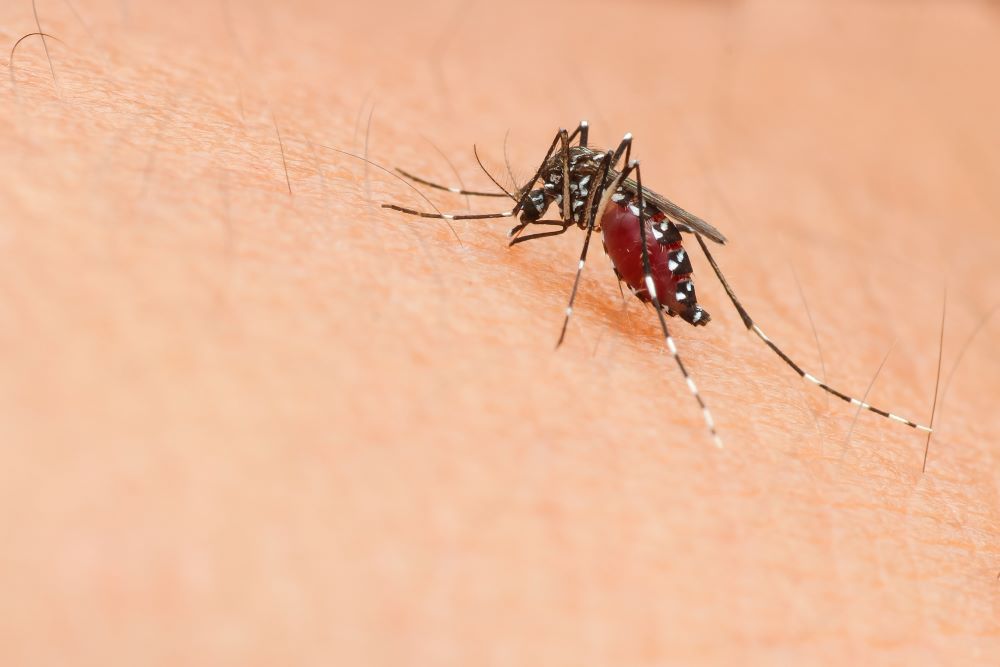
Malaria is a mosquito-borne infection that can cause seizures, yellow skin, coma and death. It occurs when a female Anopheles mosquito carries the protozoa and infects a human being by biting. This serious disease requires immediate medical attention to prevent severe complications and ensure effective treatment.
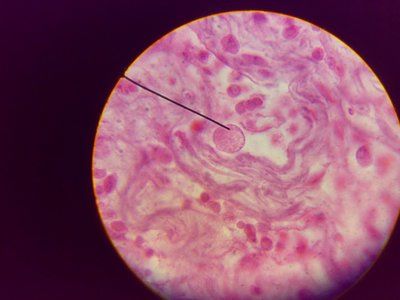
Poor hygiene and living conditions can lead to this gastrointestinal infection. Amoebiasis is caused by the parasite Entamoeba histolytica and can result in symptoms such as abdominal pain, diarrhoea, and, in severe cases, liver abscesses. Proper sanitation is crucial for preventing Amoebiasis.
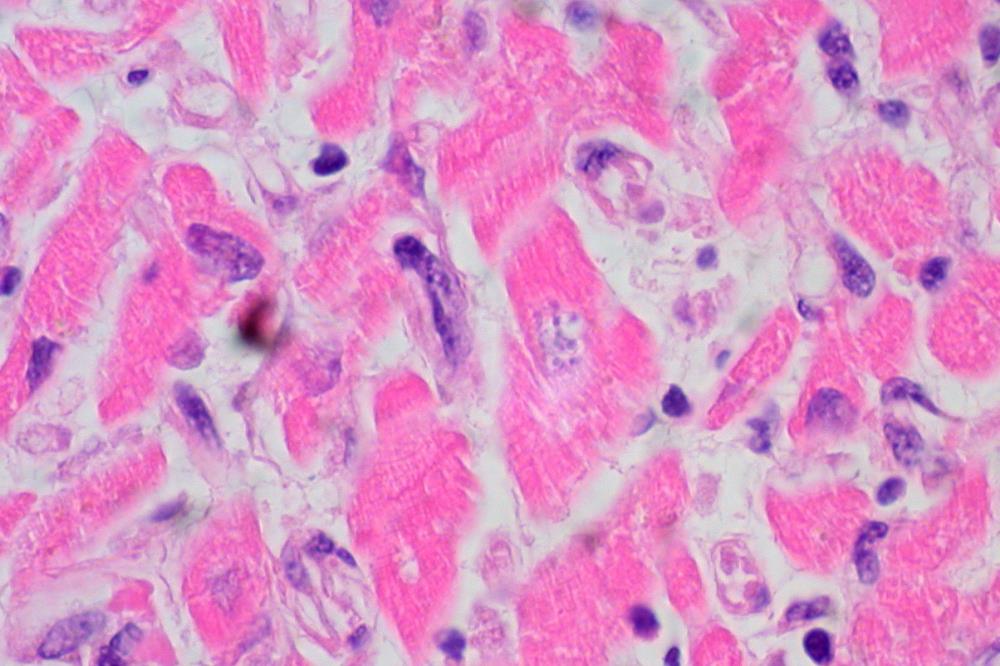
The Trypanosoma cruzi parasite causes this disease, leading to redness and swelling in the infected area. Other symptoms include swollen lymph nodes, nausea, diarrhoea, and extreme fatigue. Early diagnosis and treatment are crucial to prevent the progression of chronic complications and ensure effective disease management.
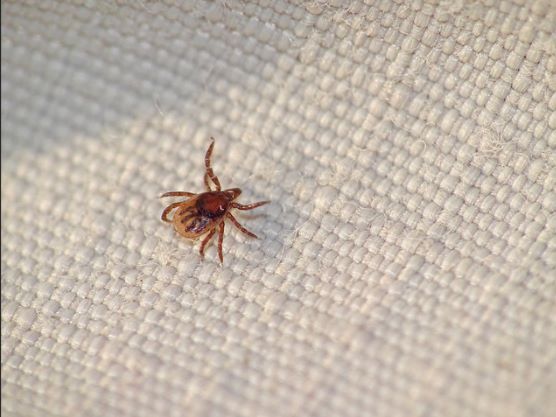
Parasite Babesia microti infects the red blood cells and damages an individual's immune system. This disease, transmitted by ticks, can cause symptoms such as fever, chills, and fatigue. It is essential to seek prompt treatment to manage the condition and mitigate potential complications effectively.
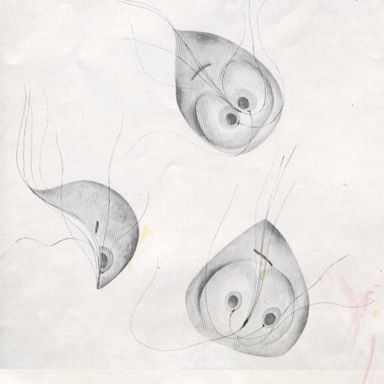
The parasite giardia causes this infection in the intestinal tract. Giardiasis is spread through contaminated water or food, leading to symptoms like diarrhoea, abdominal cramps, and nausea. Access to clean drinking water and good hygiene are crucial for preventing giardiasis. Treatment involves prescription medications like metronidazole or tinidazole.
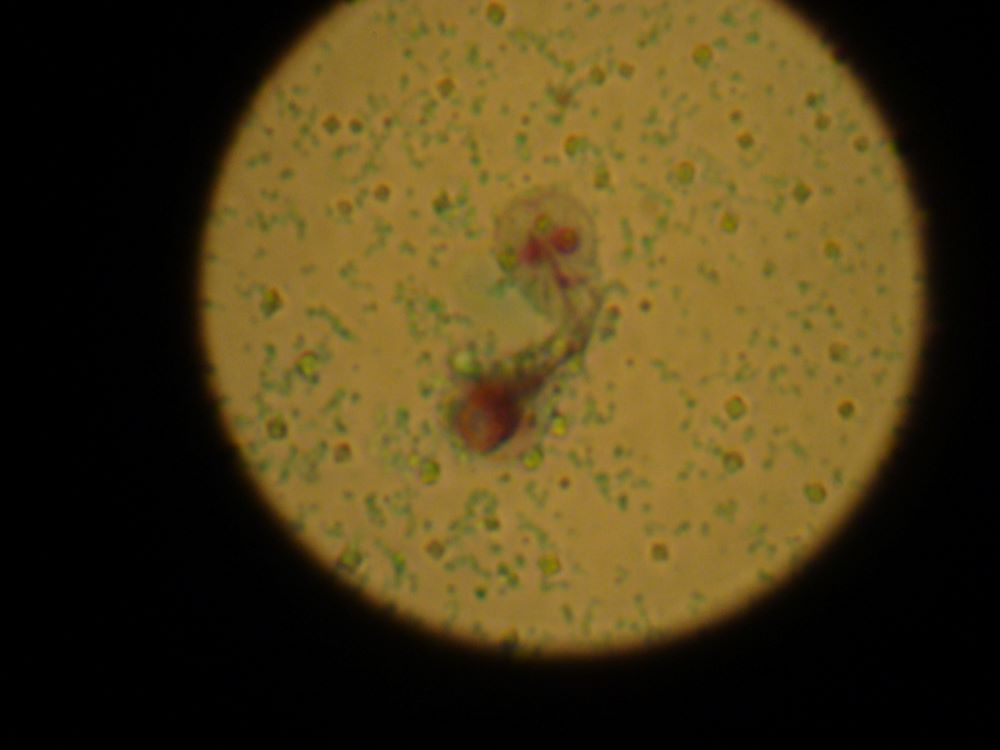
Giardia lamblia, a parasite of the small intestine, causes lambliasis. The protozoa are transmitted through contaminated drinking water or food. This infection can cause gastrointestinal issues such as diarrhoea and abdominal pain. Good hygiene and safe food practices help in preventing it. Antibiotic treatments like metronidazole or tinidazole eliminate Giardia lamblia.
Apicomplexan protozoan, a member of the Cryptosporidium genus, causes this disease. It can infect the lungs and stomach. Symptoms include diarrhoea, stomach cramps, and nausea. Maintaining good hygiene practices and avoiding contaminated water are essential for preventing this infection.
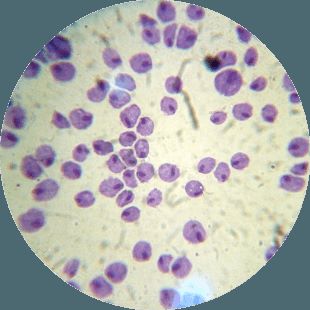
It is a sexually transmitted disease caused by Trichomoniasis Vaginalis. Both men and women may experience burning and itching in the affected areas. Prompt diagnosis and treatment are crucial to effectively manage the symptoms and prevent further transmission of the infection. Regular screening and practising safe sex can help reduce the risk.
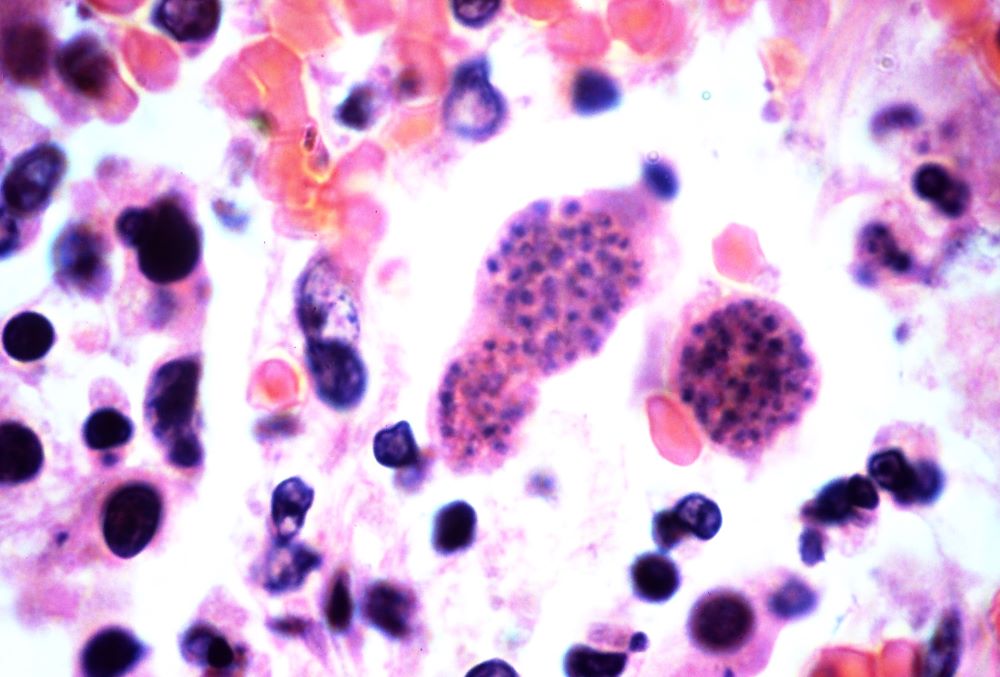
Toxoplasmosis infects the eye, brain and lymph nodes causing significant infections.Toxoplasmosis infects the eye, brain, and lymph nodes, causing significant infections. The parasite Toxoplasma gondii can lead to serious health issues, particularly in individuals with weakened immune systems. Early diagnosis and treatment are crucial for managing the infection effectively and preventing severe complications.
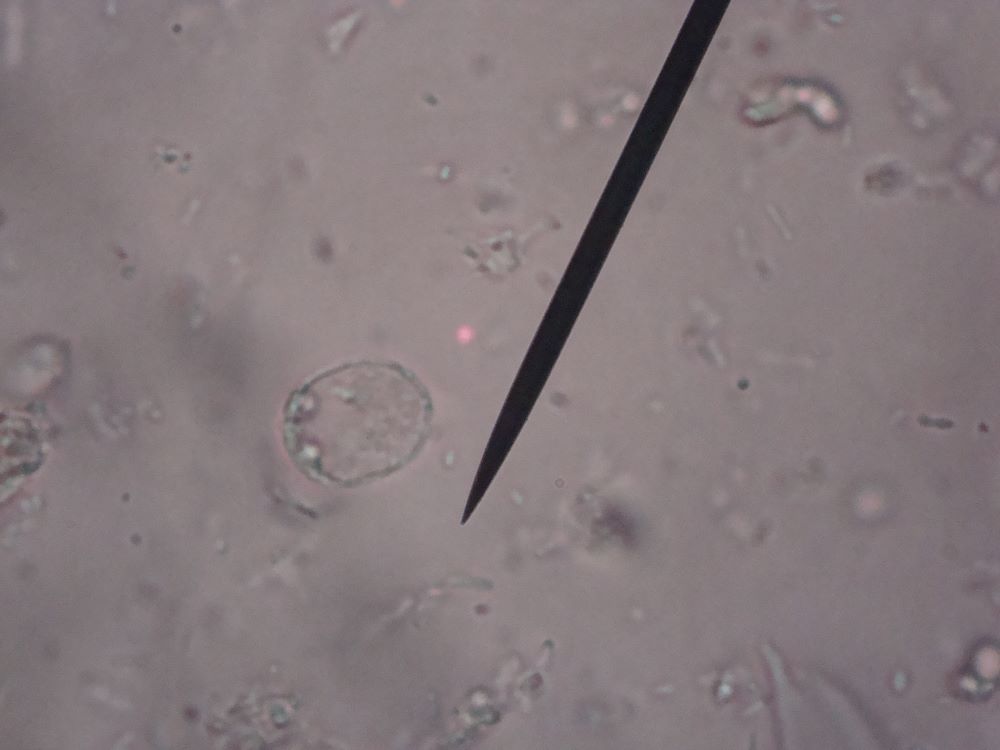
It is an asymptomatic disease caused by protozoan Blastocystis hominis that infects the digestive tract. While often asymptomatic, it can sometimes cause gastrointestinal disturbances. Good hygiene and medical consultation can assist in managing this condition. Treatment is recommended if symptoms are present or if the infection is causing significant discomfort.
Other diseases caused by Protozoa include -
African Trypanosomiasis
Trypanosoma brucei gambiense and Trypanosoma brucei rhodesiense cause African Trypanosomiasis in humans. The protozoa spread through the Tsetse fly bites.
Amoebic dysentery
Entamoeba histolytica leads to diarrhoea and gut problems. This Amoeba can pass through the intestine walls and reach an individual’s bloodstream and infect his/her liver.
Once the types of protozoa-borne diseases are clear, let’s check the symptoms of protozoa infection to keep a tab over the bodily changes.
The signs of protozoan infections vary across the types of single-celled parasites causing infections and the organ they attack and manifest in.
However, some of the common symptoms include -
Certain parasitic infections can be asymptomatic, which can cause major issues in future. Hence, it is essential to consult a doctor and practice regular body checkups.
Ignoring protozoa-borne diseases can cause significant damage to the body. Some of the harmful effects of Protozoa infections are as follows -
Besides, it is also essential to know the risk factor linked with the said disease. This way, individuals prone to protozoa-borne disease can consult a doctor beforehand for prevention and treatment.
Individuals should know that multiple factors can lead to protozoa infections in humans. For instance, food choices or environmental conditions can lead to protozoan diseases.
The common risk factors include-
An earlier diagnosis can help individuals understand the causes of protozoa-borne and receive appropriate treatment.
Protozoa are quite challenging to identify with samples and culture. Pathologists can see them under a microscope by taking a sample of red blood cells or stool.
There are specific tests for the parasite that has infected the body. Some of the diagnostic procedures are -
Let’s check the treatment methods healthcare professionals suggest for the disease.
he treatment procedure depends on the type of protozoa that has caused the infection.
However, here are some standard treatment processes that doctors suggest to treat protozoa-borne diseases.
The recovery period of most protozoan diseases depends on the patient's immunity. It can take up to two weeks to recover entirely without medications in some instances.
Individuals can also opt for preventive measures to avoid protozoa infection.
There are several steps to lower risk of contracting a parasitic infection. Some of these are as follows -
Most health insurance plans cover Protozoa Diseases. These conditions, like Malaria and Amoebiasis, are handled like any other illness. Usually, a health policy covers doctor visits, lab studies, drugs, and hospitalisation charges associated with treating protozoa-related diseases.
However, it is essential to look over your plan’s details, as they may differ depending on your policy.
The above discussion on diseases caused by protozoa and their treatment procedure will help you understand this concept. Individuals should consult a doctor when symptoms of protozoa infection occur. They can check the list of protozoan diseases and consult a doctor for detailed information on their infection.