Digit App

Accessibility Options

arrow
Grey Scale
Readable Text
Reset
hamburger
×
Digit General Insurance Logo
Powered By Digit
general-insurance
mobile-img

Get your ABHA Card Online

Create and Download Instantly

desktop-img

10 Common Diseases Caused by Junk Food

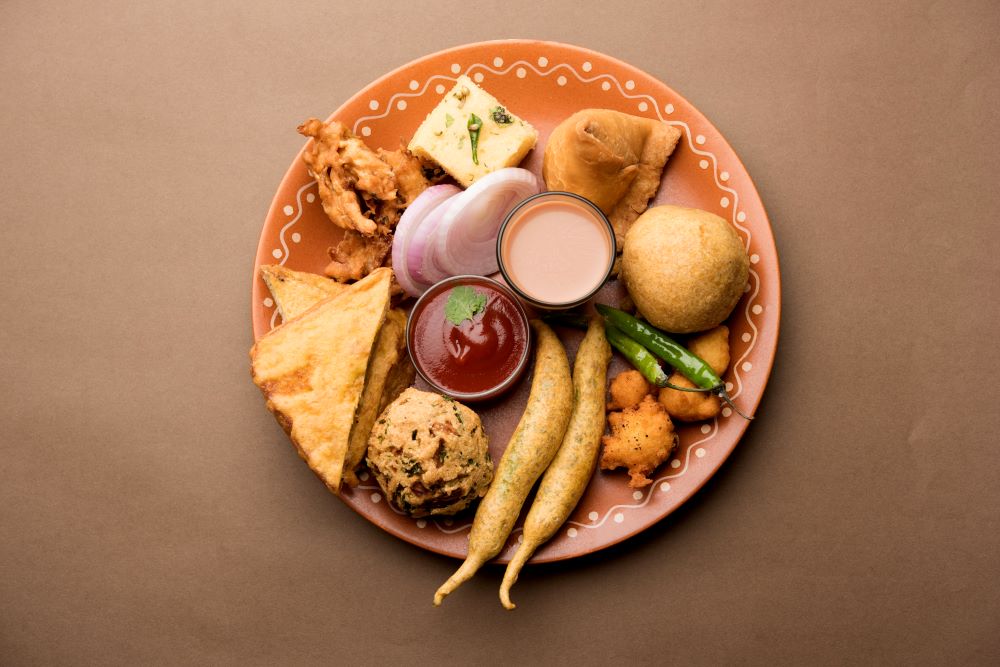
What is Junk Food?

10 Harmful Diseases Caused by Junk Food

What Are the Junk Foods That Cause Diseases?

Junk Food Description
Pakora Pakora involves dipping vegetables, meat, or fish into a spiced, chickpea-flour batter before deep-frying. Crispy in taste, it is very rich in unhealthy fats and calories through deep-frying.
Chole Bhature Chole Bhature is a North Indian dish that combines spicy chickpea curry (chole) with deep-fried bread (bhature). This food is dense in calories and fats, especially because it is deep-fried.
Bhujia A crispy, spiced snack prepared from gram-flour-based ingredients, including various seasonings, bhujia is used as a snack or accompaniment. It is high in sodium and fats because it is deep-fried.
Samosa Samosas are triangular rolled pastries filled with spiced potatoes, peas, and sometimes meat. They are then deep-fried until they turn gold, increasing their calorie and fat content.
Kachori Kachoris are spicy, stuffed pastries made of refined flour dough. They are deep-fried and stuffed with ingredients ranging from lentils to spiced potatoes. They are very dense in calories and full of unhealthy fats.
Patties Patties are savoury pastries stuffed with many ingredients, from spiced potatoes to minced meat, all embedded within a deep-fried flaky pastry shell.
Farsan Farsan is the name for a category of crispy, spicy snacks typical of Indian cuisine. These snacks are based on mixtures of fried lentils, nuts, and spices and are usually very high in calories, sodium, and fats.
Pani Puri This hollow, crispy puri is filled with a spicy mixture of tamarind water, potatoes, chickpeas, and spices. It is deep-fried and can contain high amounts of fat and unhealthy calories.
Vada Basically, it is a deep-fried savoury donut made from lentils or potatoes seasoned with spices. Being fried raises its calorie and fat content.
Diwali Snacks Diwali Snacks include an assortment of festival goodies, including sweetmeats and savouries. Most are deep-fried and made of rich ingredients, such as sugar and ghee.
Aloo Tikki Aloo Tikki is a spiced potato patty that is shallow-fried or deep-fried. It is usually served with chutneys, so it is high in unhealthy fats and calories.
Pav Bhaji Pav Bhaji is a dish of spiced, mashed, mixed vegetables usually served with buttered bread rolls. It is cooked using generous quantities of butter or oil, which increases its energy and fat content.
Dosa Though basically made from rice and lentils, some varieties of Dosas, particularly those served with generous amounts of ghee or oil, are surely a bomb of fats.
Idli Idli is steamed rice and lentil cakes that are generally considered healthier, but those served with fried accompaniments or rich coconut chutneys can be high in calories and fats.
Cheese Burst Pizza At many places, cheese burst pizza comes loaded with various toppings and extra cheese melted into the crust. It is dense in calories, saturated fats, and sodium.
Kathi Roll Kathi rolls are paratha-based wraps stuffed with spiced meats, vegetables, and sauces. They are high in calories and fat, particularly if the paratha is made with too much oil or ghee.
Chaat This term is used for spicy, sour street food snacks, like aloo chat and papri chaat. These are also high-fat foods that are largely fried for their preparation.
Bhajiya Bhajiya is distinguished from pakoras in that while it can be made from many different vegetables, it is also deep-fried in a spiced batter. Hence, it is high in fat and consequently calorific.

What Are the Harmful Effects of Disease Caused by Junk Food?

Signs and Symptoms of Diseases Caused by Junk Food

Risk Factors Associated With Diseases Caused by Junk Food

Dietary changes must be combined with increased physical activity and sometimes medical intervention, all tailored to individual health needs and circumstances, in treating risk factors. Some common risk factors are contained in the table that follows:
Risk Factors Description
High Caloric Intake Excessive intake of empty calories through fast foods causes an energy imbalance. Obese conditions increase the risks of CVDs, T2D, and certain types of cancer.
Excessive Sugar Consumption chronic intake of high sugar can lead to dental problems like caries and periodontal disease while also being a factor in metabolic syndrome and fatty liver diseases.
High Saturated and Trans Fats Saturated and, certainly, trans-fatty acids augment the quantity of low-density lipids in the blood, which settles along the arteries, raising the risk for heart disease, stroke, and blood pressure.
Low Nutrient Density Junk food fails to provide essential nutrients that might impair immune function, bone health, and cognitive abilities. Long-term deficiencies can result in anaemia, osteoporosis, etc.
Frequent Consumption If taken regularly, junk food often means chronic overexposure to unhealthy ingredients that lead to continuous high levels of blood sugar, cholesterol, and blood pressure.
Sedentary Lifestyle Sedentary behaviour exposes people to developing or dying from heart diseases, type 2 diabetes, and different cancers. It leads to loss of muscle and contributes to poor cardiovascular fitness.
Genetics Those who eat a lot of junk food regularly have an increased risk of heart disease, diabetes, and obesity if the person has a family history of one or more of these conditions.
Age Metabolism slows down with age. Therefore, excess calories and fats can no longer be digested effectively. Due to a poor diet, people become more prone to chronic diseases with age.
Socioeconomic Factors Poorer areas of towns could have fewer fresh and healthy food vendors. It can result in consuming more cheap, 'junk' food, creating a cycle of poor diet and health inequalities.

How to Diagnose Diseases Caused by Junk Food?

Diagnosing diseases caused by junk food involves a combination of medical history, physical examinations, and diagnostic tests. Here’s how healthcare providers approach the diagnosis:

Diagnosis Description
Dietary Assessment Detailed inquiries about eating habits, frequency of junk food consumption, and diet quality. Discuss symptoms like fatigue, weight changes, digestive issues, or mood swings.
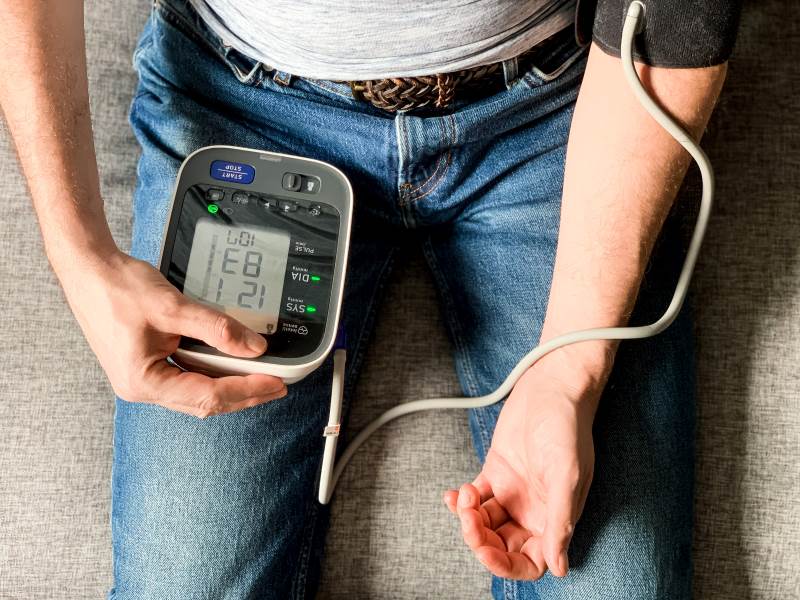
Physical Examination Monitoring weight, body mass index (BMI), and waist circumference to assess obesity. Checking blood pressure, heart rate, and general physical condition.
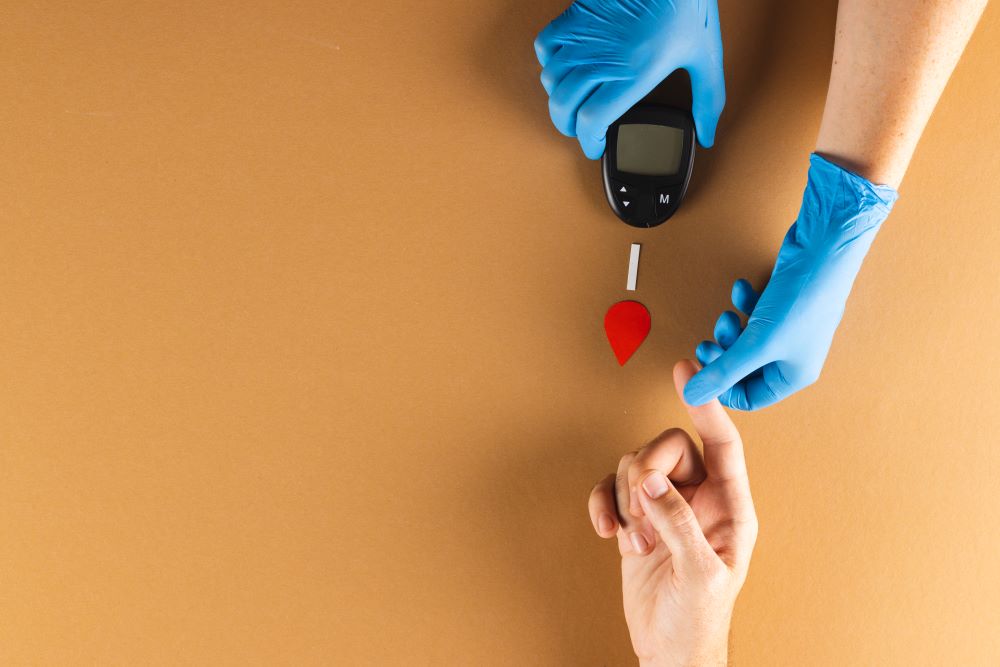
Laboratory Tests Blood Tests: Evaluating levels of glucose (to check for diabetes), cholesterol, triglycerides, and other markers of metabolic health.
Lipid Profile: Measuring LDL and HDL cholesterol levels to assess cardiovascular risk.
Nutrient Levels: Testing for deficiencies in vitamins and minerals, such as vitamin D or iron.
Imaging Studies Ultrasound or CT Scans: Used to assess for fatty liver disease or other internal conditions.
X-rays or MRIs: In some cases, imaging is used to investigate structural changes related to obesity or other health issues.
Specialised Tests Oral Glucose Tolerance Test: This test diagnoses diabetes or insulin resistance.
Electrocardiogram (ECG): To detect heart abnormalities related to cardiovascular diseases.
Biopsy or Endoscopy Endoscopy: This is used to evaluate digestive tract issues and determine if there are persistent symptoms.
Biopsy: In cases where a more detailed examination of tissue is needed, such as for liver damage.

Treatment Methods for Diseases Caused by Junk Food

Treatment methods for diseases caused by junk food focus on lifestyle changes, medical management, and sometimes surgical interventions. Here’s a detailed overview:

Methods Description
Dietary Changes Incorporate more fruits, vegetables, whole grains, lean proteins, and healthy fats, and reduce intake of processed foods, sugars, and unhealthy fats. Manage portion sizes to avoid overeating.
Physical Activity Engage in at least 150 minutes of moderate-intensity aerobic and muscle-strengthening activities weekly. Incorporate walking or cycling into daily routines.
Medical Management Take medications for high blood pressure, high cholesterol, or diabetes. Monitor blood sugar, cholesterol levels, and other health markers to manage and adjust treatment.
Behavioural Therapy Work with a dietitian or counsellor to address emotional eating, develop healthier eating habits, and set realistic goals. Join groups for support from others facing similar health challenges.
Education and Awareness Learn about balanced diets, portion control, and the nutritional value of different foods. Understand the long-term effects of junk food on health and the importance of lifestyle changes.
Surgical Interventions For severe obesity, options like bariatric surgery are considered when other methods have not been effective. With severe digestive complications, surgical options may be necessary.
Lifestyle Modifications Techniques like mindfulness, meditation, and relaxation exercises help manage stress and prevent emotional eating. Ensure quality sleep, as poor sleep can affect metabolism and appetite.
Regular Check-ups Regular visits to healthcare providers for monitoring and early detection of potential health issues help identify diseases related to junk food eating habits.

Effective treatment usually involves a multidisciplinary approach, integrating dietary changes, physical activity, medical management, and psychological support to address junk food's health impacts comprehensively.

What Are the Preventive Measures to Control Disease Caused by Junk Food?

Measures Description
Planning Ahead The best way to avoid junk food is to plan your meals beforehand. Try to incorporate healthy meals and snacks into your daily diet.
Shop from the Perimeters When shopping in a grocery store, purchase the products from different sections marked as dairy, meat, fish, vegetables, fruits, eggs, etc. These sections usually contain more real foods than processed foods. If you start incorporating these into your diet, the cravings for junk foods will gradually decrease, and so will the odds of diseases caused by junk food.
Consume Healthy Fats Incorporating healthy fats like monounsaturated and polyunsaturated fats will help your stomach feel full and avoid cravings for junk foods.
Eat More Protein Protein-rich foods like fish, beans, green leafy vegetables, nuts, and many more make you feel full and decrease the desire to have junk foods.
Stress Management If you have the tendency to stress-eat, consider practising stress management tools like running or walking, yoga, meditating, and creative activities like painting or writing.
Hydration Drink plenty of water throughout the day. Sometimes, thirst can be mistaken for hunger, leading to unnecessary snacking. Drink coconut water or other healthy drinks.
Mindful Eating Pay attention to what you're eating and savour each bite. Avoid eating while distracted, which can lead to overeating. Eat only as much as you need.
Regular Physical Activity Engage in regular exercise, like walking, running, or strength training. Exercise helps manage weight, reduces stress, and improves overall health.
Portion Control Be mindful of portion sizes. Using smaller plates or bowls can help control portions and prevent overeating. Eat slowly, chewing your food well.
Healthy Snacking Keep healthy snacks like fruits, nuts, and yoghurt on hand to avoid reaching for junk food. Snack on these items to avoid eating junk.
Read Labels Check nutrition labels for hidden sugars, unhealthy fats, and high sodium content. Choose products with minimal processed ingredients.
Prepare Meals at Home Cooking at home allows you to control the ingredients and reduce the intake of unhealthy additives and fats in processed foods.
Set Realistic Goals Gradually change your diet and lifestyle to ensure long-term success and avoid feeling overwhelmed. Eat healthier versions of junk food when you feel like it.

Does Health Insurance Cover Disease Caused by Junk Food?

FAQs about Diseases Caused by Junk Food

What are the types of cancer that you can get if you eat junk foods?

up-arrow

Eating junk foods can cause certain cancers like colon, gallbladder and kidney cancer.

Eating junk foods can cause certain cancers like colon, gallbladder and kidney cancer.

Can consuming junk food lead to acne breakout?

up-arrow

Junk food items are typically rich in calories, fat and refined carbohydrates. Consuming such food on a regular basis might increase the risk of developing acne.

Junk food items are typically rich in calories, fat and refined carbohydrates. Consuming such food on a regular basis might increase the risk of developing acne.

How may diseases be brought on by consuming junk food?

up-arrow

Junk food is deficient in vital nutrients, leading to poor nutrition, reduced immunity, and increased vulnerability to illnesses and infections.

Junk food is deficient in vital nutrients, leading to poor nutrition, reduced immunity, and increased vulnerability to illnesses and infections.

What steps can you take to avoid junk food's negative effects?

up-arrow

Here are the five techniques to cut out junk food from your diet: Consume Frequently to Avoid Being Overly Hungry.  Prioritise drinking water and cut out sugar-sweetened beverages.  Snack on nutrient-dense, low-calorie foods.  Recognise Your Stressors and  Get Enough Sleep. 

Here are the five techniques to cut out junk food from your diet:

  • Consume Frequently to Avoid Being Overly Hungry. 
  • Prioritise drinking water and cut out sugar-sweetened beverages. 
  • Snack on nutrient-dense, low-calorie foods. 
  • Recognise Your Stressors and 
  • Get Enough Sleep. 

What dangers does fast food pose to your health?

up-arrow

Weight gain may result from eating too many calories from fast food. Obesity may result from this. Breathlessness and other respiratory issues, such as asthma, are more likely to occur in obese people.

Weight gain may result from eating too many calories from fast food. Obesity may result from this. Breathlessness and other respiratory issues, such as asthma, are more likely to occur in obese people.

What types of cancer are associated with eating junk food?

up-arrow

Junk food consumption has been linked to increased risks of cancers such as colon, gallbladder, and kidney cancer. High levels of processed meats and refined sugars in junk food contribute to this increased risk.

Junk food consumption has been linked to increased risks of cancers such as colon, gallbladder, and kidney cancer. High levels of processed meats and refined sugars in junk food contribute to this increased risk.

Can eating junk food lead to heart disease?

up-arrow

Yes, junk foods high in saturated fats, trans fats, and cholesterol can contribute to heart disease. These components can lead to plaque buildup in arteries, increasing the risk of heart attacks.

Yes, junk foods high in saturated fats, trans fats, and cholesterol can contribute to heart disease. These components can lead to plaque buildup in arteries, increasing the risk of heart attacks.

Does junk food contribute to obesity?

up-arrow

Yes, junk food, often high in calories and low in nutrients, contributes to obesity. Consuming high-calorie foods without adequate physical activity leads to weight gain and fat accumulation.

Yes, junk food, often high in calories and low in nutrients, contributes to obesity. Consuming high-calorie foods without adequate physical activity leads to weight gain and fat accumulation.

How does junk food affect blood sugar levels?

up-arrow

Junk food high in refined sugars and carbohydrates can lead to spikes in blood sugar levels and increase the risk of type 2 diabetes. Frequent fluctuations in blood sugar can impair insulin sensitivity over time.

Junk food high in refined sugars and carbohydrates can lead to spikes in blood sugar levels and increase the risk of type 2 diabetes. Frequent fluctuations in blood sugar can impair insulin sensitivity over time.

Can junk food lead to high blood pressure?

up-arrow

Yes, many junk foods are high in sodium, which can contribute to high blood pressure. Excessive sodium intake causes the body to retain water, increasing blood volume and pressure.

Yes, many junk foods are high in sodium, which can contribute to high blood pressure. Excessive sodium intake causes the body to retain water, increasing blood volume and pressure.

Does regular consumption of junk food impact mental health?

up-arrow

Yes, some studies suggest a link between junk food consumption and increased risks of depression and anxiety. Nutrient deficiencies and imbalances caused by poor diet may affect brain function and mood.

Yes, some studies suggest a link between junk food consumption and increased risks of depression and anxiety. Nutrient deficiencies and imbalances caused by poor diet may affect brain function and mood.

How does junk food affect liver health?

up-arrow

Frequent junk food consumption can lead to non-alcoholic fatty liver disease due to high fat and sugar content. This condition can progress to more serious liver problems if not addressed.

Frequent junk food consumption can lead to non-alcoholic fatty liver disease due to high fat and sugar content. This condition can progress to more serious liver problems if not addressed.

Can junk food contribute to digestive problems?

up-arrow

Yes, junk food's low fibre content can lead to digestive issues such as constipation. A lack of fibre disrupts normal bowel movements and gut health.

Yes, junk food's low fibre content can lead to digestive issues such as constipation. A lack of fibre disrupts normal bowel movements and gut health.

Does eating junk food affect bone health?

up-arrow

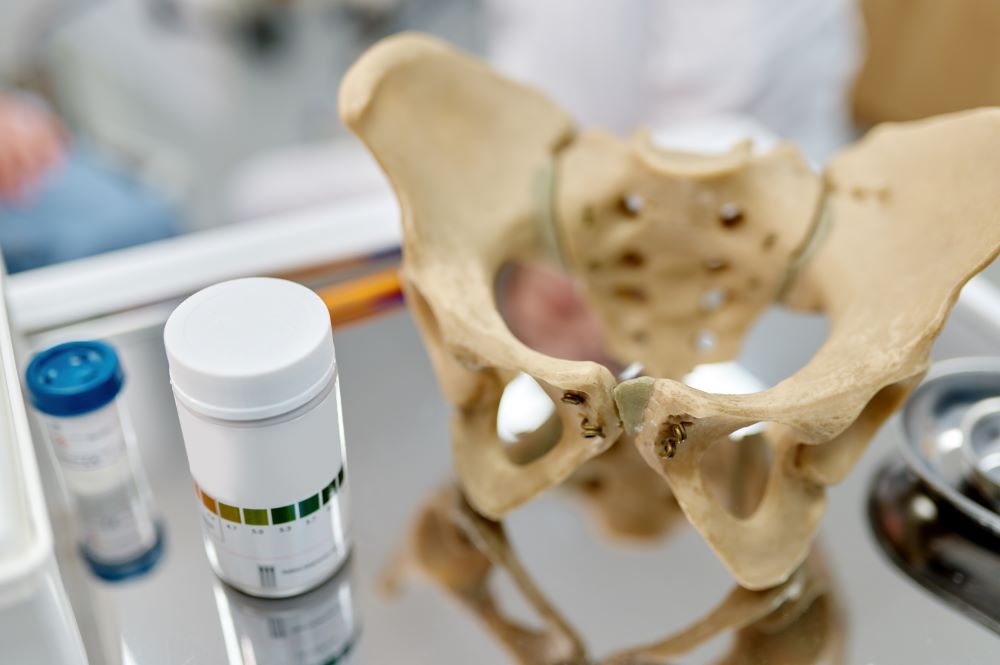
Yes, junk foods often lack essential nutrients like calcium and vitamin D, negatively impacting bone health. Insufficient intake of these nutrients can lead to weakened bones and an increased risk of fractures.

Yes, junk foods often lack essential nutrients like calcium and vitamin D, negatively impacting bone health. Insufficient intake of these nutrients can lead to weakened bones and an increased risk of fractures.

Can junk food lead to poor skin health?

up-arrow

Yes, junk food high in fats and sugars can contribute to acne and other skin issues. These foods can cause inflammation and hormonal imbalances that negatively affect skin appearance.

Yes, junk food high in fats and sugars can contribute to acne and other skin issues. These foods can cause inflammation and hormonal imbalances that negatively affect skin appearance.

Does junk food increase the risk of stroke?

up-arrow

Yes, high levels of saturated fats, trans fats, and cholesterol in junk food can raise the risk of stroke. These dietary factors contribute to the narrowing and hardening of blood vessels.

Yes, high levels of saturated fats, trans fats, and cholesterol in junk food can raise the risk of stroke. These dietary factors contribute to the narrowing and hardening of blood vessels.

How does junk food affect your immune system?

up-arrow

Junk food can impair the immune system by providing poor nutrition and increasing inflammation. A weakened immune system can reduce the body's ability to fight infections and diseases.

Junk food can impair the immune system by providing poor nutrition and increasing inflammation. A weakened immune system can reduce the body's ability to fight infections and diseases.

Can consuming junk food affect your sleep patterns?

up-arrow

Yes, high sugar and caffeine in some junk foods can disrupt sleep patterns. Disrupted sleep can lead to various health problems, including decreased cognitive function and mood disorders.

Yes, high sugar and caffeine in some junk foods can disrupt sleep patterns. Disrupted sleep can lead to various health problems, including decreased cognitive function and mood disorders.

Can junk food lead to vitamin and mineral deficiencies?

up-arrow

Yes, junk food typically lacks essential vitamins and minerals, leading to potential deficiencies. This can affect overall health and increase susceptibility to various diseases.

Yes, junk food typically lacks essential vitamins and minerals, leading to potential deficiencies. This can affect overall health and increase susceptibility to various diseases.

Can junk food affect reproductive health?

up-arrow

Yes, poor nutrition from junk food can negatively impact reproductive health by affecting hormone levels and overall health. This may lead to issues such as irregular menstrual cycles and reduced fertility.

Yes, poor nutrition from junk food can negatively impact reproductive health by affecting hormone levels and overall health. This may lead to issues such as irregular menstrual cycles and reduced fertility.