General
Life
Accessibility Options


General

General Products
Simple & Transparent! Policies that match all your insurance needs.
 Car Insurance
 Two Wheeler Insurance
 Commercial Vehicle Insurance
 Health Insurance
 Home Insurance
 Travel Insurance
 Business Insurance
Car Insurance
Two Wheeler Insurance
Commercial Vehicle Insurance
Health Insurance
Travel Insurance
Business Insurance
Car Insurance
Two Wheeler Insurance
Commercial Vehicle Insurance
Health Insurance
Travel Insurance



Scan to download

Life

Life Products
Digit Life is here! To help you save & secure your loved ones' future in the most simplified way.
 Term Life
 Savings Plan
 Retirement and Pension Plans
 Group Life Products
 Product Documents
Term Life
Savings Plan
Retirement and Pension Plans
Group Life Products
Product Documents
Term Life
Savings Plan
Retirement and Pension Plans
Group Life Products

Scan to download

Claims
Claims
We'll be there! Whenever and however you'll need us.
 Customer Support
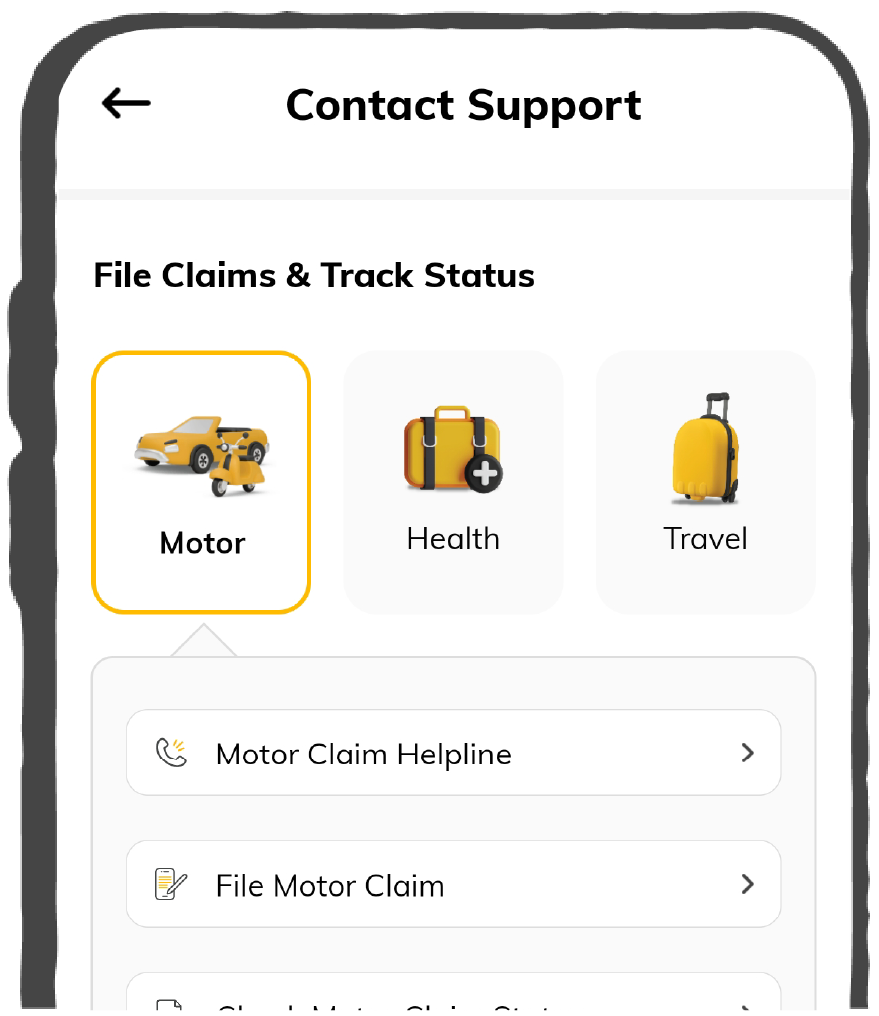
 Motor Claims
Health Claims
Motor Claims
Health Claims
 Marine Insurance
 Grievance Redressal
Customer Support
Motor Claims
Health Claims
Marine Insurance
Grievance Redressal
Grievance Redressal
Customer Support
Motor Claims
Health Claims
Marine Insurance
Grievance Redressal
Scan to download
 General
 Life
General
Life
Life
General
Life
Renewals
Resources

Resources
All the more reasons to feel the Digit simplicity in your life!
Exclusive Features
 Transparency Report
Others
Exclusive Features
Transparency Report
Transparency Report
Others
Exclusive Features
Transparency Report
Scan to download


Our WhatsApp number cannot be used for calls. This is a chat only number.

 Grey Scale
 Readable Text
 Reset
Reset



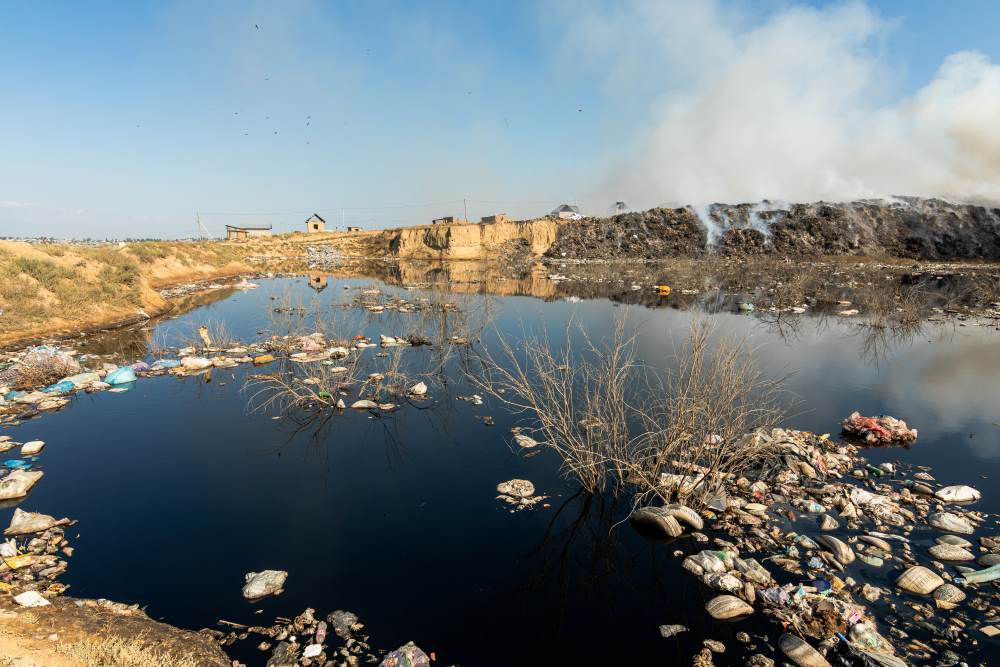
Water-borne pathogens and related diseases are an alarming public health concern at present. In India it is estimated that around 37.7 million people are affected by diseases caused by water pollution annually, and 1.5 million children meet tragic ends due to diarrhoea.
Safe and readily available water is salient for public health and hygiene. The shortage of clean water, inadequate sanitation, and subpar environmental status contribute to the rapid transmission of water-borne diseases.

Table of Contents

Water pollution occurs when pollutants interact with water bodies. When people use contaminated water for irrigation or drinking, water-borne illnesses spread. Water pollution diminishes the ecological services that the water resource provides, like drinking water.
Hepatitis A, typhoid, polio, diarrhoea, dysentery, and cholera are among the illnesses that can spread due to contaminated water and inadequate sanitation. When water and sanitation facilities are insufficient, mismanaged, or nonexistent, people are exposed to avoidable health hazards.
Contaminants in water can originate from various sources. However, the primary sources are agriculture, including fertilisers, human and animal waste, etc. Runoff and floods brought on by storm surges, downpours, and unanticipated increases in hurricane rainfall further increase the dangers of pollution.
It can contaminate water when nutrients like phosphorus and nitrogen seep into groundwater, coastal waterways, and surface waters from residential, commercial, and urban sectors. Chemical runoff from manufacturing and industrial sectors contaminates drinking water. Toxic metals and naturally present diseases can seep into groundwater supplies.
Contaminated water is responsible for the occurrence of several contagious diseases. Acute diseases caused due to water pollution are as follows:
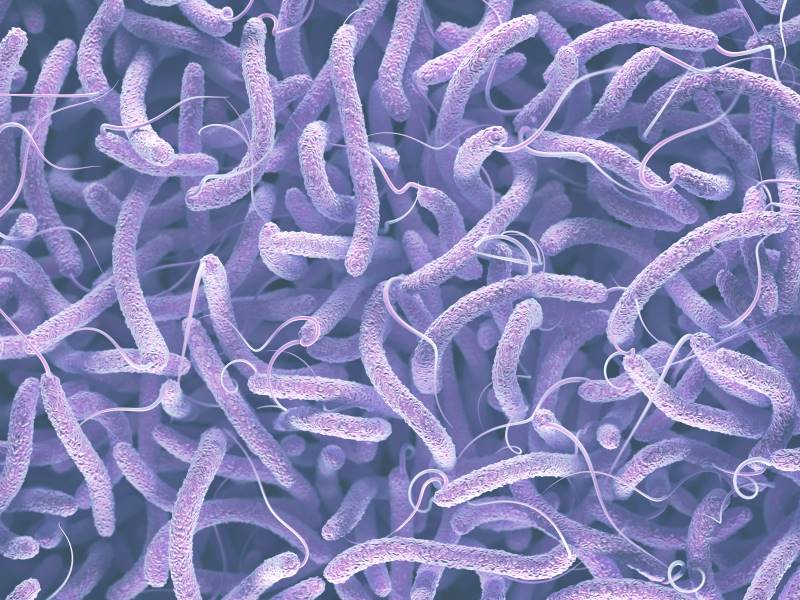
Cholera is a grave intestinal tract infection caused by the strains of the bacterium vibrio cholera. According to WHO, around 4 million cholera cases are reported every year.
The symptoms of this disease include severe diarrhoea, which results in dehydration and electrolyte imbalance. It spreads by drinking unsafe water and contaminated food. Undercooked seafood is also a source from which the disease can spread.
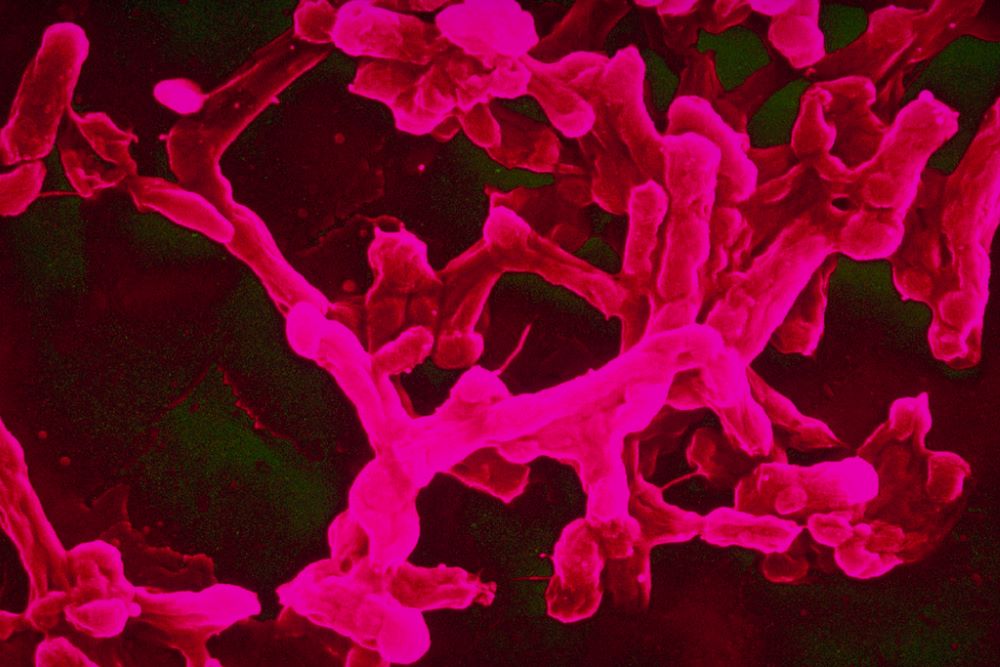
Also known as typhoid fever, typhoid is one of the common water pollution diseases, caused by salmonella typhi bacteria. It is common in rural parts of the country with inadequate personal hygiene and sanitation.
Symptoms include gradual onset of fever accompanied by weakness, constipation, abdominal pain, headaches, mild vomiting, loss of appetite etc. People also develop skin rashes known as “rose-spots”. Besides, typhoid can have severe consequences if proper treatment is not provided. The disease transmits from the urine and faeces of the affected individual.
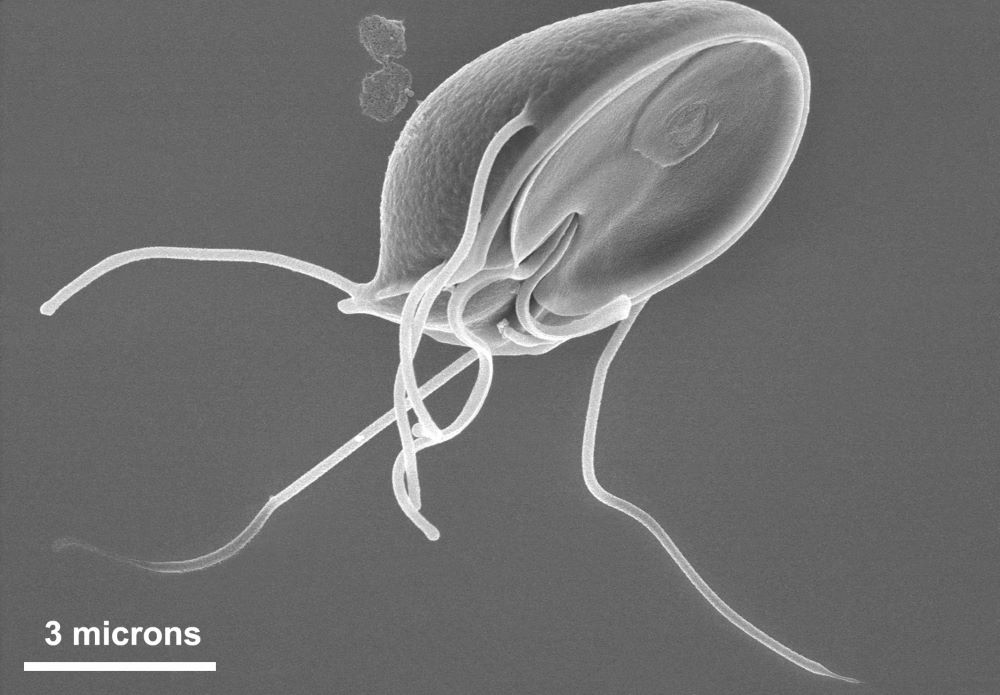
It is a threatening disease resulting from contaminated water and is caused due to the presence of a water-borne pathogen known as Giardia Lamblia. This disease mainly affects the small intestine. It results from the consumption of infected or raw food or water. It is one of the most common diseases caused by water pollution, especially in areas with a lack of sanitation.
10% of the population do not acquire any symptoms; however, those who experience symptoms suffer from diarrhoea, weight loss, blood in stool, and other complexities.
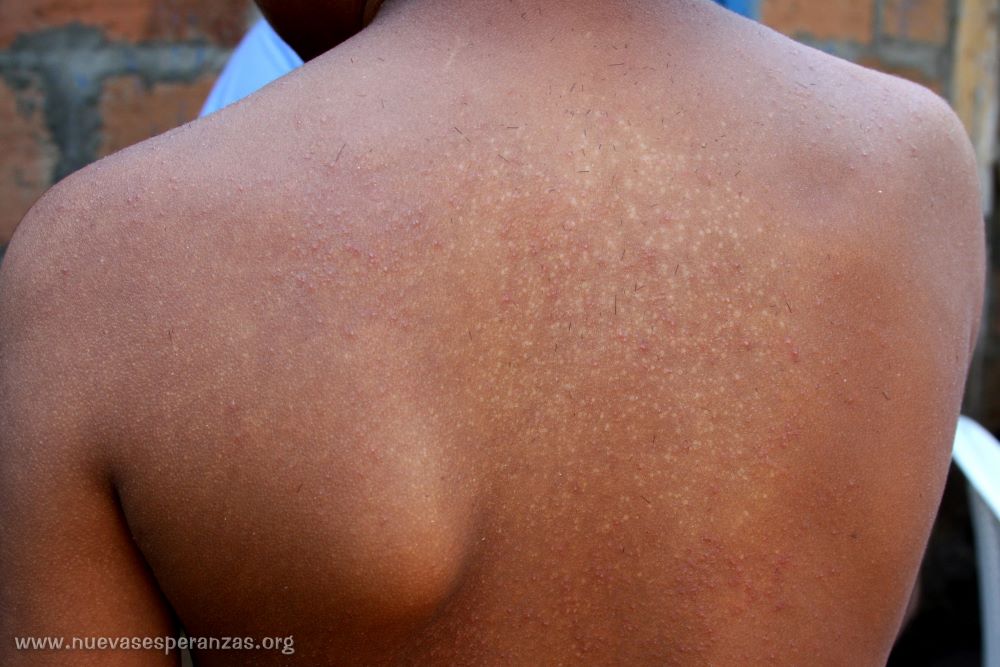
Arsenicosis is a disease caused by water pollution. It is also known as arsenic poisoning and occurs due to the excessive level of arsenic in the body, resulting from the chronic consumption of contaminated water. The groundwater contaminates naturally, sometimes due to prolonged mining, smelting etc.
The symptoms include encephalopathy, diarrhoea, vomiting. Furthermore, with long term exposure, one can develop symptoms like abdominal pain, heart disease etc.
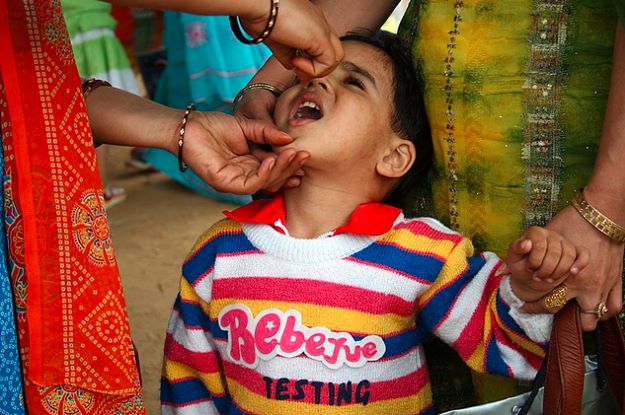
Poliomyelitis, commonly known as polio, is one of the dangerous diseases caused by water pollution. It affects the central nervous system resulting in flaccid paralysis and spreads through water contaminated with faeces of the infected individual and less likely from the infected saliva.
The disease makes the body muscles extremely weak. People without vaccine doses are susceptible to the disease.
Other diseases spread through water pollution are Dracunculiasis, Norovirus, Rotavirus, Cyclosporiasis, Hepatitis, Fascioliasis etc.
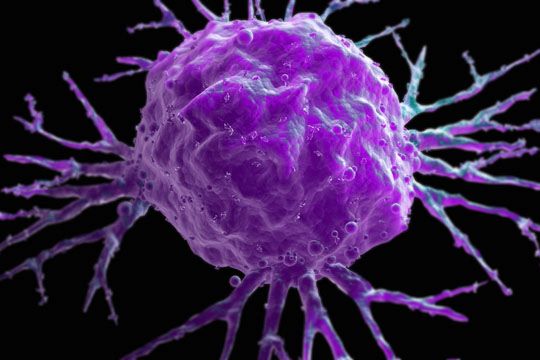
Consuming water contaminated by chemicals such as methyl tert-butyl ether (MTBE) and chlorinated solvents raises the chance of developing cancer. The chemicals can harm DNA and result in cancerous tumours because they are carcinogenic.
In addition to increasing the risk of cancer, exposure to chemicals like methyl tert-butyl ether (MTBE) and chlorinated solvents through contaminated water can have other adverse health effects.
Lead can find its way into drinking water systems by releasing hazardous compounds into water systems or through ageing pipes and soldiers. When consumed, the metal can result in lead poisoning in people, which is one of the dangerous illnesses brought on by contaminated water.
Lead poisoning is particularly dangerous because lead accumulates in the body over time, leading to severe health consequences. It can cause developmental delays, learning difficulties, and behavioural problems in children. In adults, lead poisoning can result in hypertension, kidney damage, and reproductive issues.
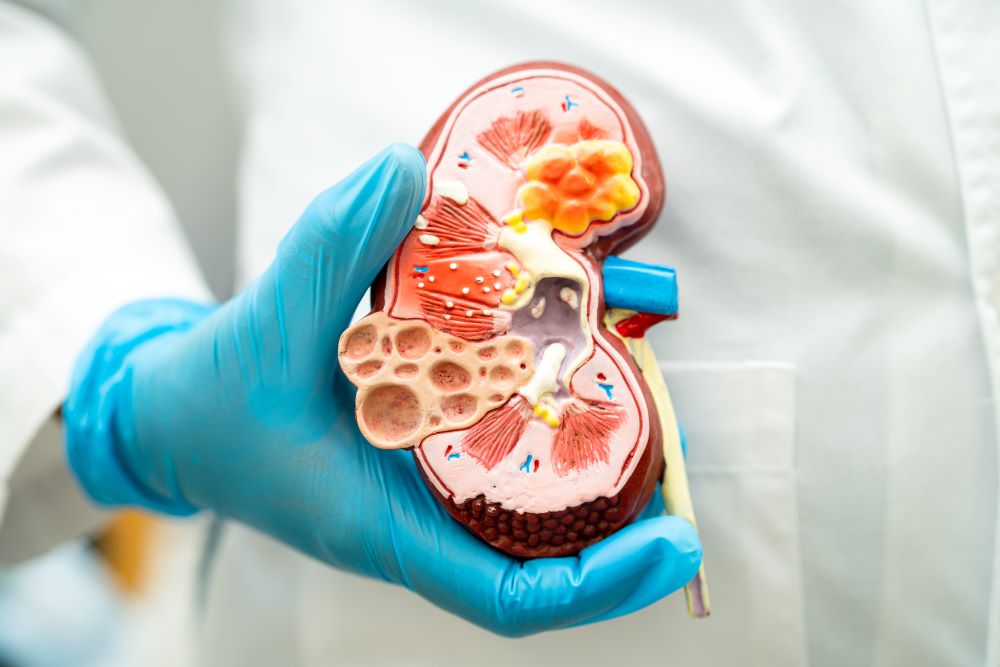
There are instances where drinking water tainted with chemical contaminants might cause damage to the kidneys and liver. Two main culprits are chemical pollutants, MTBE, and chlorinated solvents. These contaminants are linked to renal failure, liver inflammation, liver failure, and kidney stone production.
In pregnant women, lead can cross the placental barrier, potentially harming the developing fetus and leading to premature birth, low birth weight, or developmental problems.
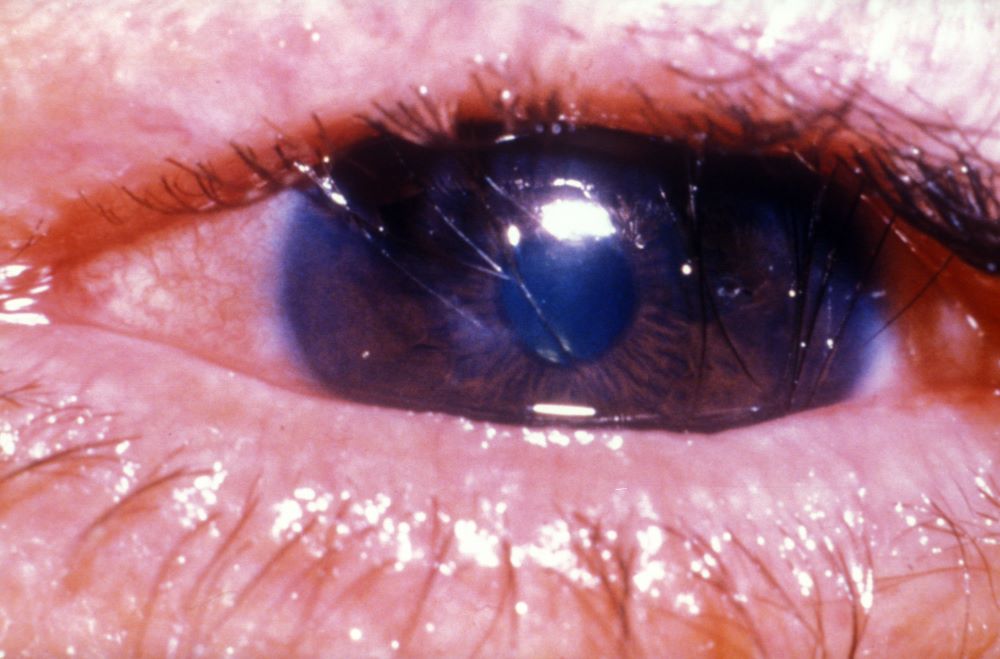
Eye infections, known as trachoma, are caused by poor hygiene and sanitation due to poor access to clean water. It primarily affects women and children. In addition, the disease has caused blindness in over six million people globally.
Trachoma is a leading cause of infectious blindness, and it is endemic in many parts of the world where access to clean water, sanitation, and hygiene is limited. Repeated infections lead to scarring of the inner eyelid, which can cause the eyelashes to turn inward and scratch the cornea, resulting in pain, vision impairment, and eventually blindness if untreated.
Other diseases spread through water pollution are Dracunculiasis, Norovirus, Rotavirus, Cyclosporiasis, Hepatitis, Fascioliasis, etc.
The introduction of undesirable substances in the water that alters the normal water concentration causes water pollution. Generally, two major categories of pollutants contaminate water:
In addition to these contaminants, industries and individuals dump other hazardous water pollutants, including faecal waste, plastics, and radioactive elements, in the water body. The sources of coastal water contamination include oil spills.
Most water-borne diseases affect the digestive system, leading to severe diarrhoea and poisoning episodes. Kidney damage and neurological problems are also pertinent. The nervous system damages when exposed to chemicals like DDT. Chemicals in water destroy the ability to breed and tamper with the immunity system.
Chemicals like perchlorate knock down the thyroid system. Escalating water pollution is the breeding ground for malaria-carrying mosquitoes.
Furthermore, many serious ailments occur with bathing in contaminated water like pink eyes, rashes, etc.
Contaminated water is toxic to both humans and the environment. It is the outcome of the faecal-oral route of infection. Regular consumption of infected water is hazardous for even the respiratory system and also causes cardiovascular diseases. Overall, water pollution and diseases related to it are an alarming issue in this era.
In India, around 80% of stomach ailments result from insufficient clean water and inadequate sanitation.
Diseases caused by polluted water is directly related to environmental deterioration and degradation.
Diseases caused by water pollution can manifest in various ways, depending on the specific pathogen or contaminant involved. Here are some common symptoms associated with these diseases:
Symptoms can vary widely and may sometimes overlap with other health conditions. It’s essential to seek medical advice for proper diagnosis and treatment.
The rapid growth of population and industrialisation contributes to the entire equation of water pollution. Millions of people face the wrath of the diseases caused by drinking polluted water.
Diagnosing diseases caused by water pollution involves several steps, including clinical evaluation and laboratory tests. Here’s a general approach to the diagnostic process:
These steps help diagnose waterborne diseases accurately and determine the appropriate treatment.
Treatment for diseases caused by water pollution typically involves addressing both the symptoms and the underlying infection or contamination. Here’s a breakdown of standard treatment methods:
Treatment plans are tailored to the specific disease, the severity of symptoms, and the individual patient’s needs. Consult a healthcare professional for an accurate diagnosis and appropriate treatment.
Government plays a vital role in curbing diseases caused by water pollution by improving the availability of clean drinking water and sanitation. Individuals can prevent several water-borne infections by ensuring their drinking water comes from a fresh source and generating awareness about different water treatment methods like filtration and disinfection. However, there are several ways to prevent various diseases caused by water pollution:
There are many other measures to curb harmful water pollutants, thereby reducing the rapid growth of diseases due to water pollution and saving humanity from the outrageous consequences of diseases.
Health insurance coverage for diseases caused by water pollution can vary based on the policy's specifics and the disease's nature. Generally, health insurance covers medical expenses associated with various conditions and illnesses, including environmental factors like water pollution. However, the extent of coverage may depend on several factors, including the type of policy, the particular disease, and local regulations.
Some insurance plans have limitations or exclusions regarding conditions caused by environmental issues. Therefore, it is crucial to carefully review your insurance policy and consult with your provider to understand how your plan addresses health issues related to water pollution.
Implementing stricter regulations on industrial discharges, investing in advanced water treatment technologies, and promoting public awareness about pollution prevention can significantly enhance these efforts. Additionally, encouraging community-based clean-up initiatives, improving waste management practices, and supporting research on sustainable practices can further mitigate environmental impacts and safeguard public health.