General
Life
Accessibility Options


General

General Products
Simple & Transparent! Policies that match all your insurance needs.
 Car Insurance
 Two Wheeler Insurance
 Commercial Vehicle Insurance
 Health Insurance
 Home Insurance
 Travel Insurance
 Business Insurance
Car Insurance
Two Wheeler Insurance
Commercial Vehicle Insurance
Health Insurance
Travel Insurance
Business Insurance
Car Insurance
Two Wheeler Insurance
Commercial Vehicle Insurance
Health Insurance
Travel Insurance



Scan to download

Life

Life Products
Digit Life is here! To help you save & secure your loved ones' future in the most simplified way.
 Term Life
 Savings Plan
 Retirement and Pension Plans
 Group Life Products
 Product Documents
Term Life
Savings Plan
Retirement and Pension Plans
Group Life Products
Product Documents
Term Life
Savings Plan
Retirement and Pension Plans
Group Life Products

Scan to download

Claims

Claims
We'll be there! Whenever and however you'll need us.
 Customer Support
 Motor Claims
Health Claims
Motor Claims
Health Claims
 Marine Insurance
 Grievance Redressal
Customer Support
Motor Claims
Health Claims
Marine Insurance
Grievance Redressal
Grievance Redressal
Customer Support
Motor Claims
Health Claims
Marine Insurance
Grievance Redressal

Scan to download
 General
 Life
General
Life
Life
General
Life
Renewals
Resources

Resources
All the more reasons to feel the Digit simplicity in your life!
Exclusive Features
 Transparency Report
Others
Exclusive Features
Transparency Report
Transparency Report
Others
Exclusive Features
Transparency Report
Scan to download


Our WhatsApp number cannot be used for calls. This is a chat only number.

 Grey Scale
 Readable Text
 Reset
Reset



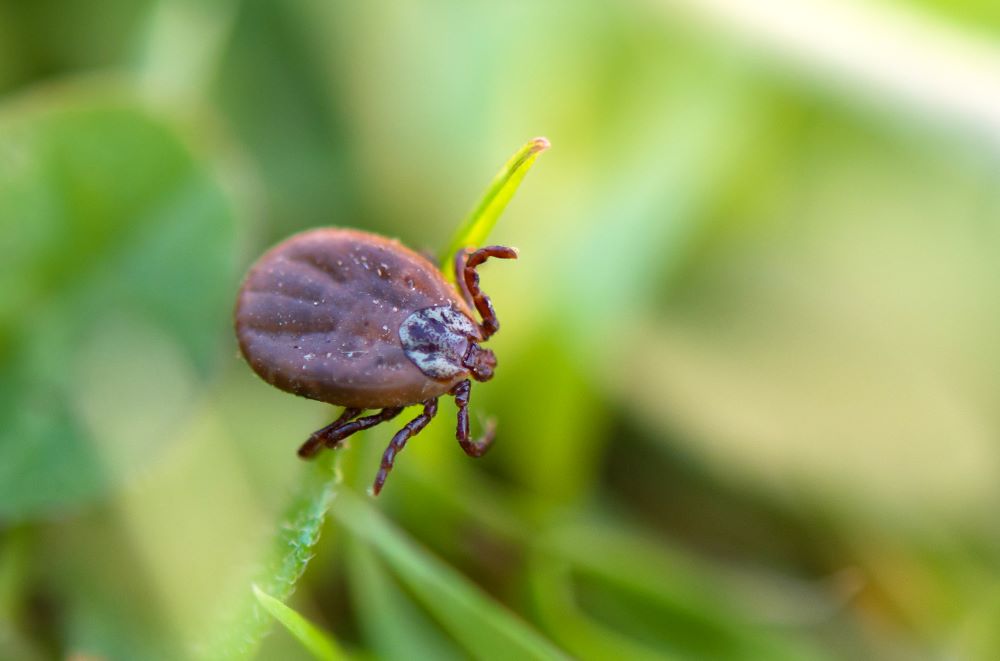
Parasitic infections are a major concern in tropical and sub-tropical areas across the world. These types of infections can spread through contaminated water, food, a waste product, blood and many other ways.
Want to know more about diseases caused by parasites? Read the following section to understand parasitic infection, causes, symptoms, and treatment.

Table of Contents

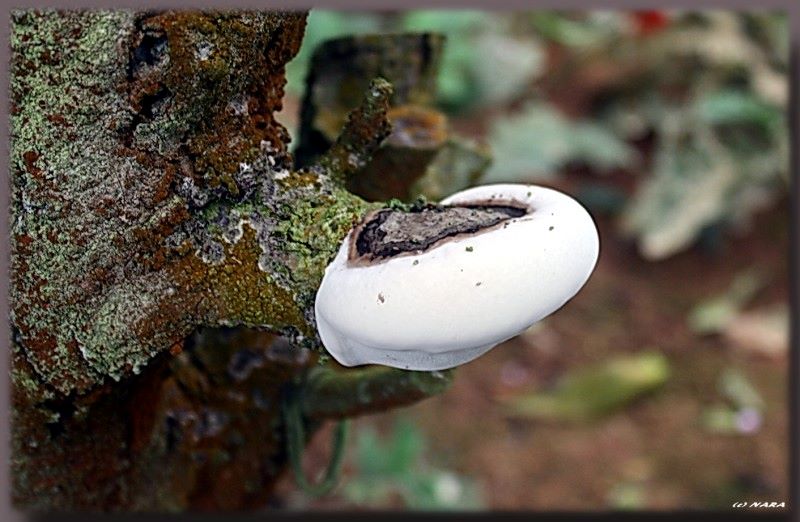
Parasites are organisms that live on or inside an organism (host) and survive at the host’s expense. It means parasites benefit from the host by getting nutrients for their survival.
Parasites can be of different sizes, such as microscopic or large enough to be seen through naked eyes. These parasites can grow, breed, and infect other organs, leading to parasitic infection and, in worst cases, sepsis.
Sepsis can occur from infections such as urinary tract infection and pneumonia. A report says one-third of the population (globally) who have sepsis die. Those who survive suffer from life-changing organ malfunction, post-traumatic stress disorder (PTSD), or amputation.
Now that the basic definition of parasitic infection is clear to individuals let’s focus on causes, symptoms, risk factors, treatment, prevention and other areas.
Parasitic infections originate from organisms that inhabit or reside within a host body, which mostly cause various health problems. Such cases of infection can be transmitted through the following:
Parasitic diseases in humans are those caused by parasites infecting the body and resulting in various health problems. Common parasitic diseases include:
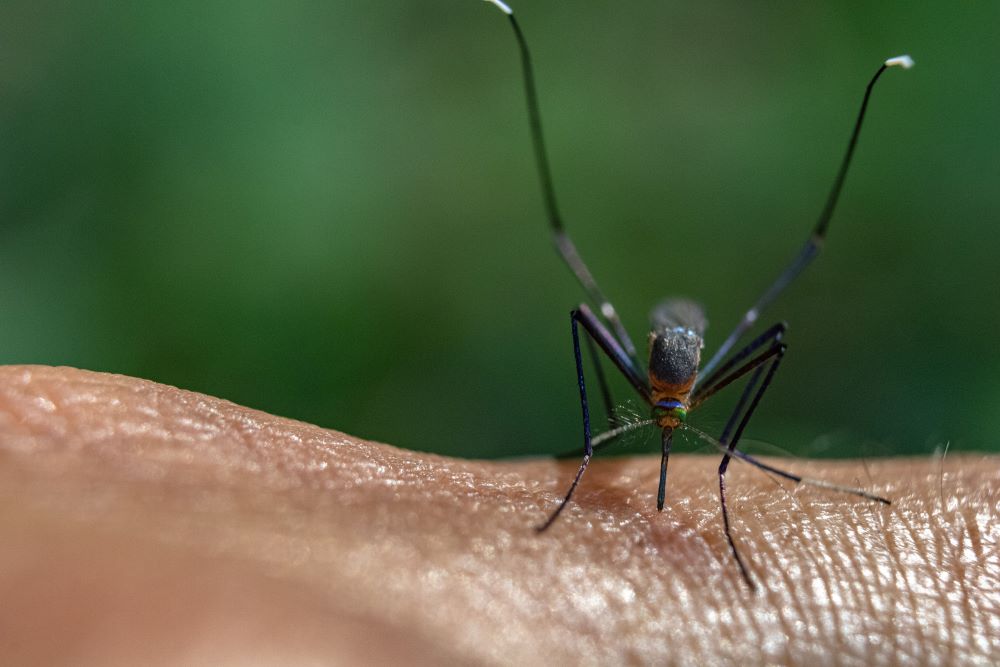
Plasmodium parasites, commonly transmitted by Anopheles mosquitoes, cause malaria. The organisms increase rapidly in the liver before invading red blood cells, leading to symptoms such as fevers, chills, sweating, etc.
Some severe cases can have complications like asthma, anaemia, and organ failures, among others, while untreated malaria can be fatal if not treated in time. Areas mostly affected by malaria are tropical and subtropical regions.
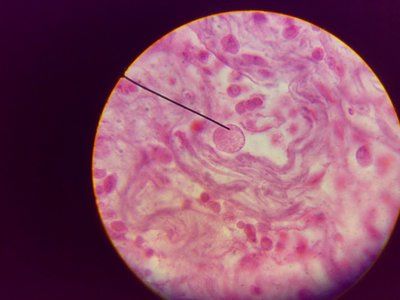
Amoebiasis is a gut infection caused by the Entamoeba histolytica parasite, frequently passed on through infected food or drink. If the parasite contaminates the lining of the intestines, symptoms may include intense diarrhoea, abdominal pain, bloody stools, etc.
If left unattended, amoebiasis could cause severe dehydration alongside other complications, thereby necessitating early diagnosis and treatment.
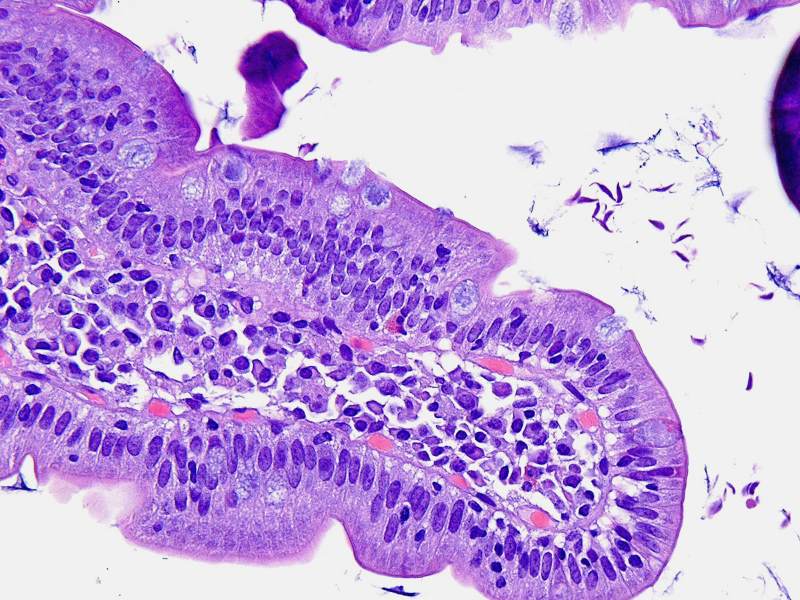
Giardiasis is a widespread parasitic infection transmitted in water and caused by the protozoa parasite lamblia giardia. It is spread through the consumption of contaminated food or drink, mainly causing symptoms like diarrhoea, bloating, nausea, and stomach cramps due to gastrointestinal complications.
The disease can lead to malnutrition and subsequent weight loss if not treated. The disease may last over two weeks, but treatment is usually successful.
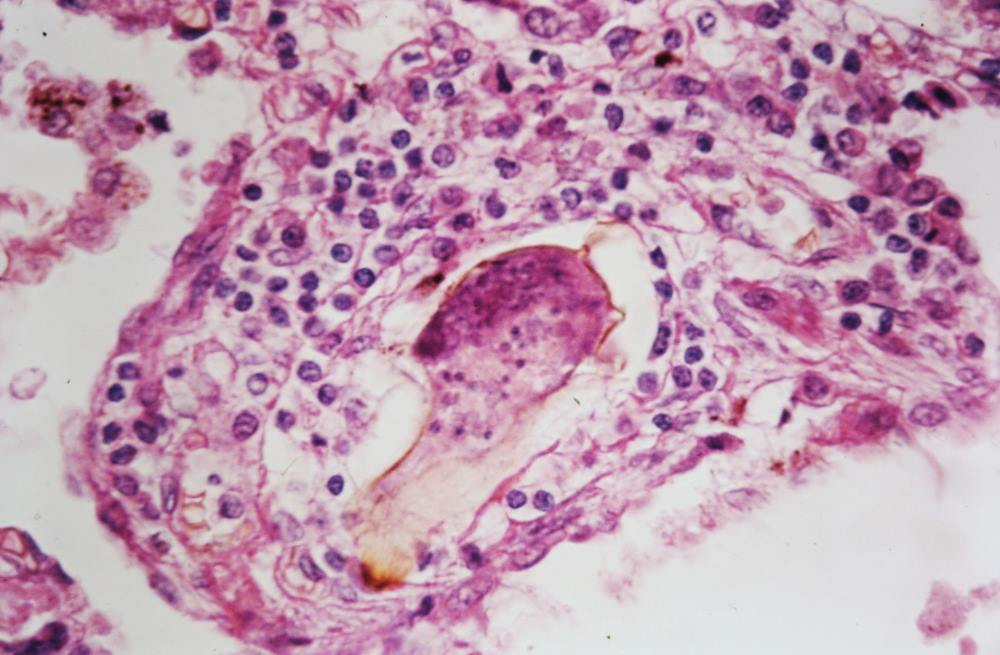
This illness results from schistosomes, parasites transmitted by freshwater snails. When humans come into contact with infested water, the larvae enter their skin surface and infect them.
Schistosomiasis can cause symptoms like rash, fever, chills, and muscle pains during its early stages. If it is not controlled, it can cause chronic conditions such as liver cirrhosis, kidney failure, infertility, and cancer of the bladder.
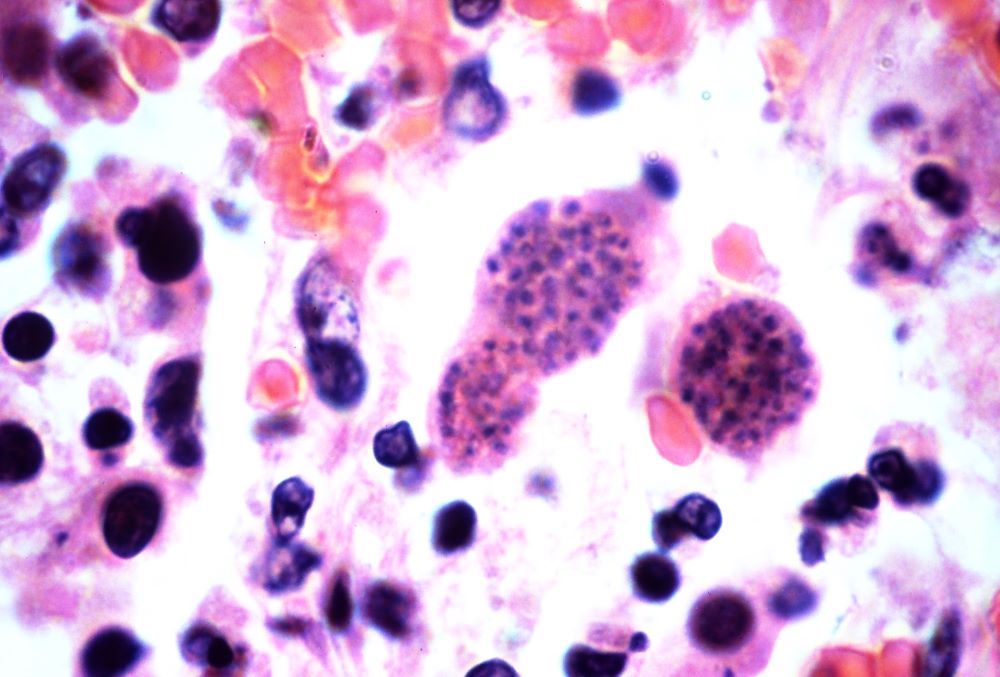
The parasite Toxoplasma gondii causes it, and it can be transmitted by undercooked meat, polluted water, or contact with cat faeces. Although many infected people do not have any symptoms of the disease, others may suffer from flu-like effects.
This infection can pass on to the unborn child in women who become pregnant, causing severe complications, such as miscarriages, stillbirths, and congenital defects.
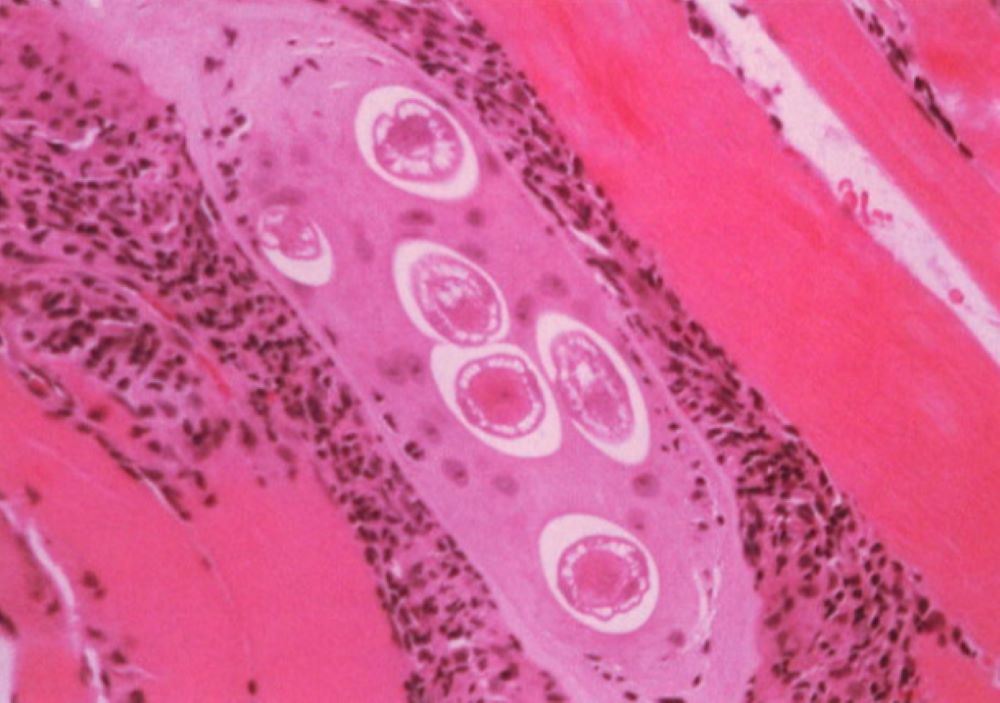
Trichinosis arises from consuming uncooked meats, mainly pork meats, infested with worms’ larvae called Trichinella. The symptoms include muscle aches, fever, and enlarging of the skin around the eyes due to the migration of the larvae into muscles.
In very dangerous cases, this can result in breathing difficulties, art disease, and even death if the infection affects the heart or brain. Cooking meat to the right temperature is crucial for preventing this ailment.
Below is a list of worms that commonly causes parasitic infection,

Depending on the organism living on or inside the host, the common diseases caused by parasites and their symptoms may vary. The generic symptoms include:
Different organs and systems of parasitic injury can significantly harm the human body. Understanding the potential injuries they cause is important to prevent and treat effectively.
Parasitic infection can develop in any individual, but some individuals have a greater risk of getting affected. They are:
Further, individuals who have pets like cats have higher chances of developing parasitic infection as these cats come into contact with infected birds or rodents during outdoor activities. Wondering how?
Cat owners can contact a certain type of protozoa named Toxoplasmosis. Toxoplasmosis related infections can spread through cat faeces and are very dangerous for pregnant women and developing babies. Hence, to avoid such infections, cat owners must clean litter boxes on a regular basis.
Three types of organisms are primarily responsible for diseases caused by parasites in humans. These are as follows,
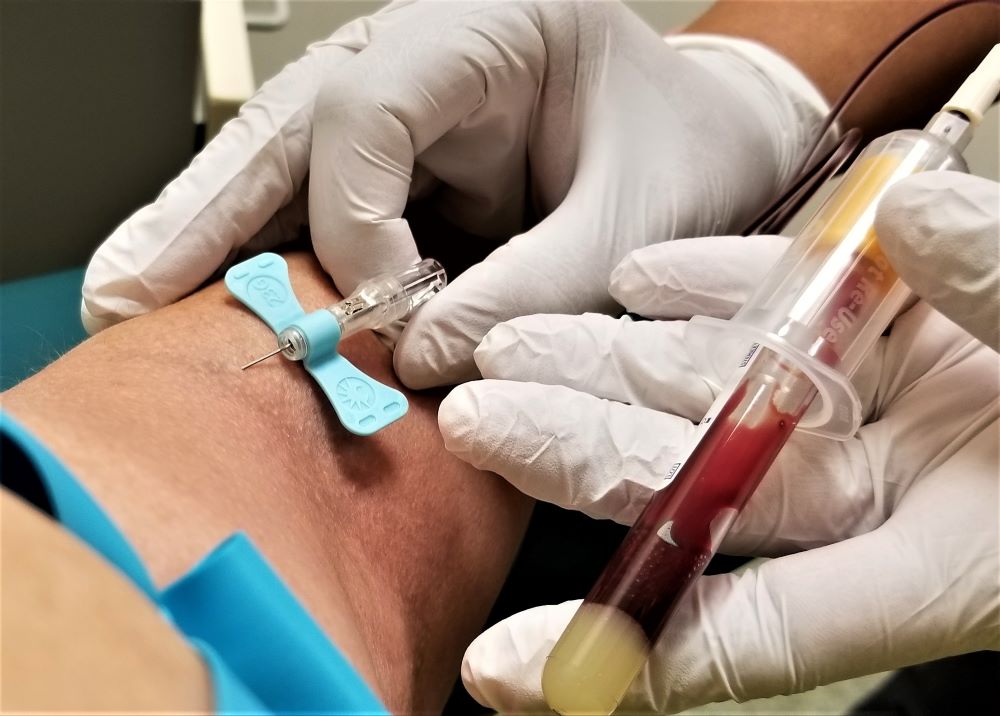
There are several ways doctors can diagnose diseases caused by parasites. These are as follows,
The treatment of parasitic infection depends on the type of infection and the report of diagnosis. In such cases, doctors usually prescribe medication. For instance, doctors prescribe medications to treat infections such as Giardiasis, Cryptosporidiosis, Trichomoniasis etc.
On the other hand, doctors do not prescribe medication to treat Toxoplasmosis for pregnant women unless they have severe infections.
Further, doctors may recommend surgery and additional medications in case of severe parasitic infection where infections have invaded other organs.
Additionally, doctors can recommend other modes of treatment to reduce parasitic infection-related symptoms. For instance, several parasitic infections can cause diarrhoea, further resulting in dehydration. Doctors may recommend drinking more water or fluid to balance bodily liquid in such cases.

To prevent parasitic infection, individuals have to follow safety measures. These are as follows,
The above-mentioned piece gives a detailed overview of the diseases caused by parasites. Read these details carefully and contact a doctor if you start experiencing any of the symptoms mentioned above.
Health insurance coverage for diseases caused by parasites will typically enable the following acts: diagnosis, medicine, and advice from a medical expert in charge. Most schemes will take care of costs related to diagnosing and treating parasitic infections, such as lab tests and prescription drugs.
However, coverage specifics might differ based on the insurance company and policy details, so reviewing your plan for any restrictions or conditions is important.
In conclusion, parasites can cause various ailments that impact general health and well-being. The above-mentioned piece gives a detailed overview of the diseases caused by parasites. Read these details carefully and contact a doctor if you start experiencing any of the symptoms mentioned above. Recognising the symptoms and knowing the possible dangers involved in these infections is essential for prompt identification and treatment.