General
Life
Accessibility Options


General

General Products
Simple & Transparent! Policies that match all your insurance needs.
 Car Insurance
 Two Wheeler Insurance
 Commercial Vehicle Insurance
 Health Insurance
 Home Insurance
 Travel Insurance
 Business Insurance
Car Insurance
Two Wheeler Insurance
Commercial Vehicle Insurance
Health Insurance
Travel Insurance
Business Insurance
Car Insurance
Two Wheeler Insurance
Commercial Vehicle Insurance
Health Insurance
Travel Insurance



Scan to download

Life

Life Products
Digit Life is here! To help you save & secure your loved ones' future in the most simplified way.
 Term Life
 Savings Plan
 Retirement and Pension Plans
 Group Life Products
 Product Documents
Term Life
Savings Plan
Retirement and Pension Plans
Group Life Products
Product Documents
Term Life
Savings Plan
Retirement and Pension Plans
Group Life Products

Scan to download

Claims

Claims
We'll be there! Whenever and however you'll need us.
 Customer Support
 Motor Claims
Health Claims
Motor Claims
Health Claims
 Marine Insurance
 Grievance Redressal
Customer Support
Motor Claims
Health Claims
Marine Insurance
Grievance Redressal
Grievance Redressal
Customer Support
Motor Claims
Health Claims
Marine Insurance
Grievance Redressal

Scan to download
 General
 Life
General
Life
Life
General
Life
Renewals
Resources

Resources
All the more reasons to feel the Digit simplicity in your life!
Exclusive Features
 Transparency Report
Others
Exclusive Features
Transparency Report
Transparency Report
Others
Exclusive Features
Transparency Report

Scan to download


Our WhatsApp number cannot be used for calls. This is a chat only number.

 Grey Scale
 Readable Text
 Reset
Reset



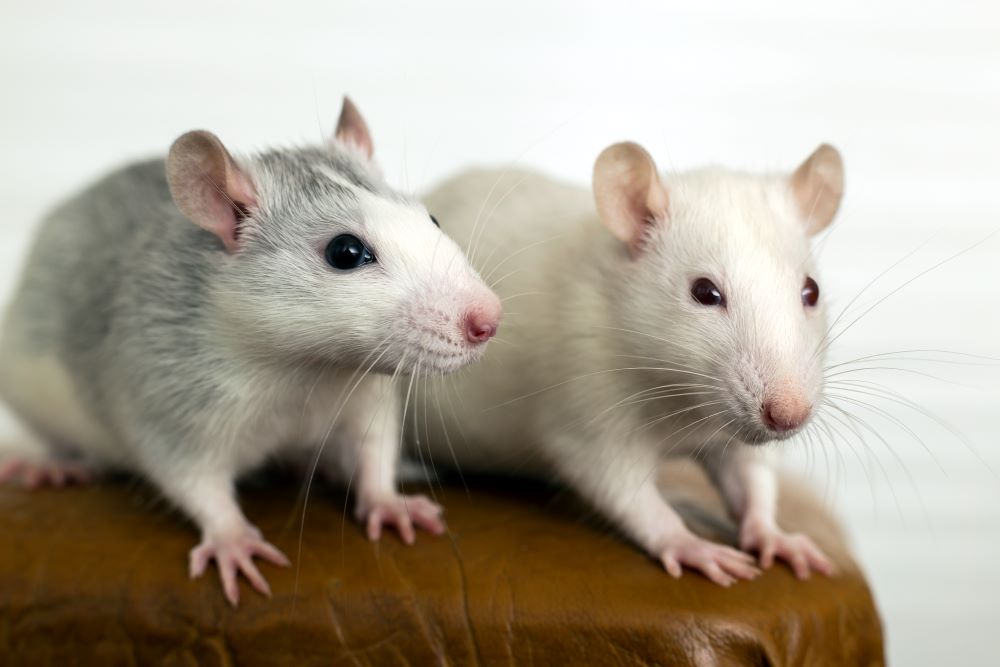
House rats are the carriers of several diseases that result in severe sickness and, in a worse case, death. Among the diseases transmitted by direct contact are rat bites, while disposing of infected dead rats, inhaling dust, and consuming foods and drinks contaminated with infected rats’ urine, hair, saliva, and faeces.
Diseases caused by rats can also be transmitted indirectly by parasites like fleas, ticks, and mites that live on the infected rodents. Rats are always unwelcome guests in every household. Read to know about the adverse diseases they bring along.

Table of Contents


Besides damaging property and contaminating food, rats are a significant health hazard as they can spread life-threatening diseases. They transmit many diseases, including bacterial, viral, and other infections, from the rat population to humans. With so many risks in having rats around your house, it becomes essential to act quickly.
Hantaviruses can be transmitted to humans via rats' urine, droppings, and saliva. Rats naturally carry the viruses. Hantaviruses cause a disease known as "hantavirus pulmonary syndrome." Some cases of HPS may further lead to death and severe or life-threatening diseases, such as acute and life-threatening respiratory failure.
Rats have a common association with both nature and humans. An instance is the 14th-century bubonic plague, better known as ‘black fever. Since then, this rodent family has been a potential carrier of fatal diseases.
Here is the list of 13 diseases caused by rats to humans.
A class of viruses known as Hantaviruses is transmitted by rodents and infects humans. The hantaviruses in circulation in Europe and Asia cause hemorrhagic fever with renal syndrome, HFRS, a type of kidney disease. Other hantaviruses cause hantavirus pulmonary syndrome, HPS, which infects the lungs and fills them with fluid.
Nearly 38% of Hantavirus infections lead to death. Commonly the signs of Hantavirus appear within 1 to 5 weeks (incubation period). Fatigue, fever, muscle pain, diarrhoea, nausea and abdominal pain are some of the early symptoms of this disease caused by rats. The signs of HPS that spread throughout the body are
As the early Hantavirus symptoms are similar to influenza, it is difficult to diagnose the infection. Regardless, if individuals with frequent rodent exposure experience fever, breathlessness and fatigue, they must seek medical assistance at the earliest opportunity.
Unfortunately, there is no definitive vaccine, drugs or treatment for Hantavirus. However, identifying the early symptoms and immediate medical aid in the intensive care unit may improve the survival chances from severe HPS.
Rats, along with other rodents like mice, voles etc., transmit this acute zoonotic disease through their aerosolized excrements. Various Hantavirus species use rodents as the carrier of Haemorrhagic Fever with Renal Syndrome (HFRS).
HFRS has acute flu-like signs, including headache, high fever and vomiting. However, depending on the severity, patients can have symptoms like
The diagnosis in patients with a clinical history similar to HRFS requires various laboratory examinations. A positive serologic test report confirms the disease. Further, doctors recommend immunohistochemical staining and microscope examination and proof of Hantavirus RNA sequences in blood or tissue to recognise this infection.
Supportive care, including optimal hydration with electrolytes such as sodium, potassium and chloride and maintenance of oxygen level and blood pressure, are the mainstay treatment for the disease. At times, dialysis is required to restore severe fluid overloading. Furthermore, an early dose of an antiviral drug named intravenous ribavirin has shown positive results to control the infection.
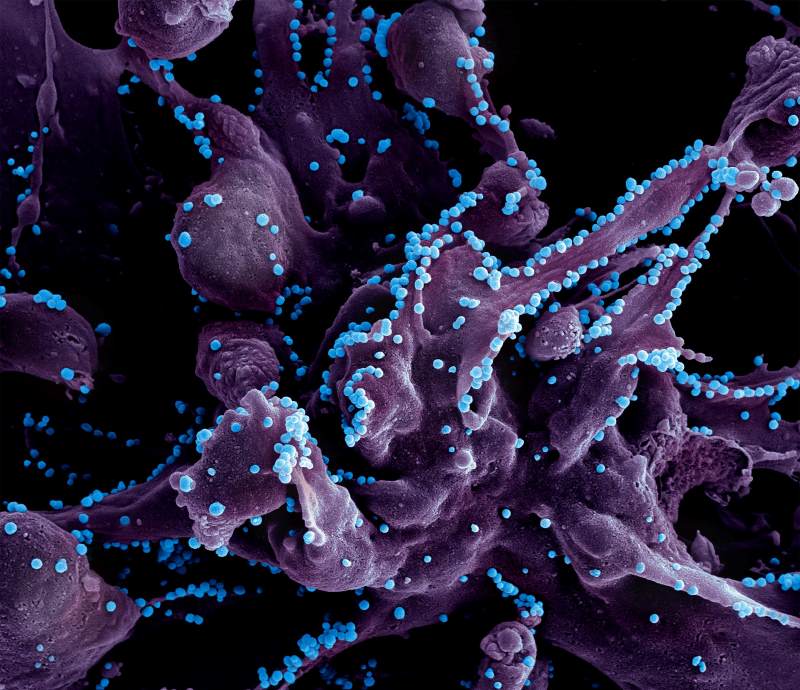
This is also an acute zoonotic viral disease transmitted by multimammate rats (Mastomys natalensis). These rats shed the Lassa virus in urine and faces and contaminate food and other objects.
Mild fever, common malaise, headache and weakness are some of the early symptoms of Lassa fever. However, infected individuals may also exhibit severe signs like-
A few neurological symptoms of Lassa fever include hearing disability, tremors and encephalitis, and in a worse condition, multi-organ failure and eventually death within 2 weeks.
Lassa fever is commonly diagnosed with enzyme-linked immunosorbent serologic assays (ELISA). Besides, the reverse transcription-polymerase chain reaction (RT-PCR) test detects the disease early.
Ribavirin antiviral drug has shown effective results in curing the infection if taken at an early stage. Patients should also be kept under supportive care to maintain accurate fluid and electrolyte, oxygenation and blood pressure to avoid complications.
This is a bacterial infection caused by Leptospira interrogans bacterium. Rodents like rats, mice etc., are the vectors of this bacteria that live in their kidneys and contaminate soil and water through urine.
Apart from fever spiking to 104°F, other common signs of this bacterial infection are-
Your healthcare professional diagnoses leptospirosis through physical examination, blood testing, and urine testing. Your doctor will inquire about your medical history, current symptoms, and potential exposure to contaminated objects. You might receive a CT scan or X-ray of your chest if you're extremely ill.
Doses of antibiotics like penicillin or doxycycline are recommended at an early stage of Leptospirosis. Nonetheless, patients with severe symptoms require intravenous antibiotics for quick recovery.
This neurological disease caused by rats and mice are -
Lymphocytic choriomeningitis virus, found in the saliva, urine, and faeces of infected mice and rats, causes Lymphocytic Chorio-Meningitis (LCM).
The onset of these viral infection signs occurs within 8 to 10 days after coming in contact with the virus. The early symptoms include-
After recovering these symptoms, an infected individual can have signs, including-
Acute conditions in humans can be detected by isolating the virus from cerebrospinal fluid. Additionally, the immunofluorescent antibody test and ELISA are 2 other effective ways to diagnose LCM disease.
Anyone with LCM symptoms should be admitted to a hospital under supportive care, depending on the seriousness. Moreover, ribavirin is effective against such viral diseases.
Though the Yersinia pestis bacteria are responsible for the plague, rats are the amplifying factor of the disease. It is transmitted to rats through fleas present on their bodies and infects humans through a bite, inhalation of respiratory droplets of another infected person and contact with contaminated materials. Primarily, there are 2 types of clinical forms of plague- bubonic and pneumonic.
Patients infected with plague bacteria develop acute febrile disease after 1 to 7 days of incubation. A few common symptoms are-
One of the effective ways to detect the plague is identifying Y. pestis bacteria from a blood or sputum sample. Another potential diagnosis is a laboratory approved rapid dipstick test.
Antibiotics like enterobacteria (gram-negative rods) and supportive therapy are essential for patients with the pneumonic plague at the early stage.
Rat-bite fever or RBF is a severe disease caused by Streptobacillus moniliformis or Spirillum minus bacteria found in rats’ urine, saliva, and faeces. Besides, rat bites and scratches are the other possible causes.
RBF signs and symptoms depend on the type of bacterial infection. The symptoms of streptobacillary RBF are-
However, the spirillary RBF develops similar symptoms other than hard or soft lymph nodes and inflammation near the bite.
Medical practitioners detect the clinical variants of rat-bite fever in 2 ways.
Both the RBF variants are treated with amoxicillin, penicillin, erythromycin, or doxycycline.
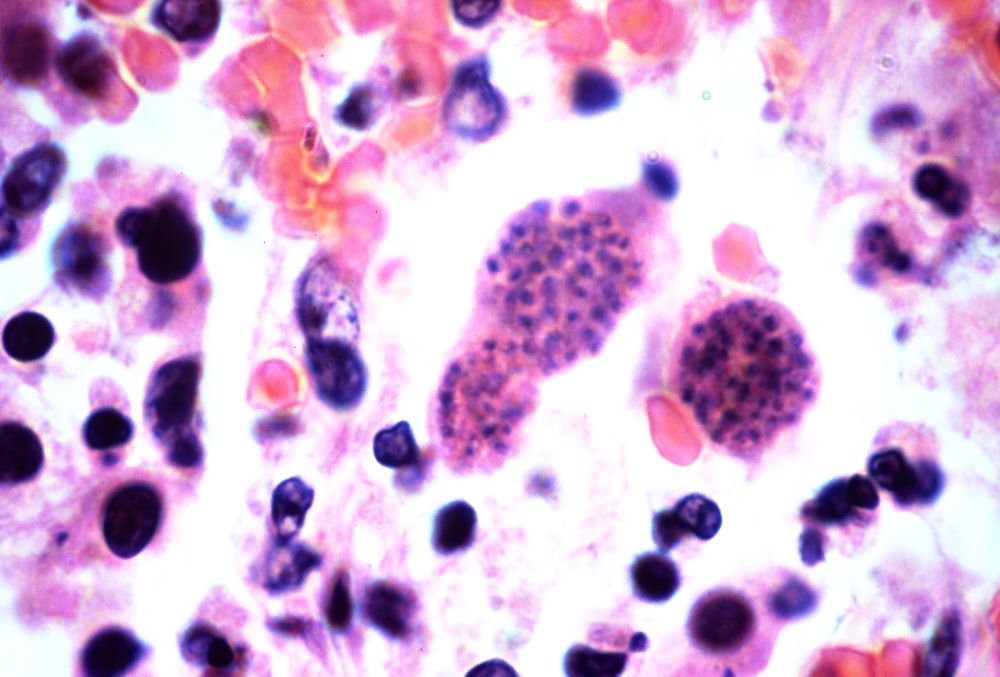
A few common signs of Salmonella infection are-
Experts culture blood or stool samples to diagnose Salmonellosis.

This is one of the fatal diseases caused due to rats affecting the eyes, skin, lungs and lymph nodes. The rodents are the vector of Francisella tularensis and transmit the bacterium through bites and direct exposure.
Based on the site of infection, Tularemia has 6 clinical variants with a distinctive set of signs and symptoms. They are-
Tularemia is a rare disease with symptoms similar to other diseases caused by rats. The best way to identify the infection is through blood tests. One can also opt for a chest X-ray for pneumonia detection.
One of the effective treatments of Tularaemia is gentamicin (antibiotic) injection shot directly into muscle or vein. Streptomycin is also a reliable cure for the disease. In addition, doctors prescribe oral antibiotics like doxycycline or ciprofloxacin for fast results.
Toxoplasmosis is caused by the protozoan parasite Toxoplasma gondii. While often associated with cats, rats may also act as hosts for the parasite, shedding oocysts in their faeces that may contaminate food and the environment. Though this is uncommon, obtaining an infected organ transplant or receiving infected blood via transfusion may be the reason.
Blood tests are used to diagnose toxoplasmosis, and laboratory tests can identify antibodies of two sorts. It is diagnosed by serological tests detecting antibodies against Toxoplasma and PCR tests for parasite DNA in blood or tissue samples.
Treated with antiparasitic drugs such as pyrimethamine and sulfadiazine, generally in association with folinic acid. Treatment is essential in pregnant women and immunocompromised individuals.
Trichinosis is caused by the parasitic worm Trichinella spiralis. It is more commonly found in pigs, although rats occasionally carry the infective larvae, passed on to humans in undercooked meat. After approximately a week of infection, the larvae migrate to the muscle, causing symptoms such as facial swelling, eye inflammation, fever, muscle aches, and rash.
Your doctor might draw blood to check for trichinosis-related symptoms. Usually, a blood test suffices to diagnose an illness. Diagnosed through serological tests for Trichinella antibodies and muscle biopsy to detect larvae.
Treated with antiparasitic drugs like albendazole or mebendazole. Severe symptoms may be treated with supportive measures, including pain management and corticosteroids.
Cryptosporidiosis is caused by the protozoan parasite Cryptosporidium. It can be transmitted through contaminated water or surfaces, including those contaminated by rat faeces. It affects the distal small intestine and can affect the respiratory tract in people who are immunocompromised (such as those with autoimmune disorders or HIV/AIDS) or immunocompetent (i.e., have a typical functioning immune system).
Diagnosis Stool samples tested for Cryptosporidium oocysts using acid-fast staining or immunofluorescence assays—treatment. Antiparasitic medications like nitazoxanide. Supportive care, including hydration and electrolyte replacement, is paramount.
The recommended course of action for individuals with healthy immune systems who are at least one year old is the FDA-approved drug nitazoxanide. Nitazoxanide is a prescription drug that is available as a tablet and oral suspension. Individuals with robust immune systems may also benefit from azithromycin, paromomycin, and anti-diarrhoeal medications.
Psittacosis, or parrot fever, is caused by the bacterium Chlamydia psittaci. It's typically thought of as birds, but rats may also carry and transmit it to humans. In humans, the disease progresses from asymptomatic to a systemic sickness with severe pneumonia after an incubation period of 5–19 days.
It is diagnosed through serological tests that check for antibodies to Chlamydia psittaci and PCR tests on respiratory samples or blood that check for bacterial DNA.
It can be treated with early antibiotic administration, such as doxycycline or tetracycline. Immediate treatment is critical because the disease can develop into severe complications and severe illness.

The measures should also be combined with those already identified, hence bringing forth better control and prevention of diseases related to rats. There are 3 simple preventive measures to control the diseases caused by rats, including:
People can fall victim to major disease risks spread by house rats. Leptospirosis is one of the major diseases that arise from them. This is a bacterial infection resulting in flu-like symptoms that can progress to life-threatening stages like liver failure, kidney damage, and even death. Another one is hantavirus, which comes from rats; it is the cause of hantavirus pulmonary syndrome, which has very high mortality rates (75%—90%).
House rats contaminate foodstuffs with salmonella through their excreta, leading to gastrointestinal disorders such as diarrhoea, nausea, or vomiting. Children with asthma may suffer more due to allergens present in urine, faeces, and dander from these rodents and other respiratory illnesses they might have had before.
House rats can transmit many diseases to humans, and various risk factors contribute to these diseases. Here are the major risk factors associated with diseases caused by house rats:
Good control would entail proper house sanitation, blocking points of entry, and traps or baits to minimise exposure to rat-borne illnesses.
Health insurance coverage for diseases that house rats might cause depends on the provisions available within an insurance policy and the nature of the case. Most policies would, therefore, likely cover the treatment for leptospirosis, hantavirus pulmonary syndrome, and salmonellosis caused by house rats.
The insurance shall cover all medical consultations, diagnostic tests, hospitalisation, and prescribed drugs to treat such an illness. However, coverage varies between insurance companies and plans. It is important for policyholders to contact their insurance providers to clarify coverage and possible limitations regarding diseases originating from house rats.
It is of the utmost importance that people avoid rats and rodents if they've infested the house. Call pest control if you cannot handle it yourself. Get immediate help and vaccination in case of a house rat bite or scratch. These seemingly small and harmless creatures can cause havoc in a healthy person's life and possibly death if not taken care of.
The risk factors associated with Tularemia are-
Few diseases caused indirectly by rodents include-
The primary modes of Hantavirus transmission are via rodents’-
Apart from these, an individual can come in contact with the virus in the following ways-