General
Life
Accessibility Options


General

General Products
Simple & Transparent! Policies that match all your insurance needs.
 Car Insurance
 Two Wheeler Insurance
 Commercial Vehicle Insurance
 Health Insurance
 Home Insurance
 Travel Insurance
 Business Insurance
Car Insurance
Two Wheeler Insurance
Commercial Vehicle Insurance
Health Insurance
Travel Insurance
Business Insurance
Car Insurance
Two Wheeler Insurance
Commercial Vehicle Insurance
Health Insurance
Travel Insurance



Scan to download

Life

Life Products
Digit Life is here! To help you save & secure your loved ones' future in the most simplified way.
 Term Life
 Savings Plan
 Retirement and Pension Plans
 Group Life Products
 Product Documents
Term Life
Savings Plan
Retirement and Pension Plans
Group Life Products
Product Documents
Term Life
Savings Plan
Retirement and Pension Plans
Group Life Products

Scan to download

Claims

Claims
We'll be there! Whenever and however you'll need us.
 Customer Support
 Motor Claims
Health Claims
Motor Claims
Health Claims
 Marine Insurance
 Grievance Redressal
Customer Support
Motor Claims
Health Claims
Marine Insurance
Grievance Redressal
Grievance Redressal
Customer Support
Motor Claims
Health Claims
Marine Insurance
Grievance Redressal

Scan to download
 General
 Life
General
Life
Life
General
Life
Renewals
Resources

Resources
All the more reasons to feel the Digit simplicity in your life!
Exclusive Features
 Transparency Report
Others
Exclusive Features
Transparency Report
Transparency Report
Others
Exclusive Features
Transparency Report

Scan to download


Our WhatsApp number cannot be used for calls. This is a chat only number.

 Grey Scale
 Readable Text
 Reset
Reset



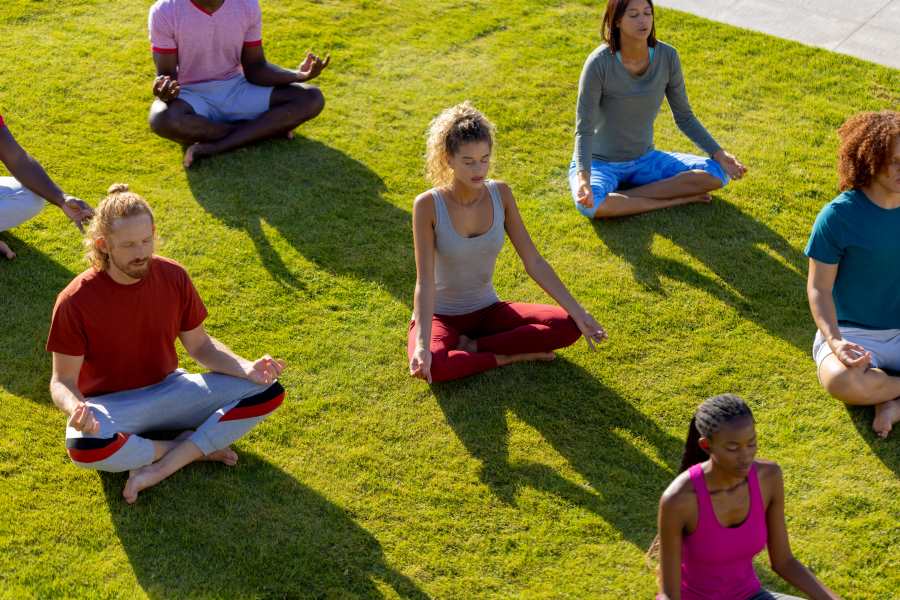
Yoga originated in ancient India as a mental, spiritual, and physical practice. It is much more than just performing tough asanas and twisting your body according to those asanas. This spiritual discipline is based on subtle science, which aims to bring harmony between body and mind.
Individuals can use various ancient yoga techniques to bring about this harmony. This blog will discuss the many Yoga Mudras one can use during meditation and pranayama.

Table of Contents

Mudra is a Sanskrit word whose meaning refers to hand gestures. One can easily notice that many rituals and dance forms in Hinduism and Buddhism use mudras to express profound meaning. Individuals who practice yoga use mudras in the form of hand gestures or seals.
According to ancient texts and yogis, practising these gestures will help channel the flow of "prana", or life force within one's body. There are multiple types of mudras used in yoga to stimulate different parts of the body. These different types of mudras in yoga are:
People who practice yoga understand the deeper meaning of these mudras. Usually, people notice the various yoga poses or asanas, pranayama and breathing exercises. However, to get the healing properties of yoga, one must also practise these mudras properly.
So, from these, we can deduce that mudras can be simple hand gestures or involve the entire body at times. This blog aims to highlight the benefits of yoga mudras, but first, one needs to know about the different pranas.
In Ayurveda, the body is believed to be composed of five elements (vayus) - fire, water, air, earth and space. According to ancient theories, a body needs to have a balance of all these elements to be healthy. If any of these elements weaken or strengthen against the others, it will create an imbalance in the body.
Each of these five elements is present in every human's fingers. Thus, each human finger represents an element, and according to Yoga philosophy, prana (life force) runs for each element through every finger. Individuals can easily manipulate their prana to regain their body's balance.
Before knowing the pranas, one must know about the five different elements. The five fingers can manipulate the five elements, and these are:
Pranas have a significant impact on performing yoga. The term is used for many elements as the phenomenon of life depends on many of them. In addition, the five pranas are as follows:
Apana Mudra, also called "Mudra of Digestion," is a hand gesture used in yoga to support the excretory systems and balance the body's energy flow. It is thought to aid with digestion, excretion, and detoxification. It helps treat menstruation discomfort, constipation, and urinary issues and is required for urination, excretion, sweating, etc.
The samana mudra, sometimes called mukula mudra, is a hand gesture used in yoga in which all of the fingers are brought together towards the thumb to form the shape of a bud. It works in the naval region to aid digestion and balance the body by harmonising the five elements. This force is required for digestion and metabolism.
Known by many as the "Life Force Seal," the Prana Mudra is primarily utilised to balance the components of fire, water, and earth within the physical body and to awaken dormant forces inside the astral body. Does not. Since this is a Hasta Mudra, it is done with the hands. It is the force essential for the pumping of one’s heart.
The expanded prana gesture, or Vyana Mudra, is a yoga mudra that can help control disorders related to peeing, balance blood pressure, and increase enthusiasm. This force is necessary for circulation and movement.
One of the hand gestures used in yoga, udana mudra, is believed to impact the five segments of prana, or life force energy, which flows through the body. Udana mudra facilitates self-expression and spiritual development since it works with the energy of the neck area. The force required for upper body actions like thinking, eye movement, talking, etc.
Below are some powerful mudras for health that can help cure innumerable diseases. Individuals can combine these mudras with asanas and pranayama or practice them separately.
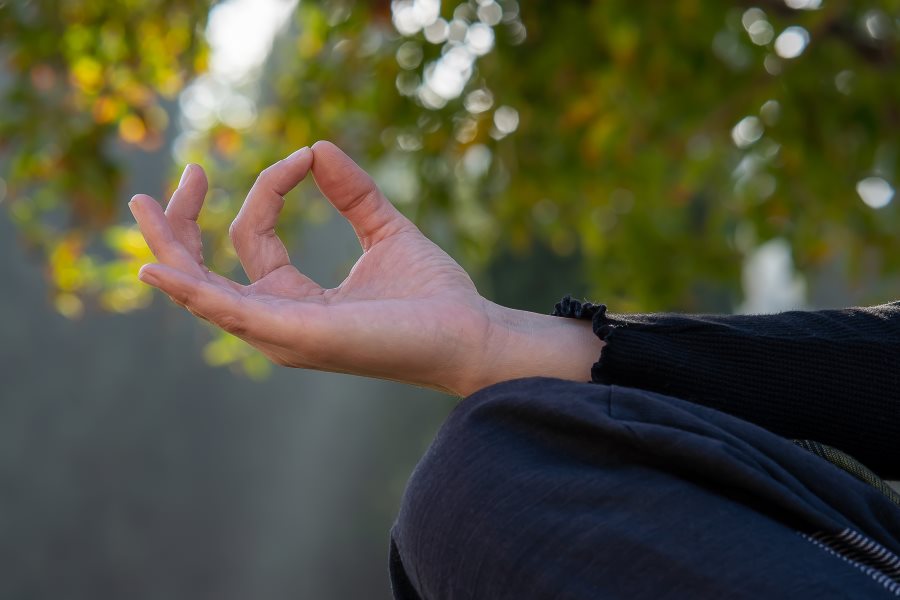
This yoga mudra asana is a fundamental mudra for improving concentration and knowledge. It is renowned for its ability to enhance mental clarity and intellectual capacity.
Practising Jnana Mudra regularly can support meditation, aid in deepening your understanding of concepts, and help in achieving a heightened state of awareness. It is often used to promote inner wisdom and enlightenment, making it a valuable tool for personal growth and self-discovery.
Benefits:
How to Perform:
To perform Jnana (or Gyan) Mudra, follow these steps:
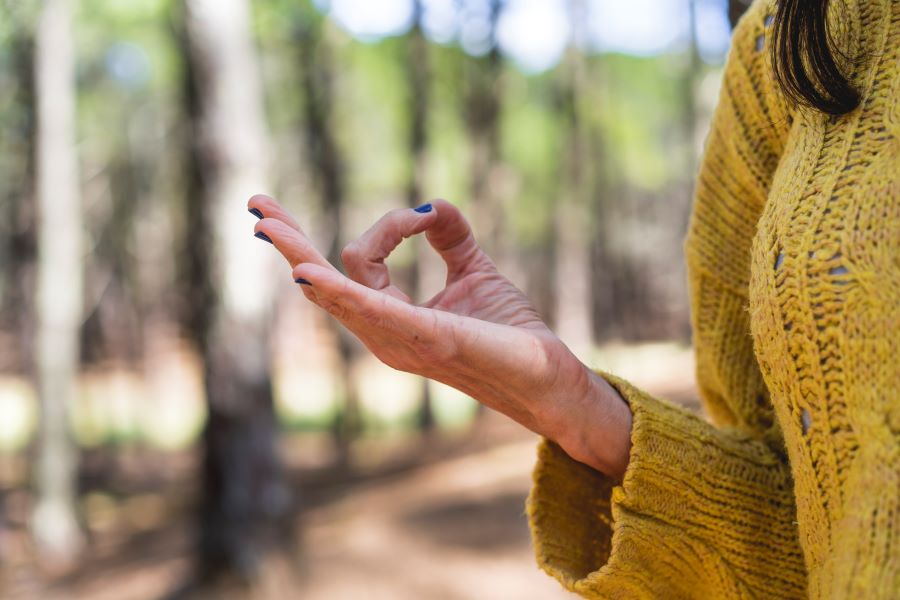
This mudra is a psychic gesture of consciousness, and it helps get rid of insomnia and can improve concentration. Performing this mudra will help cure various psychological disorders like depression, anxiety and stress.
Chin Mudra, often used in meditation, fosters a deeper connection between the mind and body by promoting mental clarity and focus. Regular practice can enhance your ability to remain present and centred, contributing to emotional stability and a sense of inner peace.
Benefits:
Below are a few benefits of the Chin Mudra:
How to Perform:
Below are a few easy steps to perform the Chin Mudra:
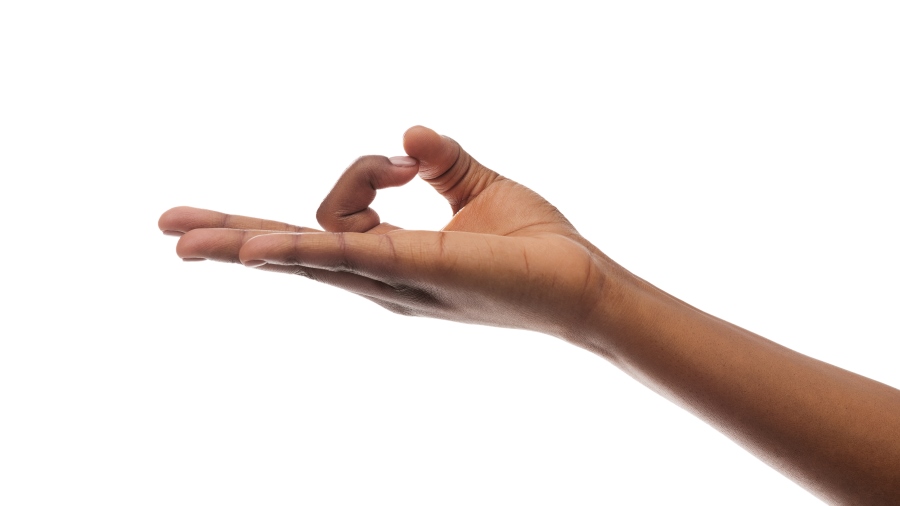
As the name of this mudra suggests, it will help you balance your body's air elements. This mudra's main aim is to reduce the excess air from your body and relieve chest pains caused by gas.
In addition to alleviating gas-related discomfort, Vayu Mudra is believed to improve digestion and reduce bloating. Practising this mudra regularly can help restore balance to your body's air elements, promoting overall well-being and a sense of calm.
Benefits:
Below are a few benefits of the Vayu Mudra:
How to Perform:
To perform Vayu Mudra, follow these steps:
The Agni mudra balances a body's fire elements. You can practise this hand gesture to reduce abdominal fat and manage obesity. It also increases metabolism and aids digestion, which strengthens the human body.
In addition to its benefits for metabolism and digestion, Agni Mudra can help boost overall energy levels and promote a sense of vitality. By regularly practising this mudra, you support your body's natural ability to maintain a healthy weight and improve metabolic function, leading to better overall health and well-being.
Benefits:
Below are a few benefits of the Agni Mudra:
How to Perform:
To perform Agni Mudra, follow these steps:
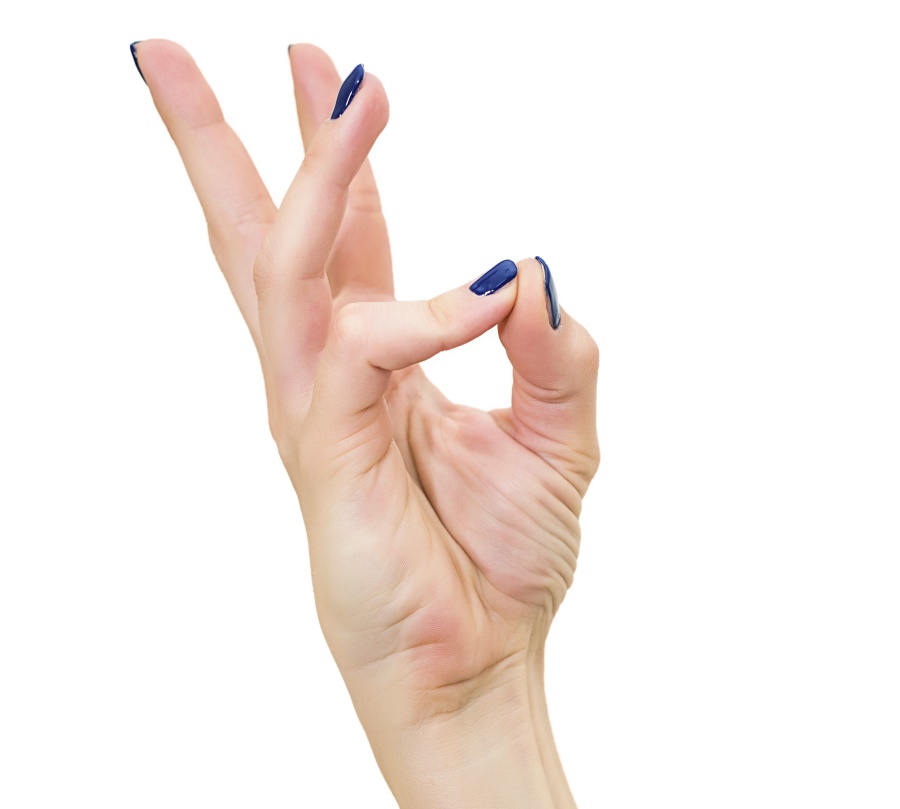
This mudra balances a body’s water elements, and you can practice this hand gesture to improve your appearance. It helps make the skin glow and improves body fluid circulation. Varun Mudra plays a significant role in enhancing skin health and appearance.
Regular practice of this mudra can improve hydration, resulting in a more radiant complexion and improved skin elasticity. Additionally, it helps maintain proper fluid balance and circulation within the body, which can contribute to overall vitality and a refreshed, youthful look.
Benefits:
Below are a few benefits of the Varun Mudra:
How to Perform:
To perform Varun Mudra, follow these steps:
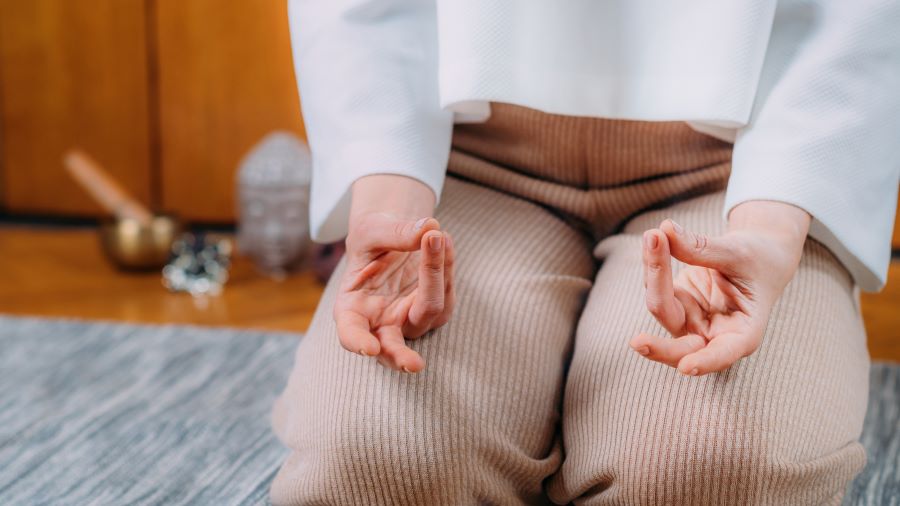
This yoga mudra strengthens the immune system, improves vision, and balances the body's life elements. It also activates the body’s energy and reduces lethargy. By activating the body’s vital energy, this mudra enhances overall vitality and reduces feelings of fatigue.
In addition to boosting the immune system and improving vision, Prana Mudra supports a balanced life force, contributing to better mental clarity and physical well-being. Regular practice can help increase energy levels, enhance stamina, and promote a sense of equilibrium and vitality.
Benefits:
Below are a few benefits of the Prana Mudra:
How to Perform:
To perform Prana Mudra, follow these steps:
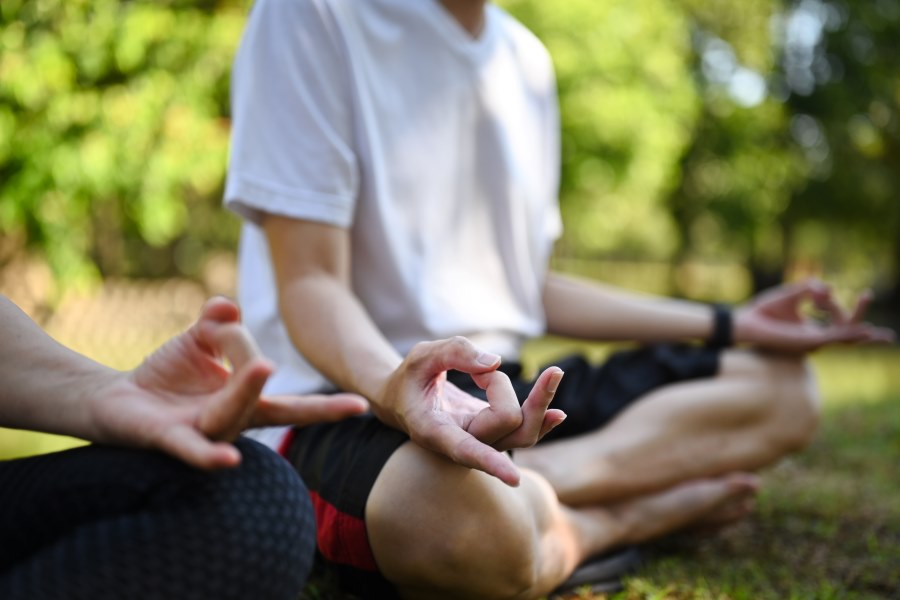
This yoga mudra’s benefit is that it helps one enjoy peace and tranquillity. It is also known as heaven or paradise mudra. Additionally, it helps decrease ear aches and prevents one from becoming deaf due to age-related problems and diseases.
Shunya Mudra, often referred to as the "heaven" or "paradise" mudra, is valued for its calming effects on the mind and body. By practising this mudra, you can enhance your sense of inner peace and tranquillity. It is particularly beneficial for addressing ear-related issues.
Benefits:
Below are a few benefits of the Shunya Mudra:
How to Perform:
To perform Shunya Mudra, follow these steps:
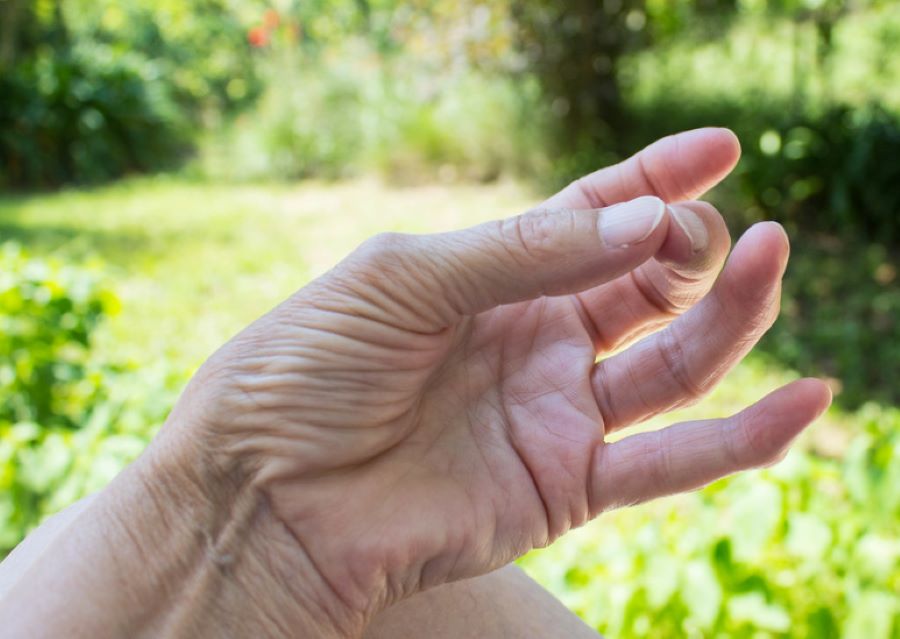
As the name of this mudra implies, it balances the sun element in your body. You should practise this mudra asana early in the morning to reap its benefits. Surya Mudra, also known as the Sun Mudra, is designed to balance the body's fire element, often associated with the sun.
Practising this mudra early in the morning can enhance its effectiveness, helping to boost metabolism, increase energy levels, and improve overall vitality. Regular practice can also aid in reducing excess weight, improving digestion, and fostering a sense of well-being throughout the day.
Benefits:
Below are a few benefits of the Surya Mudra:
How to Perform:
To perform Surya Mudra, follow these steps:
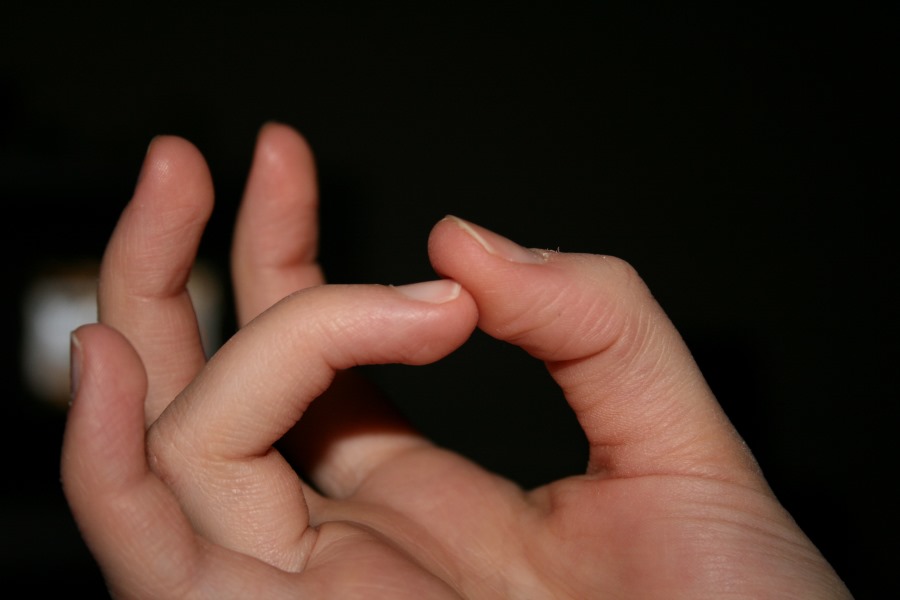
Practising this mudra will balance your body’s earth elements and improve blood circulation. Moreover, it can increase your patience and concentration if combined with meditation. This mudra is also recommended for strengthening weak bones.
By enhancing blood circulation and promoting a grounding effect, this mudra supports overall vitality and health. When practised in conjunction with meditation, it can also improve patience and concentration. Additionally, Prithvi Mudra is recommended for strengthening weak bones and supporting bone health, contributing to a more robust and resilient body.
Benefits:
Below are a few benefits of the Prithvi Mudra:
How to Perform:
To perform Prithvi Mudra, follow these steps:
Adi mudra, or first gesture, is a ritualistic and symbolic hand gesture in yoga. This mudra calms the mind and nervous system. As it relaxes the nervous system, it prevents you from snoring and also boosts the passage of oxygen so that it can travel smoothly to your brain and lungs.
This mudra not only supports better sleep by preventing snoring but also enhances the efficiency of oxygen flow to the brain and lungs, thereby improving overall respiratory function. Regular practice can contribute to reduced stress levels, improved mental clarity, and a more balanced and tranquil state of mind.
Benefits:
Below are a few benefits of the Adi Mudra:
How to Perform:
Adi Mudra is a hand gesture used in yoga and meditation to promote relaxation and enhance energy flow. Here are the steps to perform Adi Mudra:
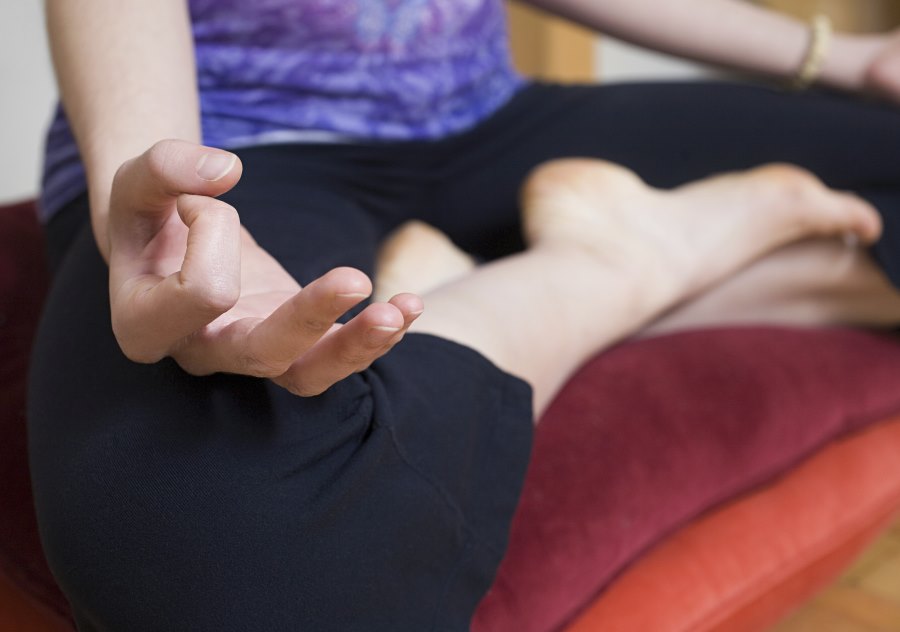
Generally, the best time to do yoga mudras depends on your schedule and goals, but many find that:
This can be done anytime that suits your routine and feels right for you. However, it is recommended that you do it regularly for the best results.
Now that all the different types of mudras are covered, you cannot deny the innumerable benefits that these mudras have. As per ancient texts, the human body is a mini world of five elements: fire, water, air, earth and aether. You need to balance all these elements in your body to lead a healthy life.
In today's times, imbalances in your body can be very easily created due to the lifestyle that you follow. If you can practice the above yoga mudras regularly, you can create a healthy balance in your body.
Protect What Matters - Explore Other Insurance Options
The five primary mudras in yoga, often referred to as the "Pancha Mudras" or "Five Elements Mudras," are:
The benefits of mudras can vary, but here are general advantages for common ones:
Mudras that can be practised daily include: