General
Life
Accessibility Options


General

General Products
Simple & Transparent! Policies that match all your insurance needs.
 Car Insurance
 Two Wheeler Insurance
 Commercial Vehicle Insurance
 Health Insurance
 Home Insurance
 Travel Insurance
 Business Insurance
Car Insurance
Two Wheeler Insurance
Commercial Vehicle Insurance
Health Insurance
Travel Insurance
Business Insurance
Car Insurance
Two Wheeler Insurance
Commercial Vehicle Insurance
Health Insurance
Travel Insurance



Scan to download

Life

Life Products
Digit Life is here! To help you save & secure your loved ones' future in the most simplified way.
 Term Life
 Savings Plan
 Retirement and Pension Plans
 Group Life Products
 Product Documents
Term Life
Savings Plan
Retirement and Pension Plans
Group Life Products
Product Documents
Term Life
Savings Plan
Retirement and Pension Plans
Group Life Products

Scan to download

Claims

Claims
We'll be there! Whenever and however you'll need us.
 Customer Support
 Motor Claims
Health Claims
Motor Claims
Health Claims
 Marine Insurance
 Grievance Redressal
Customer Support
Motor Claims
Health Claims
Marine Insurance
Grievance Redressal
Grievance Redressal
Customer Support
Motor Claims
Health Claims
Marine Insurance
Grievance Redressal

Scan to download
 General
 Life
General
Life
Life
General
Life
Renewals
Resources

Resources
All the more reasons to feel the Digit simplicity in your life!
Exclusive Features
 Transparency Report
Others
Exclusive Features
Transparency Report
Transparency Report
Others
Exclusive Features
Transparency Report

Scan to download


Our WhatsApp number cannot be used for calls. This is a chat only number.

 Grey Scale
 Readable Text
 Reset
Reset




10000+ Cashless Garages
1.5 Cr+ Policies Sold


Check Price

Car insurance Online, Up to 90% Discount
It's a Brand New Car
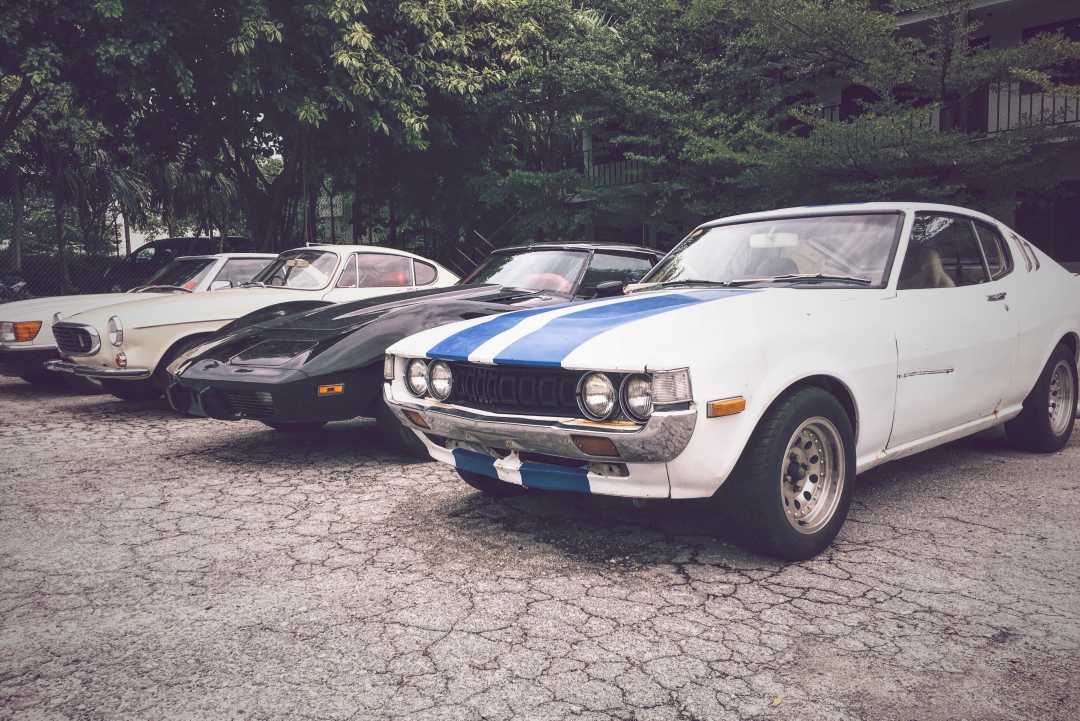
Outright advancements in the automotive sector have allowed car manufacturers to introduce exciting vehicles that differ from conventional cars. Muscle cars and sports cars have dedicated fanbases.
Widely loved for their unmatched aesthetics and top-end specifications, both these vehicles are like dream machines for most car owners. However, if you plan on buying one, which one should you choose?
Go through the detailed comparison between a muscle car and a sports car below and make an informed decision.

Table of Contents

If you compare with other mainstream private cars, sports cars and muscle cars beat them by a fair margin. Additionally, if you consider the engine power for these two highlighted vehicle types, they will be the go-to picks for car enthusiasts.
Sports cars and muscle cars belong to the same group of cars. However, they have many different traits which make them unique.
1. Sports Cars
Comparing the two, sports cars are more aerodynamic and fuel efficient. Additionally, car manufacturers produce them while being mindful of precision handling requirements. These cars boast impressive cornering capabilities at high speeds, which truly keep you grounded on the road. This helps enhance your overall driving experience.
A few key highlights about sports cars are provided below:
Performance: Known for their top speeds, sports cars deviate from their traditional versions, as is unlikely in today’s muscle cars, which differ less from their earlier models.
Handling: While driving a sports car, you should expect nothing less than highly responsive cornering and sharp steering. These two characteristics are the most pronounced features that set sports cars apart from other car types.
Fuel Efficiency: You get better mileage while driving a sports car than muscle cars.
Examples: Some world-famous examples of sports cars are the Porsche 911, Chevrolet Corvette, Mazda MX-5 Miata, Aston Martin V8 Vantage and Ferrari 250 GTO.
2. Muscle Cars
Muscle cars were originally developed in America between the 1960s and 1970s and are more about raw power and wide tyres. They are typically designed to achieve high speeds on straight lines and do not specialise in cornering like sports cars.
There’s a common saying that goes, “All muscle cars are sports cars, but not all sports cars are muscle cars.”
Some unique aspects of muscle cars are as follows:
Performance: Powered by a hefty V8 engine, a muscle car can produce tremendous straight-line speed. However, some models may be slightly disadvantaged due to the all-important power-to-weight ratio, whereas sports cars often prove more practical.
Handling: Although drivers do not face manoeuvrability issues when driving muscle cars, they may struggle while taking tight turns as these four-wheelers are not as agile as sports cars.
Fuel Efficiency: Car lovers who go for muscle cars tend to prioritise other factors over this aspect when selecting a vehicle model.
Examples: The most popular muscle car models include the Chevrolet Camaro, Ford Mustang Shelby GT500, Dodge Challenger, Pontiac Catalina, and Buick GNX.
Apart from the general differences stated above, the following are the key differences between muscle cars and sports cars:
Over the last 100 years, world-class car manufacturers of sports and muscle cars shifted gears. Consistent developments in car engines, aerodynamics, horsepower, and exterior aesthetics have further enhanced these cars’ appeal over time.
Below, we have structured together a detailed analysis of this evolution in the following sections:
Evolution of Sports Cars:
1910: First sports car - Mercedes Benz Classic with a 16-valve engine (160 Kmph).
1930: BNC-type sports car - Introduced the V-8 engine with 225 Kmph top speed.
1948: Ferrari 16MM Barchetta - A two-door, five-speed manual transmission sports car with a 209 Kmph top speed.
1966: Ford GT40 MK 1 – Came with a V-8 engine that could accelerate from 0 to 96 Kmph in just 5.1 seconds.
1972: Lamborghini Miura – Lamborghini’s first-ever sports car with an all-wheel drivetrain that could achieve a top speed of 300 Kmph.
1992: McLaren F1 - Boasted a horsepower of 550 per ton and came with two passenger seats.
Evolution of Muscle Cars:
1949: First Muscle Car: Oldsmobile introduced the ‘Rocket’, that could produce a commendable output of 135 HP.
1951: Hornet: Hudson Motor Car Company introduced the ‘Hornet’ which still maintains its legendary status as a leading race car.
1964: Pontiac GTO - Featured a much larger engine size and improved aesthetics, which dominated the image of muscle cars in the public's eye.
1970s: Downfall - The Federal Government acknowledged the Clean Air Act and most car insurance companies started charging higher premiums to those who owned a muscle car.
It is incredibly challenging to decide between these two highly desirable car types. However, you can ask yourself the following questions to decide whether a muscle car or a sports car will best suit your needs:
What Type of Exterior Appeals to You More?
If you prioritise a sleek finish, sports cars are the way to go! Alternatively, if you prefer a vehicle with bold looks and a striking road presence, then you should pick a muscle car.
How Fast are You Willing to Go on Road Turns?
If you live in an area where it is possible to take frequent sharp turns, sports cars can give you limitless enjoyable rides. On the other hand, muscle cars are made for driving in straight routes and are not that reputed for precision cornering and handling.
What Kind of Engine are You Looking for?
Generally fitted with V-8 engines, muscle cars offer unmatched revs. However, if you are not looking for such incredible power and are more into swift driving, then you may choose sports cars instead.
What’s Your Budget?
Sports cars are relatively cheaper and attract lower maintenance costs. However, you can compare the prices of popular models of both types online before making a well-informed decision.
Some of the best petrol-powered sports cars in India are as follows:

These prices are approximate ex-showroom or import estimates. On-road costs will be higher due to taxes, registration, and insurance.
Listed below are the top 5 muscle cars in India:
Ford, Chevrolet, and Dodge models are not officially sold in India; they are available only through private importers. Lexus RC F and Mercedes-AMG C63 S are/were officially available but in very limited numbers.
For Sports Cars: Fully electric sports cars have emerged over the past decade and are rapidly gaining popularity. Some of the most popular models in this regard include the Porsche Taycan, Rimac Nevera, Pininfarina Battista, Tesla Model S Plaid, Audi RS e-tron GT, and Lucid Air Sapphire.
With more mechanical innovations and a responsive driving experience, electric sports cars are set to drive the future of the automobile market.
For Muscle Cars: As far as muscle cars are concerned, 2023 has already bid farewell to many iconic models. However, a few top-selling models, such as the Ford Mustang, Dodge Charger, Chevrolet Camaro, and so on, continue to exist.
A few of the above-mentioned muscle cars are about to line up for Hurricane i6 engines, which will surpass the V-8 engine’s performance. Additionally, a new era of such vehicles will be ushered in with the introduction of e-muscle cars like the Ford Mustang Mach E.
Now that you have a clear idea of the key differences between muscle cars and sports cars, you are ready to make an informed purchase decision. Both vehicle types have unique features. So, weigh out their pros and cons and see whether they align with your preferences before making your decision.