General
Life
Accessibility Options


General

General Products
Simple & Transparent! Policies that match all your insurance needs.
 Car Insurance
 Two Wheeler Insurance
 Commercial Vehicle Insurance
 Health Insurance
 Home Insurance
 Travel Insurance
 Business Insurance
Car Insurance
Two Wheeler Insurance
Commercial Vehicle Insurance
Health Insurance
Travel Insurance
Business Insurance
Car Insurance
Two Wheeler Insurance
Commercial Vehicle Insurance
Health Insurance
Travel Insurance



Scan to download

Life

Life Products
Digit Life is here! To help you save & secure your loved ones' future in the most simplified way.
 Term Life
 Savings Plan
 Retirement and Pension Plans
 Group Life Products
 Product Documents
Term Life
Savings Plan
Retirement and Pension Plans
Group Life Products
Product Documents
Term Life
Savings Plan
Retirement and Pension Plans
Group Life Products

Scan to download

Claims

Claims
We'll be there! Whenever and however you'll need us.
 Customer Support
 Motor Claims
Health Claims
Motor Claims
Health Claims
 Marine Insurance
 Grievance Redressal
Customer Support
Motor Claims
Health Claims
Marine Insurance
Grievance Redressal
Grievance Redressal
Customer Support
Motor Claims
Health Claims
Marine Insurance
Grievance Redressal
Scan to download
 General
 Life
General
Life
Life
General
Life
Renewals
Resources

Resources
All the more reasons to feel the Digit simplicity in your life!
Exclusive Features
 Transparency Report
Others
Exclusive Features
Transparency Report
Transparency Report
Others
Exclusive Features
Transparency Report
Scan to download


Our WhatsApp number cannot be used for calls. This is a chat only number.

 Grey Scale
 Readable Text
 Reset
Reset




10000+ Cashless Garages
1.5 Cr+ Policies Sold


Check Price

Car insurance Online, Up to 90% Discount
It's a Brand New Car
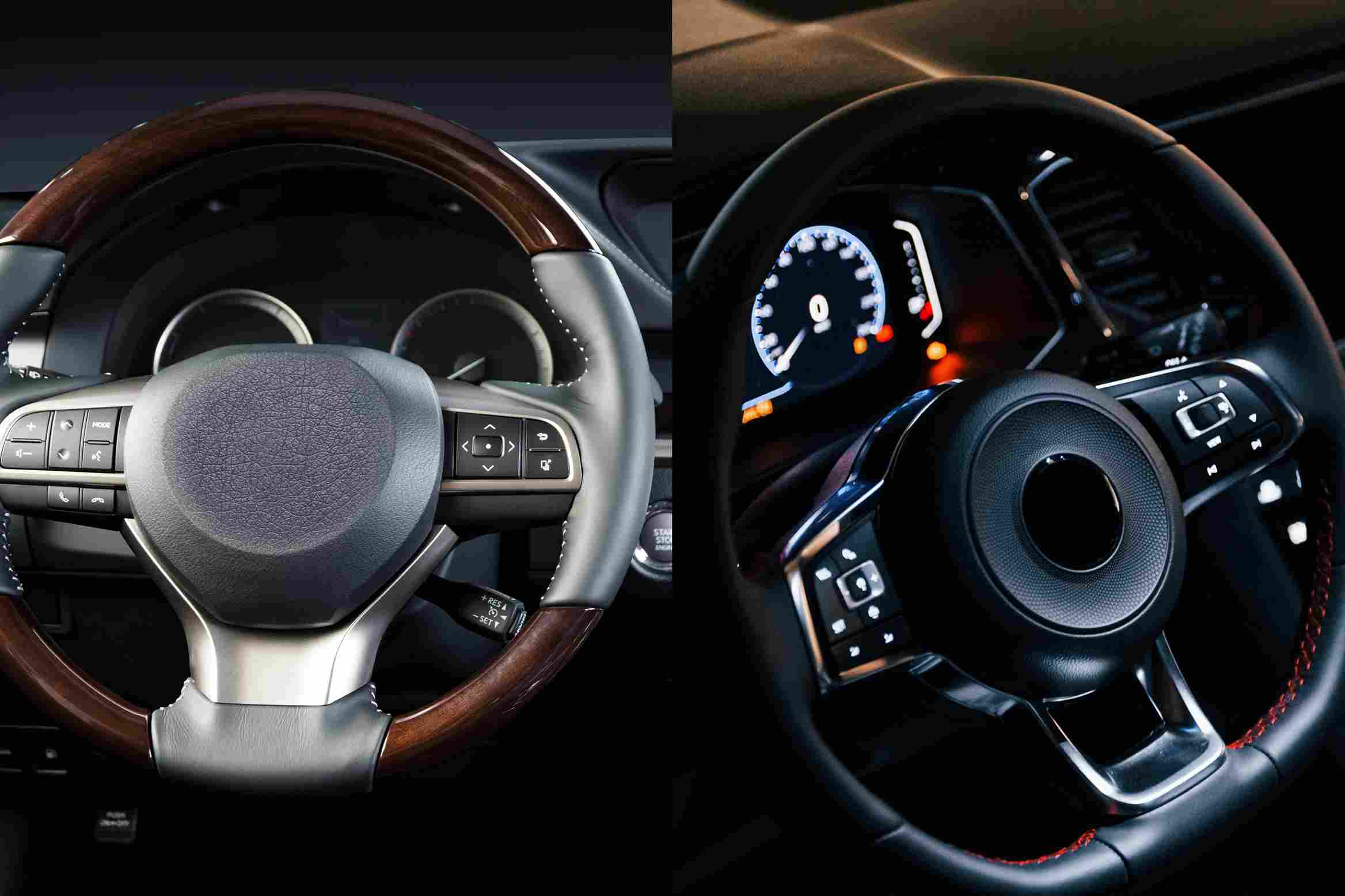
Power steering these days has become extremely popular due to the effortless driving experience. It features an additional source that amplifies the power input significantly. There are two types of power steering – hydraulic power steering and electric power steering. Although both of them serve a similar purpose, their working principle differs significantly.
Nonetheless, before proceeding with hydraulic power steering vs electric steering, you must have a clear idea regarding how they work.

Table of Contents

A power steering system that uses hydraulic fluids to amplify steering to a significant extent is known as hydraulic power steering. The engine pumps steering fluids from the reservoir via pulleys to a pinion. As soon as the driver starts rotating the steering wheel, the fluid exerts an intensified hydraulic pressure on the gear of the vehicle's wheel. This ensures faster turning with less effort.
It has several components such as a hydraulic piston, return lines, hydraulic control valve, rack housing, and pinion gear. Hence, they require servicing from time to time.
The electric steering is a sophisticated form of power steering that uses sensors to increase the drivability of a vehicle with extremely less effort.
Electric steering works by drawing power from the electrical system of the vehicle. They have torque sensors to detect the amount of force applied by a driver while driving. Accordingly, they assist by compensating the remaining force in order to ensure a smooth and almost effortless driving experience.
Their components include a pinion shaft, rack-and-piston housing, steering torque sensor, ball-screw mechanism, belt drives, electric motor, and steering rack.
Now that you know about how they work, let's proceed to hydraulic power steering vs electric steering to know which system would suit your needs the most.
The differences between power and electric steering are as follows:
Now that you know the exact points related to hydraulic power steering vs electric steering, you can easily choose the car with the steering system that suits you the best. However, you must service your vehicle's system at appropriate time intervals to ensure greater performance.
It is, therefore, essential to know the difference between hydraulic power steering and electric steering before deciding. Hydraulic power steering uses hydraulic fluids and is tough with a good road feel, but it is relatively heavy and calls for frequent services. Electrical steering is compact in weight, powered with sensors for smooth control and primarily requires minimal maintenance.
Each system has advantages and disadvantages. One should choose based on one's preferences regarding car driving availability, budget, and maintenance. Regular servicing is essential to ensure optimal performance, regardless of the steering system.
Pros of electric steering are:
Cons of electric steering are:
Pros of hydraulic power steering are:
Cons of hydraulic power steering are:
Electric steering is considered superior mainly because of its inherent technology, low maintenance requirements and better fuel economy. It offers better response at different velocities or accelerations and is more wear-resistant.
However, hydraulic power steering offers more road feedback and, in some cases, can be cheaper than the electric version as it does not require a pump. The choice depends on your priorities.
Electric power steering can fail due to several reasons, including:
This can easily be avoided by doing proper maintenance on the system and timely inspection and replacement of parts that would be badly worn out.