General
Life
Accessibility Options


General

General Products
Simple & Transparent! Policies that match all your insurance needs.
 Car Insurance
 Two Wheeler Insurance
 Commercial Vehicle Insurance
 Health Insurance
 Home Insurance
 Travel Insurance
 Business Insurance
Car Insurance
Two Wheeler Insurance
Commercial Vehicle Insurance
Health Insurance
Travel Insurance
Business Insurance
Car Insurance
Two Wheeler Insurance
Commercial Vehicle Insurance
Health Insurance
Travel Insurance


Scan to download

Life

Life Products
Digit Life is here! To help you save & secure your loved ones' future in the most simplified way.
 Term Life
 Savings Plan
 Retirement and Pension Plans
 Group Life Products
 Product Documents
Term Life
Savings Plan
Group Life Products
Product Documents
Term Life
Savings Plan
Group Life Products
Scan to download

Claims

Claims
We'll be there! Whenever and however you'll need us.
 Customer Support
 Motor Claims
Health Claims
Motor Claims
Health Claims
 Marine Insurance
 Grievance Redressal
Customer Support
Motor Claims
Health Claims
Marine Insurance
Grievance Redressal
Grievance Redressal
Customer Support
Motor Claims
Health Claims
Marine Insurance
Grievance Redressal
Scan to download
 General
 Life
General
Life
Life
General
Life
Renewals
Resources

Resources
All the more reasons to feel the Digit simplicity in your life!
Exclusive Features
 Transparency Report
Others
Exclusive Features
Transparency Report
Transparency Report
Others
Exclusive Features
Transparency Report
Scan to download


Our WhatsApp number cannot be used for calls. This is a chat only number.

 Grey Scale
 Readable Text
 Reset
Reset




9000+ Cashless Garages
1.2 Cr+ Policies Sold


Check Price

Car insurance Online, Up to 90% Discount
It's a Brand New Car
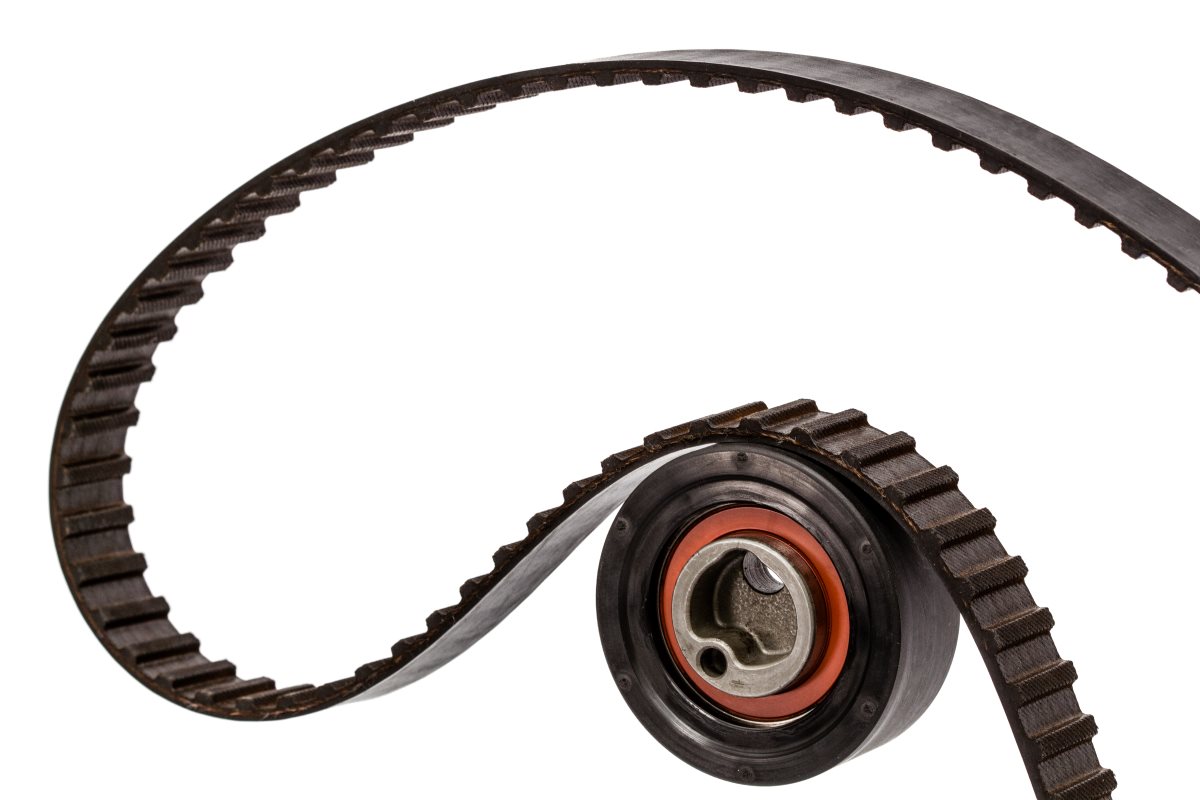
When it comes to cars, every component plays a crucial role in ensuring smooth functionality. One such essential component is the belt drive system, the backbone of various mechanical operations within a car, facilitating power transfer from one part to another.
Understanding belt drive function, types, and intricacies is essential for any car enthusiast or technician.
Belt drives are mechanisms used to transmit power between rotating shafts. It transfers power from the engine to various components like the alternator, water pump, and air conditioning compressor.
They operate based on friction and are integral to the functioning of many automotive systems.
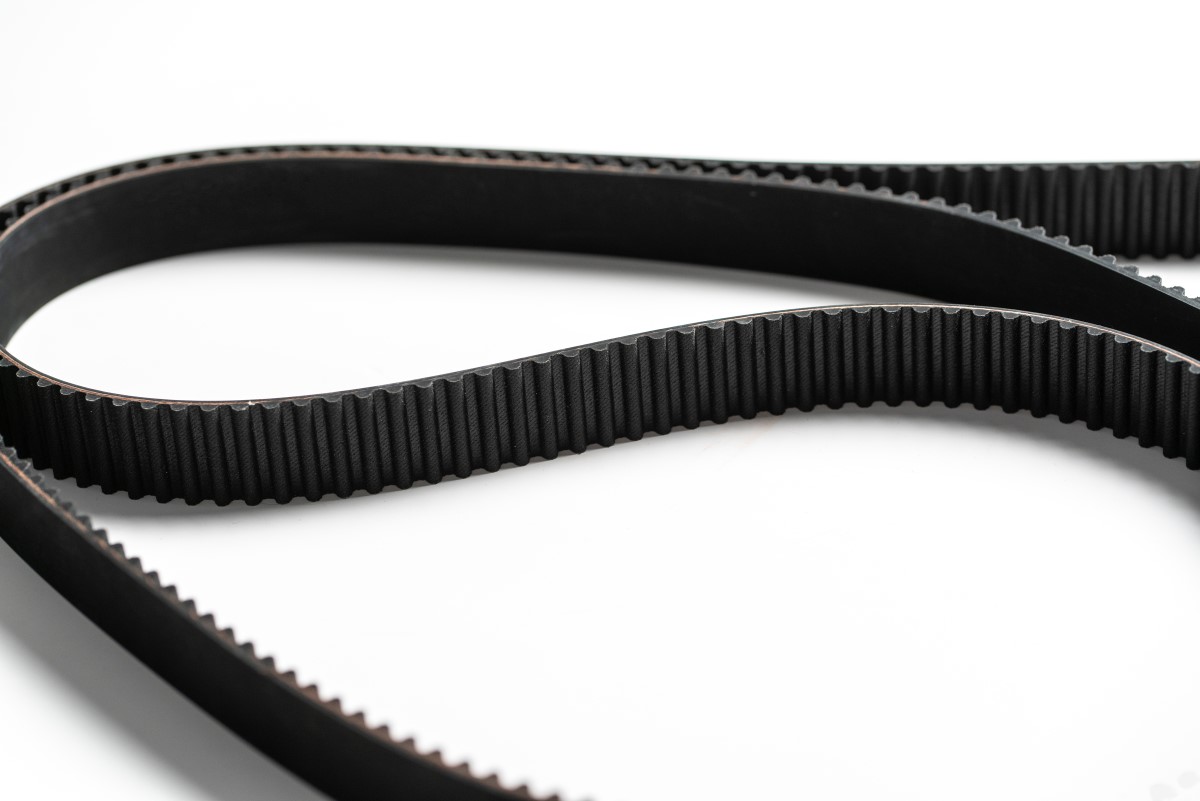
Belts come in various types, each designed to suit specific applications. The three types of belts used in the belt drive mechanism are:
Flat belts offer several advantages and disadvantages in automotive applications:
The advantages of flat belts are as follows:
The disadvantages of flat belts are as follows:
V belts feature a trapezoidal section crafted as continuous loops from rubber strengthened with fibrous material. They operate within V-grooves carved into the pulleys.
The gripping effect of the belts within the V-grooves empowers them to convey greater torques, due to which, this belt is widely used in cars. The power transmitted by a V-belt drive can be augmented by utilising multiple belts arranged side by side.
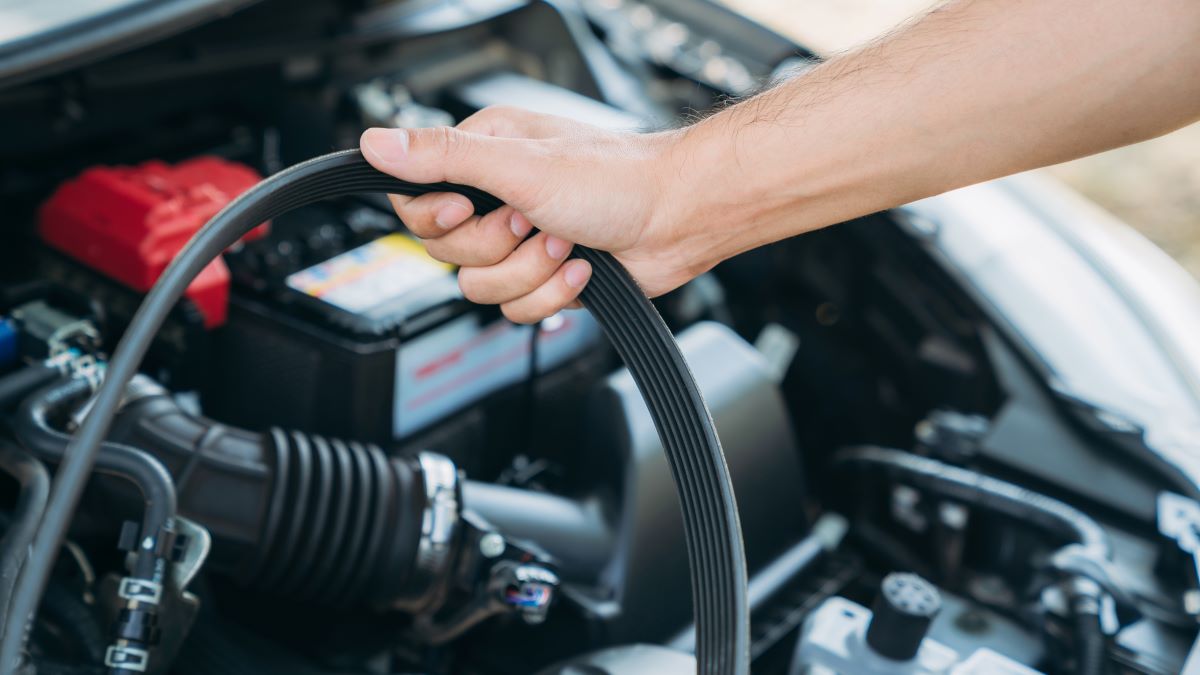
Belts used in automotive applications are typically made from various materials, including:
Various configurations of belt drives exist, each offering distinct functions, four common types of belt drives are:
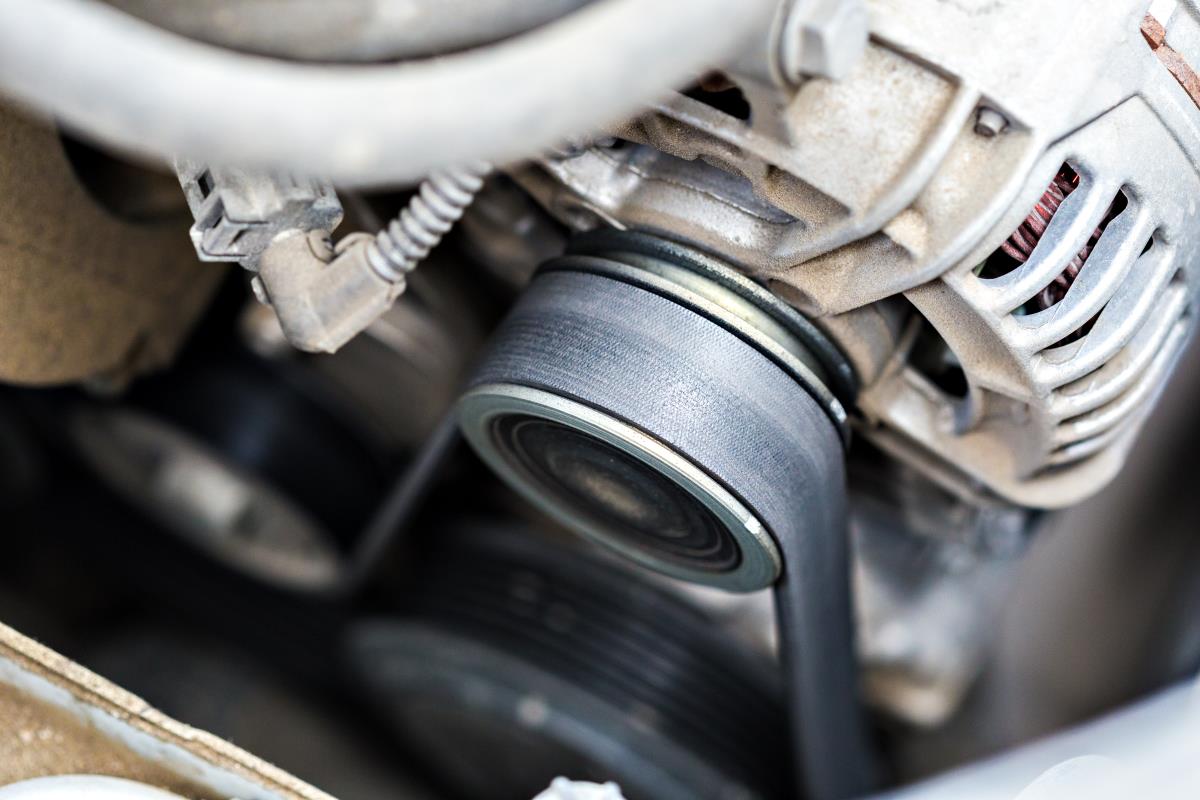
Slip and creep are common occurrences in belt drives, affecting their efficiency and performance:
Slip in a belt drive occurs when the belt fails to maintain traction with the pulley surfaces, resulting in a loss of power transmission efficiency. Factors such as insufficient tension, excessive load, or surface contaminants can contribute to slip in belt drives.
Monitoring belt tension, load conditions, and pulley alignment is essential for preventing slip and ensuring reliable operation of the drive system in automotive applications.
Creep refers to the gradual deformation of the belt over time, particularly in applications involving high torque or constant tension. This phenomenon can lead to misalignment of pulleys and uneven wear on the belt, ultimately compromising the integrity of the drive system.
Implementing proper tensioning mechanisms and using high-quality, durable belts can help mitigate belt creep and prolong the service life of the drive components.
When selecting a belt drive for a specific automotive application, several factors need to be considered, such as:
Belt drives play a crucial role in automotive systems, offering efficient power transmission with various types and configurations suited for different applications. Understanding slip, creep, and the factors influencing belt drive selection is essential for optimising performance and reliability in automotive engineering.