General
Life
Accessibility Options


General

General Products
Simple & Transparent! Policies that match all your insurance needs.
 Car Insurance
 Two Wheeler Insurance
 Commercial Vehicle Insurance
 Health Insurance
 Home Insurance
 Travel Insurance
 Business Insurance
Car Insurance
Two Wheeler Insurance
Commercial Vehicle Insurance
Health Insurance
Travel Insurance
Business Insurance
Car Insurance
Two Wheeler Insurance
Commercial Vehicle Insurance
Health Insurance
Travel Insurance



Scan to download

Life

Life Products
Digit Life is here! To help you save & secure your loved ones' future in the most simplified way.
 Term Life
 Savings Plan
 Retirement and Pension Plans
 Group Life Products
 Product Documents
Term Life
Savings Plan
Retirement and Pension Plans
Group Life Products
Product Documents
Term Life
Savings Plan
Retirement and Pension Plans
Group Life Products

Scan to download

Claims

Claims
We'll be there! Whenever and however you'll need us.
 Customer Support
 Motor Claims
Health Claims
Motor Claims
Health Claims
 Marine Insurance
 Grievance Redressal
Customer Support
Motor Claims
Health Claims
Marine Insurance
Grievance Redressal
Grievance Redressal
Customer Support
Motor Claims
Health Claims
Marine Insurance
Grievance Redressal
Scan to download
 General
 Life
General
Life
Life
General
Life
Renewals
Resources

Resources
All the more reasons to feel the Digit simplicity in your life!
Exclusive Features
 Transparency Report
Others
Exclusive Features
Transparency Report
Transparency Report
Others
Exclusive Features
Transparency Report
Scan to download


Our WhatsApp number cannot be used for calls. This is a chat only number.

 Grey Scale
 Readable Text
 Reset
Reset




10000+ Cashless Garages
1.5 Cr+ Policies Sold


Check Price

Car insurance Online, Up to 90% Discount
It's a Brand New Car
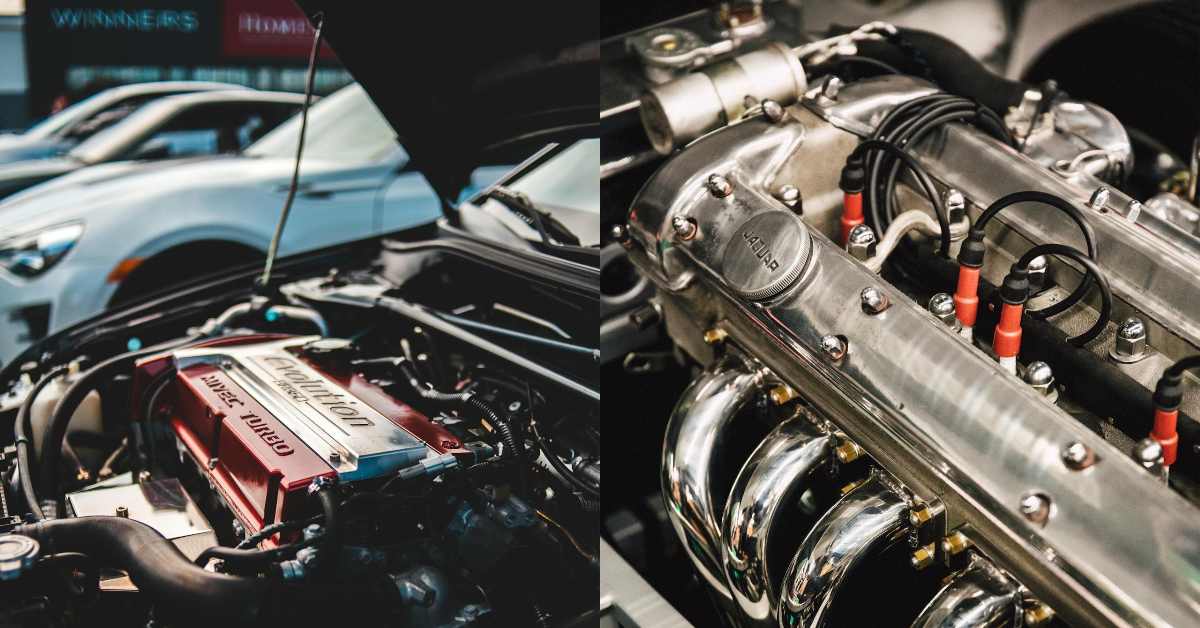
One of the most crucial determinants when buying a car is the engine that will power it. In recent years, turbocharged and naturally aspirated engines have been the most commonly used engines. Each has significant advantages and trade-offs.
Turbocharged engines are very popular because they ensure a rise in power without harming efficiency. Naturally aspirated engines remain popular for their reliability and immediate throttle response. Continue reading the article to understand the difference between turbo vs naturally aspirated engines. Thus, make an appropriate decision for the engine you need.

Table of Contents

A naturally aspirated engine relies on atmospheric pressure to pull its air into the combustion chamber. In an intake stroke, the piston will drop and create a vacuum inside the combustion chamber. It would suck in the air without the need for any additional outside assistance. It is an essential mechanism that has been around in automotive engineering for decades.
Naturally aspirated engines deliver linear power delivery and immediate throttle response. They are more reliable and easier to maintain without extra components like a turbocharger. However, the atmospheric pressure output power limitation affects their performance at higher altitudes.
A turbocharged engine employs a turbocharger that helps compress more air into the combustion chamber. The turbocharger contains a turbine and a compressor. The exhaust gases turn the turbine, acting on the compressor and pushing the air drawn in. Smaller engines deliver power on par with their counterparts.
Turbocharged engines provide better performance and better fuel efficiency. They produce more power by using exhaust gases to force air into the engine without increasing its size. However, they suffer from turbo lag and need more careful maintenance because of the extra parts.
The choice between a turbocharged and an aspirated engine results from several considerations. Here are some key differences between them:
Naturally aspirated engines are simple and reliable. They use atmospheric pressure to draw air. They give smooth power but are less fuel-efficient and provide lower power than turbocharged engines. Below are their advantages and disadvantages:
Turbocharged engines deliver more power with improved fuel economy, but can be sophisticated and thus emit more energy. The advantages and disadvantages of turbocharged engines are described below:
Both engines have characteristic driving. Natural aspiration engines allow for smooth and predictable power. A turbocharged engine offers a power surge. Here is a table with the more detailed views:
A naturally aspirated engine sucks the air into its cylinders without the application of any outside force, such as a turbocharger. Such engines are reliable and straightforward, but usually larger to create enough power. They consume more fuel per unit of power produced. Thus, it emits more CO₂, NOₓ, and PM into the atmosphere, causing air pollution.
A turbocharged engine will use exhaust gases to spin a turbine, forcing more air into the combustion chamber. Doing so increases the power output, allowing an engine to be smaller, hence a better fuel economy with less CO₂. It can produce a higher amount of NOₓ and carbon monoxide due to the increased pressure from the combustion.
Choosing between a turbocharged and a naturally aspirated (NA) engine depends on your driving needs. Turbo engines offer more power and fuel efficiency, while NA engines provide reliability and smoother performance. Understanding your primary needs will help you pick the right vehicle.
Reliability and maintenance are key when choosing an engine for everyday use. Naturally aspirated (NA) engines are easier to maintain because of their straightforward design and last longer. They are the best for daily commuters.
Turbocharged engines have more power and acceleration for people who enjoy high performance. They offer a far more thrilling ride at a higher speed. Turbo engines speed up fast, thus providing an enjoyable ride for those who love speed.
Turbo engines deliver more power using less fuel. This is one place where turbo engines burn less fuel. This is because the turbocharger uses smaller engines. With a turbo engine, one can get outstanding fuel economy without poor performance.
Naturally aspirated engines last longer and experience less complexity. Over the years, they have proven to be effective. The NA engines have fewer components and do not work with the help of a turbo.
Turbocharged engines have become a favourite in India because they offer higher performance and greater efficiency in fuel usage. Some of the cars provided in the Indian market with turbocharged engines include:
| Tata Indica | Hyundai Creta |
| Tata Nexon | Kia Sonet |
| Mahindra Scorpio N | Toyota Fortuner |
| Mahindra Thar ROXX | Toyota Innova Crysta |
| Mahindra XUV700 | Maruti FRONX |
Naturally aspirated engines, which draw air into the combustion chamber without forced induction, are favoured for their simplicity and linear power delivery. Below is a selection of cars available in the Indian market equipped with these engines:
| Tata Indica | Škoda Rapid |
| Hyundai Alcazar | Tata Tiago |
| Tata Tigor | Hyundai i20 |
| Maruti Suzuki Swift | Honda City |
| Toyota Innova Crysta | Mahindra Bolero |
In conclusion, a turbocharged engine will enhance your driving experience if you desire performance with effective fuel economy and rapid acceleration. A naturally aspirated engine is efficient if you prefer reliability and daily commutation.
Thus, it becomes a question of which side you are on: performance or fuel savings over durability. So, select the engine you need based on your requirements and preferences to get its full benefits.