General
Life
Accessibility Options


General

General Products
Simple & Transparent! Policies that match all your insurance needs.
 Car Insurance
 Two Wheeler Insurance
 Commercial Vehicle Insurance
 Health Insurance
 Home Insurance
 Travel Insurance
 Business Insurance
Car Insurance
Two Wheeler Insurance
Commercial Vehicle Insurance
Health Insurance
Travel Insurance
Business Insurance
Car Insurance
Two Wheeler Insurance
Commercial Vehicle Insurance
Health Insurance
Travel Insurance



Scan to download

Life

Life Products
Digit Life is here! To help you save & secure your loved ones' future in the most simplified way.
 Term Life
 Savings Plan
 Retirement and Pension Plans
 Group Life Products
 Product Documents
Term Life
Savings Plan
Retirement and Pension Plans
Group Life Products
Product Documents
Term Life
Savings Plan
Retirement and Pension Plans
Group Life Products

Scan to download

Claims

Claims
We'll be there! Whenever and however you'll need us.
 Customer Support
 Motor Claims
Health Claims
Motor Claims
Health Claims
 Marine Insurance
 Grievance Redressal
Customer Support
Motor Claims
Health Claims
Marine Insurance
Grievance Redressal
Grievance Redressal
Customer Support
Motor Claims
Health Claims
Marine Insurance
Grievance Redressal
Scan to download
 General
 Life
General
Life
Life
General
Life
Renewals
Resources

Resources
All the more reasons to feel the Digit simplicity in your life!
Exclusive Features
 Transparency Report
Others
Exclusive Features
Transparency Report
Transparency Report
Others
Exclusive Features
Transparency Report
Scan to download


Our WhatsApp number cannot be used for calls. This is a chat only number.

 Grey Scale
 Readable Text
 Reset
Reset




10000+ Cashless Garages
1.5 Cr+ Policies Sold


Check Price

Car insurance Online, Up to 90% Discount
It's a Brand New Car
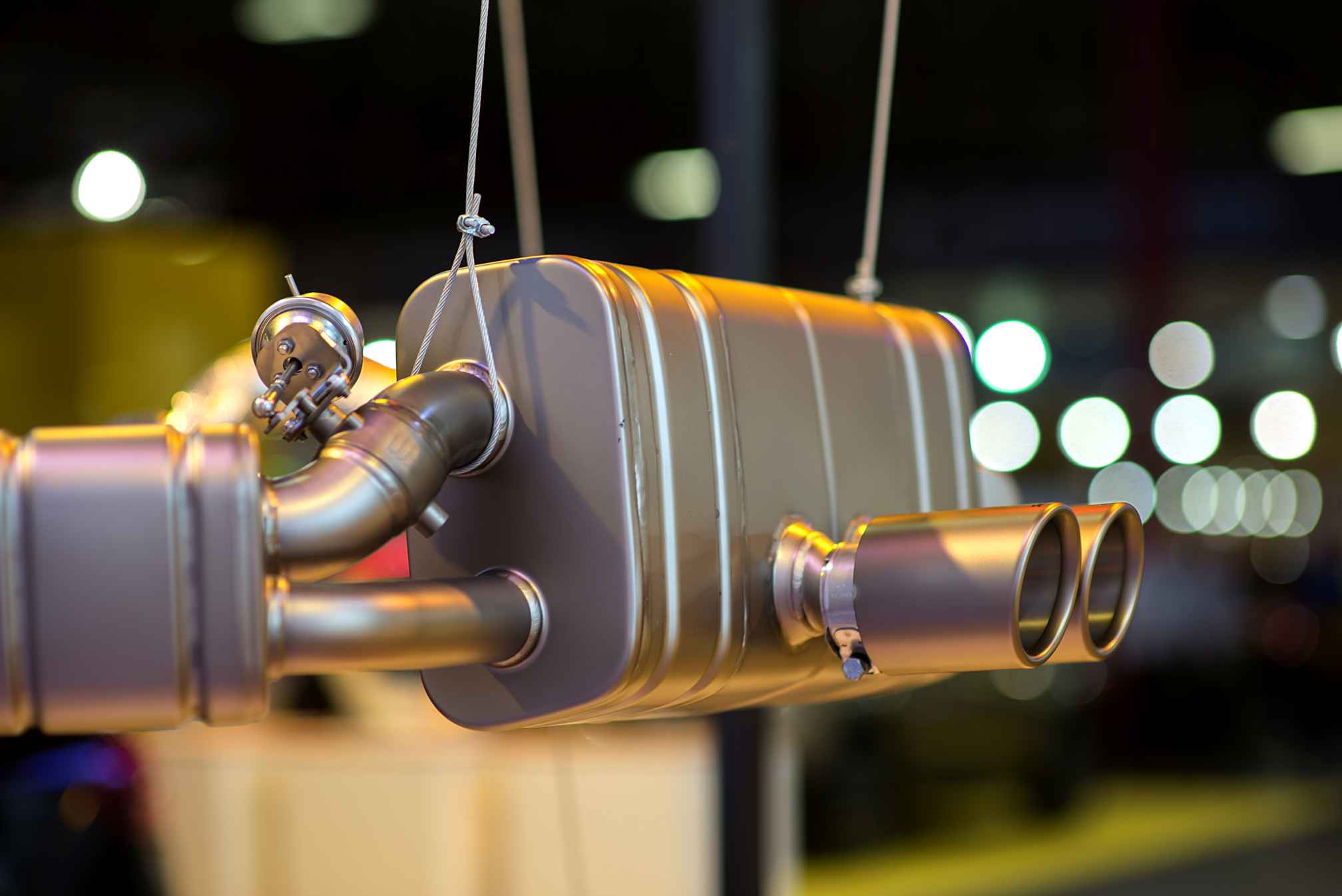
In recent years, reducing vehicle emissions has become the most critical need. The car catalytic converter is among the most effective technologies in combating car pollution. It plays a crucial role in transforming the harmful gases the engine produces. Every modern car has a catalytic converter to combat pollution.
Continue reading the article to explore how the catalytic converter works. Understand the types of catalytic converters and the device's usefulness in modern automobile technology.

Table of Contents

A car catalytic converter is a crucial part of the exhaust system that reduces the amount of harmful emissions emitted by the engine. The process involves the conversion of toxic gases like carbon monoxide, nitrogen oxides, and hydrocarbons. These turn into harmless carbon dioxide and water vapour through a chemical reaction.
The catalytic converter ensures that vehicles are environmentally friendly. It also improves the air quality to provide better engine performance.
A car's catalytic converter is essential in reducing harmful emissions from vehicles. Here are the steps that outline what happens inside a converter:
When fuel does not burn completely, it produces polluting gases like hydrocarbons, carbon monoxide, and nitrogen oxides. These come out through the exhaust valves and enter the converter.
The gases pass through a ceramic honeycomb structure with a coating of catalyst materials inside the converter. The honeycomb shape enhances exposure due to its unique design.
The polluting gases interact with the catalysts and convert through redox into simple molecules. These are carbon dioxide, nitrogen, and vapour of water, which is much less harmful.
The converted gases exit the converter and flow through the rest of the exhaust system and out of the pipe. Converters slash hydrocarbon and CO emissions by up to 90% and NOx by 80%.
Oxygen sensors are present before and after to check conversion efficiency and provide feedback to the engine computer. This ensures optimal conditions inside the converter.
Catalytic converters are a significant component in reducing vehicle emissions. Modern catalytic converters help cut nitrogen oxides, carbon monoxide, and hydrocarbons in cars by as much as 90%. These devices improve air quality and keep vehicles up to environmental standards.
Catalytic converters are critical to environmental protection and vehicle efficiency. They ensure that the poisonous gases emitted by the vehicle are converted into less harmful ones, which means that the vehicles emit less toxic emissions. Thus, it will reduce the effect that cars have on air quality.
There are various types of car catalytic converters. Each serves different vehicles and different standards of emissions. The following are the primary three types:
A car catalytic converter has vital components that allow it to decrease harmful emissions. The main element is the catalyst substrate, a ceramic or metallic material with a honeycomb or mesh structure that provides a large surface area for chemical reactions.
The substrate has precious metal coatings like platinum, palladium, and rhodium, which act as catalysts for converting toxic gases. There is also a heat shield that protects the surrounding components from the heat caused by chemical reactions. All these parts transform harmful gases into less toxic substances.
Catalytic converters last many years. However, they can encounter issues affecting vehicle performance and emissions over time. Some common problems are:
The catalyst substrate of the converter blocks. This is due to soot, carbon deposits, and other debris. As such, the exhaust gas flow is lower, reducing engine performance.
The metals overlaying the catalyst can wear out or damage due to excessive exposure to extreme heat, contamination, or engine misfires. If the catalyst fails, the converter cannot convert toxic fumes.
Catalytic converters can overheat if the engine is running too high (too much fuel) or a problem, such as an exhaust leak. The overheating could cause internal parts to melt or degrade. This results in a total failure of the converter.
The catalytic converter is underneath the vehicle, which exposes it to road debris, accidents, or improper handling. Physical damage, like dents or cracks, may degrade its performance. It can break on the inside.
Oxygen sensors check the exhaust gases before and after the catalytic converter. Failure of these sensors leads to improper air-fuel mixture adjustments. This causes the catalytic converter to work too hard and fail.
You might hear a rattling noise from the catalytic converter, which indicates that the internal honeycomb structure has broken loose or become damaged. This reduces the converter's effectiveness and requires costly repairs or replacement.
Catalytic converter theft is an emerging issue as they contain precious and expensive metals like platinum, palladium, and rhodium. Here is a checklist for the prevention of thefts;
Park your car in a well-lit, busy area or a secure parking garage. Park facing your catalytic converter to a fence, wall, or immovable object.
Use a unique identification number or your vehicle's VIN. This marks your catalytic converter and will help authorities track stolen parts.
Install a catalytic converter protection device, such as a steel shield or cage, to make it more difficult for thieves to access the converter.
Engraving your vehicle's VIN onto the catalytic converter makes tracing easier. It will discourage theft.
Install motion-sensitive security cameras or alarms around your vehicle. Some systems can trigger a loud alarm or alert you.
Some immobilisers can only start your car if a key or fob is present. They provide an extra layer of security.
These simple steps can minimise the risk of catalytic converter theft and protect your vehicle from potential damage and costly replacements.
You must maintain and clean your car's catalytic converter for its longevity and efficiency. Here is a step-by-step guide to keep it in optimal condition:
First, observe the check engine light on your vehicle. Illumination may show possible problems with the catalytic converter or exhaust system. The decline in fuel efficiency calls for an inspection.
Look for damage that is visible to the naked eye. The catalytic converter may have cracks, dents, or rusted parts. If the converter has physical damage, cleaning cannot fix it, so it must be replaced.
Maintaining your engines and exhausts prevents the causes that damage the catalytic converter. Set the faulty oxygen sensors, misfires, and exhaust leaks.
Some fuel additives help clean the catalytic converter by breaking up carbon buildup. Add the additive to the gas tank according to the manufacturer's instructions. Drive a short distance to allow the additive to work.
A high-rev procedure is beneficial if carbon buildup is the problem. With your vehicle in neutral, run the engine at higher RPMs (2,000 and 3,000) for 10 to 15 minutes. The excess carbon deposits will burn off.
Pay attention to how the car performs and the emissions after cleaning. See if the check engine light is still showing or if the vehicle shows less fuel efficiency. The catalytic converter may need replacement.
Car catalytic converters are critical in safeguarding the environment. They significantly decrease the amount of toxic fumes released from vehicle exhaust and assist in transforming harmful gases into more benign compounds, including carbon monoxide, nitrogen oxides, hydrocarbons, carbon dioxide, and water.
Thus, catalytic converters lower pollutants such as smog, acid rain and greenhouse gases, thereby minimising environmental impacts.
Catalytic converters are a crucial element in minimising vehicle harmful emissions. It largely contributes to environmental protection and improves air quality. However, catalytic converters have remained attractive to thieves because of the high-value metals inside them.
With further development of technology, catalytic converters will be even more efficient and longer-lasting, further reducing the release of emissions by vehicles, hence guaranteeing a safe transport mode for all.