General
Life
Accessibility Options


General

General Products
Simple & Transparent! Policies that match all your insurance needs.
 Car Insurance
 Two Wheeler Insurance
 Commercial Vehicle Insurance
 Health Insurance
 Home Insurance
 Travel Insurance
 Business Insurance
Car Insurance
Two Wheeler Insurance
Commercial Vehicle Insurance
Health Insurance
Travel Insurance
Business Insurance
Car Insurance
Two Wheeler Insurance
Commercial Vehicle Insurance
Health Insurance
Travel Insurance


Scan to download

Life

Life Products
Digit Life is here! To help you save & secure your loved ones' future in the most simplified way.
 Term Life
 Savings Plan
 Retirement and Pension Plans
 Group Life Products
 Product Documents
Term Life
Savings Plan
Retirement and Pension Plans
Group Life Products
Product Documents
Term Life
Savings Plan
Retirement and Pension Plans
Group Life Products

Scan to download

Claims

Claims
We'll be there! Whenever and however you'll need us.
 Customer Support
 Motor Claims
Health Claims
Motor Claims
Health Claims
 Marine Insurance
 Grievance Redressal
Customer Support
Motor Claims
Health Claims
Marine Insurance
Grievance Redressal
Grievance Redressal
Customer Support
Motor Claims
Health Claims
Marine Insurance
Grievance Redressal
Scan to download
 General
 Life
General
Life
Life
General
Life
Renewals
Resources

Resources
All the more reasons to feel the Digit simplicity in your life!
Exclusive Features
 Transparency Report
Others
Exclusive Features
Transparency Report
Transparency Report
Others
Exclusive Features
Transparency Report
Scan to download


Our WhatsApp number cannot be used for calls. This is a chat only number.

 Grey Scale
 Readable Text
 Reset
Reset




10000+ Cashless Garages
1.5 Cr+ Policies Sold


Check Price

Car insurance Online, Up to 90% Discount
It's a Brand New Car
A car has many underlying safety systems that you may not always notice. But without these, your car will run with a lot of risks. One such system is the traction control system. Traction, grip, and stability are a few of the things that add to a safe driving experience.
Find more about car traction control systems and their relevant details here.

Table of Contents

Traction Control System is an electronic safety feature in a car. It identifies if there is a loss of traction among the car wheels. Upon identification of that particular wheel, it applies the brake or cuts down the power supply from the engine to that wheel.
This automatic system utilises similar sensors as the anti-lock braking system or ABS. If a wheel loses its grip, it is no longer in contact with the road. It can lead to accidents and other dangerous situations.
A traction control system was introduced way back in the 1970s in passenger cars. However, these early systems weren't that reliable or widespread due to technological limitations. It was the late 1980s or early 1990s when this system became more sophisticated and conventional.
The system that you get to see in cars nowadays is a result of the gradual and increased use of complex electronic systems in cars.
A traction control system aims to identify when a tyre loses its grip or lifts up from the road surface. Upon identifying the wheel, the ABS detector cuts down the power supply from the engine momentarily and intends to slow down the spinning rate of that wheel to regain traction.
A TCS can be fitted to a front-wheel drive, rear-wheel drive or all-wheel drive vehicle, and it will work similarly. So, it doesn't matter which wheels are active; a TCS will detect if a wheel loses road contact and do the needful to regain friction.
The traction control system is a safety feature. This is the only reason why it is used in cars. To elaborate, TCS is used in cars because traction isn't always available. This feature helps drivers to avoid hydroplaning or slipping off the road.
In muddy or slippery road conditions, losing grip or spinning off the road is common. Even the most experienced drivers might find it difficult to handle such situations. This is why cars need to have a traction control system.
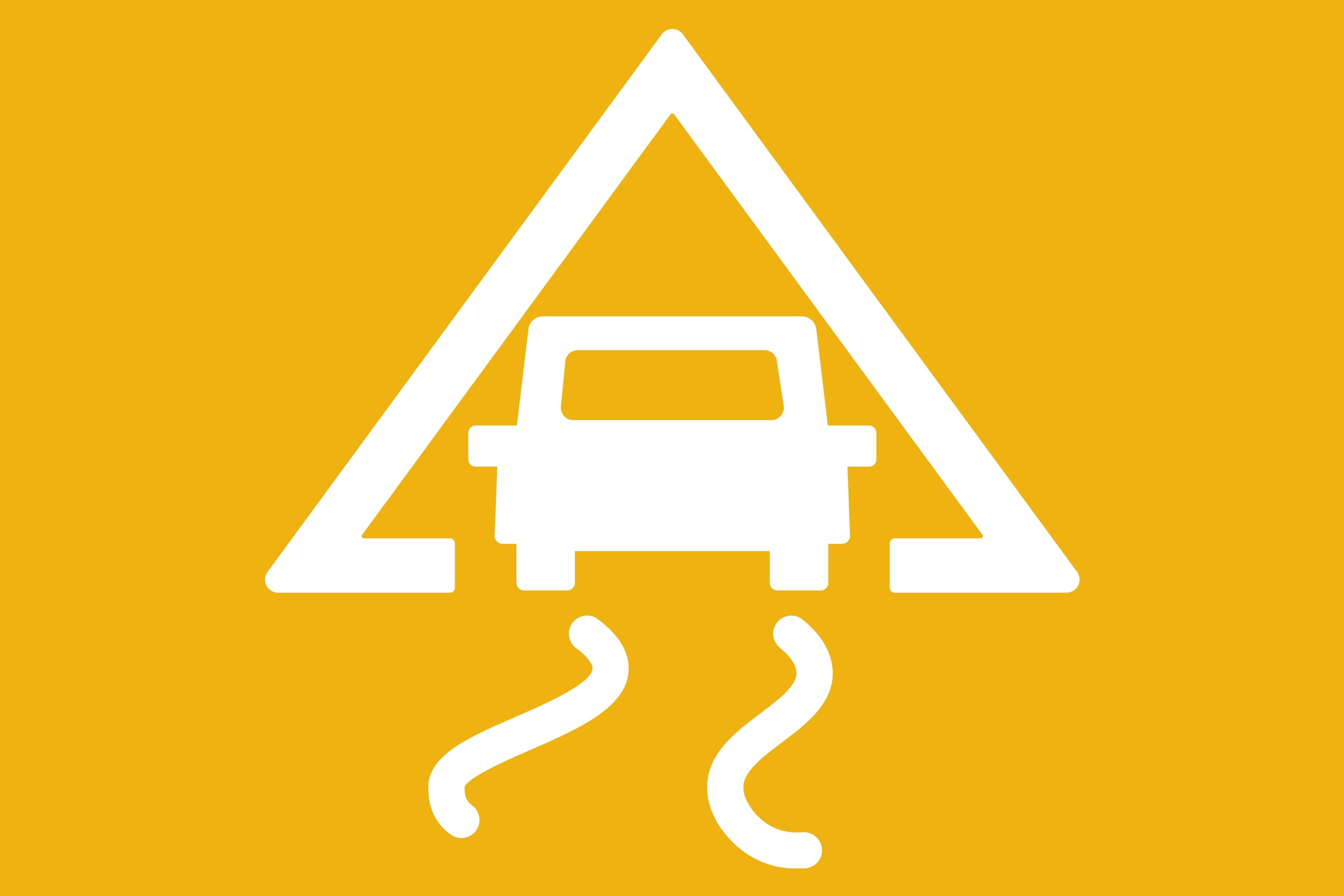
You can find the yellow coloured TCS light on the dashboard. This light may come on at times. So, what does it mean when the light comes on?
Here are the 5 most common causes why the TCS light might appear on the dashboard:
ABS control unit failure
ABS sensor failure
Issues in the ABS/magnetic ring
Water filtering into the ABS sensor connectors
Issues in the wiring to the ABS sensors
Here are the three types of TCS light indicators and their causes:
Constantly on
If the TCS light is constantly on, along with the ABS indicator, it means something is not right in your traction control system. You can read the codes in the ABS control unit or have your mechanic take a look.
With an OFF sign underneath
This means that your TCS is off. You can manually turn the TCS on and off with a button inside your car. If you cannot find the button, go through the manual given to spot the button.
Starts flashing as soon as acceleration begins
TCS light flashing indicates that the road surface is lacking friction. This usually happens when the road is muddy, slippery, or icy. However, if this scenario occurs when your car slows down, or the road offers enough friction, there might be some issue with your car's ABS (anti-lock braking system).
A traction control system offers several advantages, mostly related to safety. Take a look at some of the most beneficial factors:
Enhanced cornering control with traction control
TCS aids in maintaining control around the corners. While cornering, if the speed of the wheels does not match the overall acceleration of the car, TCS turns on. Hence, the balance is of utmost importance. If you apply more throttle, without TCS, the wheels may slide.
Slippage management & safety
In some vehicles, TCS can manage the spinning of wheels by limiting or cutting off the power supply to that wheel momentarily. It can be done in three ways – closing the throttle, reducing the fuel supply to the cylinders, or changing the ignition timing.
Enhanced fuel economy
The traction control system reduces the spinning of wheels unnecessarily. This, in turn, results in reduced fuel usage and emission. Also, this active safety feature gives you more control over your car.
A traction control system is usually always on in all types of vehicles. However, there might be some cases where you need to turn off the TCS in your car. A car should have a switch or button with wavy lines underneath. You need to press this button to turn off the traction control in your car. This sign and its placement will vary from one manufacturer to another.
However, turning off only partially disengages the traction control system. The stability control unit will still be active.
Traction control in cars turns on automatically when you turn on your car. Hence, the system engages itself as and when required. This system is most helpful when the wheels skid, hydroplane, slip, or spin out of control. Hence, it can be useful if you are accelerating from a halted position or trying to accelerate over slippery terrain.
It is best to drive with the TCS turned on. But there are scenarios where you must turn off the system to get out of the situation.
Turn off the traction control if your car is stuck in mud or snow. If you keep the system on, it could cut off the power supply to the wheels, making coming out of the situation difficult.
Another scenario when you should turn off the TCS is if you are running up a snowy and steep hill. On an incline, losing power off the wheels can create a dangerous situation. Instead, you should disable TCS and drive up the hill slowly.
The traction control system is an active safety feature in a car and turns on when you turn on the car. However, you might need to turn off TCS in some situations to get more control. If you notice the TCS light flashing and cannot figure out what you need to do, get help from a mechanic.