General
Life
Accessibility Options


General

General Products
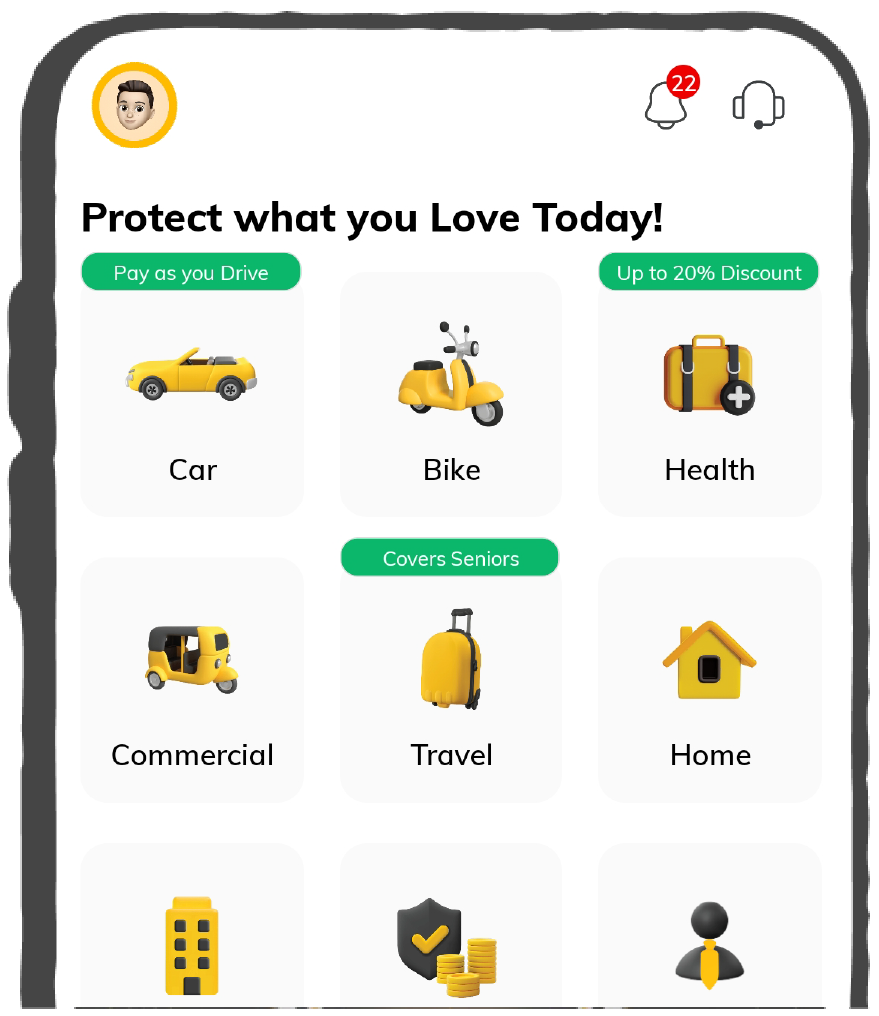
Simple & Transparent! Policies that match all your insurance needs.
 Car Insurance
 Two Wheeler Insurance
 Commercial Vehicle Insurance
 Health Insurance
 Home Insurance
 Travel Insurance
 Business Insurance
Car Insurance
Two Wheeler Insurance
Commercial Vehicle Insurance
Health Insurance
Travel Insurance
Business Insurance
Car Insurance
Two Wheeler Insurance
Commercial Vehicle Insurance
Health Insurance
Travel Insurance


Scan to download

Life

Life Products
Digit Life is here! To help you save & secure your loved ones' future in the most simplified way.
 Term Life
 Savings Plan
 Retirement and Pension Plans
 Group Life Products
 Product Documents
Term Life
Savings Plan
Group Life Products
Product Documents
Term Life
Savings Plan
Group Life Products

Scan to download

Claims
Claims
We'll be there! Whenever and however you'll need us.
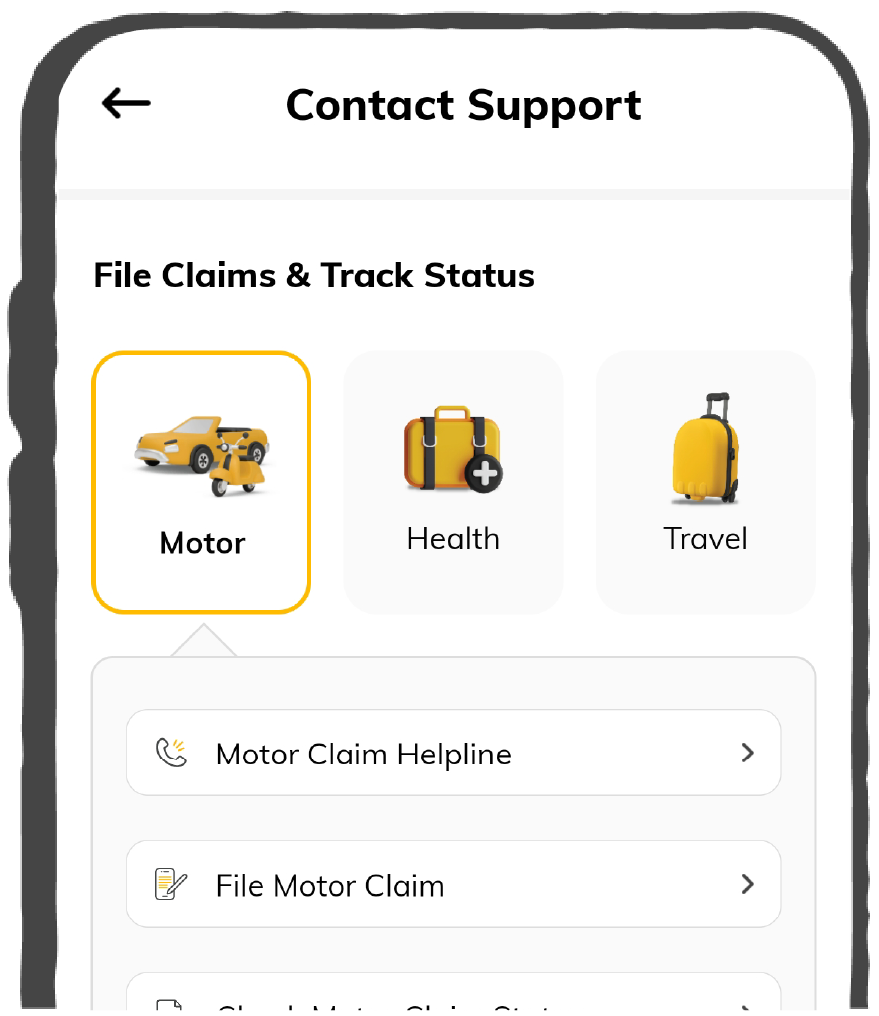
 Customer Support
 Motor Claims
Health Claims
Motor Claims
Health Claims
 Marine Insurance
 Grievance Redressal
Customer Support
Motor Claims
Health Claims
Marine Insurance
Grievance Redressal
Grievance Redressal
Customer Support
Motor Claims
Health Claims
Marine Insurance
Grievance Redressal
Scan to download
 General
 Life
General
Life
Life
General
Life
Renewals
Resources
Resources
All the more reasons to feel the Digit simplicity in your life!
Exclusive Features
 Transparency Report
Others
Exclusive Features
Transparency Report
Transparency Report
Others
Exclusive Features
Transparency Report
Scan to download


Our WhatsApp number cannot be used for calls. This is a chat only number.

 Grey Scale
 Readable Text
 Reset
Reset




9000+ Cashless Garages
1.2 Cr+ Policies Sold


Check Price

Car insurance Online, Up to 90% Discount
It's a Brand New Car
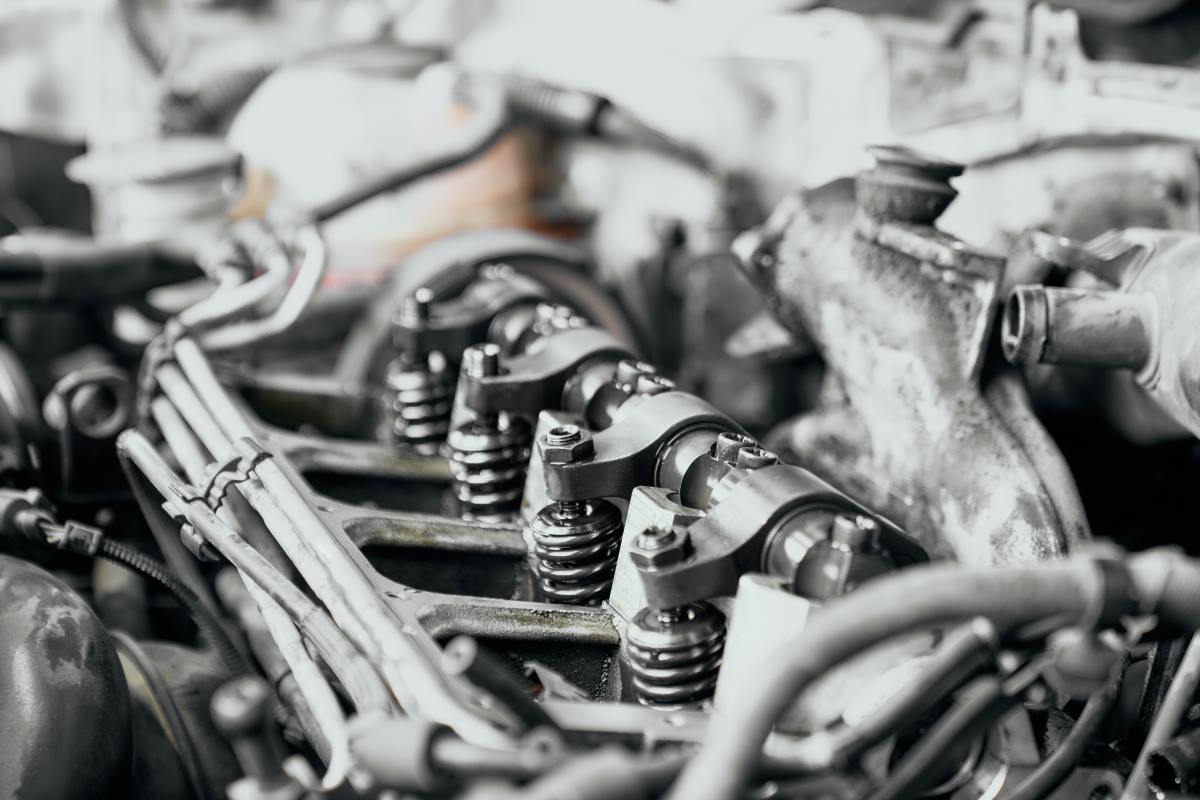
Four-stroke engines power a wide range of applications, including cars and motorcycles. Also called Otto cycle or four-cycle engines, these form the principle on which most modern automobile engines function.
In this comprehensive guide, we’ll dive deep into the definition of a four-stroke engine, its functionalities, and the major difference between 2-stroke and 4-stroke engines.
It is a widely used type of internal combustion engine in today's market. It works through four piston strokes, namely power, compression, intake, and exhaust, that complete a full operating cycle.
All these strokes work together in a defined sequence to convert fuel into mechanical energy. This helps power various applications like automobiles, and motorcycles, to name a few, that typically run on gasoline or diesel fuel.
4-stroke engines have 4 valves through which the piston goes through to complete on full cycle. Let’s discuss each phase in detail.
Here is a table highlighting the major difference between the 2 engine types. Choosing the right entirely depends upon your specific requirements.
| Point of Comparison | 2-stroke Engine | 4-stroke Engine |
| Weight | Light in weight | Approximately 50% heavier than a 2-stroke engine |
| Efficiency | Consume fuel every 2 strokes, leading to more fuel wastage | Consumes fuel once every 4 strokes and hence more efficient |
| Torque | There is a higher RPM and more torque | Creates higher torque at a lower RPM, thus providing efficient low-end power |
| Noise | Generates loud noise | Owing to smooth operation, 4-stroke engines are quieter compared to 2-stroke |
| Repair Cost | Easier and less expensive to repair owing to simple construction | Higher repair costs because of complex designs and other components |
| Application | Commonly found in smaller applications like boat motors and chainsaws | Commonly found in larger applications like go-karts and internal combustion engines in cars |
The importance of four-stroke engines in today’s automobile world is owing to its ability to provide reliable and efficient power solutions while addressing environmental concerns through better fuel efficiency.