Digit App

Accessibility Options

arrow
Grey Scale
Readable Text
Reset
hamburger
×
Digit Insurance Logo
Powered By Digit
general-insurance
Buy New Car Insurance

9000+ Cashless Garages

1.2 Cr+ Policies Sold

car

Check Price

arrow
×
car

Car insurance Online, Up to 90% Discount

This is a {{carWheelerCtrl.localStorageValues.product}} reg no, please enter a private car reg no.

It's a Brand New Car

I Know Registration Number

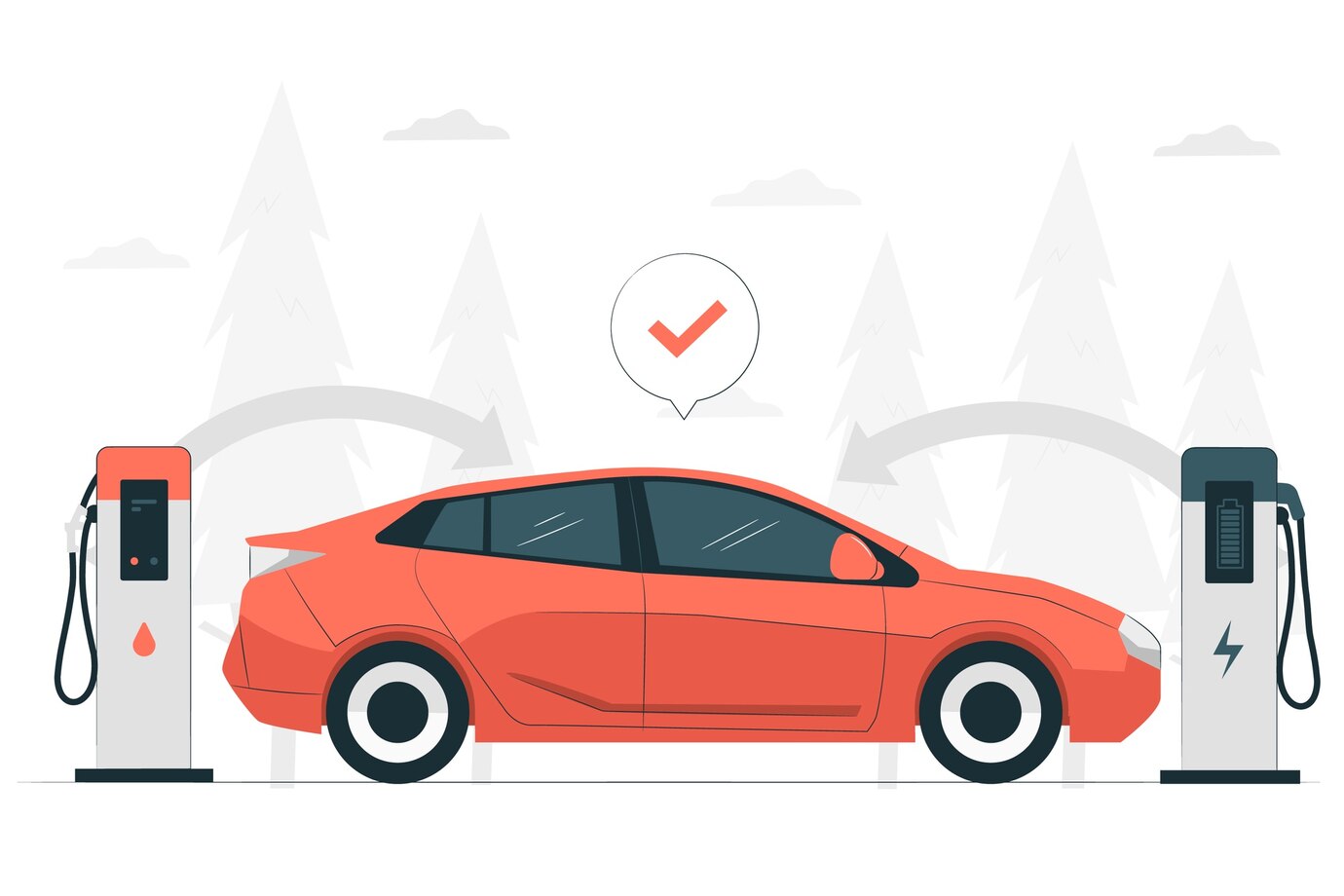
Differences Between Electric Vehicles vs Hybrid Cars

What is an Electric Car?

An electric vehicle (EV) is a vehicle that is entirely driven by electricity supplied through battery packs. Unlike conventional combustion engines, EVs have wheels powered by electric motors. EVs draw power by connecting to an external source, such as a home charger or public charging station. 

These cars are very environmentally friendly, as they are 100% emission-free. Electric automobiles generally run quietly and require significantly less maintenance, thanks to the increasing availability of charging stations.

What is a Hybrid Car?

A hybrid vehicle is a car that utilises an internal combustion engine (typically gasoline or diesel) in conjunction with an electric motor. The vehicle automatically alternates between the internal combustion engine and electric motor, depending on driving conditions, or can use both together. 

The electric motor is used at lower speeds, while the engine powers the car when you need to accelerate or travel over long distances. The combination of the two will increase fuel efficiency and decrease the amount of harmful emissions.

Key Differences Between Hybrid vs Electric Cars

Both electric and hybrid cars serve different needs and preferences. Therefore, it is essential to understand their differences. Here is a general comparison of both types of cars:

Parameter Electric Cars Hybrid Cars
Power Source Fully electric and powered by rechargeable batteries, without gasoline. EVs run only on electricity supplied by high-capacity batteries. It has both an internal combustion engine and an electric motor, making it very versatile. Hybrid cars can run on either of the two power sources for optimal performance.
Range The range is limited by battery capacity, typically between 200-400 miles per charge. Newer models and fast chargers expand the range of EVs very much. Hybrid cars provide a range by combining gasoline and electric power. The two systems reduce stops during long travels, thereby alleviating range anxiety.
Maintenance It has fewer moving parts, meaning it is less demanding and does not require oil changes. Batteries may be expensive, but replacements are seldom needed. Maintenance calls for servicing both the engine and the electric motor. It costs more than EVs but less than regular gasoline-only cars.
Environmental Impact Zero tailpipe emissions make EVs the eco-friendly choice, reducing air pollution. However, the production of batteries and electricity sources has an overall impact. Hybrids emit fewer greenhouse gases than gasoline-only cars. Although not emission-free, they are the greener choice for the eco-conscious driver.
Charging/Refuelling Time Charging time depends on the station type: Level 1 stations take up to 24 hours, Level 2 stations take 4-8 hours, and fast chargers take 30-60 minutes to charge to 80%. The refuelling process is relatively swift and only takes 3-5 minutes at a gas station. Hybrids have eliminated downtime, as found in EVs.
Cost Lower charging costs compared to gasoline, with off-peak home charging and notably lower starting vehicle costs, offset by incentives Hybrids have increased costs compared to EVs when using gasoline. This is despite them achieving better fuel economy than a comparable gas-powered car.
Technology Evolution There is rapid progress in battery technology and charging infrastructure. EVs are becoming practical and competitive each year. Hybrid technology has seen fewer innovations lately. Its focus is more on incremental efficiency improvements rather than on groundbreaking changes.
Driving Experience Electric vehicles provide smooth, quiet rides with instant torque and responsive acceleration. They are great for daily commutes, thrive in urban environments, and are affordable. Electric driving combined with the reliability of gasoline. Hybrids offer versatility for a range of driving conditions, including city and highway travel.

Comparing Charging and Refuelling of Hybrid vs EV Cars

When evaluating charging and refuelling, EVS and hybrids differ significantly in terms of time, infrastructure, and costs. Here’s a detailed comparison:

Parameter EVs Hybrid
Charging / Refuelling Time Charging times vary with charger type: Level 1 (slow, up to 24 hours), Level 2 (moderate, 4-8 hours), and DC Fast Chargers (30-60 minutes for 80%). Refuelling at gas stations takes only 3-5 minutes, allowing quick turnarounds during long trips.
Infrastructure Needs a network of charging stations, which is steadily growing. Public and private charging points are becoming more accessible in urban and suburban areas. It utilises the already established gas station infrastructure; no additional infrastructure changes are required to refuel hybrid vehicles.
Cost The charging costs are significantly lower than those of gasoline, especially when charging at home during off-peak hours. The fuel cost is higher compared to charging for EVs.
Range It is a function of battery size; new models now achieve 200-400 miles per charge. This can require long-range driving planning, including determining when and where charging will occur. Hybrids are typically more rangy since both gasoline and electric power sources can be utilised without interrupting their usage.

Comparing Cost of Ownership of Electric vs Hybrid Cars

When comparing the cost of ownership between electric vehicles and hybrids, it’s essential to consider certain factors. Here’s a breakdown of the difference between the two based on the cost of ownership:

Factor Electric Vehicles (EVs) Hybrid Cars
Initial Purchase Price The upfront cost of EVs, generally higher than that of petrol or hybrid vehicles, relates to the expensive battery technology. Generally cheaper but differ in model and features.
Fuel/Energy Costs The operating costs of electric vehicles are lower because electricity is generally cheaper than fossil fuels. Their cost per kilometre is notably lower, thus saving a significant amount of money in the long run. Hybrids are much more fuel-efficient than internal combustion vehicles, resulting in reasonable fuel economy. However, their fuel per kilometre still costs significantly more than EVs' since they use gas or diesel.
Maintenance Costs EVs require very few repairs and thus have cheaper running costs. The hybrid variants are based on more complex systems than conventional cars, leading to higher maintenance costs. However, they generally require fewer maintenance expenses than conventional cars.
Government Incentives The GST imposed on EVs in India is only 5%, while 48% is levied on hybrids, and thus, these EVs are the economically off option. There are also state-level incentives in some states. Around 48% GST makes hybrids more taxable, but states like Uttar Pradesh have provided incentives by waiving off registration taxes for hybrid cars, making them cheaper by almost 10%. 

Pros of Electric vs Hybrid Vehicles

EVs and hybrids offer efficient, eco-friendly transport options. While EVs run fully on electricity, hybrids blend electric and fuel power. Here are the key benefits of both:

Aspect Electric Vehicles (EVs) Hybrid Cars
Efficiency High energy efficiency, ideal for city driving. Better than petrol cars, but less than EVs.
Running Cost Lower fuel and maintenance costs. Reduced fuel use, moderate maintenance cost.
Incentives Eligible for tax rebates and subsidies. Fewer incentives than EVs.
Eco Impact Zero tailpipe emissions. Lower emissions than petrol cars.
Performance Instant torque and smooth drive. Smooth transitions, decent acceleration.
Technology Rapid battery and tech upgrades. Reliable dual power system.
Range 250–500 km per charge, varies by use. Longer range with fuel backup.
Fuel Use No petrol or diesel needed. Uses less fuel, especially in cities.
Range Anxiety Limited charging points may cause concern. No range worries with petrol backup.
Versatility Best for urban and planned routes. Suits both city and highway driving.

Cons of Electric vs Hybrid Vehicles

While both electric and hybrid cars are good options, they also have disadvantages that buyers should be aware of. Here’s a breakdown of key drawbacks:

Aspect Electric Vehicles (EVs) Hybrid Cars
Cost Expensive due to battery tech. Higher price than regular cars.
Battery Life It degrades over time and is faster with frequent fast charging. Lasts longer but is costly to replace.
Maintenance It is low overall, but battery repairs can be costly. Needs upkeep for both engine and motor.
Electric Range Fully dependent on charge; no backup. Limited electric drive; switches to petrol often.

Environmental Impact of Hybrid vs Electric Cars

Various factors are considered when comparing the environmental impact of electric vehicles (EVs) with that of hybrid cars. 


  • There are no tailpipe emissions from EVs, thus reducing urban air pollution. However, the positive ecological impacts flowing from EVs depend on the electricity sources used for recharging.

  • Hybrid vehicles combine a gasoline engine and an electric motor, increasing fuel efficiency and reducing emissions compared to conventional cars. However, they produce tailpipe emissions.

  • While both EVs and hybrids have environmental advantages over conventional vehicles, EVs have a lower carbon footprint when charged with renewable energy. Hybrids are a transitional technology that gains efficiency and immediate reductions.

Hybrid vs Electric Cars - Which is Better for You?

FAQ about Electric and Hybrid Cars

What's the main difference between an electric and a hybrid car?

up-arrow

Electric cars run solely on electricity, creating no emissions at all. Hybrid cars combine a gasoline engine with an electric motor for better fuel efficiency.

Electric cars run solely on electricity, creating no emissions at all. Hybrid cars combine a gasoline engine with an electric motor for better fuel efficiency.

Are electric cars cheaper to maintain than hybrid cars?

up-arrow

Yes, EVs have a lower running and maintenance cost, but replacing the battery in an EV can be pricey.

Yes, EVs have a lower running and maintenance cost, but replacing the battery in an EV can be pricey.

Can hybrid cars run on electricity alone?

up-arrow

Plug-in hybrids can run 20-50 km on electricity alone. Regular hybrids use the electric motor mainly to support the gasoline engine. 

Plug-in hybrids can run 20-50 km on electricity alone. Regular hybrids use the electric motor mainly to support the gasoline engine. 

Which one is better for long road trips: electric or hybrid?

up-arrow

Hybrids are ideal for long trips due to their extended range. Refuelling a hybrid is faster compared to recharging an EV.

Hybrids are ideal for long trips due to their extended range. Refuelling a hybrid is faster compared to recharging an EV.

How long do the batteries last in electric and hybrid vehicles?

up-arrow

According to current estimates, electric vehicle batteries typically last 15-20 years, while hybrid car batteries usually last around 10 years or up to 150,000 miles.

According to current estimates, electric vehicle batteries typically last 15-20 years, while hybrid car batteries usually last around 10 years or up to 150,000 miles.

Are hybrids more fuel-consuming than EVs?

up-arrow

No, hybrids are generally less fuel-consuming than traditional gasoline cars. On the other hand, EVs run solely on electricity, so they tend to be more energy-efficient.

No, hybrids are generally less fuel-consuming than traditional gasoline cars. On the other hand, EVs run solely on electricity, so they tend to be more energy-efficient.

Are hybrids less polluting than gasoline cars?

up-arrow

Yes, hybrids consume fewer greenhouse gases compared to gasoline cars. Their dual power system is also a guarantor of reduced fuel consumption.

Yes, hybrids consume fewer greenhouse gases compared to gasoline cars. Their dual power system is also a guarantor of reduced fuel consumption.

What is regenerative braking in hybrids?

up-arrow

Regenerative braking captures braking energy as electricity. The energy is stored in the battery and can be reused later.

Regenerative braking captures braking energy as electricity. The energy is stored in the battery and can be reused later.

Do governments offer tax incentives for EVs or hybrids?

up-arrow

Yes, most governments offer incentives to promote cleaner vehicles. EVs usually receive larger subsidies than hybrids. 

Yes, most governments offer incentives to promote cleaner vehicles. EVs usually receive larger subsidies than hybrids. 

Can EVs be charged at home?

up-arrow

Yes, EVs can be charged using a standard outlet or a home charger. Installing a dedicated charger speeds up the process.

Yes, EVs can be charged using a standard outlet or a home charger. Installing a dedicated charger speeds up the process.

What are plug-in hybrids?

up-arrow

Plug-in hybrid electric vehicles (PHEVs) use both an electric motor and an internal combustion engine. They also have longer electric-only ranges than standard hybrids. 

Plug-in hybrid electric vehicles (PHEVs) use both an electric motor and an internal combustion engine. They also have longer electric-only ranges than standard hybrids. 

Do EVs thrive in cold weather?

up-arrow

The range of EVs goes down in very cold temperatures due to the lack of battery efficiency. Preconditioning the battery may help maintain better performance. 

The range of EVs goes down in very cold temperatures due to the lack of battery efficiency. Preconditioning the battery may help maintain better performance. 

Are hybrids heavier?

up-arrow

Yes, it is heavy because of the two powertrains. The electric motor and the battery pack thus acquire the added weight.

Yes, it is heavy because of the two powertrains. The electric motor and the battery pack thus acquire the added weight.