General
Life
Accessibility Options


General

General Products
Simple & Transparent! Policies that match all your insurance needs.
 Car Insurance
 Two Wheeler Insurance
 Commercial Vehicle Insurance
 Health Insurance
 Home Insurance
 Travel Insurance
 Business Insurance
Car Insurance
Two Wheeler Insurance
Commercial Vehicle Insurance
Health Insurance
Travel Insurance
Business Insurance
Car Insurance
Two Wheeler Insurance
Commercial Vehicle Insurance
Health Insurance
Travel Insurance



Scan to download

Life

Life Products
Digit Life is here! To help you save & secure your loved ones' future in the most simplified way.
 Term Life
 Savings Plan
 Retirement and Pension Plans
 Group Life Products
 Product Documents
Term Life
Savings Plan
Group Life Products
Product Documents
Term Life
Savings Plan
Group Life Products

Scan to download

Claims

Claims
We'll be there! Whenever and however you'll need us.
 Customer Support
 Motor Claims
Health Claims
Motor Claims
Health Claims
 Marine Insurance
 Grievance Redressal
Customer Support
Motor Claims
Health Claims
Marine Insurance
Grievance Redressal
Grievance Redressal
Customer Support
Motor Claims
Health Claims
Marine Insurance
Grievance Redressal

Scan to download
 General
 Life
General
Life
Life
General
Life
Renewals
Resources

Resources
All the more reasons to feel the Digit simplicity in your life!
Exclusive Features
 Transparency Report
Others
Exclusive Features
Transparency Report
Transparency Report
Others
Exclusive Features
Transparency Report

Scan to download


Our WhatsApp number cannot be used for calls. This is a chat only number.

 Grey Scale
 Readable Text
 Reset
Reset




Obesity is a health condition that happens due to the accumulation of excess body fats in a certain part of the body. This condition may lead to several other diseases.
It is a major risk factor for numerous health issues, affecting millions worldwide. Understanding these diseases and how to prevent them is crucial for maintaining overall health. Continue reading to know what diseases are caused by obesity.

Table of Contents

Overweight-related conditions are health issues that emanate from having too much body fat. They include heart disease, type 2 diabetes, some kinds of cancer, and sleep apnea. Obesity puts more pressure on the systems and organs within the body, leading to long-term illnesses.
This is often associated with lifestyle aspects such as poor nutrition, sedentary behaviors, and genetic inheritance. Maintaining a healthy weight by living right is crucial in eliminating these diseases. For example, someone can be obese if he/she is overweight because of his/her genetics, lack of physical activity, or unhealthy diet.
Obesity is mysterious and has numerous causes. It’s essentially an imbalance between calorie intake and energy expenditure that leads to excess fat storage. Significant contributors include poor nutritional practices such as high-calorie, low-nutrient eating habits and lack of physical activity.
Genetics, hormonal imbalances, and other medical conditions are among the causes of obesity. Additionally, psychological factors such as stress and emotional eating tend to make it worse. Understanding these causes becomes crucial in preventing obesity-related diseases.
Individuals suffering from obesity have several conditions. Some of the diseases caused by obesity are

People who are overweight or obese are prone to high cholesterol and high blood pressure. These conditions make an individual more susceptible to heart disease and stroke. Over time, the cartilage breaks down, leading to pain, stiffness, and reduced mobility.
The accumulation of fat around the heart contributes to these risks. Managing weight through a balanced diet and regular exercise can help reduce these risks.

It is one of the most common diseases associated with obesity. This happens because of inflammation and an increase in the level of fatty acids. Obesity is closely linked to gout because excess body weight can lead to higher uric acid levels, where the body’s cells do not respond properly to insulin. This results in higher blood sugar levels
Weight loss, improved diet, and regular physical activity are essential for preventing and managing type 2 diabetes.

Obesity causes cancer such as the breast (after menopause), colon, kidney, endometrium, and oesophagus. The relationship between obesity and cancer is complex. The relationship between obesity and cancer involves factors like increased inflammation, hormone levels, and insulin resistance.
Maintaining a healthy weight, eating a balanced diet, and staying active can help lower the risk of these cancers.

These are very common if you have obesity. Ironically, rapid weight loss itself can cause the formation of gallstones. Therefore, consider losing weight at a rate of about one pound per week to avoid gallstones, which are solid particles that form in the gallbladder. Rapid weight loss can also lead to gallstone formation.
To minimise risk, aim for gradual weight loss of about one pound per week and maintain a balanced diet rich in fibre and low in unhealthy fats.

The extra weight puts additional pressure on the knee joints of individuals and damages the cartilage that protects them. These anomalies gradually cause osteoarthritis, a common, degenerative joint disease that occurs when the cartilage is cushioning.
Weight management is crucial for slowing the progression of osteoarthritis and alleviating symptoms.
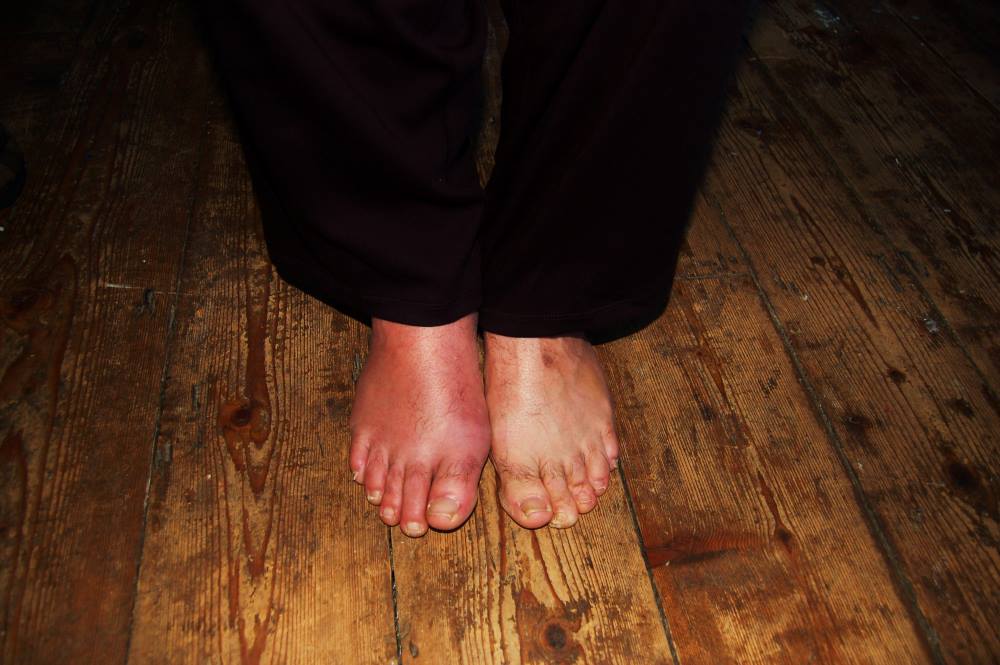
It is a condition that affects the joints. Gout happens when the uric acid levels in the blood increase, and this disease is common among people with obesity. When uric acid accumulates, it forms sharp, needle-like crystals in the joints, causing intense pain and inflammation.
Managing weight, staying hydrated, and avoiding foods high in purines (like red meat and alcohol) can help control and prevent gout.
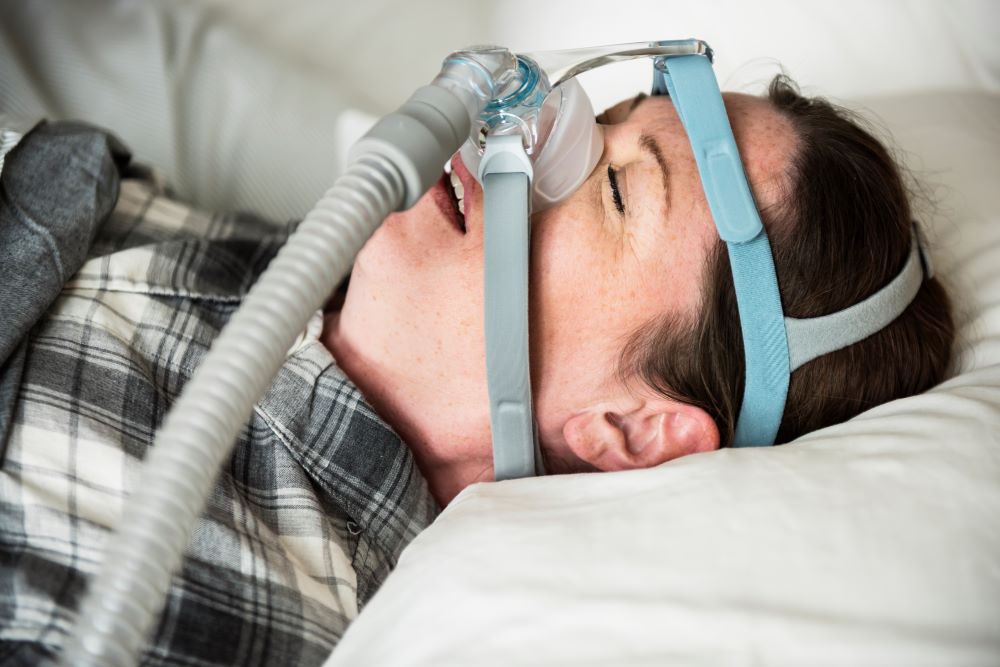
Due to the fat deposit, the upper tract of the respiratory system narrows significantly. Thus, the muscle activities in this region decrease, resulting in sleep apnea. Sleep apnea can result in poor sleep quality and increased risks of heart disease, hypertension, and stroke.
Weight loss, lifestyle changes, and using a CPAP (Continuous Positive Airway Pressure) machine can help manage sleep apnea.

According to the American Lung Association, excess accumulation of weight around the abdomen and chest constricts the lungs and makes it difficult to breathe. Therefore, asthma is one of the many diseases due to obesity. Excess weight can also exacerbate symptoms and reduce the effectiveness of asthma medications.
Maintaining a healthy weight and managing asthma through medication and lifestyle adjustments can improve symptoms and overall respiratory health.
Now that you know about the diseases caused by obesity, let’s move on to the risk factors.
Frequent signs and symptoms usually accompany diseases caused by being overweight, which can affect different body parts. Identifying these early is important so they can be well managed and complications prevented.

Obesity is known to have far-reaching consequences for human health, leading to different kinds of physical and metabolic harm. Recognising these effects is central to addressing the risks that are associated with being overweight.
Obesity significantly increases the risk of developing various diseases through several interconnected factors. Understanding these risk factors is crucial for preventing and managing obesity-related conditions effectively.
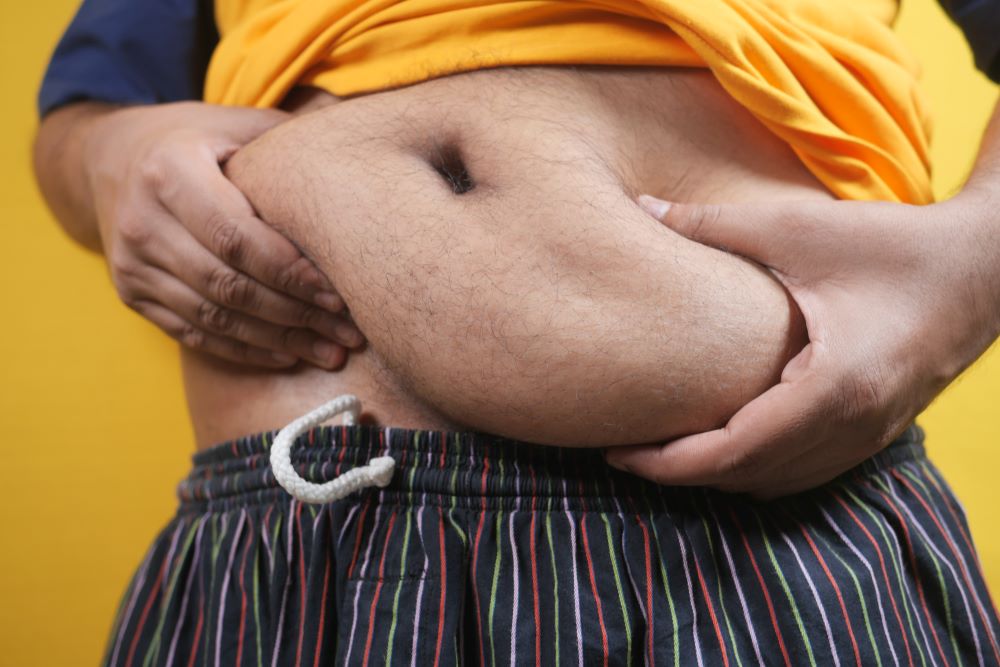
Diagnosing obesity involves a range of assessments to evaluate body weight, composition, and related health conditions. Accurate diagnosis helps in understanding the extent of obesity and planning appropriate treatment strategies.
The prevention and management of these diseases often require effective treatment methods, such as:
The diseases caused by obesity can be avoided by following the preventive measures for obesity. Let us take a look at how to prevent obesity for kids and adults.
Following practices can prevent obesity in kids -
Adults can prevent obesity in the following ways –
People who have psychological conditions like depression, anger, etc., are more likely to get obese or overweight. Therefore, individuals suffering from such issues must exercise, do yoga, or go out for a bicycle ride to keep their minds stress-free. Preventing obesity is the key to avoiding the diseases caused by obesity.
Health insurance coverage for obesity-related diseases varies by policy and location. Most plans cover illnesses like type 2 diabetes, heart disease, or high blood pressure, which are usually associated with being overweight. However, some medical covers do not cover weight loss interventions or medication designed solely to manage obesity.
To know the content, one needs to review what is outlined in his/her policy. One should carefully peruse their specific terms before conferring with their insurer.
The significant health impact of obesity on the human body results in various serious diseases. To avoid these illnesses, obesity must be addressed by changing the way people live their lives, for instance, following a balanced diet, engaging in regular exercise, and maintaining a healthy weight. One should always consider one's weight for long-term well-being and health while focusing on overall wellness.