General
Life
Accessibility Options


General

General Products
Simple & Transparent! Policies that match all your insurance needs.
 Car Insurance
 Two Wheeler Insurance
 Commercial Vehicle Insurance
 Health Insurance
 Home Insurance
 Travel Insurance
 Business Insurance
Car Insurance
Two Wheeler Insurance
Commercial Vehicle Insurance
Health Insurance
Travel Insurance
Business Insurance
Car Insurance
Two Wheeler Insurance
Commercial Vehicle Insurance
Health Insurance
Travel Insurance



Scan to download

Life

Life Products
Digit Life is here! To help you save & secure your loved ones' future in the most simplified way.
 Term Life
 Savings Plan
 Retirement and Pension Plans
 Group Life Products
 Product Documents
Term Life
Savings Plan
Retirement and Pension Plans
Group Life Products
Product Documents
Term Life
Savings Plan
Retirement and Pension Plans
Group Life Products

Scan to download

Claims

Claims
We'll be there! Whenever and however you'll need us.
 Customer Support
 Motor Claims
Health Claims
Motor Claims
Health Claims
 Marine Insurance
 Grievance Redressal
Customer Support
Motor Claims
Health Claims
Marine Insurance
Grievance Redressal
Grievance Redressal
Customer Support
Motor Claims
Health Claims
Marine Insurance
Grievance Redressal
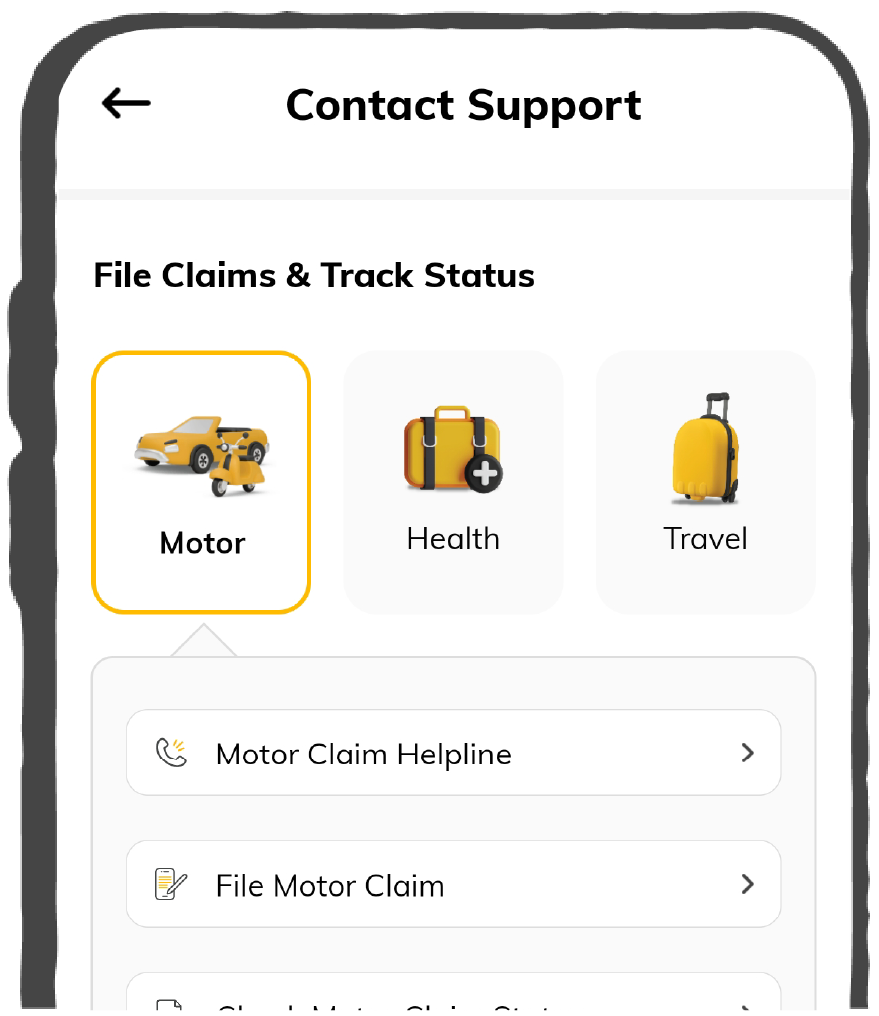
Scan to download
 General
 Life
General
Life
Life
General
Life
Renewals
Resources

Resources
All the more reasons to feel the Digit simplicity in your life!
Exclusive Features
 Transparency Report
Others
Exclusive Features
Transparency Report
Transparency Report
Others
Exclusive Features
Transparency Report
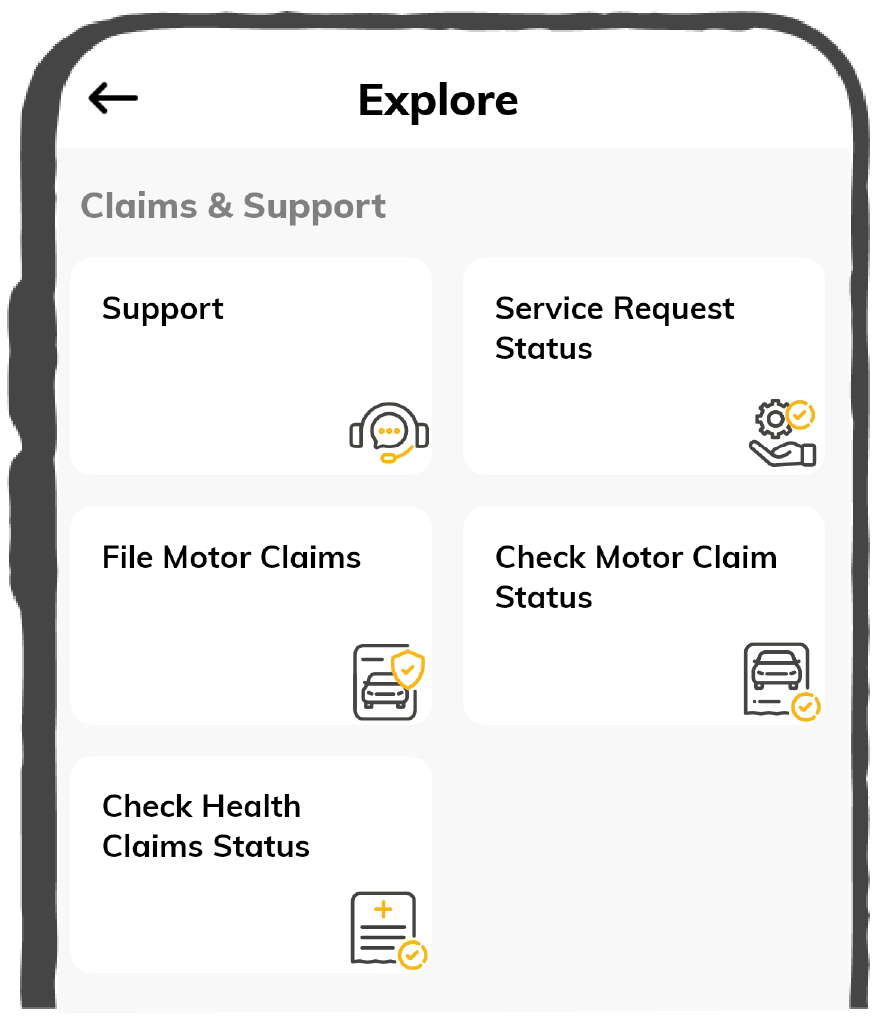
Scan to download


Our WhatsApp number cannot be used for calls. This is a chat only number.

 Grey Scale
 Readable Text
 Reset
Reset




Premium starting ₹150

Quick Claim Process



Check Price
Home Insurance Online starting ₹150/year*
Depreciation of fixed assets is important and is done through either the straight-line method or the written down value method of depreciation. Depreciation of property is a 'loss of value' which is caused due to the wear and tear of a property on the original cost of the property. If you are interested to know more about the written down value method of depreciation, then continue reading.
The written-down value method of depreciation means a method which is used to determine the current worth of a previously purchased asset. To calculate it, one needs to subtract accumulated depreciation from the original value of the asset.
Due to the wear and tear of an asset, the value of an asset might reduce over time. Section 32 of the Income Tax Act of 1961 deals with the depreciation value of an asset. One can calculate for tax purposes, and the act allows calculation for both intangible and tangible assets.
Individuals must know that if an asset is used for over 180 days in a year, 50% depreciation will be allowed. Calculating WDV depreciation helps because it helps in providing some tax benefits. Companies need to calculate WDV appreciation as well to get certain about the profits and losses of the company. If not, the companies might not understand their profits and then suffer due to wrong calculations.
To consider the property depreciation value, one has to consider these two following factors- the total useful age of the structure on the land and the number of years after construction.
To calculate it, one needs to use this formula-
Property depreciation value = Number of years after construction/total useful age of the structure
After that, to get the current price of the building, one needs to deduct the result derived from the selling price of the house/building. However, that too does not constitute its total price. The other factor that is important is the land price.
Let’s explain this better with an example.
Suppose an individual plans to sell his/her 15-year-old property whose whose details are mentioned below in the table:
|
Particulars |
Amount |
|
Land value at the time of purchase |
₹ 45lakh |
|
Construction cost |
₹ 25 lakh |
|
Appreciated land value |
₹ 50 lakh |
|
Total useful age |
60 years |
|
Age of the structure/number of years after construction |
15 years |
|
Depreciation on house property - Number of years after construction/total useful age of the structure (15/60) |
1/4 |
Now, to derive the market value of the property, one has to deduct depreciation from the construction cost of the property and add the appreciated land value.
|
Particulars |
Amount |
|
Depreciated building price (₹ 2500000 *(1/4) = ₹ 6.25lakh Now, (₹ 25 lakh- ₹ 6.25 lakh) |
₹ 18.75 lakh |
|
Add the land appreciation value (₹ 50 lakh + ₹ 18.75 lakh) |
₹ 68.75 |
Here are the assets and standard rate of depreciation for the year FY 2020-21 according to the Income Tax Act 1962.
Asset Class |
Asset Type |
Rate of Depreciation |
Building |
Residential building which does not include boarding houses and hotels |
5% |
Temporary constructions such as wooden structures |
100% |
|
Hotels and boarding houses |
10% |
|
Plant and machinery |
Computer software and computers |
60% |
Motor cars which do not include cars used in business of running them on hire |
15% |
|
Books owned by assessee carrying on a profession being annual publications |
100% |
|
Books owned by assessee carrying on a profession not being annual publication |
60% |
|
Books which are owned by assessee carrying on business in running lending libraries |
100% |
|
Lorries/motor buses/taxis used in a business of running them on hire |
30% |
|
Furniture |
Any furniture and including electrical fittings |
10% |
Intangible assets |
Patents, trademark, copyright, franchise, know-how, or any other business or commercial rights of similar nature |
25% |
Following are the benefits of a written down value method of depreciation.
Two disadvantages of the written down value of depreciation are as follows -