General
Life
Accessibility Options


General
General Products
Simple & Transparent! Policies that match all your insurance needs.
 Car Insurance
 Two Wheeler Insurance
 Commercial Vehicle Insurance
 Health Insurance
 Home Insurance
 Travel Insurance
 Business Insurance
Car Insurance
Two Wheeler Insurance
Commercial Vehicle Insurance
Health Insurance
Travel Insurance
Business Insurance
Car Insurance
Two Wheeler Insurance
Commercial Vehicle Insurance
Health Insurance
Travel Insurance


Scan to download

Life
Life Products
Digit Life is here! To help you save & secure your loved ones' future in the most simplified way.
 Term Life
 Savings Plan
 Retirement and Pension Plans
 Group Life Products
 Product Documents
Term Life
Savings Plan
Group Life Products
Product Documents
Term Life
Savings Plan
Group Life Products
Scan to download

Claims
Claims
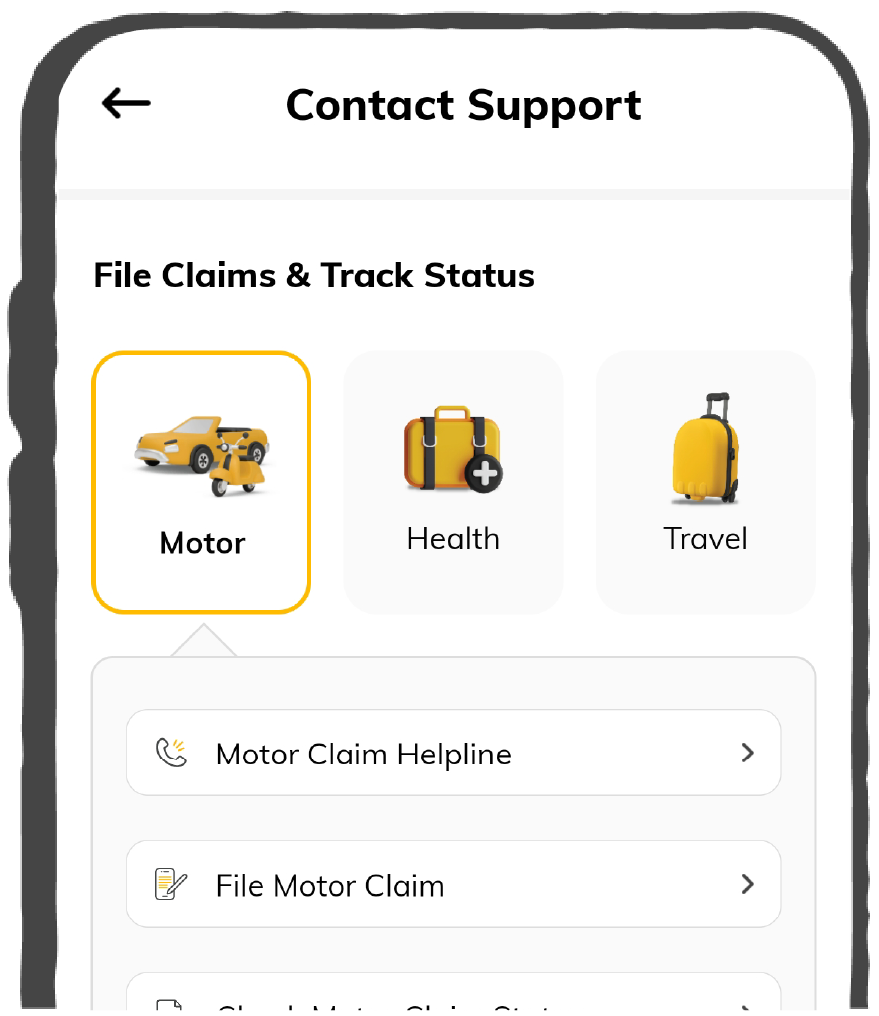
We'll be there! Whenever and however you'll need us.
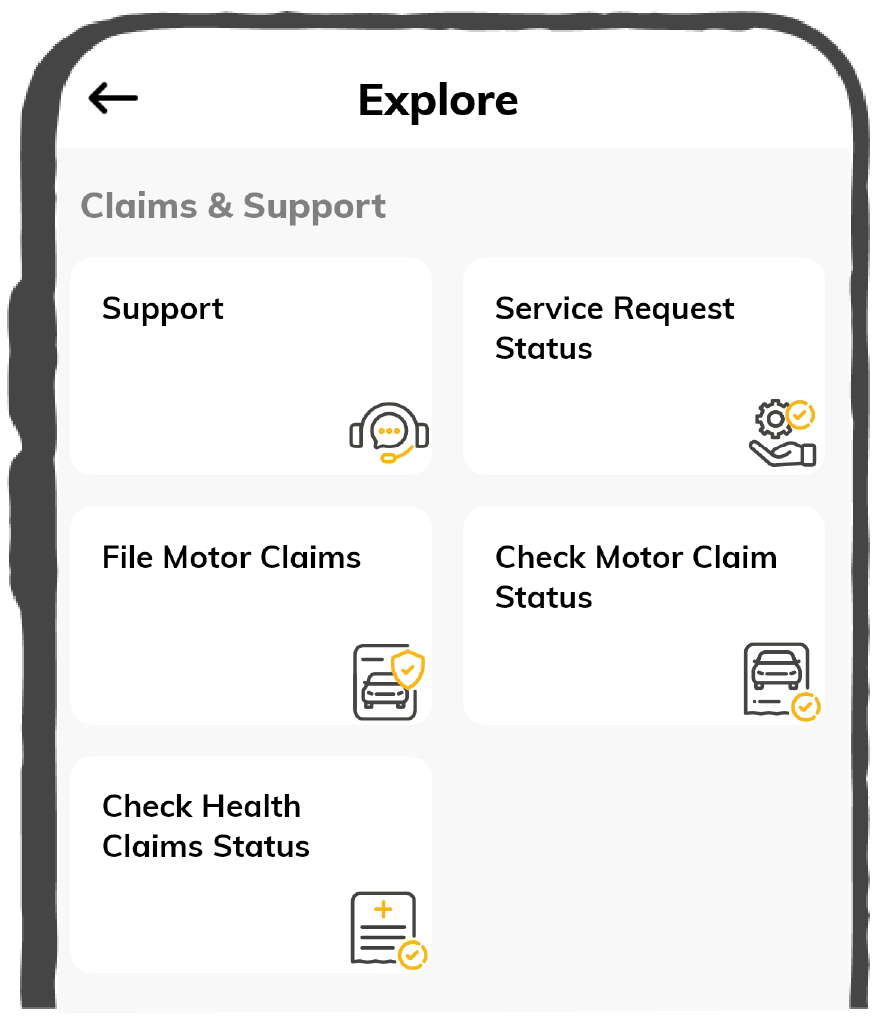
 Customer Support
 Motor Claims
Health Claims
Motor Claims
Health Claims
 Marine Insurance
 Grievance Redressal
Customer Support
Motor Claims
Health Claims
Marine Insurance
Grievance Redressal
Grievance Redressal
Customer Support
Motor Claims
Health Claims
Marine Insurance
Grievance Redressal
Scan to download
 General
 Life
General
Life
Life
General
Life
Renewals
Resources
Resources
All the more reasons to feel the Digit simplicity in your life!
Exclusive Features
 Transparency Report
Others
Exclusive Features
Transparency Report
Transparency Report
Others
Exclusive Features
Transparency Report
Scan to download


Our WhatsApp number cannot be used for calls. This is a chat only number.

 Grey Scale
 Readable Text
 Reset
Reset




7 Crore+ Customers

Affordable Premium


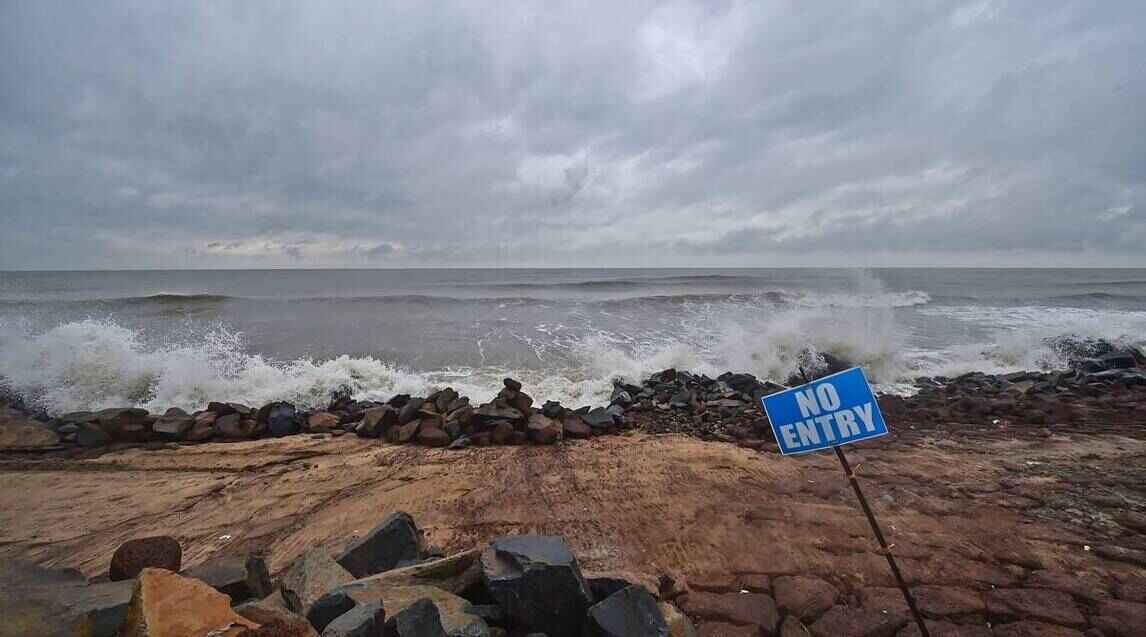
Strong winds, torrential downpours and storm surges are three elements of a cyclone that wreaks havoc in case you do not take sufficient precautionary steps. Natural disasters like cyclones are not easy to control. However, one can stay prepared to combat the situation.
Considering this, we present this piece on cyclone precautions, focusing on the do's and don'ts before, during and after a cyclone.
In the event of a natural disaster like a severe cyclonic storm, individuals are often unsure about the safety measures to be taken. To that cause, you will find the cyclone do's and don'ts in the following sections.
Here are some precautions of cyclone one should follow to stay prepared for the disaster -
Apart from the above cyclone precautions, one should avoid some factors at any cost while preparing for a storm. They are as follows:
Given below is a list of safety measures to be taken during a cyclone -
Other than this, if the eye of the cyclone passes over your house, you should strictly avoid doing some activities as follows -
Therefore, by following these do's and don'ts during the cyclone, one can ensure utmost safety.
Apart from the safety measures to be taken during a cyclone, one must consider following some rules even after the cyclone passes.
After a cyclone, the incidence of diseases increases due to stagnant water and floods. Considering that, here are some cyclone precautions you must follow -
Eat fresh dry food and keep it away from pests and flies.
Boil water before drinking or cooking.
Keep your surroundings clean by using disinfectants.
Cover drains holes to prevent backflow of sewage.
Clear debris from your premises.
Stay in the shelter until you receive proper information regarding safety in moving outside.
Drive your car carefully after the cyclone passes.
Besides, there are some strict don'ts associated with safety measures after a cyclonic storm. They are as follows -
Moreover, one must factor in the financial losses incurred during the cyclone. To guard against such losses, individuals should obtain insurance policies that offer maximum coverage.
Check out the table in the following section to know about different types of insurance policies that cover financial losses incurred due to natural disasters like cyclones.
| Insurance Policies | Features of the Policies |
| Office Insurance | Covers explosion and aircraft damage, storms, floods, accidental fires, earthquakes, burglaries. Hassle-free claim process via the application. |
| Home Insurance | Insures the home and valuables against theft, fire and burglary. It compensates for losses due to natural and man-made incidents. |
| Personal Accident | Offers coverage for accidental death, permanent total or partial disablement, temporary total disablement, and employment loss compensation. Personal accident cover is available in case of accidents arising due to man-made and natural causes. |
| Health Insurance | Health insurance is one of the best cyclone precautions one can have as it covers diseases that might occur due to the natural calamity. It is ideal for elderly people to obtain health insurance and get health coverage benefits. |
| Life Insurance | While not directly covering property damage from cyclones, life insurance, including term insurance, provides a financial safety net for your beneficiaries in the event of your death due to a disaster, such as a cyclone, helping them manage financially during a difficult time. |
Therefore, if you are wondering how to prevent cyclones, getting insurance to cover the losses that may incur is a start. Nevertheless, without pondering over what to do during a cyclone, one should follow the precautionary measures mentioned in this article. By considering cyclone precautions, individuals can ensure minimal damage and loss.
The cyclone emergency kit includes the following items -
The Government check the following factors after a cyclone passes -