General
Life
Accessibility Options


General

General Products
Simple & Transparent! Policies that match all your insurance needs.
 Car Insurance
 Two Wheeler Insurance
 Commercial Vehicle Insurance
 Health Insurance
 Home Insurance
 Travel Insurance
 Business Insurance
Car Insurance
Two Wheeler Insurance
Commercial Vehicle Insurance
Health Insurance
Travel Insurance
Business Insurance
Car Insurance
Two Wheeler Insurance
Commercial Vehicle Insurance
Health Insurance
Travel Insurance


Scan to download
Life

Life Products
Digit Life is here! To help you save & secure your loved ones' future in the most simplified way.
 Term Life
 Savings Plan
 Retirement and Pension Plans
 Group Life Products
 Product Documents
Term Life
Savings Plan
Retirement and Pension Plans
Group Life Products
Product Documents
Term Life
Savings Plan
Retirement and Pension Plans
Group Life Products
Scan to download
Claims

Claims
We'll be there! Whenever and however you'll need us.
 Customer Support
 Motor Claims
Health Claims
Motor Claims
Health Claims
 Marine Insurance
 Grievance Redressal
Customer Support
Motor Claims
Health Claims
Marine Insurance
Grievance Redressal
Grievance Redressal
Customer Support
Motor Claims
Health Claims
Marine Insurance
Grievance Redressal
Scan to download
 General
 Life
General
Life
Life
General
Life
Renewals
Resources

Resources
All the more reasons to feel the Digit simplicity in your life!
Exclusive Features
 Transparency Report
Others
Exclusive Features
Transparency Report
Transparency Report
Others
Exclusive Features
Transparency Report
Scan to download


Our WhatsApp number cannot be used for calls. This is a chat only number.

 Grey Scale
 Readable Text
 Reset
Reset



8 Crore+ Customers

Affordable Premium


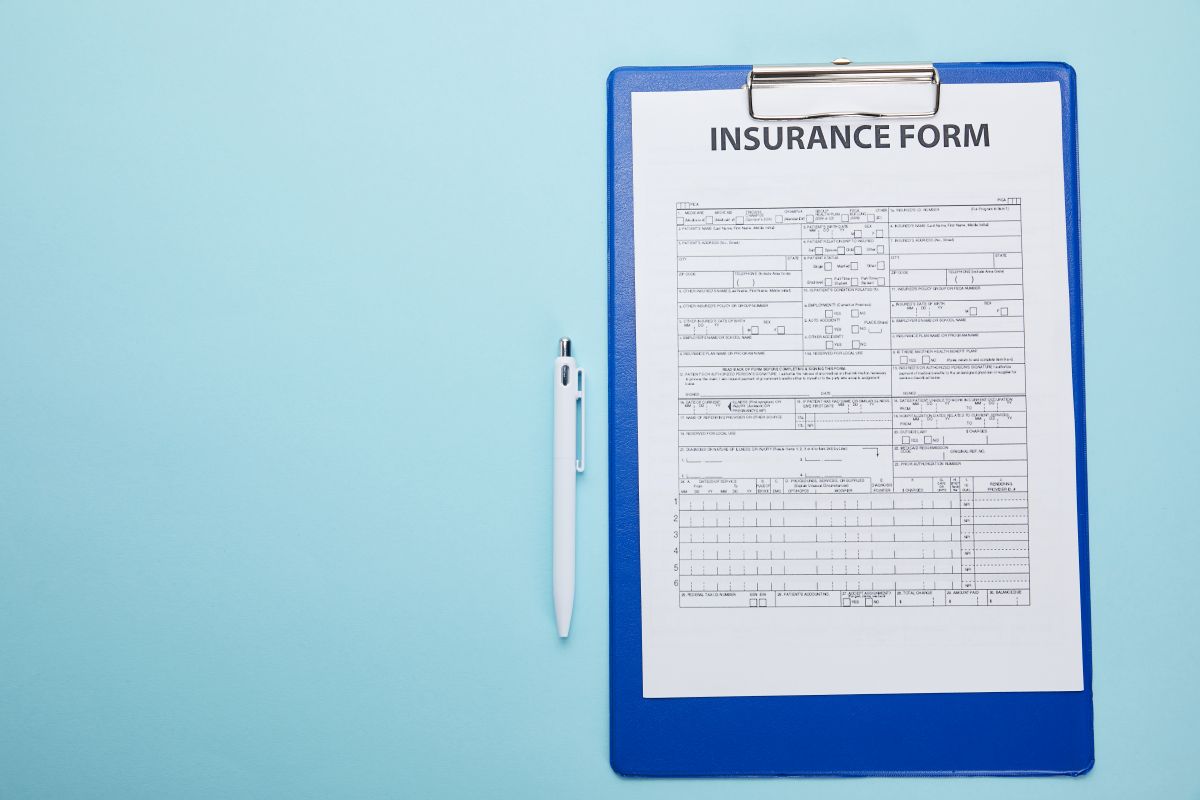
Buying an insurance policy whether life insurance, health insurance, motor, travel or any other type, always begins with the proposal form which is an important document.
A proposal form is the official application form that contains all the important details about the person who wants insurance, it helps the insurance company to understand the risk and allows them to decide the premium, terms, conditions and whether the policy can be issued.

Table of Contents

A proposal form is an official document, sometimes called an application form or questionnaire, offered by the insurance company when you apply for a new policy. This is not just a formality. Instead, this contains all the information relevant to assessing your eligibility, needs, and the insurer's risk.
This document serves as both your request for insurance and your promise to be truthful about anything that might influence the insurer’s decision. The Proposal Form is mandatory across all types of insurance, including:
The proposal form is crucial because it serves as the foundation of your insurance policy; the insurer relies on the details provided to issue coverage. It upholds the Principle of Utmost Good Faith, requiring complete honesty from both the customer and the insurer.
Also, claim approvals depend on accurate information in the form, and any discrepancies can lead to delays or rejections. Additionally, a properly filled proposal form helps protect customers from future disputes.
Proposal forms vary depending on the type of insurance, but the core sections are similar. Here are the main parts explained:
Any incorrect information added in your insurance proposal form, whether intentionally or by mistake, can have serious consequences, such as:
Insurance contracts operate under the principle of utmost good faith. It means both the insurer and customer must be completely honest. If you hide information, the company will consider it as non-disclosure or misrepresentation.
This can lead to higher premiums, policy cancellation, claim rejection and legal consequences. Let’s understand with a few examples.

If You Hide Smoking

If You Hide Health Issue
Each insurance type uses the proposal form slightly differently:
Other Important Insurance Products to Explore
The proposal form is not just another document; it is the heart of your insurance policy. It protects both the customer and the insurer by ensuring transparency, honesty and accuracy. A correctly filled proposal form means your family will never face problems during claim settlement. A few minutes of careful disclosure can save your family from months of claim issues later.