General
Life
Accessibility Options


General

General Products
Simple & Transparent! Policies that match all your insurance needs.
 Car Insurance
 Two Wheeler Insurance
 Commercial Vehicle Insurance
 Health Insurance
 Home Insurance
 Travel Insurance
 Business Insurance
Car Insurance
Two Wheeler Insurance
Commercial Vehicle Insurance
Health Insurance
Travel Insurance
Business Insurance
Car Insurance
Two Wheeler Insurance
Commercial Vehicle Insurance
Health Insurance
Travel Insurance


Scan to download

Life

Life Products
Digit Life is here! To help you save & secure your loved ones' future in the most simplified way.
 Term Life
 Savings Plan
 Retirement and Pension Plans
 Group Life Products
 Product Documents
Term Life
Savings Plan
Retirement and Pension Plans
Group Life Products
Product Documents
Term Life
Savings Plan
Retirement and Pension Plans
Group Life Products

Scan to download

Claims

Claims
We'll be there! Whenever and however you'll need us.
 Customer Support
 Motor Claims
Health Claims
Motor Claims
Health Claims
 Marine Insurance
 Grievance Redressal
Customer Support
Motor Claims
Health Claims
Marine Insurance
Grievance Redressal
Grievance Redressal
Customer Support
Motor Claims
Health Claims
Marine Insurance
Grievance Redressal
Scan to download
 General
 Life
General
Life
Life
General
Life
Renewals
Resources

Resources
All the more reasons to feel the Digit simplicity in your life!
Exclusive Features
 Transparency Report
Others
Exclusive Features
Transparency Report
Transparency Report
Others
Exclusive Features
Transparency Report
Scan to download


Our WhatsApp number cannot be used for calls. This is a chat only number.

 Grey Scale
 Readable Text
 Reset
Reset



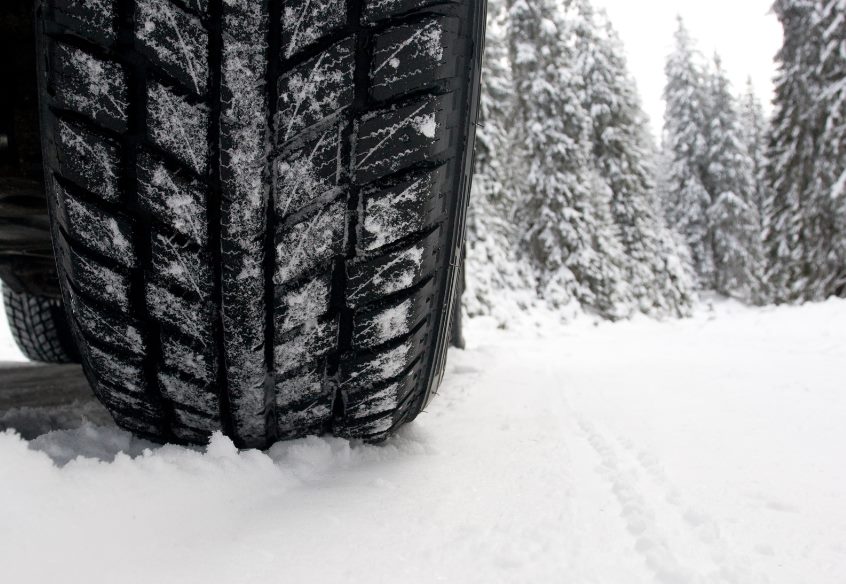
Imagine it's Wintertime; you are up with your blankets, and Christmas is around the corner. You must have thought of preparing for a road trip to a dreamy, snowy location. However, snowy and muddy roads might put a damper on your exciting plans.
That is when winter tyres for your car or vehicle come into the picture. As the name suggests, winter tyres are made for snowy roads, where they provide greater flexibility and stability to the car than normal tyres.
If you are looking to shift to winter tyres and do not exactly know what winter tyres are, follow the guide hereunder.

Table of Contents

During the normal season, regular tyres with a balanced rubber content provide excellent smoothness and stability to a vehicle.
However, during cold seasons, the light rubber content of these tyres hardens, and it leads to poor tyre grip. When temperatures drop below 7 degrees Celsius, winter tyres are the most ideal solution as these tyres have high rubber content.
These combat adverse weather conditions like snow, rain, storms, mud, etc. This is possible through the hard and heavy rubber content in the tyres. So, how are these made to fight complex road surfaces? Find out in the following section.
In general, the tyre’s rubber needs softness to gain a better grip and smooth transition while driving. During cold seasons, the rubber in normal tyres hardens while exposed to low temperatures below 7 degrees. Therefore, winter tyres are specially designed to withstand these low temperatures. These are made of pliable rubber to address this issue.
Additionally, these tyres have a unique tread design. This design assists in removing the mud, snow, ice, and debris stuck in the tyre. Lastly, the rubber content in these tyres is comparatively higher than that found in summer tyres.
The way winter tyres work or operate is related to friction, grip, tread design, and rubber content. The build of these tyres helps the vehicle move smoother and deliver optimum performance even on the roughest surfaces.
They have active water and air passage designs to disperse water quicker and more efficiently. As a result, there is even more frictional force and traction. Winter tyres have tiny grooves for this function that absorb and hold snow, mud, and other particles to enhance grip. Therefore, there is a reduced risk of aquaplaning.
In many countries, having winter tyres in your vehicle is compulsory. This is because of the various benefits it provides. Some of the most effective merits of these tyres are listed below.
These are the best options for providing utility on any road surface. It helps you get the smoothest driving experience on icy, wet, muddy, and dry roads.
Secondly, slippery roads during snowy seasons can offer you a forgettable driving experience, but you can enjoy a hassle-free driving experience through tiny grooves of winter tyres.
The tread design aids in spreading out or dispersing water faster and more effectively.
These tyres benefit you monetarily as they wear down slower than summer tyres. Their heavy rubber content makes it an economical and durable option.
There is always a negative side to different goods and services. Similarly, winter tyres also have some disadvantages, listed hereunder.
Summer tyres become a better option when the temperature increases and goes beyond 7 degrees as they offer shorter braking distances and improved grip in high temperatures.
If you are rotating your winter tyres and summer tyres, it can be expensive. Many people suggest having an all-season tyre rather than going for winter tyres or summer tyres.
These do not reap enough rewards in countries or areas with mild temperatures or rare chances of extremely low temperatures.
The following table sums up the main differences between a summer and winter type.
Many manufacturers have unique markings on winter tyres to specify relevant information such as manufacturing date, load capacity, etc. The following points state the meaning of markings embossed on winter tyres.
When you see ‘M+S’ on tyres, it signifies that the tyre is designed specifically for snowy and muddy road surfaces.
Apart from the regular ‘M+S’ non-regulated markings, manufacturers also use 3PMSF markings, a more trustworthy marking in Europe.
You can consider both markings acceptable before buying or selecting a tyre for your vehicle. You can identify these marks by mountain snowflake symbol, alpine icon, etc.
So next time you plan a trip to the snowflaked mountains of Ladakh or a road trip to Auli, get your car or vehicle checked. Put on the winter tyres before packing your luggage with sunscreen and smart sunglasses.