General
Life
Accessibility Options


General

General Products
Simple & Transparent! Policies that match all your insurance needs.
 Car Insurance
 Two Wheeler Insurance
 Commercial Vehicle Insurance
 Health Insurance
 Home Insurance
 Travel Insurance
 Business Insurance
Car Insurance
Two Wheeler Insurance
Commercial Vehicle Insurance
Health Insurance
Travel Insurance
Business Insurance
Car Insurance
Two Wheeler Insurance
Commercial Vehicle Insurance
Health Insurance
Travel Insurance


Scan to download

Life

Life Products
Digit Life is here! To help you save & secure your loved ones' future in the most simplified way.
 Term Life
 Savings Plan
 Retirement and Pension Plans
 Group Life Products
 Product Documents
Term Life
Savings Plan
Retirement and Pension Plans
Group Life Products
Product Documents
Term Life
Savings Plan
Retirement and Pension Plans
Group Life Products

Scan to download

Claims

Claims
We'll be there! Whenever and however you'll need us.
 Customer Support
 Motor Claims
Health Claims
Motor Claims
Health Claims
 Marine Insurance
 Grievance Redressal
Customer Support
Motor Claims
Health Claims
Marine Insurance
Grievance Redressal
Grievance Redressal
Customer Support
Motor Claims
Health Claims
Marine Insurance
Grievance Redressal
Scan to download
 General
 Life
General
Life
Life
General
Life
Renewals
Resources

Resources
All the more reasons to feel the Digit simplicity in your life!
Exclusive Features
 Transparency Report
Others
Exclusive Features
Transparency Report
Transparency Report
Others
Exclusive Features
Transparency Report
Scan to download


Our WhatsApp number cannot be used for calls. This is a chat only number.

 Grey Scale
 Readable Text
 Reset
Reset




10000+ Cashless Garages
1.5 Cr+ Policies Sold


Check Price

Car insurance Online, Up to 90% Discount
It's a Brand New Car
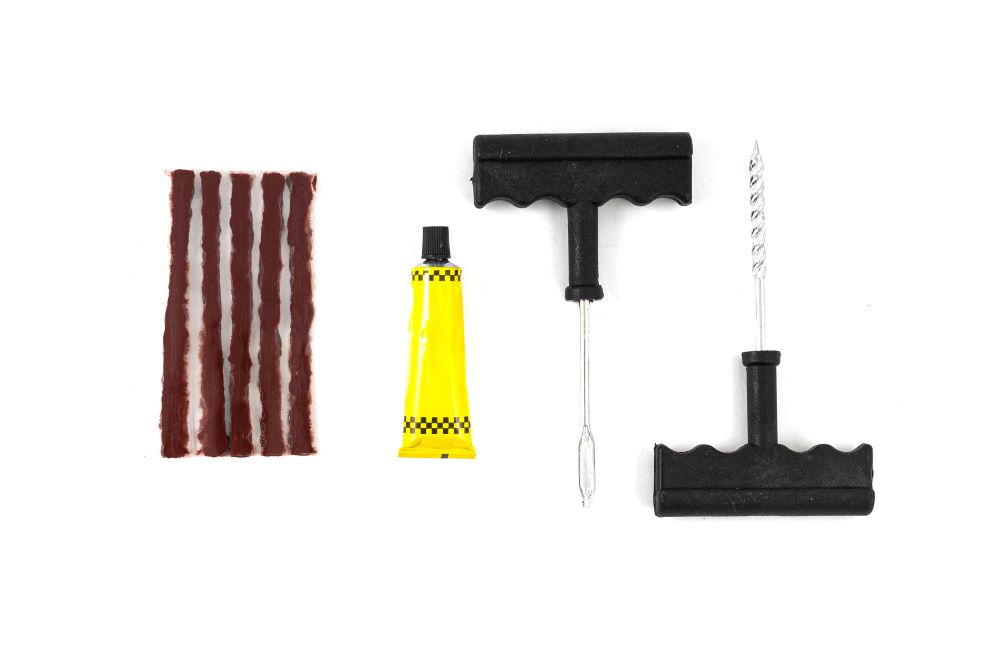
Using an anti-puncture liquid is one of the most effective ways to limit punctures in your vehicle’s tyre. The chemical is usually safe to use and is effective. However, there are some things that you should take into consideration while using sealant.
Anti-puncture liquid, also known as tyre sealant liquid, is a liquid that is added to a tyre to prevent or seal punctures. It is typically a combination of polymers, resins, and other chemicals that can solidify and plug small holes in the tyre when it comes into contact with air.
The anti-puncture liquid is typically ideal for tubeless tyres, but you can also use it in tubed tyres.
Anti-puncture liquid works by coating the tyre's inside with a thin sealant layer. Check out the working process of an anti-puncture liquid:
When a puncture occurs, the sealant flows to the hole and solidifies, blocking the air from escaping.
This can prevent or slow down the loss of air pressure, which can help to keep the tyre inflated and prevent a flat.
The main purpose of anti-puncture liquid is to provide temporary repair and prevent air leakage when a puncture happens. Once inside the tyre, it coats the inner surface and remains in a fluid state, ready to seal any punctures that may occur. Anti-puncture liquid for tubeless tyres is the most useful.
Know more about:
Check out the benefits of anti-puncture liquid below:
The best part of using anti-puncture liquid is that it works as an immediate solution. You don’t have to get stuck with a flat tyre, you can safely drive to the nearest workshop for repair.
Sealant or anti-puncture liquid makes driving more comfortable and easier for you. As sealant works on the punctured part of a tyre immediately, you don’t need to waste your time locating the puncture.
You don’t need to detach the tyre in order to insert the liquid. You can pump the fluid into the tyre while it can stay in its exact position.
Anti-puncture tyre sealant is beneficial in emergencies. However, some drawbacks exist. Here are some points:
Anti-puncture tyre liquid is a temporary fix to get you back on the road after a puncture. It is not a permanent solution; proper tyre repair or replacement is still necessary.
The tyre sealant may cause an imbalance in the wheel, leading to vibrations and impacting the vehicle's handling, particularly at higher speeds.
The tyre sealant can clog the valve stem, hindering proper tyre inflation or potentially damaging the stem.
Certain tyre sealants can harm the tyre pressure monitoring system (TPMS), resulting in inaccurate readings or complete system failure.
Applying tyre sealant can be messy and challenging to clean up. If applied incorrectly, it may leak out of the tyre, potentially causing damage to other vehicle components.
It's essential to carefully consider the potential drawbacks of anti-puncture tyre liquid and its benefits and evaluate whether it suits your situation. Generally, it is advisable to have your tyre professionally repaired or replaced promptly after using tyre sealant.
When utilised correctly following the manufacturer's guidelines, applying tyre sealant or anti-puncture liquid is generally safe and does not harm the tyre. These sealants are specifically designed to offer a temporary solution for repairing punctured tyres, enabling you to continue driving until proper repair or replacement can be arranged.
However, it's important to consider certain factors where using tyre sealant may not be suitable. For instance:
If the puncture is in the tyre's sidewall or if you have driven with a flat tyre, using sealant may not be a viable option. The tyre could already be significantly damaged, and using sealant could potentially exacerbate the issues.
If the sealant is improperly applied or the tyre is not promptly inspected and repaired, it can damage the tyre.
Overall, when used correctly following the manufacturer's instructions, anti-puncture sealants are usually effective and safe. They should not cause any long-term damage to the tyre.
It's important to note that while anti-puncture liquid can provide temporary relief and prevent immediate air loss, it is not a permanent solution. Ideally, you should have the tyre inspected and repaired by a professional as soon as possible after a puncture occurs.
Additionally, the sealant may have a limited lifespan, and you may need to replace it after a certain period or after sealing multiple punctures.
Know more about:
Explore Insurance Coverage for Your Vehicle