
General
Life
Accessibility Options


General

General Products
Simple & Transparent! Policies that match all your insurance needs.
 Car Insurance
 Two Wheeler Insurance
 Commercial Vehicle Insurance
 Health Insurance
 Home Insurance
 Travel Insurance
 Business Insurance
Car Insurance
Two Wheeler Insurance
Commercial Vehicle Insurance
Health Insurance
Travel Insurance
Business Insurance
Car Insurance
Two Wheeler Insurance
Commercial Vehicle Insurance
Health Insurance
Travel Insurance



Scan to download

Life

Life Products
Digit Life is here! To help you save & secure your loved ones' future in the most simplified way.
 Term Life
 Savings Plan
 Retirement and Pension Plans
 Group Life Products
 Product Documents
Term Life
Savings Plan
Retirement and Pension Plans
Group Life Products
Product Documents
Term Life
Savings Plan
Retirement and Pension Plans
Group Life Products

Scan to download

Claims

Claims
We'll be there! Whenever and however you'll need us.
 Customer Support
 Motor Claims
Health Claims
Motor Claims
Health Claims
 Marine Insurance
 Grievance Redressal
Customer Support
Motor Claims
Health Claims
Marine Insurance
Grievance Redressal
Grievance Redressal
Customer Support
Motor Claims
Health Claims
Marine Insurance
Grievance Redressal

Scan to download
 General
 Life
General
Life
Life
General
Life
Renewals
Resources

Resources
All the more reasons to feel the Digit simplicity in your life!
Exclusive Features
 Transparency Report
Others
Exclusive Features
Transparency Report
Transparency Report
Others
Exclusive Features
Transparency Report

Scan to download


Our WhatsApp number cannot be used for calls. This is a chat only number.

 Grey Scale
 Readable Text
 Reset
Reset




10000+ Cashless Garages
1.5 Cr+ Policies Sold


Check Price

Car insurance Online, Up to 90% Discount
It's a Brand New Car
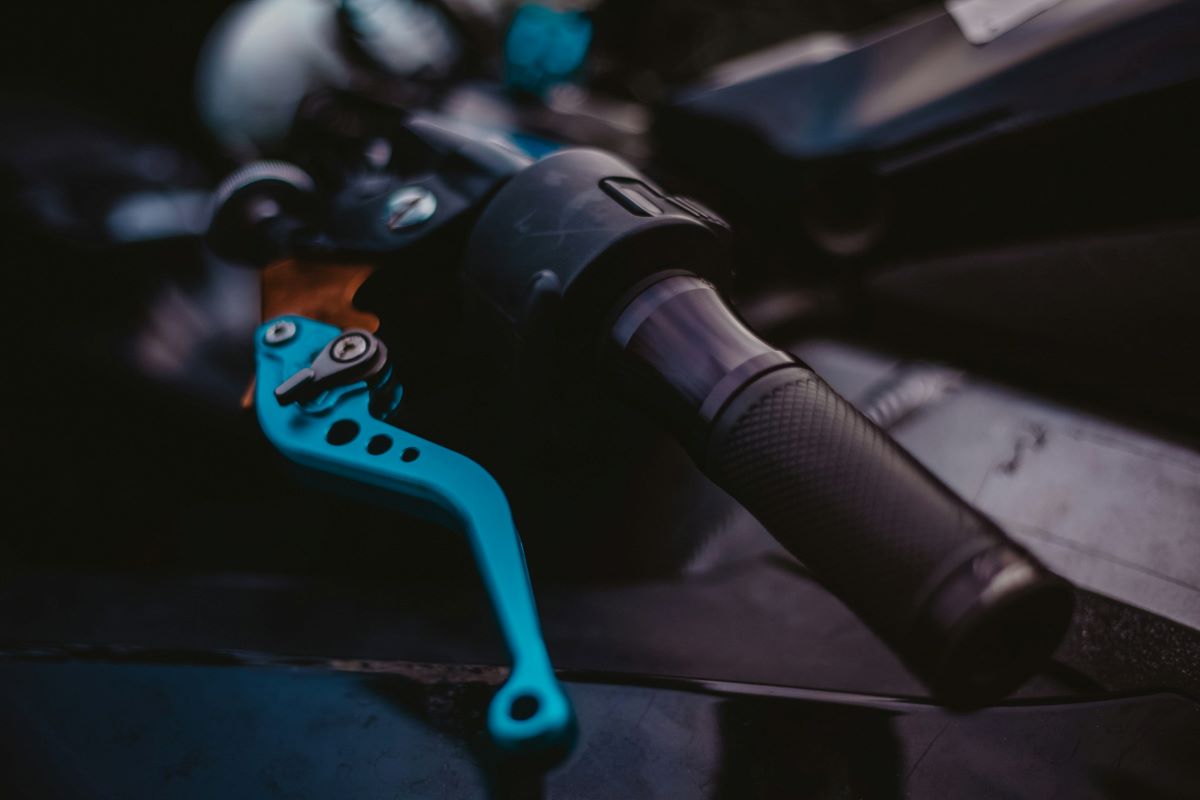
Hydraulic clutches are devices fitted in automobiles that use hydraulic fluid. It is different from a mechanical clutch cable used to manoeuvre a clutch disc. This fluid stays in a reservoir cylinder that regulates pressure and moves clutch plates.
Most cars use this device due to its self-adjust feature, which doesn't require pedal height adjustments.
A hydraulic clutch consists of multiple parts that require functioning optimally. Below are some components of a hydraulic clutch in detail:
Clutch Pedal: A clutch pedal is a primary component connecting the clutch mechanism to a motor vehicle. It is necessary to operate a clutch. As a driver presses a clutch pedal, fluid flows from the master to this slave cylinder, allowing a clutch to function.
Master Cylinder: The master cylinder is a hydraulic mechanism that helps in operating a clutch optimally. The clutch fluid flows at high pressure through a piston inside this cylinder.
Slave Cylinder: The second hydraulic cylinder in this mechanism is a slave cylinder. This cylinder has a push piston rod that connects to a clutch release fork. Fluid from the master cylinder flows through this slave cylinder mechanism and forces a push piston rod. It activates a clutch release fork.
Release Bearing: The clutch release bearing sits on a clutch shaft. When a driver presses the clutch pedal through a linkage, this release bearing applies force on a diaphragm at the centre section and finally disengages this clutch.
Pressure Pipe: Pressure pipe is a significant part of hydraulic clutch construction. The function of a pressure pipe is to supply fluid from a master cylinder to a clutch slave cylinder at a high pressure to allow the functioning of a clutch.
Clutch Plate: A clutch plate sits between a flywheel and a pressure plate and consists of the friction lining on both its surface sections. The frictional surface in this mechanism asserts pressure between a pressure plate and a flywheel. This friction or pressure causes an interruption in the power flow between a transmission and an engine.
Release Fork: This part connects to a clutch shaft on one end and a slave cylinder on the other. It has a clutch release bearing placed on it. When a driver presses a clutch pedal, it forces this release bearing on a diaphragm to generate pressure on it.
Flywheel: One of the most crucial parts of hydraulic clutch systems, a flywheel connects to a clutch plate at one end and an engine crankshaft at the other. This mechanism allows transferring of power flow from the engine to transmission via clutch plates.
Diaphragm Spring: The diaphragm is a semi-circular or a 'C' shaped spring that sits on a pressure plate in a mechanism. It engages pressure on a clutch plate. As a driver presses the clutch pedal, the centre of a diaphragm spring forces in and the spring shifts pressure plates away from a clutch plate.
Pressure Plate: The function of a pressure plate is to force the friction plate against the flywheel. A pressure plate stays under pressure with the help of a diaphragm spring in this mechanism.
Splined Sleeves: Splined sleeves are another significant part of a hydraulic clutch mechanism. These parts sit between a pressure plate and the friction lining surface of a clutch plate. A pressure plate helps splined sleeves to remain under pressure to engage the clutch. As the pressure plate releases force, splined sleeves pull away and refrain the engine from the transmission.
The working of a hydraulic clutch depends on Pascal's law or Pascal's principle. It is the principle of transmission of fluid pressure.
The basic function of a clutch mechanism is to initiate power flow from an engine to transmission and disrupt power flow to allow changing gears without causing any slippage. It happens by separating the connection between a pressure plate and a flywheel.
Below are some essential points to consider when understanding the working principle of a hydraulic clutch:
The mineral or brake fluid used in a hydraulic mechanism consists of a reservoir where clutch fluid is stored.
A clutch master cylinder connects directly to a clutch pedal allowing it to function accordingly.
As a driver generates force, it forces the piston and fluid to compress inside the master cylinder.
Pressure pipes transfer high pressure from the master to the slave cylinder.
When understanding the function of a hydraulic clutch system, it is essential to remember that a clutch will engage or disengage engine power to other parts. Therefore, one can say a hydraulic clutch system functions in two segments.
These are as follows:
The following are the step-by-step working of the engagement of a hydraulic clutch:
Step 1: This process begins when a driver presses a clutch, thus activating this engagement procedure. This method initiates the diaphragm clutch process.
Step 2: As a clutch pedal connects to a clutch plate, the mechanism will begin to revolve and function.
Step 3: Then, the friction surfaces will start developing contact with the flywheel in engine and pressure plates.
Step 4: These pressure plates will shift pressure to a spring, and this spring will further contact with splined sleeves.
Step 5: After completing all these processes, sleeves will engage the clutch.
The following are the step-by-step working of disengagement of the hydraulic clutch:
Step 1: As a driver releases a pedal, it will activate the disengagement procedure.
Step 2: The splined sleeves in this system that shifted forward due to the engagement process will now move backwards due to the disengagement process.
Step 3: Due to this action, there will be no contact between a clutch and a pressure plate. Furthermore, it will cause the flywheel to release from the clutch plate contact.
Step 4: It will result in slowing down and stopping a clutch plate rotation, causing clutches to disengage.
The significant functions of a hydraulic clutch include the following:
Regulate Power Flow: Hydraulic clutches effectively produce power flow between a driver shaft or an engine and a driven shaft or a transmission.
Drive Smoothly: Hydraulic clutches are excellent mechanisms that allow driving off a vehicle smoothly on a road from a standstill.
Avoids Leakage: Hydraulic pipe in this system must pass a suppressed fluid between cylinders preventing any leakage as this might cause air to get engaged inside this mechanism and affect this clutch.
Prevents Overloading: This mechanism prevents a vehicle engine or transmission from overloading reducing risks of malfunctioning of this system.
Proper Functioning of Clutch: This mechanism uses the force of hydraulic fluid to disengage and engage clutches accordingly.
Optimal Clutch Mechanism: As pressure releases, a clutch system must function optimally. It assures that the connection between the flywheel and plates is stable and does not wear often.
Self-Adjust Pedal Height: Hydraulic mechanism self-adjusts a clutch pedal height like the braking system. Furthermore, it maintains the connection of the clutch throughout its lifespan.
Avoids Air Bubble Inside: Hydraulic clutches hold this system between the slave and master cylinder in a closed system to avoid having any air inside.
Proper Functioning of Master Cylinder: The master cylinder of a clutch must function as per the force generated by a pedal.
The hydraulic clutch is different from the mechanical clutch in several ways. Let us find out the differences between them.
While hydraulic clutches are the modern mechanisms, mechanical ones are traditional.
The hydraulic clutch system allows easier clutch handling and smooth operation. However, handling mechanical clutches is time-consuming.
Due to the hydraulic force in the fluid, you will get a smooth and comfortable clutch pedal which is not the case with cables in mechanical clutches.
Hydraulic clutches function on the principle of high-pressurised clutch fluid. It has a master and a slave cylinder and a fluid reservoir. However, there is only cable in a mechanical clutch system.
Due to the self-adjusting nature of hydraulic clutches, their engagement point remains the same throughout their lifespan. It doesn't happen in the case of other clutches.
Hydraulic clutches are easy to modulate and consist of a proper lever pull, as there is a slave and a master cylinder. It doesn't happen in other clutches.
In a hydraulic clutch, the pedal shifts to its original position, although clutch plates wear out. However, for mechanical cable clutches, the cable or wire used to activate might break or corrode after ageing.
There are several advantages and disadvantages of the hydraulic clutch. Below are the advantages of this mechanism discussed in detail:
Low-Friction Devices: Hydraulic clutches are low-friction devices as they function completely on hydraulic fluids.
Consistent Lever Pull: These clutches ensure consistent and smooth lever pull as it requires less time to react. Moreover, the driver doesn’t need to go extreme like that of mechanical clutches.
Low Maintenance: Due to its self-lubricating and low-friction feature, these clutches require low maintenance.
Self-Lubricated: Mechanical clutches require lubrication often, which is not the case for hydraulic ones. They come with self-lubricated features.
Improved Quality: The quality of hydraulic clutches is better than that of mechanical ones.
Longevity: Hydraulic clutches promise longevity as there is less friction, reducing the chances of sudden cable issues.
Un-Interrupted Functioning: Hydraulic system ensures there is no cable inside the device that requires periodic maintenance due to damage.
Self-Adjusting Clutch Pedal Height: These clutches come with self-adjusted clutch pedal height, which functions due to hydraulic action. Hence, it doesn't require continuous adjustments like a mechanical cable clutch device.
Some disadvantages of the hydraulic clutch are as follows:
Damage to Clutch Plates: Often, due to hydraulic malfunctioning, the slave cylinder overflows the fluid damaging the clutch plates.
High Repair Cost: These clutches are complex mechanisms having multiple components and parts. If any of these cause errors, the cost of repairing them is high.
Large Set-up Area: This mechanism consists of several parts, wires and pipes that take up too much area.
Plastic Metals Rot: Hydraulic pipe in the device has plastic metals that might rot after a certain period of usage. Therefore, to prevent major damage, it requires regular checking.
Prone to Leakage: One of the major issues in this system is that hydraulic clutches are prone to leakage as the clutch fluid is transferred in large quantities inside the device.
Costly Replacements: If the cylinder seals leak, the whole system needs replacement. This can be costly.
Incorrect Liquid Damages Device Seals: Using incorrect fluids will damage the seals in the device causing malfunctioning of the system. Therefore, use standard clutch fluid.
Regular Fluid Changes: Clutch fluid gets contaminated with impurities after a certain time of use. Moreover, you need to maintain an optimum level of fluid in the reservoir to avoid damage to the device components. Therefore, ensure changing the fluid often. The clutch fluid in hydraulic clutches is costly.
Time-Consuming: The clutch fluid needs bleeding to release trapped air during the process of replacement. This is a time-consuming aspect.
Hydraulic clutches are preferred by renowned car manufacturers as they ensure quality, come with a simple design and require less effort.
The following are the applications of hydraulic clutches:
Hydraulic clutches are applicable in heavy vehicles.
Single-plate and multi-plate clutches used hydraulic plates.
As this system comes with self-lubricating and self-adjusting features, it has various requirements in diverse industries.
So, now you have an idea about what a hydraulic clutch is and its functioning. This mechanism requires optimal pedal effort and ensures a smooth clutch pedal feel to the driver as they are designed with lighter components. Moreover, highly pressurised fluids and cylinders ensure a robust clutch mechanism.
Know more about:
Explore Insurance Coverage for Your Vehicle
There are several affordable hydraulic clutch conversion kits available in the market. In this process, first, you must remove all the linkage parts present, from the mechanical set-up. Then, drill through the firewall to place and connect the cylinder.
Now, install the slave cylinder and connect the mechanism to the hydraulic brake cylinder. Install the reservoir. After connecting everything, bleed it to ensure the fluid is functioning properly.





