General
Life
Accessibility Options


General

General Products
Simple & Transparent! Policies that match all your insurance needs.
 Car Insurance
 Two Wheeler Insurance
 Commercial Vehicle Insurance
 Health Insurance
 Home Insurance
 Travel Insurance
 Business Insurance
Car Insurance
Two Wheeler Insurance
Commercial Vehicle Insurance
Health Insurance
Travel Insurance
Business Insurance
Car Insurance
Two Wheeler Insurance
Commercial Vehicle Insurance
Health Insurance
Travel Insurance


Scan to download

Life

Life Products
Digit Life is here! To help you save & secure your loved ones' future in the most simplified way.
 Term Life
 Savings Plan
 Retirement and Pension Plans
 Group Life Products
 Product Documents
Term Life
Savings Plan
Retirement and Pension Plans
Group Life Products
Product Documents
Term Life
Savings Plan
Retirement and Pension Plans
Group Life Products

Scan to download

Claims

Claims
We'll be there! Whenever and however you'll need us.
 Customer Support
 Motor Claims
Health Claims
Motor Claims
Health Claims
 Marine Insurance
 Grievance Redressal
Customer Support
Motor Claims
Health Claims
Marine Insurance
Grievance Redressal
Grievance Redressal
Customer Support
Motor Claims
Health Claims
Marine Insurance
Grievance Redressal
Scan to download
 General
 Life
General
Life
Life
General
Life
Renewals
Resources

Resources
All the more reasons to feel the Digit simplicity in your life!
Exclusive Features
 Transparency Report
Others
Exclusive Features
Transparency Report
Transparency Report
Others
Exclusive Features
Transparency Report
Scan to download


Our WhatsApp number cannot be used for calls. This is a chat only number.

 Grey Scale
 Readable Text
 Reset
Reset




10000+ Cashless Garages
1.5 Cr+ Policies Sold


Check Price
Car insurance Online, Up to 90% Discount
It's a Brand New Car
Choosing an electric car for family use involves more than just comparing driving range or price. A good family EV should offer a spacious cabin, comfortable rear-seat experience, adequate boot space for luggage, strong safety features, and low running costs for everyday use. It should be equally capable of handling daily office commutes, school runs, shopping trips, and occasional highway journeys.
Fortunately, the Indian EV market now offers several family-friendly options across different price segments. From affordable urban SUVs like the Tata Punch.ev to premium long-range models such as the Hyundai Ioniq 5 and Kia EV6, buyers have more choices than ever before. Modern electric cars also benefit from lower maintenance requirements, reduced fuel expenses, and improving charging infrastructure, making them a practical choice for families.
Also, When buying a EV car in India, securing electric car insurance is crucial as it is mandated by the Motor Vehicles Act of 1988. It provides financial protection against accidents, theft, and damage, safeguarding your investment.
Having car insurance saves you from hefty traffic fines, license suspension, and even legal trouble.
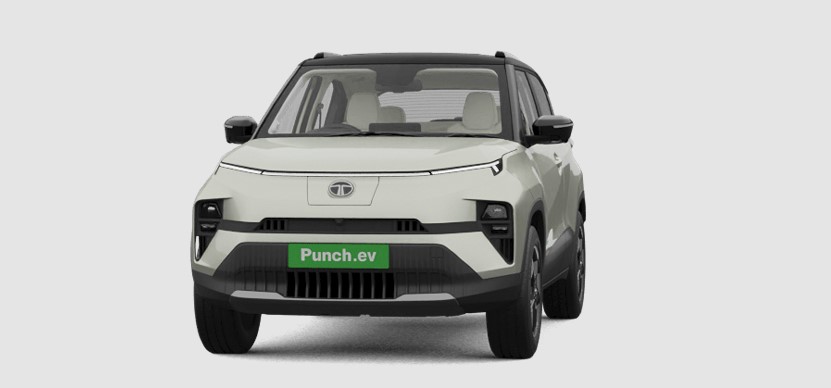
The Tata Punch.ev is a practical choice for small families looking to switch to electric mobility without stretching their budget. Despite its compact footprint, it offers a spacious cabin, comfortable seating, decent boot space, and SUV-inspired styling. Its elevated seating position provides good visibility, while the claimed range makes it suitable for daily office commutes, school runs, shopping trips, and occasional weekend drives.
Key Specifications:
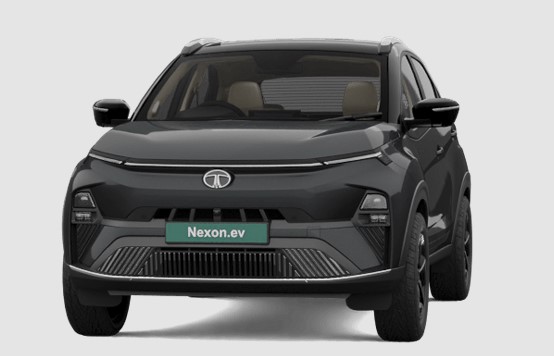
The Tata Nexon.ev remains one of India's most well-rounded family electric SUVs. It offers comfortable seating for five passengers, a practical boot, multiple safety features, and a balance of city-friendly dimensions and highway capability. With its long driving range and extensive service network, the Nexon.ev is ideal for families looking for one vehicle that can comfortably handle both everyday use and road trips.
Key Specifications
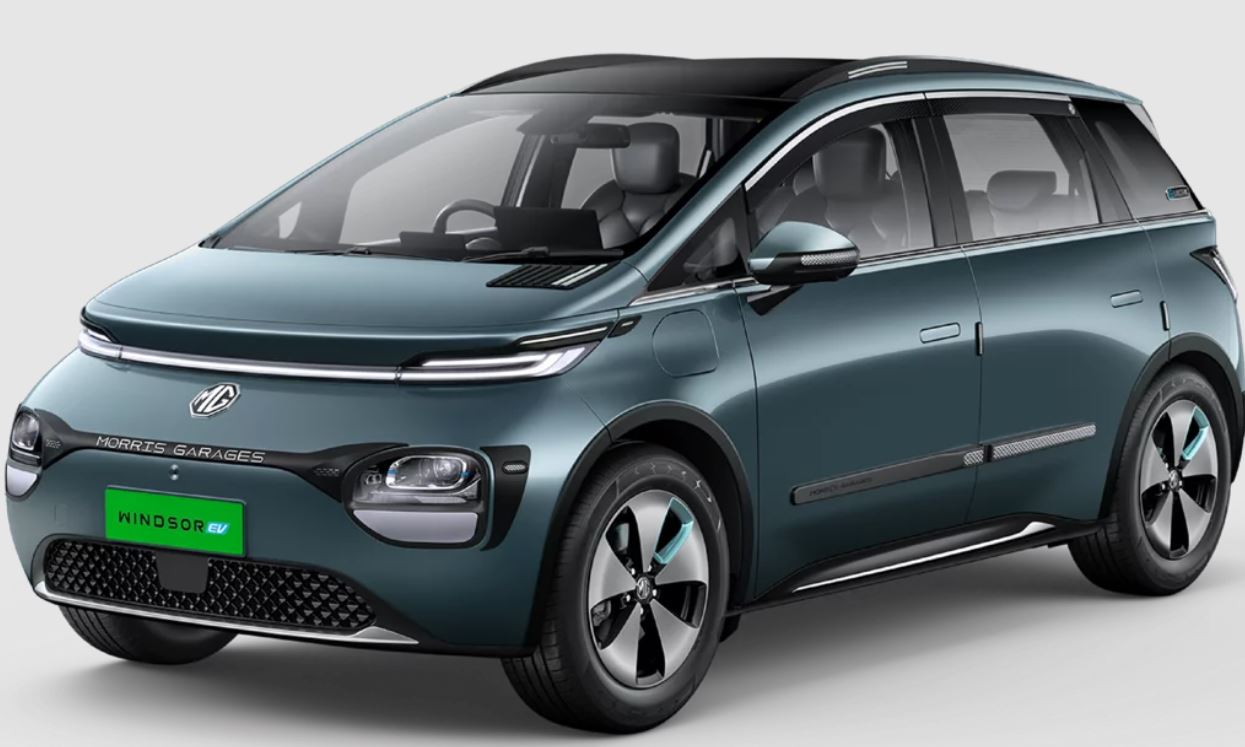
The MG Windsor EV is one of the most family-focused electric cars currently available in India. Its spacious rear seat, generous legroom, and large boot make it highly practical for daily family use. Whether it is school drop-offs, office commutes, grocery runs, or intercity travel, the Windsor EV delivers comfort and convenience. The addition of a lifetime battery warranty for the first owner further enhances its long-term ownership value.
Key Specifications
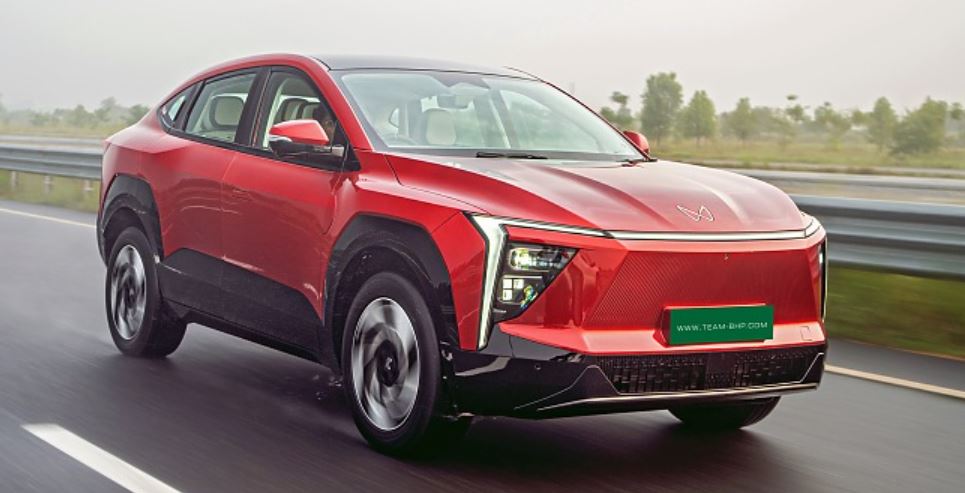
The Mahindra XEV 9e is among the most advanced electric SUVs available in India today. It combines long range, premium comfort, modern technology, and a spacious interior. The large cabin ensures comfort for both front and rear passengers, while the huge boot space makes it perfect for family holidays. For buyers who regularly travel long distances, the XEV 9e stands out as one of the best family EVs currently on sale.
Key Specifications
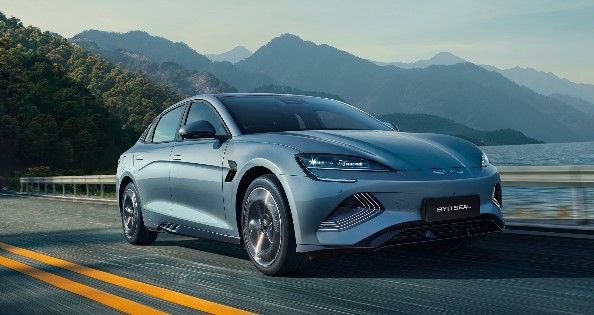
The BYD Atto 3 offers a spacious and comfortable cabin along with a practical driving range. Its flat floor design, quality interior materials, and generous rear-seat space make it well-suited for family use. The Atto 3 also benefits from BYD's Blade Battery technology, which is known for its safety and durability. Families seeking a premium EV experience without entering luxury-car territory should consider the Atto 3.
Key Specifications
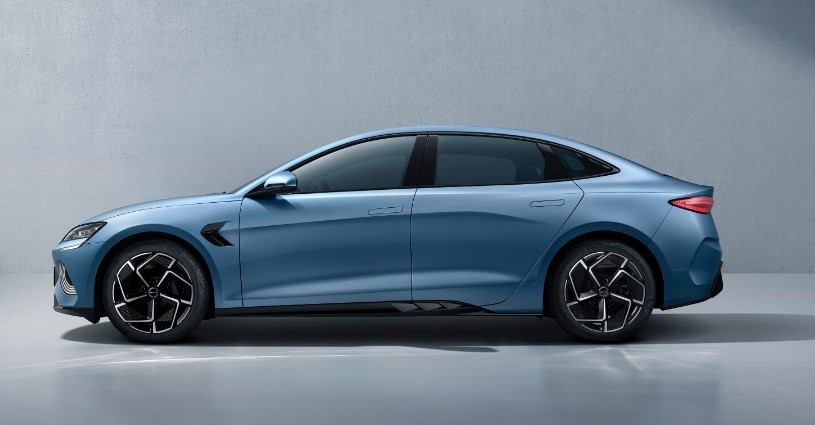
The BYD Seal is a premium electric sedan that combines long driving range, advanced safety features, and a spacious cabin. While SUVs are often preferred by families, the Seal offers excellent rear-seat comfort, a large boot, and a smooth driving experience that makes it suitable for daily commuting as well as long-distance family travel. Its strong performance, premium interior quality, and fast-charging capability make it an attractive option for buyers looking for a luxury family EV.
Key Specifications:
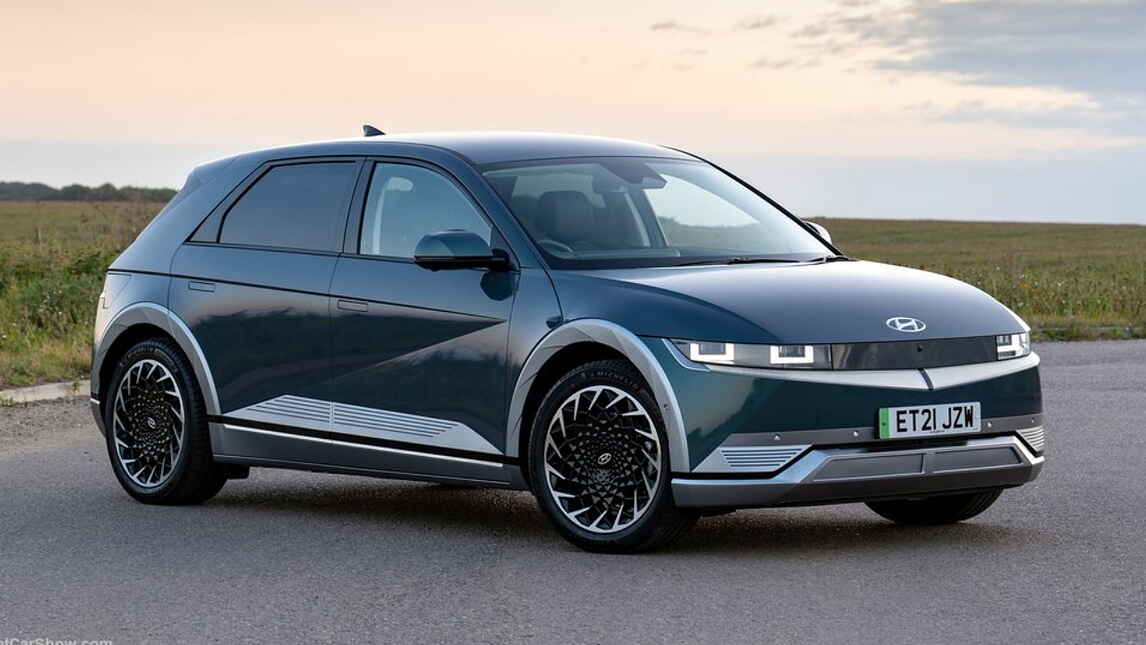
The Hyundai Ioniq 5 is a premium electric crossover designed with family comfort in mind. It offers exceptional interior space, reclining seats, advanced driver assistance systems, and a smooth ride quality. The long wheelbase creates a lounge-like cabin experience, making it an excellent choice for buyers who frequently travel with family members on highways and long-distance routes.
Key Specifications
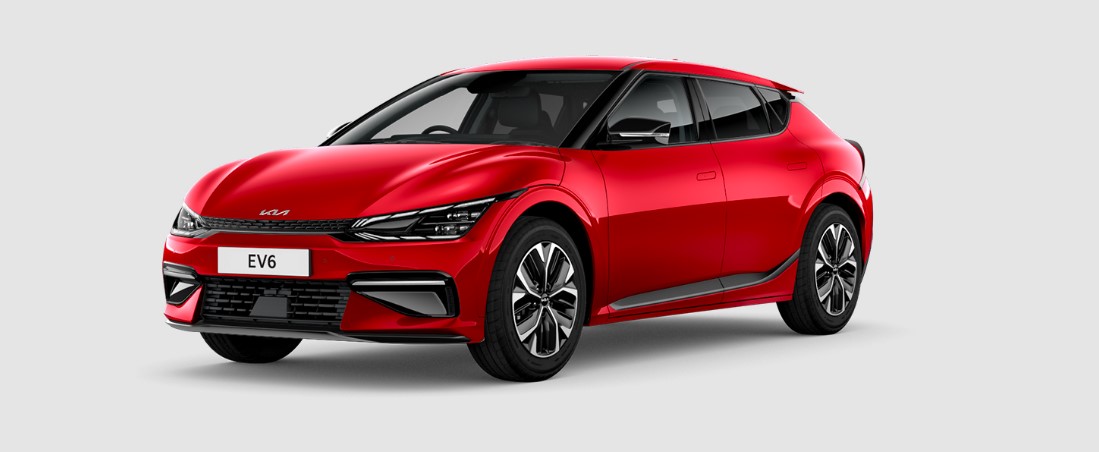
The Kia EV6 is one of the most premium family EVs available in India. It combines luxury, practicality, long range, and cutting-edge technology in a stylish package. The spacious cabin, comfortable rear seating, large boot, and ultra-fast charging capability make it an outstanding option for families that enjoy frequent road trips. Its long range also significantly reduces charging anxiety during long-distance travel.
Key Specifications