General
Life
Accessibility Options


General

General Products
Simple & Transparent! Policies that match all your insurance needs.
 Car Insurance
 Two Wheeler Insurance
 Commercial Vehicle Insurance
 Health Insurance
 Home Insurance
 Travel Insurance
 Business Insurance
Car Insurance
Two Wheeler Insurance
Commercial Vehicle Insurance
Health Insurance
Travel Insurance
Business Insurance
Car Insurance
Two Wheeler Insurance
Commercial Vehicle Insurance
Health Insurance
Travel Insurance



Scan to download

Life

Life Products
Digit Life is here! To help you save & secure your loved ones' future in the most simplified way.
 Term Life
 Savings Plan
 Retirement and Pension Plans
 Group Life Products
 Product Documents
Term Life
Savings Plan
Retirement and Pension Plans
Group Life Products
Product Documents
Term Life
Savings Plan
Retirement and Pension Plans
Group Life Products

Scan to download

Claims

Claims
We'll be there! Whenever and however you'll need us.
 Customer Support
 Motor Claims
Health Claims
Motor Claims
Health Claims
 Marine Insurance
 Grievance Redressal
Customer Support
Motor Claims
Health Claims
Marine Insurance
Grievance Redressal
Grievance Redressal
Customer Support
Motor Claims
Health Claims
Marine Insurance
Grievance Redressal
Scan to download
 General
 Life
General
Life
Life
General
Life
Renewals
Resources

Resources
All the more reasons to feel the Digit simplicity in your life!
Exclusive Features
 Transparency Report
Others
Exclusive Features
Transparency Report
Transparency Report
Others
Exclusive Features
Transparency Report
Scan to download


Our WhatsApp number cannot be used for calls. This is a chat only number.

 Grey Scale
 Readable Text
 Reset
Reset




10000+ Cashless Garages
1.5 Cr+ Policies Sold


Check Price

Car insurance Online, Up to 90% Discount
It's a Brand New Car
ADAS, or Advanced Driver Assistance Systems, is the umbrella term for technologies that support safer, more relaxed driving.
Electric Cars that offer ADAS come with advanced safety features like emergency braking when a vehicle cuts in, adaptive cruise control that adjusts to traffic flow, lane-keeping assistance, blind-spot monitoring, and cross-traffic alerts.
The smooth, quiet performance of EVs pairs naturally with active safety features that bring confidence in city traffic and comfort on highways.
However, that availability often depends on the variant or model year, so it’s best to confirm the exact feature list before you buy.
That’s why EVs with ADAS stand out: they combine clean, smooth electric mobility with the reassurance of smart, proactive safety.
Also, When buying an EV car in India, securing electric car insurance is crucial as it is mandated by the Motor Vehicles Act of 1988. It provides financial protection against accidents, theft, and damage, safeguarding your investment.
Having car insurance saves you from hefty traffic fines, license suspension, and even legal trouble.

Table of Contents

Note: ADAS availability can vary by trim/variant and model year; check the specific variant before purchase.
Following is the list of the EV cars that offer ADAS Features.
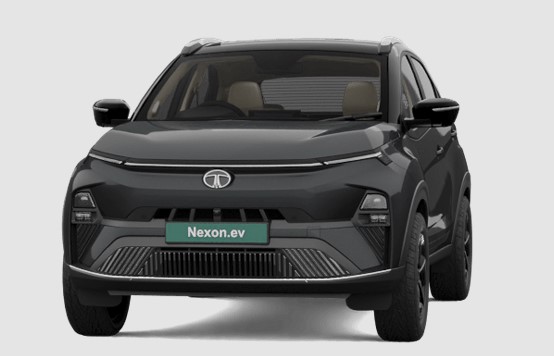
The Tata Nexon EV is among the most affordable electric SUVs in India to offer Level 2 ADAS. Available on higher variants, the system enhances safety with features like Adaptive Cruise Control, Forward Collision Warning, Lane Departure Warning, and Autonomous Emergency Braking. Combined with the Nexon EV's strong safety credentials, these technologies make it a compelling option for buyers seeking advanced driver assistance without entering the premium EV segment.
Key Specifications:
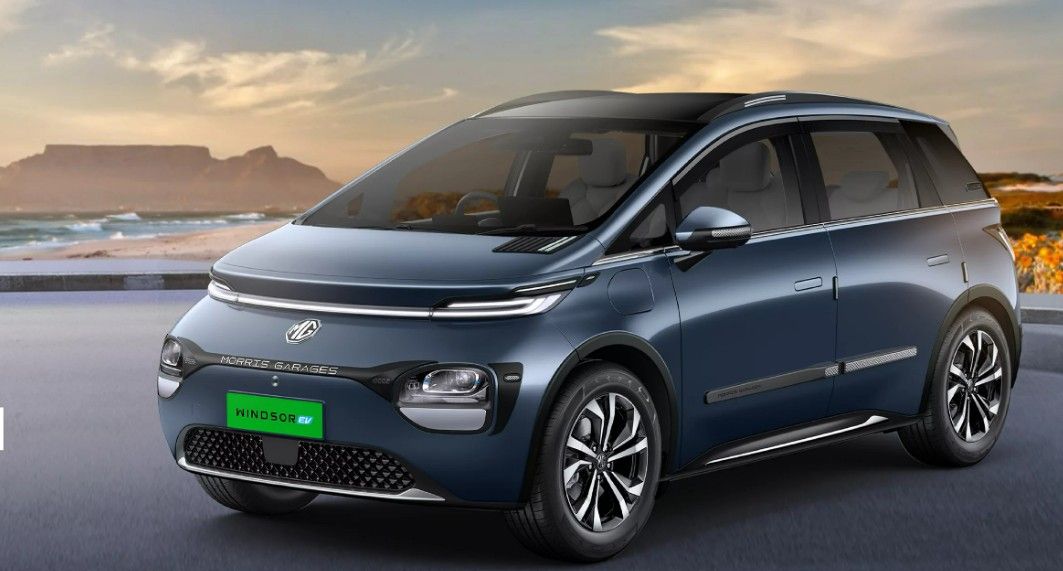
The MG Windsor Pro makes advanced driver assistance technology more accessible by offering a comprehensive Level 2 ADAS suite in the mass-market EV segment. Designed for family-focused buyers, it combines safety and convenience with features such as Adaptive Cruise Control, Lane Keep Assist, Automatic Emergency Braking, and Intelligent High Beam Assist. Its ADAS package helps reduce driver fatigue during highway journeys while enhancing overall safety in daily driving conditions.
Key Specifications:
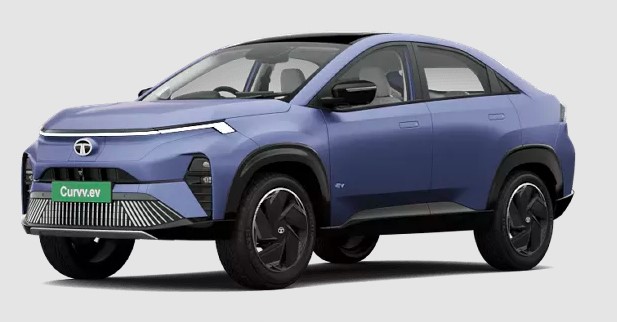
The Tata Curvv EV expands Tata Motors' ADAS-equipped EV lineup with a Level 2 driver assistance suite focused on safety and convenience. Alongside its coupe-SUV styling and long driving range, the Curvv EV offers advanced features such as Adaptive Cruise Control, Lane Keep Assist, and Autonomous Emergency Braking. These systems work together to enhance driver confidence during both urban commutes and highway journeys.
Key Specifications:
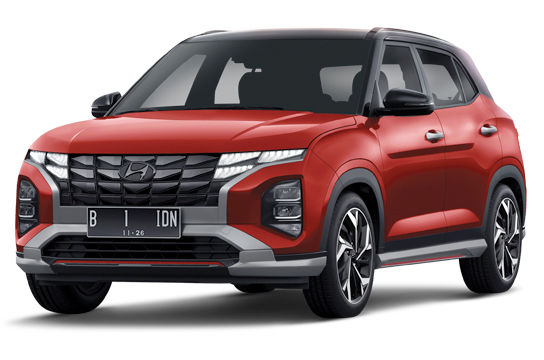
The Hyundai Creta Electric brings Hyundai's SmartSense Level 2 ADAS technology to the EV segment. Designed for both city and highway driving, the system includes a broad set of active safety features that assist with steering, braking, and maintaining safe distances from surrounding vehicles. Its well-calibrated ADAS package makes it one of the most practical electric SUVs for long-distance travel.
Key Specifications:
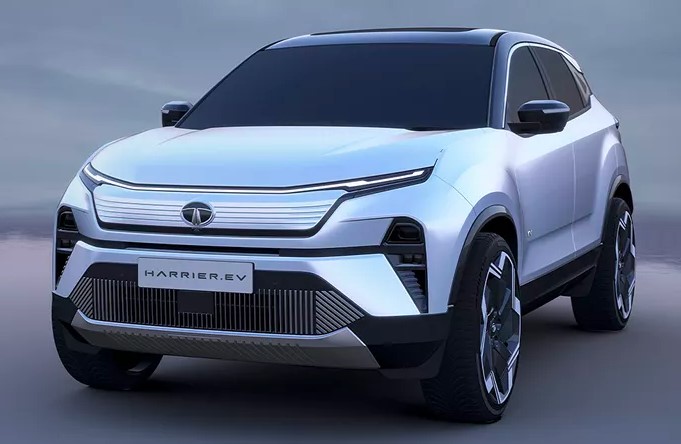
The Tata Harrier EV is Tata's flagship electric SUV and comes equipped with a comprehensive Level 2 ADAS suite. Designed to improve occupant safety and highway-driving comfort, the system includes features such as Adaptive Cruise Control, Lane Assist, Blind Spot Monitoring, and Automatic Emergency Braking. The ADAS package complements the SUV's premium positioning and long-range capability.
Key Specifications:
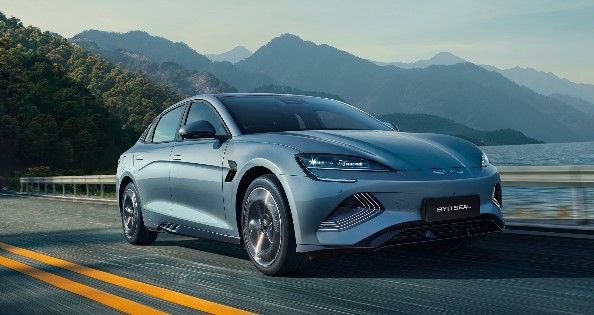
The BYD Atto 3 pairs its efficient EV package with a Level 2 ADAS suite, bringing Adaptive Cruise Control (with Stop & Go), Autonomous Emergency Braking, lane support (LDW/LDP and LKA), Blind Spot Detection, and Rear Cross-Traffic functions into the mainstream. That blend of driver assistance and everyday usability makes the Atto 3 a safety-forward pick in its segment.
Key Specifications:
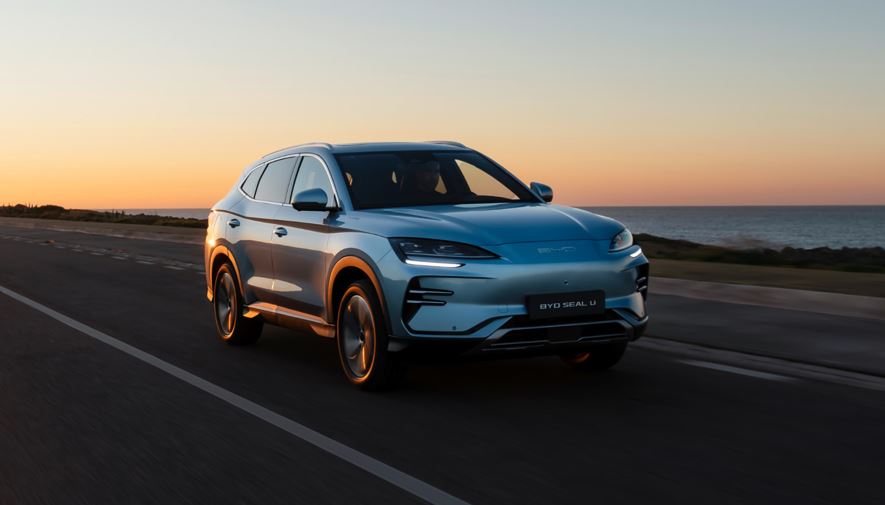
BYD’s premium electric sedan pairs strong performance with a Level 2 ADAS suite across the range, bundling Adaptive Cruise Control, lane-keeping aids, Automatic/Autonomous Emergency Braking, Blind Spot Detection, Rear Cross-Traffic functions and more. A 360° camera and front & rear parking sensors further enhance visibility in tight city spaces.
Key Specifications
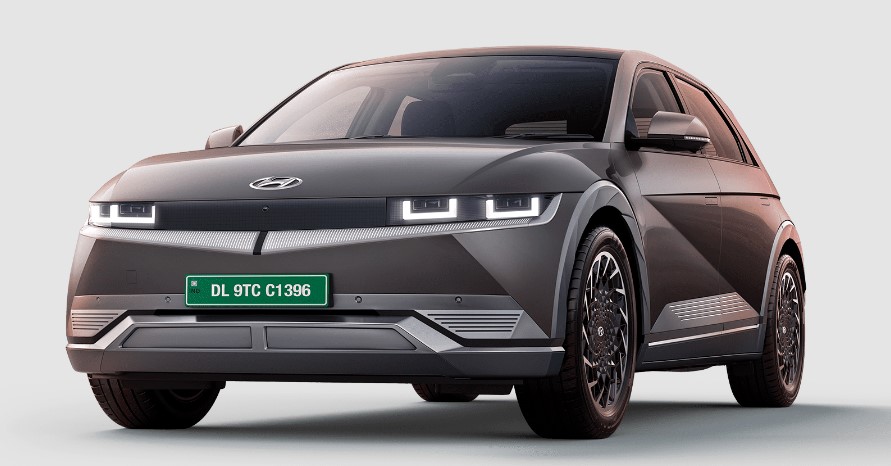
The Hyundai Ioniq 5 pairs its long-range E-GMP hardware with Hyundai SmartSense Level 2 ADAS (21 functions). The India-spec setup uses a front camera, a front radar and rear radars, plus a Surround View Monitor, enabling features like Smart Cruise Control with Stop & Go and lane-centering aids that reduce driver workload in traffic and on highways.
Key Specifications
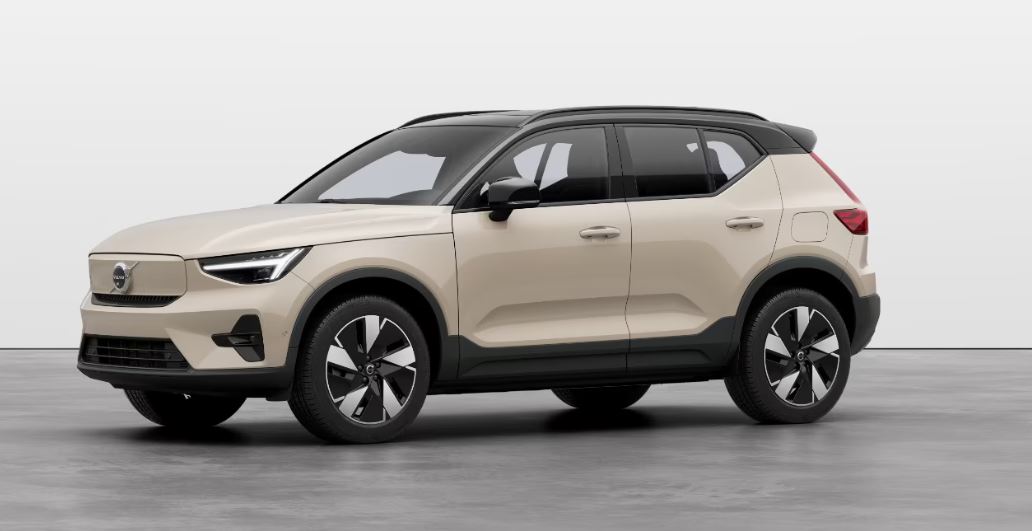
The EX40 (formerly XC40 Recharge) brings Volvo’s hallmark safety tech to its compact EV, bundling an ADAS suite with Autonomous Emergency Braking, Lane Keeping Aid, Blind Spot Information System and Cross-Traffic Alert. These features make highway cruises calmer and add an extra layer of collision avoidance in the city.
Key Specifications
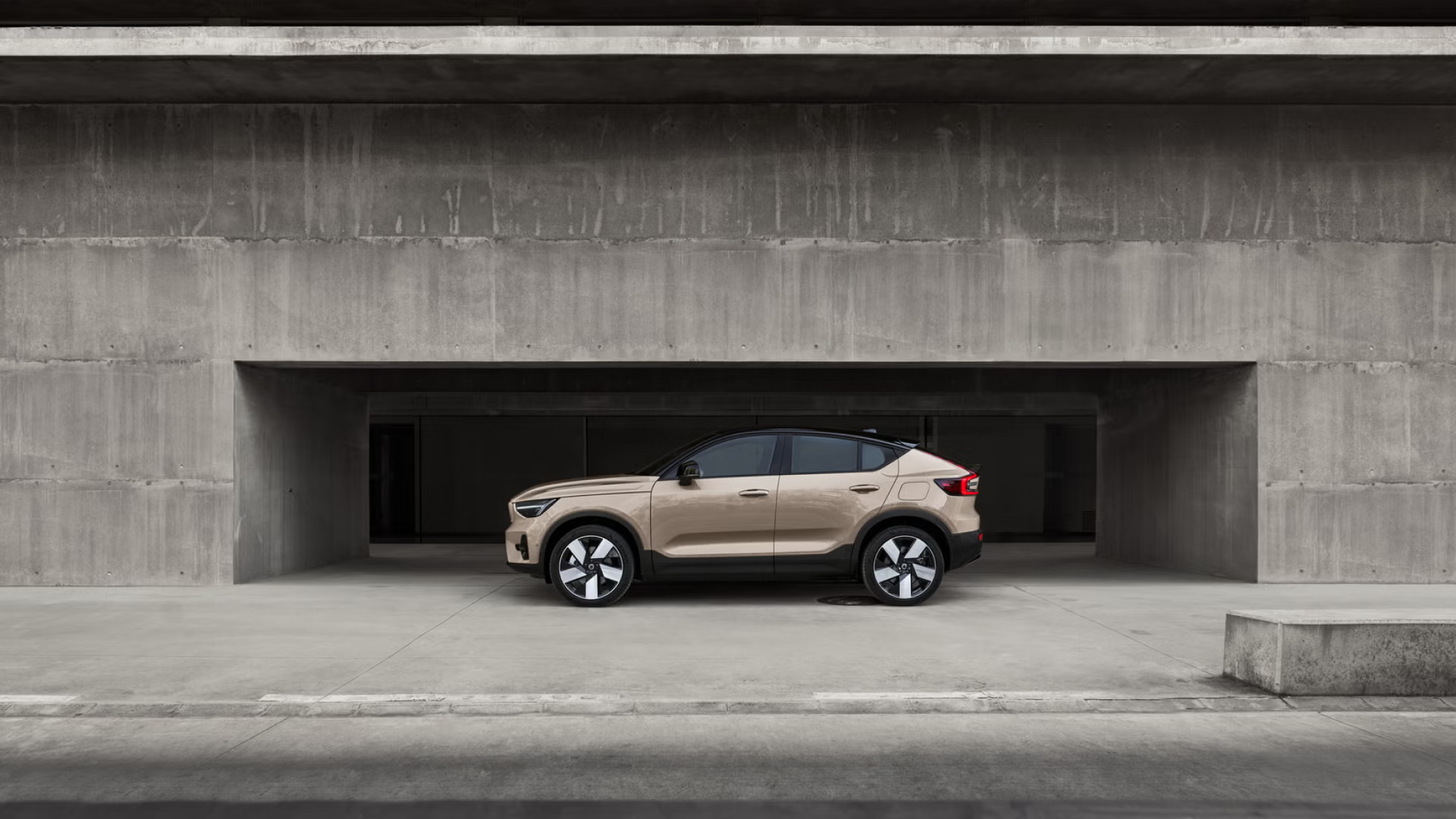
The EC40 (formerly C40 Recharge) adds a sleeker coupe-SUV body to the same robust ADAS stack, including collision avoidance/mitigation and lane-keeping aids. A 360° camera further boosts situational awareness when manoeuvring. It’s a dual-motor, all-wheel-drive EV with quick performance and a safety-first focus.
Key Specifications
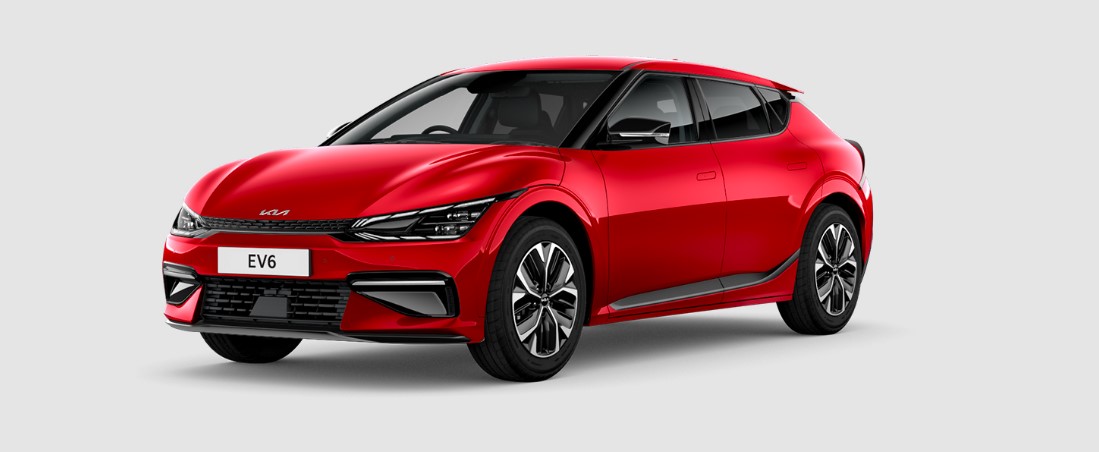
The 2025-model EV6 brings an uprated 84 kWh battery and an updated Level 2 ADAS suite. Highway Driving Assist, lane-centering and active braking help reduce fatigue on long journeys, while the restyled cabin and technology package keep it competitive among premium EV crossovers.
Key Specifications:
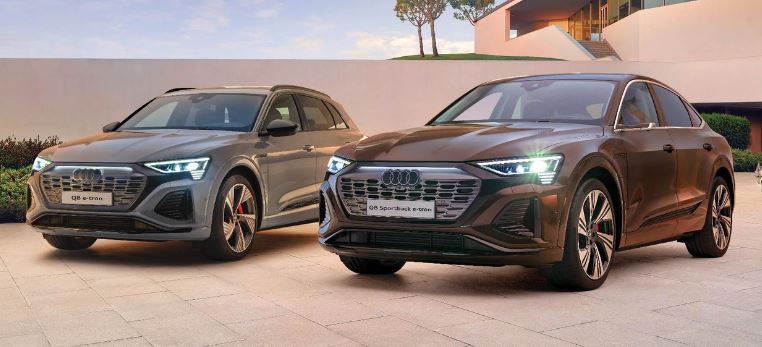
Audi’s Q8 e-tron integrates a broad set of driver assists, including adaptive cruise control, lane keep/departure warning, park assist and a 360° camera, delivered through its refined MMI and sensor suite. The result is a calm, confidence-inspiring luxury EV experience in both SUV and Sportback body styles.
Key Specifications:
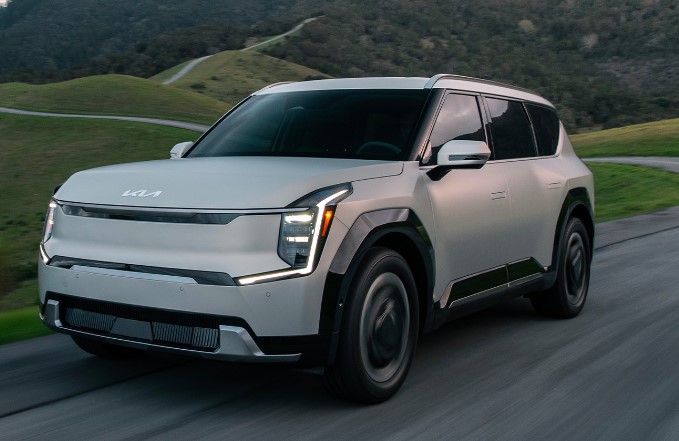
The Kia EV9 showcases Kia's most advanced Level 2 ADAS technology currently available in India. As the brand's flagship electric SUV, it offers a sophisticated safety suite that can assist with steering, acceleration, braking, and lane centering during highway driving. Combined with its spacious three-row layout and premium features, the EV9 delivers one of the most comprehensive driver assistance packages in the luxury EV segment.
Key Specifications:
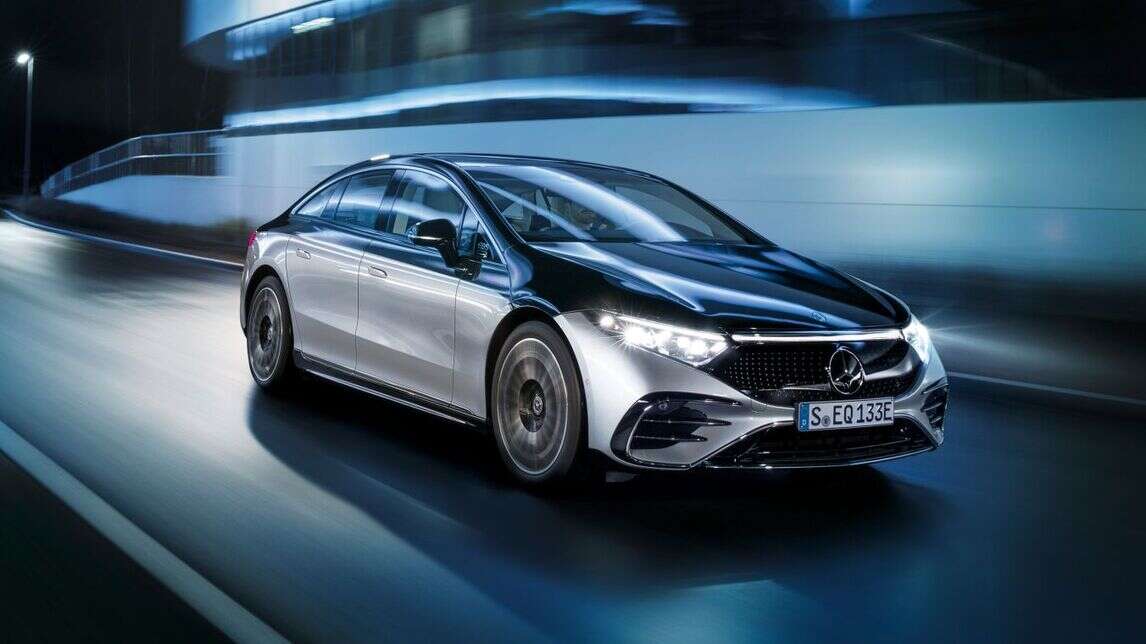
The EQS 580 sedan layers a Level 2 ADAS suite over its hyper-aerodynamic EV platform, combining adaptive cruise control, active lane assists, autonomous emergency braking and blind spot functions with a 360° camera to make this electric luxury sedan serene yet vigilant on crowded Indian roads.
Key Specifications:
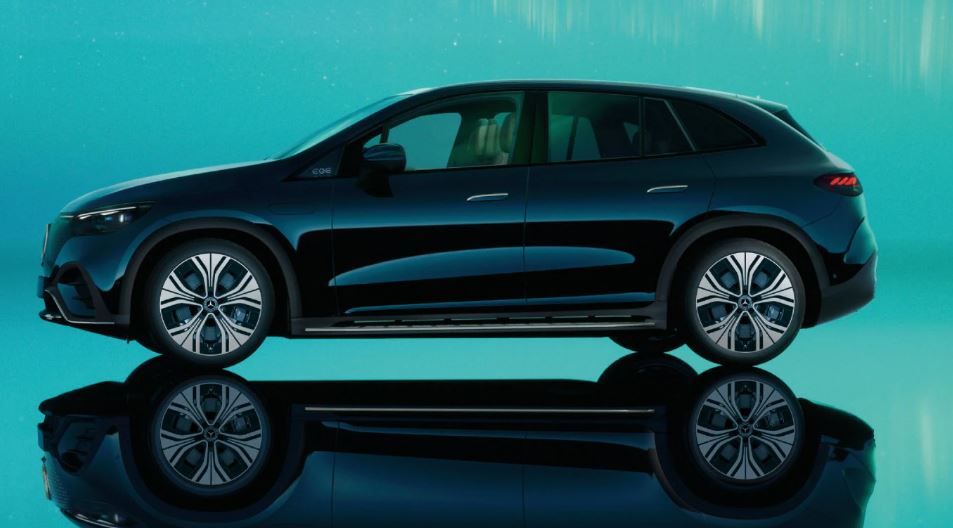
Positioned as the EQS’s SUV sibling, the EQE 500 4MATIC in India ships with Level 2 ADAS featuring lane-keep assist, active brake assist, steering assist, blind spot monitoring and emergency stop functions, along with a 360° transparent bonnet view. It aims for effortless cruising with a large battery pack and a luxury-focused cabin.
Key Specifications:
Electric vehicles equipped with ADAS are becoming increasingly common across multiple price segments in India. Buyers no longer need to spend over ₹50 lakh to access advanced safety technologies such as Adaptive Cruise Control, Lane Keep Assist, Blind Spot Monitoring, and Autonomous Emergency Braking. Models like the Tata Nexon EV, MG Windsor Pro, Hyundai Creta Electric, and Tata Curvv EV have made Level 2 ADAS more accessible to mainstream buyers, while premium options such as the Hyundai Ioniq 5, Kia EV6, and Kia EV9 continue to push the boundaries of intelligent driving assistance.
For most buyers, the Tata Curvv EV, Hyundai Creta Electric, and MG Windsor Pro offer the best balance of price, range, features, and ADAS capability. Buyers seeking premium technology and superior highway-driving assistance can consider the Hyundai Ioniq 5, Kia EV6, or Kia EV9
Besides, you should consider other essential factors like insurance, PUC, tax, etc., while buying an EV. Third-party car insurance is a mandatory requirement that safeguards your vehicle from legal obligations and covers third-party damage expenses.